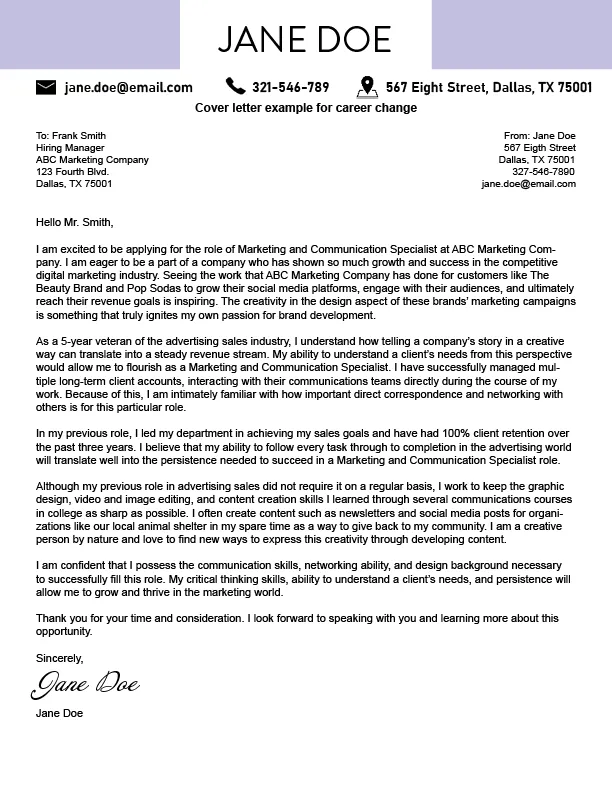
Understanding the Power of Cover Letter Words
Your cover letter is your first impression, a vital opportunity to showcase your personality and qualifications. The words you choose can make or break your chances of landing an interview. Selecting the right vocabulary is paramount because it paints a picture of who you are as a professional. It is about more than just listing your skills; it is about demonstrating how you can add value to the company. This article will explore the top 5 words and phrases that can significantly boost your cover letter’s effectiveness. By strategically incorporating these, you can grab the hiring manager’s attention and significantly increase your chances of moving forward in the hiring process. The goal here is not simply to fill space but to create a compelling narrative that highlights your strengths and aligns them with the needs of the position.
Words to Highlight Your Skills and Experience
When it comes to highlighting your skills and experience, the words you choose should be both descriptive and precise. Instead of generic terms, use words that provide specific examples of your expertise. This demonstrates to the hiring manager that you have the necessary competencies for the role. For example, instead of saying, “I am good at communication,” you could say, “I excel at written and verbal communication, as demonstrated by my successful presentations to large audiences.” To showcase your relevant experience, focus on quantifiable results and achievements. Use words like ‘managed,’ ’led,’ or ‘developed’ to emphasize your accomplishments and what you brought to your previous roles. This specificity not only makes your letter more credible but also makes it more memorable to the reader, increasing the likelihood of your application being considered.
Action Verbs to Show Accomplishments

Action verbs are the backbone of a compelling cover letter. They breathe life into your statements and show, rather than tell, your achievements. Using strong action verbs helps to make your experience and accomplishments more active and engaging. By leading with action verbs, you immediately capture the reader’s attention and provide a clear understanding of your impact in previous roles. For example, start your sentences with words like ‘achieved,’ ‘implemented,’ ‘improved,’ ’negotiated,’ or ’transformed.’ These verbs bring your past experiences to life, allowing hiring managers to see the tangible value you brought to your previous employers. Always focus on what you accomplished, and use quantifiable results whenever possible to further illustrate your contributions. This approach will make your cover letter more persuasive and help you stand out from other applicants.
Demonstrating Enthusiasm and Personality
Your cover letter is a chance to let your personality shine and show your genuine enthusiasm for the opportunity. Hiring managers seek candidates who are excited about the role and company. Words like ’eager,’ ‘passionate,’ ‘motivated,’ and ’enthusiastic’ can convey your interest. Additionally, personalize your letter to the specific role and company. Research the company’s values and use language that reflects their culture and mission. Tailoring your letter demonstrates your interest and attention to detail. Mentioning how your values align with the company can also make your application resonate more. By balancing professional language with your enthusiasm, you create a cover letter that is both impressive and personable. This approach shows you are not just a qualified candidate but also a great fit for the company culture.
Words to Use When Describing Your Skills
When it comes to describing your skills, precise and impactful language is key. Focus on describing your abilities in a way that resonates with the requirements of the job. Use words that showcase your specific expertise and align with the language used in the job description. Instead of generic terms, opt for skill-specific vocabulary. For example, instead of saying ‘I am good at problem-solving,’ you might say ‘I am adept at using data-driven analysis to identify and solve complex issues.’ Providing specific examples and using quantifiable results further strengthens the impact of these skill descriptions. Tailor your language to reflect the keywords and phrases found in the job posting. This will not only demonstrate that you possess the necessary skills but also show that you are detail-oriented and have taken the time to align your qualifications with the specific needs of the role. This approach increases the chances that your skills are noticed and valued by the hiring manager.
Highlighting Your Achievements and Quantifying Results

Quantifying your achievements is a crucial element of a compelling cover letter. It’s not enough to state what you did; you need to show the impact of your work by providing measurable results. Numbers and data add credibility and make your accomplishments more tangible and impressive. Use statistics to illustrate your successes, such as the percentage by which you increased sales, reduced costs, or improved efficiency. For example, state “Increased sales by 15% within one quarter.” This demonstrates your value and provides concrete evidence of your abilities. The specific language you use should be focused on these measurable outcomes. Use action verbs to describe your actions and follow them with quantifiable data that proves your success. By doing this, you create a cover letter that is compelling and highlights your value to the company. It shows that you are not just a doer, but a results-oriented professional who understands the importance of delivering measurable results.
Showcasing Your Professionalism
Demonstrating professionalism in your cover letter is essential to make a strong impression. Use language that is formal, respectful, and shows your ability to communicate effectively. Pay attention to the tone and style of your writing, keeping it clear, concise, and free of jargon. Proper grammar and spelling are non-negotiable. Use words that convey confidence and assurance without being arrogant. Highlight your commitment to excellence, your ability to work collaboratively, and your dedication to achieving results. In addition to your word choices, consider the overall presentation of your cover letter. The format should be clean, easy to read, and well-organized. Proofread carefully to catch any errors that could undermine your professional image. When writing, address the hiring manager by name if possible, and always end with a polite and appreciative closing. These details collectively show your understanding of professional etiquette and enhance your credibility.
Key Words to Avoid in a Cover Letter
While certain words enhance your cover letter, others can diminish its effectiveness. Avoid clichés and overused phrases that can make your letter sound generic and uninspired. Statements like ‘I am a team player’ or ‘I work hard’ are common but lack impact. Instead, provide specific examples of how you have demonstrated these qualities. Overly casual language, slang, and jargon should also be avoided as they can damage your professionalism. Focus on using clear, concise language that conveys your message effectively. Also, avoid negative statements or criticisms about previous employers or roles. The purpose of your cover letter is to focus on your strengths and how you can contribute to the new company. Be positive and focus on the opportunities presented by the new role. Removing these ineffective words and phrases will improve the quality of your cover letter and highlight your professionalism and suitability for the role.
In conclusion, the words you choose for your cover letter can significantly impact your success. By strategically incorporating strong action verbs, highlighting achievements with quantifiable results, and showing your enthusiasm, you can create a cover letter that stands out. Be sure to avoid clichés and overly casual language. When you pay attention to the words you use, you demonstrate your professionalism and significantly increase your chances of landing your dream job.