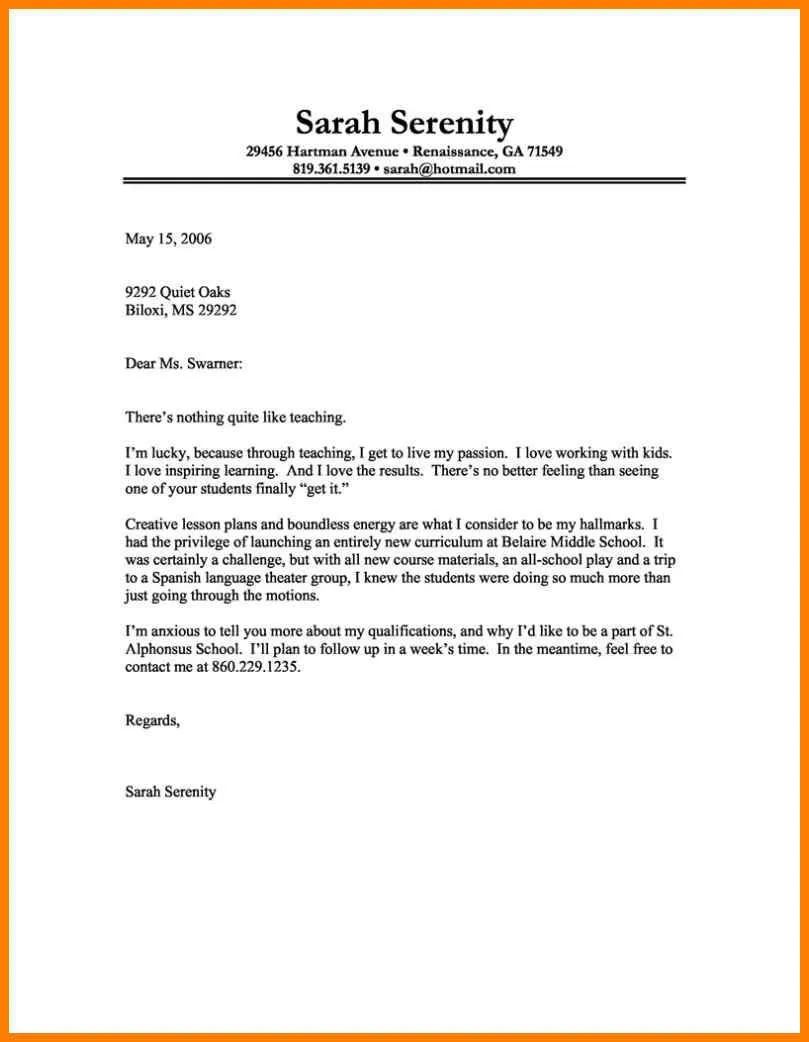
Crafting Your Teacher Cover Letter
A compelling cover letter is your first impression when applying for a teaching position, especially if you are a new teacher with no prior experience. It’s your opportunity to showcase your skills, passion, and potential to a hiring committee. Unlike a resume that simply lists your experience, a cover letter allows you to tell a story, connecting your unique attributes to the specific needs of the school and the role. The goal is to grab the reader’s attention from the start and encourage them to learn more about you. Your cover letter should highlight your strengths and show your understanding of the school’s needs, making it a targeted and personalized document.
Highlighting Transferable Skills
Even without direct teaching experience, you possess valuable transferable skills gained from other experiences, like part-time jobs, volunteer work, or academic projects. These skills can be adapted to the classroom setting. Think about teamwork, communication, problem-solving, and leadership. Analyze previous roles and identify the skills that align with teaching. For example, if you have experience in customer service, highlight your communication and problem-solving abilities. If you were a team lead, emphasize your leadership and organizational capabilities. Tailor your cover letter to show how these transferable skills will benefit your future students and the school community.
Identifying Relevant Skills

Consider skills such as public speaking, active listening, and empathy, which are crucial for teaching. Also include your ability to organize, plan lessons, and manage time effectively. Any experience in mentoring, tutoring, or coaching demonstrates your ability to connect with students and support their learning. Even if you don’t have formal teaching experience, highlight experiences that show your patience, adaptability, and ability to explain complex topics clearly. By focusing on these relevant skills, you can present yourself as a strong candidate, despite the lack of direct teaching experience.
Showcasing Volunteer Experience
Volunteer work offers an excellent way to demonstrate your commitment to education and your ability to work with children or students. Whether you volunteered in a school, a community center, or a tutoring program, make sure to detail your roles and responsibilities. Describe what you did, the number of students you worked with, and the impact you had. Did you help children with their homework? Did you lead group activities? Quantify your achievements whenever possible; for instance, ‘Tutored 15 students in mathematics, leading to a 20% improvement in their grades.’ Volunteer experience not only fills the gap in your resume but also illustrates your dedication to education and your willingness to learn and grow.
Emphasizing Passion and Enthusiasm
One of the most critical aspects of a successful teacher cover letter is conveying your passion for teaching and your enthusiasm for the subject matter or age group. Schools want teachers who are genuinely excited about their work and who can inspire their students. In your cover letter, articulate why you are drawn to teaching, what motivates you to work with students, and what specific aspects of education you are most passionate about. Share anecdotes or experiences that demonstrate your commitment to making a difference in students’ lives. The more genuine your enthusiasm, the more memorable you will be.
Expressing Your Commitment to Education

Expressing your commitment to education goes beyond simply stating that you enjoy working with children. It means articulating a clear understanding of the challenges and rewards of teaching. Show that you have researched the educational landscape and have thought about your teaching philosophy, your values, and how you can contribute to students’ academic and personal growth. You can mention any educational theories or methodologies that resonate with you or the professional development you have sought out. Mention any workshops, conferences, or courses you have completed that have enhanced your teaching skills. Your commitment shows that you view teaching as a career, not just a job.
Demonstrating a Growth Mindset
A growth mindset is the belief that abilities and intelligence can be developed through dedication and hard work. In your cover letter, showcase your willingness to learn and adapt. Discuss your openness to feedback, your interest in professional development, and your enthusiasm for learning new teaching strategies. Highlight your adaptability and your ability to embrace challenges. Show how you have learned from past experiences, whether academic or personal. A growth mindset tells the hiring committee that you are open to feedback and eager to improve and grow, which is invaluable in the ever-evolving field of education.
Tailoring Your Cover Letter
A generic cover letter rarely makes a lasting impression. Tailoring your letter to each school and position is essential to get hired. This process involves researching the school, understanding their specific needs, and personalizing the letter to match. This shows that you are genuinely interested in the school and have taken the time to learn about its values and mission.
Researching the School

Before writing your cover letter, take the time to thoroughly research the school. Explore its website, read its mission statement, and review any recent news or publications. Understand the school’s values, its educational philosophy, and its specific needs. Identify any unique programs or initiatives that the school is involved in. This research will allow you to personalize your cover letter by addressing specific points. For instance, if the school is known for its focus on STEM education, you can highlight your experience in science, technology, engineering, or math. By demonstrating your understanding of the school’s unique characteristics, you’ll show a genuine interest and increase your chances of getting noticed.
Personalizing Your Letter
Personalization means more than simply changing the name of the school or the hiring manager. Tailor the content of your cover letter to the school’s specific requirements and the job description. Use the school’s name throughout the letter. Directly address how your skills, experience, and values align with the school’s needs. Mention specific programs or initiatives the school is involved in and explain how you can contribute. If you are applying for a position at a school with a strong focus on technology, emphasize your experience with educational software or online learning platforms. The more personalized your letter, the more you show your interest and the more likely you will stand out.
Highlighting Skills and Experience
Even with no direct teaching experience, you can still showcase your skills and experience in a way that will appeal to hiring managers. The key is to focus on the skills and abilities that are most relevant to the teaching role. Show how your existing skills translate to a classroom environment.
Focusing on Classroom Management

Classroom management is a critical skill for any teacher, especially for new teachers. Even without formal teaching experience, you can demonstrate your understanding of classroom management principles. In your cover letter, discuss your ability to create a positive and structured learning environment. Highlight any experience you have in maintaining order, resolving conflicts, and establishing clear expectations. Mention any strategies you have learned or used to manage a group of people. If you have volunteered in a setting where you managed children or young adults, describe your approach to handling situations and maintaining a focused environment. Make sure you emphasize your organizational skills and your ability to create a supportive classroom.
Mentioning Lesson Planning
Lesson planning is at the heart of teaching. Although you may not have taught full lessons, you can emphasize your ability to plan and organize educational content. Discuss your experience with creating lesson plans, even if it was for tutoring, workshops, or presentations. Mention any curriculum or teaching methodologies you are familiar with. Highlight your attention to detail and your ability to create engaging and effective lessons. Show your ability to organize information, design activities, and create assessments. Describe your understanding of different learning styles and your ability to incorporate diverse teaching methods to cater to the needs of all students. Any experience in developing educational materials or activities should also be included.
Showcasing Communication Skills
Effective communication is vital for teachers. Showcase your ability to communicate clearly and effectively with students, parents, and colleagues. Highlight your active listening skills, your ability to explain complex ideas in a simple way, and your skills at building rapport. If you have given presentations, led discussions, or provided feedback, mention them in your cover letter. Even experiences like leading a team project or giving a speech can demonstrate these skills. Being able to clearly communicate is essential for fostering a positive classroom environment. Also, describe your ability to communicate with parents or guardians. Any experience with translation or bilingual skills can also be an added advantage.
Formatting and Proofreading

A well-formatted and error-free cover letter reflects your professionalism and attention to detail. Poorly formatted cover letters can reflect badly on your application. Taking the time to format and proofread your cover letter is just as important as its content.
Formatting for Readability
Your cover letter should be easy to read and visually appealing. Use a professional font, such as Times New Roman, Arial, or Calibri. Make sure the font size is readable (typically 11 or 12 points). Use clear headings and subheadings to break up the text, and employ short paragraphs to make the content more accessible. Use bullet points to highlight key information and make it easier for the reader to scan. Leave adequate white space around the text and between paragraphs. A well-formatted cover letter shows that you value clarity and professionalism.
Proofreading and Editing
Proofreading is crucial. Errors in grammar and spelling can undermine your credibility. After writing your cover letter, take time to review it carefully. Then, ask a friend, colleague, or mentor to proofread it as a second set of eyes will catch any errors you might have missed. Check for grammatical errors, spelling mistakes, and punctuation errors. Ensure that your sentences flow well and that your language is clear and concise. Verify the contact information and the name of the hiring manager. Proofreading is an essential step in presenting a polished and professional image.
Writing a Compelling Closing

The closing of your cover letter should be memorable and encourage the hiring manager to contact you. It should restate your interest in the position and your gratitude for their consideration.
Expressing Your Enthusiasm
Restate your enthusiasm for the teaching position and your interest in the school. Show the hiring manager that you are excited about the opportunity and are looking forward to the possibility of joining their team. Use strong and confident language to express your passion. Be sure to show your belief that you are the best candidate for the role and that you can make a difference to your students.
Including a Call to Action
Finish your cover letter with a clear call to action. This is your invitation to the hiring manager to take the next step. State that you are available for an interview and provide your contact information, including your phone number and email address. Thank the hiring manager for their time and consideration. End the letter with a professional closing, such as “Sincerely” or “Respectfully”. This closing ensures that the hiring manager understands that you would like to move forward in the hiring process.