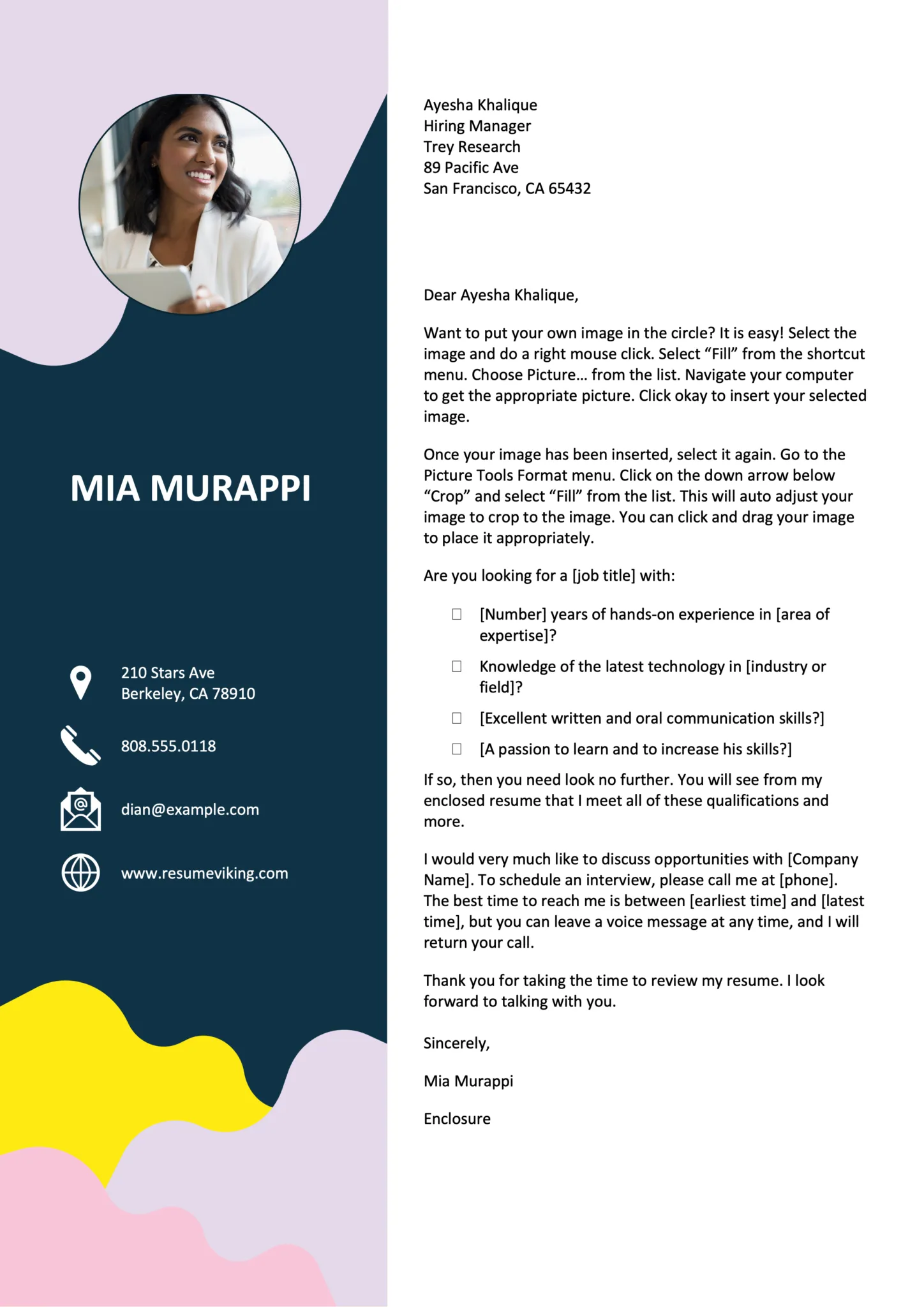
Understanding the Importance of a Solid Cover Letter
In today’s competitive job market, a solid cover letter is more than just a formality it’s your first impression. It’s your chance to showcase your personality, highlight your relevant skills, and demonstrate your genuine interest in a specific role and company. A well-crafted cover letter can significantly increase your chances of landing an interview, while a poorly written one can send your application straight to the rejection pile. Think of it as your personal marketing document, designed to captivate the reader and compel them to learn more about you. Ignoring this crucial step can be a costly mistake, potentially missing out on opportunities that perfectly align with your career goals. Therefore, investing time and effort into crafting a compelling cover letter is paramount to a successful job search.
Why Cover Letters Matter
Cover letters provide context to your resume. They allow you to explain gaps in your employment history, elaborate on specific achievements, and connect your skills and experiences to the job requirements. They’re an opportunity to tell a story about your career journey and how it has led you to apply for this particular position. Furthermore, they give you a chance to demonstrate your written communication skills, which are essential in most professional roles. Many recruiters and hiring managers consider a cover letter a critical part of the application process. It shows you are proactive and detail-oriented, and that you took the time to learn more about the company and the role.
Cover Letter vs. Resume

While your resume provides a snapshot of your work history, skills, and education, your cover letter allows you to elaborate on specific aspects and tailor your application to the particular job. The resume is a factual document listing your credentials, whereas the cover letter is a narrative that sells those credentials. Your resume presents the ‘what,’ and your cover letter explains the ‘why’ and the ‘how.’ Think of your resume as the foundation and your cover letter as the structure you build upon it, creating a cohesive and persuasive presentation of your qualifications. The best approach involves carefully crafting a cover letter that complements your resume, not simply restating the information.
Key Components of a Winning Cover Letter
A winning cover letter isn’t just a generic document; it’s a strategically crafted message designed to grab the reader’s attention and convince them that you’re the right fit. To achieve this, your cover letter should include essential elements that are tailored to the specific job and company. Consider the tone, which must align with your personality and the organization’s culture. Remember to keep the letter concise, typically no more than one page. Following a clear structure and addressing key elements ensures that your letter is effective.
Header and Contact Information
Begin your cover letter with a professional header that includes your name, address, phone number, and email address. Align this information to the left or right, and ensure it’s easy to read. Also, include the date and the recipient’s name and title, if possible. If you know the hiring manager’s name, use it to personalize the letter, which shows you’ve done your research and increases the chances of grabbing their attention. Failing to include these basic details makes you look unprofessional and potentially prevents the recruiter from contacting you. Take time to proofread this section to ensure accuracy.
Greeting the Hiring Manager

Address the hiring manager by name whenever possible. A personalized greeting immediately grabs their attention and demonstrates that you’ve taken the time to tailor your application to their specific needs. “Dear Mr./Ms. [Last Name]” is a standard and respectful greeting. Avoid generic greetings like “To Whom It May Concern” or “Dear Hiring Manager” unless you absolutely cannot find the hiring manager’s name. If you’re unsure of the gender, use the full name or a gender-neutral greeting. Showing this attention to detail increases your chances of making a positive first impression.
Crafting a Compelling Opening
Your opening paragraph is your first and perhaps most crucial opportunity to make an impression. Begin with a strong statement that immediately grabs the reader’s attention. This could be a statement of your enthusiasm for the role or the company, a brief highlight of a relevant achievement, or a mention of a mutual connection. Clearly state the position you’re applying for. Avoid generic introductions; instead, showcase your personality and demonstrate your understanding of the company’s mission or values. Make sure the opening clearly communicates your primary objective - to secure an interview.
Highlighting Your Relevant Skills and Experience
The body of your cover letter should highlight your relevant skills and experience, demonstrating how you meet the requirements outlined in the job description. Don’t simply restate your resume. Instead, provide specific examples that showcase your accomplishments and the impact you made in previous roles. Quantify your achievements whenever possible. Link your skills and experiences directly to the needs of the company and the responsibilities of the position. Use keywords from the job description to ensure your letter aligns with the employer’s needs and passes any applicant tracking systems (ATS).
Showcasing Achievements, Not Just Listing Duties

Focus on your accomplishments, not just your responsibilities. Instead of simply listing your job duties, describe what you achieved in each role. Use action verbs to describe your accomplishments. Showcasing your achievements demonstrates that you’re results-oriented and capable of making a positive impact. For instance, instead of saying, “Managed social media accounts,” you could say, “Increased social media engagement by 30% in six months by implementing a new content strategy.” The latter provides concrete evidence of your impact.
Quantifying Your Accomplishments
Whenever possible, quantify your accomplishments to provide concrete evidence of your impact. Use numbers, percentages, and data to demonstrate your successes. For example, instead of saying, “Improved customer satisfaction,” you could say, “Increased customer satisfaction scores by 15% through improved customer service initiatives.” Quantifiable achievements immediately grab the reader’s attention and provide a clear understanding of your value. This also highlights your ability to track and measure results. Numbers provide evidence that validates your claims and strengthens your application.
Tailoring Your Cover Letter to the Job Description
Tailoring your cover letter to each job you apply for is crucial. Generic cover letters that don’t address the specific requirements of the position are easily recognizable and often discarded. The more customized your letter, the better your chances of landing an interview. This shows that you’ve invested time in researching the company and understanding the role’s needs.
Researching the Company and its Needs

Before writing your cover letter, thoroughly research the company. Visit their website, read their “About Us” section, and follow them on social media to understand their mission, values, and recent activities. Identify the key challenges and opportunities the company faces and tailor your letter to demonstrate how your skills and experience can help address these needs. Understanding the company’s culture will also help you write a cover letter that aligns with their values. Mention specific projects, initiatives, or accomplishments of the company to show you understand what they do.
Matching Your Skills to the Job Requirements
Carefully review the job description and identify the key skills and qualifications the employer is seeking. Then, match your skills and experience to these requirements. Use the same keywords and phrases used in the job description to make it clear that you meet the criteria. Provide specific examples from your work history that demonstrate how you’ve successfully utilized these skills. This targeted approach shows the employer that you are a great fit for the role and that you’ve taken the time to understand their needs.
Writing a Strong Closing
The closing paragraph of your cover letter should summarize your qualifications, reiterate your enthusiasm for the position, and clearly state your next steps. It’s your final opportunity to leave a lasting impression on the hiring manager.
Expressing Your Enthusiasm and Next Steps

Reiterate your interest in the position and express your enthusiasm for the opportunity. Mention the company’s specific projects or initiatives. State your willingness to discuss your qualifications further in an interview. Clearly state how you can be reached for an interview. Include a call to action that encourages the hiring manager to contact you. Thank the hiring manager for their time and consideration. A confident and professional closing can significantly increase your chances of moving forward in the hiring process.
Proofreading and Formatting Your Cover Letter
Proofreading and formatting are critical to creating a professional and polished cover letter. Errors in grammar, spelling, and formatting can undermine your credibility and give the impression that you’re not detail-oriented. Taking the time to carefully review your cover letter is essential to making a good impression.
Formatting for Readability
Ensure your cover letter is easy to read. Use a professional font such as Times New Roman, Arial, or Calibri, and maintain a consistent font size (11 or 12 points). Use single-spacing with a blank line between paragraphs. The letter should be one page, or shorter. The format should be clean and organized, making it easy for the reader to scan the document and quickly grasp the key information. Proper formatting makes the document inviting and easy to read.
Proofreading for Errors

Proofread your cover letter meticulously. Check for grammatical errors, spelling mistakes, and punctuation errors. Read the document aloud to catch awkward phrasing and ensure the flow is smooth. Ask a friend, family member, or career counselor to review your letter. Proofreading helps catch errors you may have missed and ensures that your cover letter presents you in a professional and polished manner. A well-proofread letter gives you the best chance of making a positive impression.
In conclusion, crafting a solid cover letter is a crucial step in any job application. By understanding its importance, following the guidelines outlined above, and tailoring your letter to each job, you can significantly increase your chances of securing an interview and ultimately landing your dream job. Invest the time and effort to create a compelling cover letter, and you’ll be one step closer to achieving your career goals. Good luck!