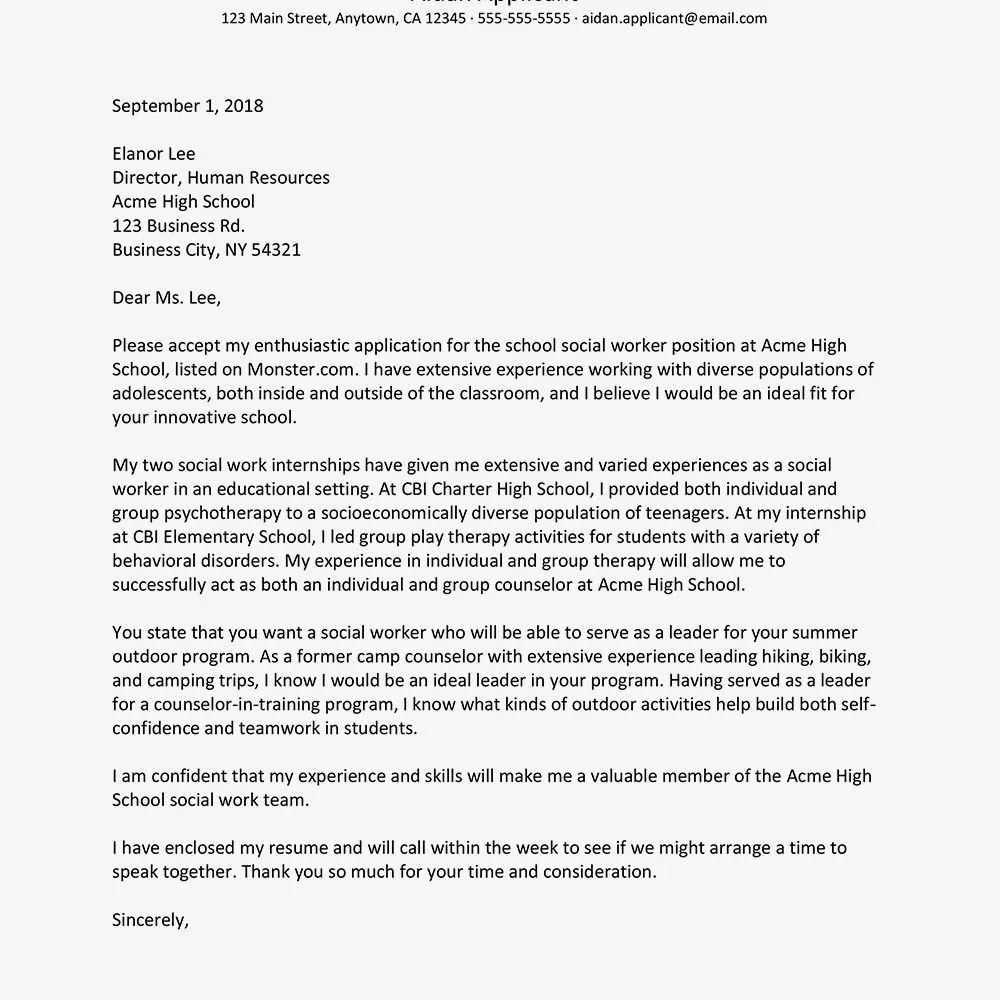
Key Elements of a Winning Social Work Cover Letter
A well-crafted social work cover letter is your opportunity to shine, showcasing your skills, passion, and experience to potential employers. It’s more than just a formality; it’s your first impression, a chance to demonstrate why you’re the perfect fit for the role. This guide will walk you through the key elements, providing insights and tips to create a cover letter that stands out and lands you an interview. By focusing on these critical components, you can significantly increase your chances of success in your job search. Remember, your cover letter is your voice, so make it compelling and authentic.
Your Contact Information
Start your cover letter with a professional heading that includes your full name, phone number, email address, and optionally, your LinkedIn profile URL. This information should be clearly displayed at the top of the page, making it easy for the hiring manager to contact you. Ensuring your contact details are accurate and up-to-date is crucial; a small error here can lead to missed opportunities. Always double-check the spelling and formatting to maintain a polished and professional appearance. This section sets the foundation for a positive first impression, communicating your attention to detail and professionalism from the outset.
Formatting your contact information

The way you format your contact information is just as important as the information itself. Use a clean, easy-to-read font, such as Arial or Times New Roman, and maintain consistent formatting throughout. Avoid using overly stylized fonts or excessive colors, which can distract from the content. Arrange your contact details in a clear, organized manner, typically left-aligned at the top of the letter. A well-formatted heading conveys professionalism and makes it effortless for the reader to find your contact information. Consistency is key, so apply the same formatting standards to your resume and any other application materials.
The Right Salutation
Your salutation sets the tone for the entire letter. Avoid generic greetings like ‘To Whom It May Concern.’ Instead, try to address the hiring manager or the specific person who will be reviewing your application. This personalized approach demonstrates that you’ve done your research and are genuinely interested in the position. If the hiring manager’s name isn’t available, consider using ‘Dear Hiring Manager’ or ‘Dear [Department Name] Team’ as a professional alternative. The salutation is the first personal touch you make; make it count by being polite, informed, and respectful.
How to Address the Hiring Manager
The most effective salutation is always to address the hiring manager by name. This shows you’ve taken the initiative to find out who will be reading your application. You can typically find the hiring manager’s name on the job posting, the company website, or LinkedIn. Use the correct title (Mr., Ms., Dr., etc.) followed by their last name. If you are unsure of the gender or preferred title, it’s acceptable to use their full name. A personalized salutation creates a stronger connection and shows you’re invested in the opportunity. It indicates you are detail-oriented and eager to connect with the team.
Highlighting Your Passion

Social work is a field driven by compassion and a desire to help others. Your cover letter is the perfect place to express your passion for this profession. Share what motivates you to work in social work, whether it’s a personal experience, a specific cause, or a general commitment to social justice. Use vivid language and specific examples to illustrate your dedication. Be authentic and let your personality shine through. A genuine expression of your passion will resonate with the hiring manager and make them eager to learn more about you. This is your opportunity to make a lasting impression.
Demonstrating Relevant Skills
Social work roles require a diverse range of skills, including communication, empathy, problem-solving, and critical thinking. Your cover letter should highlight the skills most relevant to the specific job you’re applying for. Carefully review the job description and identify the key skills the employer is seeking. Then, provide concrete examples of how you’ve demonstrated these skills in previous roles or experiences. Use action verbs to describe your accomplishments, and focus on the impact you made. For example, instead of saying ‘I assisted clients,’ write ‘I provided individual and group counseling sessions to over 50 clients, resulting in a 20% improvement in their reported well-being.’ Be specific and showcase your skills effectively.
Showcasing Experience
Your work experience is a cornerstone of your cover letter. Provide a brief overview of your relevant experiences, focusing on roles and accomplishments that align with the job requirements. For each position, mention your title, the organization, and the dates of your employment. Then, highlight your key responsibilities and achievements. Use the STAR method (Situation, Task, Action, Result) to structure your examples and provide a clear narrative. This method helps you showcase your skills in a practical and impactful way. Tailor your descriptions to the specific job, emphasizing the experience that is most relevant. Your experiences are evidence of your capabilities.
Quantifying Achievements

Whenever possible, quantify your achievements. Use numbers and data to demonstrate the impact you’ve made in previous roles. Instead of saying ‘I improved client outcomes,’ say ‘I increased client satisfaction scores by 15% through implementing a new therapeutic approach.’ Quantifiable achievements add credibility to your claims and make it easier for the hiring manager to understand the value you bring. Metrics like the number of clients served, the percentage of improvement in outcomes, or the amount of funds raised demonstrate your ability to deliver results. This evidence will increase your chances of getting hired.
Tailoring Your Letter
A generic cover letter will rarely make a strong impression. Tailor each cover letter to the specific job and organization. This shows that you’ve taken the time to understand their needs and are genuinely interested in the opportunity. Refer to the job description and highlight how your skills and experience align with their requirements. Mention the specific programs or initiatives of the organization that resonate with your interests. Personalize your letter with details that demonstrate you understand the company’s mission and values. A tailored cover letter shows the hiring manager you are more than just a job seeker; you are a strategic thinker who is investing time into the organization.
Researching the Organization
Before writing your cover letter, thoroughly research the organization. Visit their website, read their mission statement, and review their recent news and initiatives. Understand their values, the populations they serve, and the challenges they face. This research will help you tailor your letter to their specific needs and demonstrate your genuine interest. Mentioning specific programs or initiatives that align with your interests shows that you’re engaged with the organization and understand its work. This demonstrates that you are proactive and interested in the organization’s goals. Researching the organization builds your foundation for an effective cover letter.
Using Keywords

Many employers use Applicant Tracking Systems (ATS) to scan resumes and cover letters for keywords. To ensure your application isn’t overlooked, incorporate keywords from the job description into your cover letter. Identify the key skills, qualifications, and responsibilities listed in the job posting and weave those terms naturally into your text. Avoid keyword stuffing, which can make your letter sound unnatural. Focus on integrating keywords into your descriptions of your skills, experience, and achievements. The goal is to make your cover letter ATS-friendly while still maintaining a professional and engaging tone, increasing the visibility of your application.
Call to Action and Closing
End your cover letter with a clear call to action and a professional closing. Express your interest in an interview and state how you can be reached. Provide your phone number and email address one more time, just to make it easy for the hiring manager to contact you. Thank the reader for their time and consideration, and use a formal closing, such as ‘Sincerely’ or ‘Best regards’. Always proofread your cover letter carefully before submitting it. Your closing is your final chance to make a strong impression and ensure your application stays in their mind.
Expressing Gratitude
Expressing gratitude is a simple but powerful gesture to end your cover letter. Thank the hiring manager for considering your application and for taking the time to review your qualifications. This shows your respect for their time and demonstrates your professionalism. You can also reiterate your enthusiasm for the opportunity and your eagerness to discuss how you can contribute to the organization’s mission. Ending with a sincere expression of gratitude leaves a positive final impression and underscores your appreciation for the opportunity.