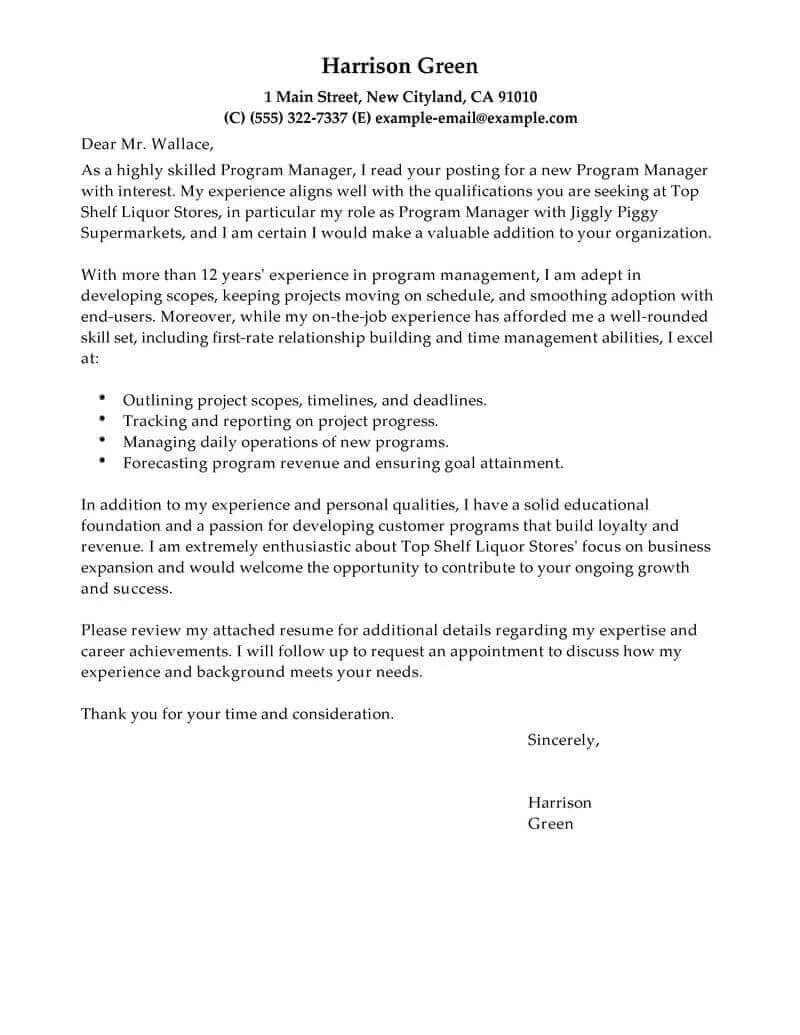
The Power of Resume & Cover Letter
In the competitive world of job applications, your resume and cover letter are your first impressions. They’re the initial contact points that can either open doors to your dream job or relegate your application to the ‘rejected’ pile. A well-crafted resume and cover letter are not just summaries of your experience; they are powerful marketing tools. They showcase your skills, experience, and personality, making you stand out from the multitude of other applicants. Mastering the art of resume and cover letter writing is an essential skill for any job seeker, and understanding the secrets to crafting compelling documents can significantly increase your chances of landing an interview. This guide will reveal five key strategies to help you create resumes and cover letters that get noticed.
Highlight Your Achievements
Instead of merely listing your job responsibilities, focus on highlighting your achievements. Employers want to know what you’ve accomplished in previous roles. This approach demonstrates your value and provides concrete examples of your skills in action. Describe your achievements using the ‘STAR’ method: Situation, Task, Action, Result. Begin by briefly outlining the situation, then describe the task you were assigned, explain the actions you took, and finally, quantify the results of your efforts. This method provides a clear and compelling narrative of your capabilities and impact. This method clearly illustrates your contributions and shows potential employers the value you would bring to their organization. Highlighting your achievements transforms your resume from a job description to a showcase of your capabilities.
Quantify Your Accomplishments

Whenever possible, quantify your accomplishments with numbers, percentages, and specific data. This adds credibility and provides concrete evidence of your impact. Instead of saying, ‘Improved customer satisfaction,’ say, ‘Increased customer satisfaction by 15% within six months.’ Instead of ‘Managed social media accounts,’ state, ‘Grew social media followers by 30% in one year.’ Use metrics to back up your claims. Numbers speak volumes, making your achievements more tangible and memorable. Quantifying your accomplishments provides a clear picture of your successes and helps employers quickly assess your value.
Use Action Verbs
Start your bullet points with strong action verbs to make your resume more dynamic and engaging. Action verbs such as ‘managed,’ ’led,’ ‘developed,’ ‘implemented,’ and ‘achieved’ make your descriptions more impactful and show initiative. Using active language makes your resume more engaging. Avoid passive phrases and instead use verbs that show you took action and made a difference. For example, instead of ‘Was responsible for customer service,’ write ‘Provided exceptional customer service, resolving an average of 50 inquiries daily.’ The use of action verbs will convey your active involvement and create a stronger impression.
Customize for Each Job
One of the biggest mistakes job seekers make is sending out generic resumes and cover letters. Tailoring your resume and cover letter to each specific job is crucial. This process demonstrates your genuine interest in the position and your understanding of the company’s needs. Customize your application to showcase how your skills and experience align with the requirements outlined in the job description. This involves carefully reviewing the job posting and identifying the key skills, experiences, and qualifications the employer is seeking.
Tailor Your Resume

Your resume should be customized for each job application. Start by adjusting your resume summary or objective to match the job’s requirements. Highlight the skills and experiences that are most relevant to the position. If a job posting emphasizes project management skills, ensure your resume showcases your project management experience and achievements. Consider rearranging sections and emphasizing the most relevant aspects of your background. The goal is to make it easy for the hiring manager to see why you are a good fit for the role.
Adapt Your Cover Letter
Your cover letter provides an opportunity to expand on your qualifications and express your interest in the specific role and company. Use the cover letter to explain why you are a good fit, addressing the key requirements outlined in the job description. Share stories and anecdotes to illustrate how your skills and experiences align with the job’s needs. Show enthusiasm for the company and the position. The cover letter is a great place to show your personality and demonstrate that you’ve done your research on the company and understand their mission.
Formatting for Impact
The format of your resume and cover letter significantly impacts its readability and professionalism. A well-formatted document is easier to read and more visually appealing. Use clear headings, bullet points, and ample white space to make your information stand out. A clean and organized layout makes it easier for recruiters to find the information they need.
Choose a Professional Font

Select a professional and easy-to-read font such as Arial, Calibri, or Times New Roman. Avoid using overly ornate or unusual fonts, as they can be distracting and make your resume difficult to read. Keep the font size between 10 and 12 points for the body text and slightly larger for headings. Ensure your chosen font is consistent throughout the document for a polished look.
Keep It Concise and Readable
Keep your resume concise, typically one to two pages in length. Recruiters often review numerous resumes, so make sure your most relevant information is easy to find. Use bullet points to break up large blocks of text and improve readability. Ensure your formatting is consistent and the layout is clean and uncluttered.
Proofread Meticulously
Typos and grammatical errors can undermine your credibility and leave a negative impression on potential employers. Always proofread your resume and cover letter multiple times. Ask a friend, family member, or career counselor to review your documents for errors. A second pair of eyes can often catch mistakes you might miss. A polished and error-free application demonstrates your attention to detail and commitment to quality.
Check for Grammar Errors

Carefully review your resume and cover letter for grammatical errors. Use grammar-checking tools, but don’t rely on them entirely. Read each sentence aloud to identify awkward phrasing or incorrect sentence structure. Ensure your verb tenses are consistent, and your punctuation is correct. A flawless resume conveys professionalism and attention to detail.
Ensure Consistency
Maintain consistency in formatting, font sizes, and date formats throughout your resume and cover letter. Ensure your headings and subheadings are consistent, with uniform spacing. Use the same date format for all your employment history and education sections. Consistency creates a professional appearance and makes it easier for recruiters to quickly scan your resume.
Focus on Keywords
Many companies use Applicant Tracking Systems (ATS) to scan resumes for keywords. To ensure your resume gets noticed, research the keywords used in the job description and incorporate them throughout your resume and cover letter. Using the right keywords increases your chances of passing the initial screening process and getting your resume in front of a human recruiter.
Research Job Requirements

Before you start writing your resume, carefully review the job description and identify the key requirements. Look for the specific skills, experience, and qualifications the employer is seeking. Research the company to understand their values, culture, and the language they use in their job postings. Understanding these requirements will help you tailor your resume and cover letter to match what the employer is looking for.
Incorporate Relevant Terms
Once you have identified the keywords, strategically incorporate them into your resume and cover letter. Use the same language and terminology as the job description, but avoid keyword stuffing. Use keywords naturally within the context of your experience and achievements. Be sure to weave the keywords into your skills section, work experience descriptions, and resume summary or objective.
By following these five secrets, you can create a resume and cover letter that truly stand out. Remember, these documents are your initial representation to potential employers, and a well-crafted application can dramatically enhance your chances of landing your dream job. Good luck with your job search!