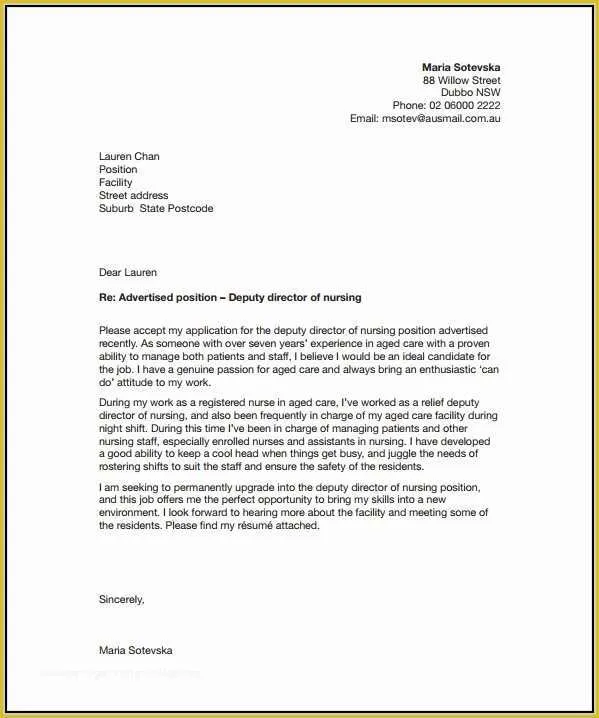
What is a Resume Cover Letter Template?
A resume cover letter template is a pre-formatted document designed to help job seekers create a professional cover letter quickly and efficiently. These templates provide a basic structure, including placeholders for your personal information, skills, and experiences. They eliminate the need to start from scratch, offering a solid foundation and often providing prompts and suggestions for content and formatting. Using a template saves time and ensures that your cover letter meets professional standards. A well-designed template can help you highlight your qualifications effectively, showcase your enthusiasm for a role, and present a clean, readable, and professional appearance to potential employers. Cover letter templates are essential tools for anyone looking to improve their job application process, because they streamline the writing process and help to create a professional impression.
Benefits of Using a Cover Letter Template
Using a cover letter template provides many advantages for job seekers. First, templates save considerable time, allowing you to focus more on tailoring your application rather than formatting and structure. Secondly, templates ensure a professional look and feel. They are usually created by career experts, using the best practices for layout and content. The structured framework helps you organize your thoughts and present your skills clearly and concisely. Templates offer a starting point for those who struggle with writer’s block. They often provide prompts and examples to guide the writing process. Lastly, templates help you maintain consistency with formatting, ensuring your cover letter is readable, visually appealing, and aligned with your resume. This consistency reflects your attention to detail and enhances your chances of making a positive impression. So, if you want to have a professional cover letter, you should use a template.
How to Choose the Right Cover Letter Template

Choosing the right cover letter template is essential. The first thing to consider is your industry and the specific job you’re applying for. Different industries have different standards. For example, a creative field might allow for more visually appealing templates, while more conservative industries might need a simpler, more traditional design. Consider how the template’s design aligns with your profession, and how the chosen template will reflect your personality. Also, consider the template’s style and format. The template should clearly present information. A template’s style encompasses its overall aesthetic, including the fonts, colors, and design elements, while the format refers to the structure, like the layout of the header, body, and closing. Evaluate how well the template aligns with your career goals. Make sure the template is easy to customize and allows you to insert your information. Consider the ease of modifying the content. Select a template that you can modify without difficulty and that matches the job description.
Consider Your Industry and Job
Your industry and the specific job you’re applying for should greatly influence your template selection. The choice should align with the norms of your industry and specific job. Different industries have different standards for cover letters. The job description itself is a critical guide. Look for keywords. Is the job a skills-based role? Is it an achievement-based role? Choose a template that enables you to highlight the most relevant skills and experiences. Tailor the template to reflect the company’s culture and brand. Also, you should make sure the template you use showcases your experience. A modern format, with a creative style, might suit a graphic designer. A classic template would fit a lawyer. Prioritize the employer’s needs by making the most of the template.
Identify the Template’s Style and Format
Evaluate the style and format of a potential cover letter template to ensure it matches your career goals. A template’s style includes its overall aesthetic. The format refers to the structure. Evaluate how effectively the template allows you to highlight your key skills and experiences. Does the template have enough space for all the elements? Ensure that the template has space for your contact information, the date, and the recipient’s details. Ensure that the template can present your information in a clear way for the reader. The format should emphasize your qualifications. Choosing a template that aligns with your profession helps to showcase your experience. Before selecting a template, make sure it presents your information well and is readable. If you can’t modify the template, you might want to select another one.
Download and Customize the Template

Once you’ve selected a cover letter template, the next step is to download and customize it to meet your needs. Download the template in a compatible format, such as Microsoft Word or Google Docs, so you can easily edit and personalize it. Next, review the template’s structure to understand the different sections, including the header, body paragraphs, and closing. Replace the placeholder text with your information. Adapt the body paragraphs to emphasize your skills, experiences, and how they relate to the job. Also, you should tailor the language to reflect your professional voice and ensure it matches the company’s brand. Proofread the template to ensure you don’t have any typos or grammatical errors. Save the document with a clear and descriptive file name. This will help you keep track of your documents, and will help the employer identify you.
Key Sections of a Cover Letter Template
Cover letter templates usually include several key sections that will guide you. The first is the header, which includes your name, contact information, and date. Next is the salutation, such as “Dear [Hiring Manager name].” The body of the cover letter typically is structured into paragraphs. Each paragraph serves a specific purpose. Start with an engaging opening, state your interest in the position, and how you learned about it. Highlight your relevant skills, experiences, and achievements. Finally, you need a strong closing, restating your enthusiasm, and expressing your interest in an interview. Proofread the entire document to ensure a polished, professional presentation.
Header Section Details
The header is the most important section. Include your name in a prominent font and size. Then, include your contact details. Add the date to maintain professional etiquette. Also, it’s useful to add the employer’s contact details, including the hiring manager’s name and title, when available. The formatting should be clean and concise, and use clear, readable fonts. Also, the header is your brand, so make a great first impression.
Body Section Details

The body of your cover letter is where you make your pitch, elaborating on your skills and experiences. Start with a compelling opening paragraph that grabs the reader’s attention. State the position you’re applying for and why you’re interested. Structure the content logically. Focus on one point. Use clear language and quantify your achievements whenever possible. Include a strong call to action. Your goal is to convince the recruiter that you are the right fit for the job.
Closing Section Details
The closing section of your cover letter provides your last opportunity to make a great impression. Restate your interest and your enthusiasm. Reiterate why you are a good fit for the role. Include a call to action, such as expressing your availability for an interview. Thank the hiring manager for their time and consideration. Use a professional closing salutation, such as “Sincerely,” or “Best regards,” followed by your name. Ensure the closing is concise and professional. Your closing paragraph should leave a lasting impression.
Tips for Customizing Your Cover Letter
Customizing your cover letter demonstrates to the recruiter that you understand the job requirements. The first step is to review the job description. Tailor your cover letter to address these specific requirements. Use keywords from the job description. Highlight relevant achievements, and quantify them whenever possible. Focus on the company’s culture and brand. Research the company and demonstrate that you understand its values and goals. Proofread. By taking the time to personalize your cover letter, you can make it stand out from other applicants.
Personalize the Template

Personalizing your cover letter is very important. Make sure you tailor the content to the specific job. Start by researching the company and job requirements. Understand their mission and values. Then, adapt your cover letter to address the specific needs outlined in the job description. Highlight the skills and experiences that match those requirements. Avoid a generic approach. Instead, provide concrete examples of your past accomplishments. This shows that you’ve taken the time to understand the company and the role. Make sure the template conveys your expertise.
Proofread and Edit
Proofreading and editing are essential. Before you submit, carefully review your letter for errors in grammar, spelling, and punctuation. These errors can undermine your credibility and professionalism. Read through the document multiple times. Use a spell-checker and grammar-checking tools. Ask a friend or career counselor to proofread your cover letter. A fresh pair of eyes can catch mistakes. Ensure that the formatting is consistent. Proofreading ensures your cover letter is polished and professional. If you don’t proofread, it will undermine your image.
Formatting and Design
Formatting and design have an important role in the effectiveness of your cover letter. The cover letter should be easy to read and visually appealing. Choose a simple, professional font and keep the font size between 10 and 12 points. Use standard margins (1 inch) to ensure a clean and uncluttered appearance. Also, use bullet points. Avoid using excessive colors, graphics, or unusual fonts. Use bolding and italics sparingly. A well-formatted cover letter demonstrates attention to detail.
Where to Find Cover Letter Templates

You can easily find cover letter templates online. There are many resources offering a wide variety of templates suitable for different industries. Make sure you use a mix of free and paid options. This enables you to pick and choose the template best for you. Research different options. Then select the one that works best for you. Also, make sure you can customize the template to meet your needs.
Online Template Resources
Online template resources offer many cover letter templates. Many career websites provide free cover letter templates. These include templates in various formats, such as Microsoft Word and Google Docs. Consider using professional resume builders. These often provide many cover letter templates. Before you download a template, review its design and format to ensure it aligns with your needs. Also, check for user reviews or ratings to evaluate the template’s usability. Check the templates’ compatibility with your word processing software. Make sure the templates are free. These templates can help save time, and present you as a professional.
Template Example Websites
Many websites specialize in providing cover letter templates. You can find templates on websites such as Resume.io, Zety, and Canva. These platforms provide a wide range of templates for different industries. The platforms often provide tutorials and guides to help you. Always check the website’s rating and reliability. Look for templates that are modern and relevant. Using these websites can streamline the process of finding a professional cover letter template.
Template Customization Tools

Template customization tools are essential for creating a personalized cover letter. Microsoft Word and Google Docs are popular tools. They provide editing capabilities. These tools allow you to insert text. Also, consider using online resume builders. These sites often have integrated template customization tools. This streamlines the process of creating a professional cover letter. Choose templates that offer editing features. Save your customized cover letter in a readily accessible format. Make sure you can easily save the cover letter in a PDF format.
Avoiding Common Cover Letter Mistakes
Avoiding common mistakes is essential for making a great impression. Many applicants use generic language. Instead of generic phrases, be specific and use clear examples. A mistake is typos and grammatical errors. Always proofread your cover letter. The last mistake is a mismatching template and job requirements. Match the tone of the company to get a better result.
Generic Language
Using generic language can weaken your cover letter. Avoid vague phrases. Instead, provide specific examples and relevant achievements. Quantify your achievements whenever possible. Focus on the employer’s needs. Use the job description to guide your writing. Tailor your language to match the company’s culture. A well-written cover letter will make the reader want to know more.
Typos and Grammatical Errors
Typos and grammatical errors can damage your cover letter. Before submitting your cover letter, conduct a thorough proofreading process. Read the letter aloud to catch mistakes. Use a spell-checker. Ask a friend or career counselor to review your cover letter. Ensure the formatting is consistent. A polished, error-free cover letter will help you stand out.
Mismatching Template and Job Requirements
Mismatching your template and the job requirements can significantly decrease your chances of getting hired. First, review the job description carefully, and make sure the template allows you to highlight your relevant skills. The cover letter should showcase your qualifications. Choose a template that is modern and visually appealing. Use a more traditional format. Make sure that the template matches the company’s branding. A cover letter tailored to the job requirements will help you leave a positive impression on recruiters.