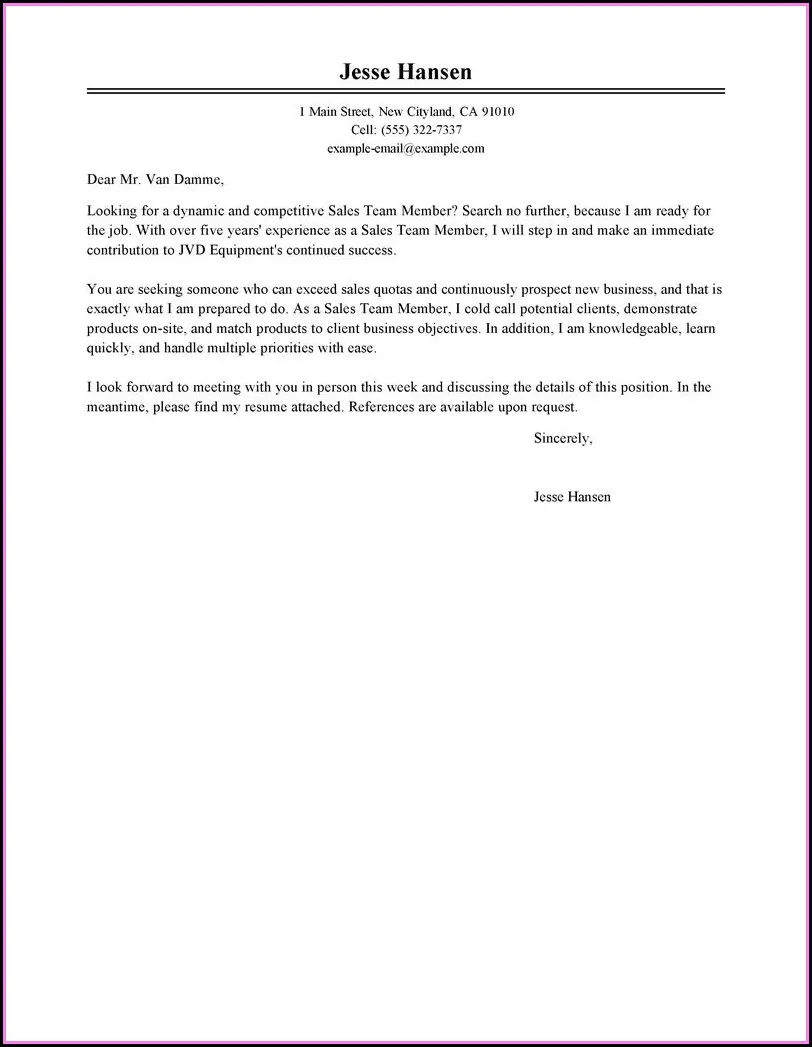
Why a Resume Cover Letter is Crucial
In today’s competitive job market, sending a resume cover letter is not just a formality; it’s a strategic advantage. A well-crafted cover letter serves as your first impression, providing an opportunity to introduce yourself to a potential employer and demonstrate your genuine interest in the position. While your resume provides a snapshot of your qualifications, the cover letter allows you to delve deeper into your skills, experiences, and aspirations, and to communicate your personality, which can significantly influence a hiring manager’s perception of your candidacy. The cover letter personalizes your application, which helps you stand out among the many applicants who are applying for the same position. It sets the stage for your interview and makes your application more attractive.
Crafting a Compelling Resume Cover Letter
Creating a compelling resume cover letter involves careful planning and execution. Begin with a strong opening statement that immediately captures the reader’s attention, expressing your enthusiasm for the specific job and company. Follow this with a concise summary of your key skills and experiences, demonstrating how they align with the job requirements. Be sure to highlight your accomplishments and quantify your achievements whenever possible. This not only shows your capabilities but also presents you as a candidate that is results-oriented. Emphasize your unique value proposition, showcasing what sets you apart from other candidates and why you are the best fit for the role. Keep it concise, ensuring it is no longer than one page, and use a professional tone throughout.
Highlighting Your Skills and Experience

Your resume cover letter is your chance to showcase your skills and experience in a way that directly relates to the job description. Carefully review the job posting and identify the key skills and qualifications the employer is seeking. Then, in your cover letter, provide specific examples of how you have demonstrated these skills in the past. Quantify your achievements whenever possible by using numbers and data to illustrate the impact of your contributions. By providing this information, you are allowing the hiring manager to see the value that you can bring to the company. This will show the hiring manager your success in previous roles and your capability of excelling in the desired role.
Tailoring Your Cover Letter to Each Job
One of the most crucial aspects of a successful resume cover letter is tailoring it to each job application. Generic cover letters are easily identified and often disregarded by hiring managers. Instead, research the company and the specific role you are applying for, and customize your letter to reflect your understanding of their needs and values. Highlight the skills and experiences that are most relevant to the job requirements and use keywords from the job description to demonstrate your suitability. This personalized approach shows that you have taken the time to understand the opportunity and are genuinely interested in the position and the company. If you are unsure what the company stands for, then you can research their mission statement.
Formatting Your Resume Cover Letter
Proper formatting enhances the readability and professionalism of your resume cover letter. Use a clean, easy-to-read font such as Arial or Times New Roman, and maintain a consistent font size throughout the document. Use standard margins and line spacing to create a balanced and visually appealing layout. Break up large blocks of text with headings, bullet points, and white space to improve readability. Include a professional header with your contact information and the date, and address the letter to the hiring manager or the appropriate contact person whenever possible. A well-formatted cover letter demonstrates your attention to detail and professionalism. Ensuring that there are no errors or typos can go a long way to showing how much care you took while sending your resume cover letter.
Proofreading and Editing Your Cover Letter

Before sending your resume cover letter, proofread and edit it meticulously to ensure it is free of errors. Typos, grammatical errors, and inconsistencies can create a negative impression and undermine your credibility. Use a grammar checker and spell-checker to identify potential mistakes, but also read the letter carefully yourself to catch any errors that automated tools may miss. Have a friend, family member, or career advisor review your letter as well, as a fresh pair of eyes can often spot errors that you may have overlooked. Proofreading and editing is a critical step that shows your dedication to ensuring accuracy and polish in your application.
Maximizing Your Cover Letter’s Impact
To maximize the impact of your resume cover letter, focus on highlighting your accomplishments, skills, and experiences in a way that directly addresses the job requirements. Use action verbs to describe your achievements and quantify your results whenever possible. Tailor your letter to each specific job application, demonstrating your understanding of the company and the role. Close with a strong call to action, expressing your enthusiasm for the opportunity and your willingness to discuss your qualifications further in an interview. By following these tips, you can create a compelling cover letter that grabs the hiring manager’s attention and increases your chances of landing an interview. Make sure to express your passion and interest in working for the company, as this will help to set you apart from other candidates.
Cover Letter Submission Best Practices
When submitting your resume cover letter, follow best practices to ensure your application is received and reviewed properly. Always follow the application instructions provided by the employer, whether it’s submitting your cover letter as a separate document or pasting it into an online form. Use a professional email address and subject line when submitting your application via email. If the job posting asks for a specific file format, adhere to those guidelines. If there is no specific guidance, then PDF is usually the best and most versatile format for submitting your cover letter. Double-check all attachments and ensure they are the correct documents before sending your application. Sending your cover letter using the right formatting shows the company that you pay attention to detail and are serious about the opportunity.
Common Cover Letter Mistakes to Avoid

Avoid common mistakes that can hurt your chances of success. Do not use generic templates or copy-and-paste content from other sources. Avoid grammatical errors, typos, and formatting inconsistencies. Do not simply reiterate your resume; instead, provide additional information and highlight your unique qualifications. Avoid overly formal or informal language. Do not be negative or critical of previous employers or experiences. By avoiding these common pitfalls, you can create a compelling cover letter that showcases your strengths and increases your chances of landing an interview.
Following Up After Sending Your Cover Letter
After sending your resume cover letter, consider following up with the hiring manager to reiterate your interest and check on the status of your application. However, be mindful of the company’s application guidelines and timing. If the job posting specifies a timeframe for follow-up, then adhere to it. If no timeframe is specified, then wait about a week or two before sending a brief, polite email. Express your continued interest in the position and reiterate your qualifications, but avoid being overly persistent. Following up can show your enthusiasm and proactive approach, but be respectful of the hiring manager’s time and preferences.