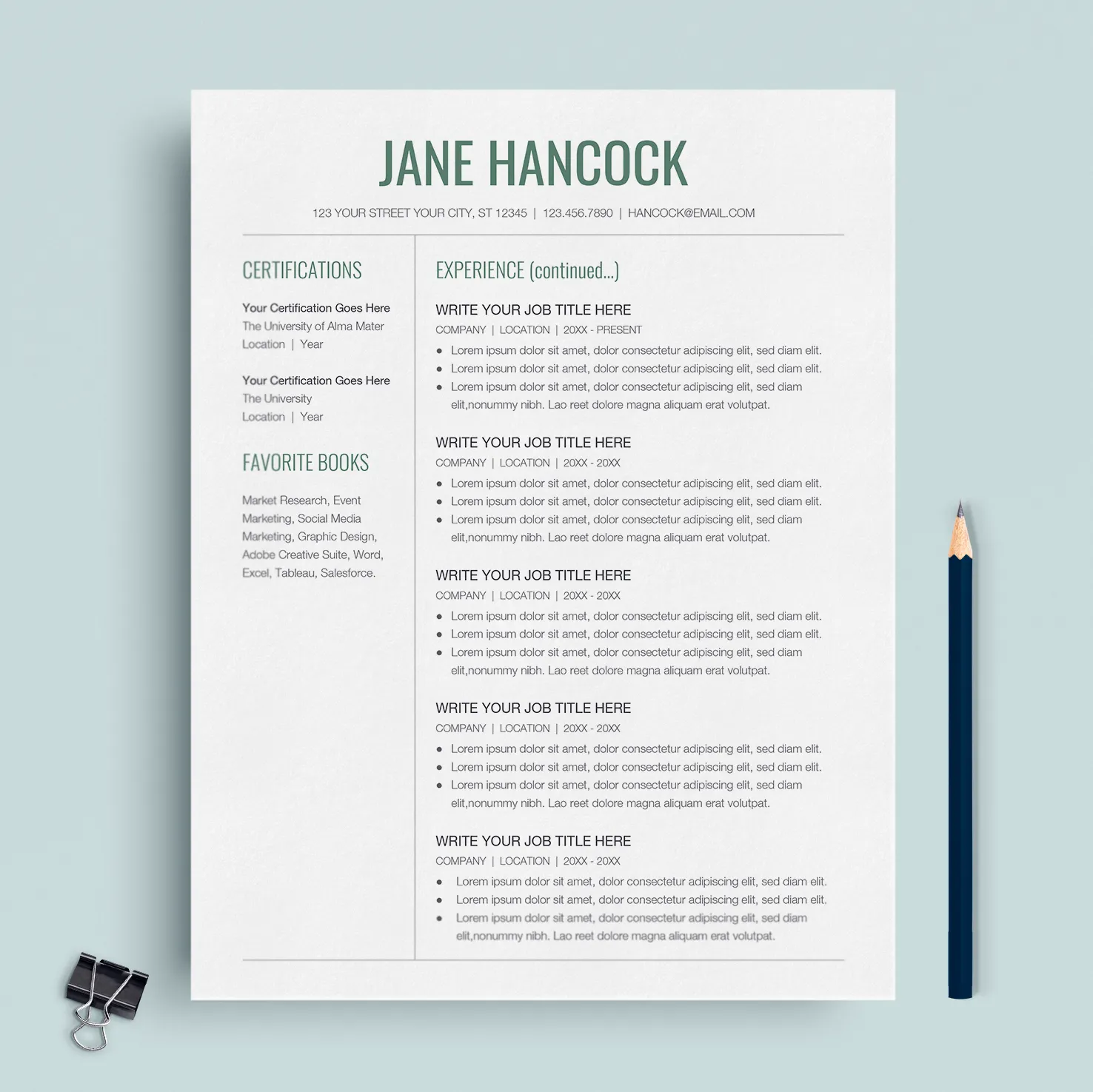
Crafting an Effective Resume Cover Letter
In today’s competitive job market, a well-crafted resume cover letter is no longer optional; it’s essential. It serves as your first impression, offering you the opportunity to introduce yourself to potential employers and showcase your qualifications in a compelling way. A strong cover letter can significantly increase your chances of getting noticed and landing an interview. This guide will walk you through the process of creating an effective resume cover letter that grabs attention and sets you apart from the competition. Whether you’re a seasoned professional or a recent graduate, mastering the art of cover letter writing is a crucial skill for career success.
Understanding the Purpose of a Cover Letter
Before diving into the specifics, it’s important to understand the fundamental purpose of a cover letter. It’s not just a formality; it’s your chance to tell a story about why you’re the perfect fit for the role. It provides context to your resume, allowing you to elaborate on your skills, experiences, and achievements in a way that a resume alone cannot. This is your chance to connect with the hiring manager on a more personal level, demonstrating your enthusiasm, personality, and genuine interest in the company and the position. The cover letter bridges the gap between your qualifications and the employer’s needs, making a strong case for why they should consider you.
Why a Cover Letter Matters

A well-written cover letter sets the tone for your entire application. It’s a chance to personalize your application and demonstrate your knowledge of the company and the specific role. It shows you’ve taken the time to research the company and understand their needs. A cover letter is an opportunity to highlight your skills and experience in a way that’s tailored to the job description. It allows you to address any potential gaps in your resume or explain career transitions. If you’re applying for a job and the description asks for a cover letter, not including one can be an easy way to have your application discarded.
Cover Letter vs. Resume
While your resume provides a detailed summary of your work history and qualifications, your cover letter allows you to expand on those details and make a more personal connection with the hiring manager. Your resume is a factual account, whereas the cover letter is an opportunity to tell your story and show your personality. It is a chance to communicate your enthusiasm for the role, highlight your most relevant skills, and explain how your experience aligns with the company’s needs. You will emphasize your accomplishments, quantify your results whenever possible, and tailor the content to match the specific requirements outlined in the job description. In short, your resume provides the ‘what,’ while your cover letter explains the ‘why’ and the ‘how’.
Essential Components of a Cover Letter
A compelling cover letter comprises several key elements working in harmony to create a lasting impression. These elements include your contact information, a professional greeting, a captivating opening paragraph, compelling body paragraphs highlighting your skills and achievements, an expression of enthusiasm, and a clear call to action. Each component plays a crucial role in telling your story and persuading the reader that you are the ideal candidate for the position. Ensuring each section is clear, concise, and relevant to the job requirements will increase your chances of getting noticed.
Contact Information and Date

Begin your cover letter by including your full name, address, phone number, and email address. Place this information at the top left or right corner of the document. Directly below your contact information, add the date. This ensures the recipient knows when the letter was written and provides a professional start to the document. Keep the formatting consistent with your resume to maintain a cohesive brand. It is important to make it easy for the hiring manager to reach you.
Professional Greeting
Address the hiring manager or the specific person mentioned in the job posting. If you can’t find a specific name, research the company website or LinkedIn to find the hiring manager’s name, or use a general greeting such as ‘Dear Hiring Manager.’ Avoid generic greetings like ‘To Whom It May Concern,’ as they lack personalization. Using the person’s name shows that you have taken the initiative to find out who will be reading the cover letter. This shows your attentiveness to detail and your interest in the position.
Opening Paragraph Grab Attention
The opening paragraph is crucial; it sets the tone and grabs the reader’s attention. State the position you are applying for and how you learned about it. Briefly highlight your most relevant skills or experiences and express your enthusiasm for the opportunity. This is your chance to immediately convey why you are a strong candidate. Ensure your opening is concise, impactful, and clearly communicates your intent. Aim to make the hiring manager want to read the rest of your cover letter.
Highlighting Relevant Skills and Experience

In the body paragraphs, showcase your skills and experience that align with the job requirements. Carefully review the job description and identify the key qualifications the employer is seeking. Provide specific examples from your previous roles that demonstrate those skills. Use action verbs to describe your accomplishments and explain how your skills and experience make you a great fit for the position. Focus on the value you can bring to the company, not just a list of your responsibilities.
Showcasing Achievements and Results
Go beyond simply listing your responsibilities; quantify your achievements. Use data and metrics to demonstrate the impact of your work. For example, instead of saying ‘Managed social media,’ say ‘Increased social media engagement by 30% in six months.’ This approach provides concrete evidence of your capabilities and makes your accomplishments more impactful. Whenever possible, use numbers to illustrate your achievements. This will set you apart from other applicants and help you stand out.
Expressing Enthusiasm and Fit
Show genuine enthusiasm for the company and the position. Explain why you are interested in working for this specific organization. Mention anything that excites you about the role and how your career goals align with the company’s mission. Demonstrate that you have researched the company and understand its values and culture. The goal is to show that you are not just looking for a job but are genuinely interested in contributing to the company’s success.
Call to Action and Closing

End your cover letter with a clear call to action. Express your interest in an interview and provide your contact information. Thank the hiring manager for their time and consideration. Reiterate your enthusiasm for the opportunity and your commitment to the company’s success. Keep your closing concise and professional. A strong call to action will encourage the hiring manager to move forward with your application. Make it easy for them to reach you.
Formatting and Design Best Practices
The formatting and design of your cover letter are just as important as the content. A well-formatted letter is easy to read and visually appealing. Proper formatting shows attention to detail and professionalism. Poorly formatted cover letters can give the impression of carelessness. Taking the time to format your cover letter correctly shows that you have taken the time to prepare your application in a proper manner.
Choosing the Right Font and Size
Choose a professional and readable font, such as Times New Roman, Arial, or Calibri. Stick to a font size between 10 and 12 points. Avoid using overly decorative fonts that can be difficult to read. Ensure the font size is consistent throughout the document. A clean and legible font makes your letter easy to read and allows the hiring manager to focus on your content. This helps showcase your skills and makes your cover letter more attractive.
Maintaining a Clean and Readable Layout

Use a standard business letter format with single spacing and one-inch margins. Ensure there are clear paragraphs with adequate spacing between them. Use bullet points sparingly to highlight key information, but don’t overuse them. Keep the overall layout clean and organized. A well-organized layout ensures your cover letter is easy to scan and read. This helps you communicate your information in the most effective way.
Proofreading and Editing for Errors
Before submitting your cover letter, proofread it carefully for any grammatical errors, spelling mistakes, or typos. Read the document multiple times, and consider having a friend or colleague review it. Errors can damage your credibility and make you appear unprofessional. Ensure that the tone and language of your letter are consistent with your resume. Careful proofreading is essential to ensure you present yourself in the best possible light and leave a positive impression on the hiring manager. Proofreading is essential to make sure that you present yourself professionally.
Customizing Your Cover Letter
Generic cover letters are easily identified and often overlooked. A customized cover letter shows that you have invested time and effort in tailoring your application to the specific role and company. Customization involves researching the company, understanding the job requirements, and highlighting the skills and experiences most relevant to the position. This approach significantly increases your chances of getting noticed and making a positive impression. The goal is to demonstrate that you understand the company’s needs and how you can help address them.
Tailoring to Specific Job Requirements

Carefully review the job description and identify the key requirements and qualifications. Highlight the skills and experiences mentioned in the job description and provide specific examples of how you have demonstrated those skills in your previous roles. Use keywords from the job description throughout your cover letter. The use of keywords helps your application get through the applicant tracking system. Tailoring your cover letter to the specific job requirements shows your attention to detail and ensures your application is relevant.
Researching the Company and Hiring Manager
Research the company’s mission, values, and recent news or projects. This will help you demonstrate your genuine interest in the company. If possible, find the name of the hiring manager and address your cover letter to them directly. Show how your goals align with the company’s goals. Customize your opening paragraph to reflect your knowledge of the company. Mention specific projects, initiatives, or accomplishments of the company that resonate with you. This level of detail sets you apart and demonstrates your interest in the position and organization.
Using Keywords from the Job Description
Many companies use Applicant Tracking Systems (ATS) to screen resumes and cover letters. Incorporate relevant keywords from the job description into your cover letter to ensure your application gets noticed. Analyze the job posting and identify the key skills, qualifications, and requirements. Use those keywords naturally throughout your cover letter. By using the right keywords, your application will be more likely to pass through the ATS and be seen by a human reader.
Avoiding Common Cover Letter Mistakes
Even a well-written cover letter can be undermined by common mistakes. Awareness of these pitfalls allows you to avoid them and ensure your letter enhances your application. The most common mistakes include using generic cover letters, focusing too much on yourself, repeating information from your resume, and ignoring application instructions. Avoiding these errors ensures your cover letter makes a positive impression.
Generic Cover Letters
Avoid using a generic cover letter template. Generic cover letters don’t show that you’ve put in the time to understand the requirements of the role and the values of the company. These are easily identified and often discarded. Tailor your cover letter to each specific job application. Show that you understand the company’s needs and why you’re the best fit. Customize your cover letter to the specific role you are applying for. Demonstrating your understanding of the company helps you stand out.
Focusing on Yourself Too Much
While showcasing your skills and achievements is essential, don’t make the letter all about you. Instead, focus on how your skills and experiences can benefit the company. Demonstrate how you can contribute to their goals. Explain how your accomplishments align with the company’s needs and make a positive impact. Instead of saying what you want, focus on what you can offer the employer. This approach shows that you are a valuable asset to their team.
Repeating Information from Your Resume
Your cover letter should complement your resume, not duplicate it. Avoid simply restating the information in your resume. Instead, use the cover letter to elaborate on your skills and experiences and provide context. Use the cover letter to tell a story and demonstrate why you’re a good fit for the position. Offer a more in-depth explanation of your achievements and their relevance to the role. Focus on the “why” behind your experiences, not just the “what”.
Ignoring the Application Instructions
Always carefully read and follow the application instructions. If the job posting asks for a cover letter, include one. Pay attention to any specific formatting or content requirements. Following the instructions shows your attention to detail and your respect for the employer’s requirements. Not following instructions can lead to immediate rejection. Making sure you adhere to the instructions shows that you pay attention to details. Ensure you have a chance to make a positive impression.
Examples of Strong Cover Letters
Reviewing examples of well-written cover letters can provide inspiration and guidance. Here are some examples that highlight different approaches and styles, showing you how to effectively communicate your qualifications and enthusiasm.
Cover Letter Example 1
Dear [Hiring Manager Name], I am writing to express my keen interest in the Marketing Manager position at [Company Name], as advertised on [Platform]. With five years of experience in marketing, particularly in content creation and digital strategy, I am confident I can significantly contribute to your team’s success. In my previous role at [Previous Company], I successfully increased website traffic by 40% through the implementation of SEO strategies and compelling content. I am impressed by [Company Name]’s recent campaign on [mention specific campaign] and believe my skills align perfectly with your marketing objectives. I am eager to learn more about this opportunity and discuss how I can support [Company Name]’s goals. Thank you for your time and consideration. Sincerely, [Your Name]
Cover Letter Example 2
Dear [Hiring Manager Name], I am excited to apply for the Software Engineer position at [Company Name], as seen on [Platform]. My background in software development, with a focus on Java and Python, aligns well with the requirements outlined in the job description. I have a proven track record of developing and implementing efficient and scalable software solutions. In my previous role, I led a team that developed a new platform. I am confident in my abilities to make a valuable contribution to your team. I am impressed by your company’s work. I am looking forward to hearing from you. Thank you, [Your Name]
Cover Letter Example 3
Dear [Hiring Manager Name], I am writing to express my interest in the Project Manager position at [Company Name]. Having been in the field of project management for several years, my experience aligns well with the need for a great project manager. In my previous role, I have successfully delivered projects on time and under budget. I have successfully managed several projects with cross-functional teams. I am drawn to [Company Name]’s commitment to innovation and believe my skills and experience would be a valuable asset. I am looking forward to discussing my experience. Thank you, [Your Name]