Cover Letter Essentials for Your Resume
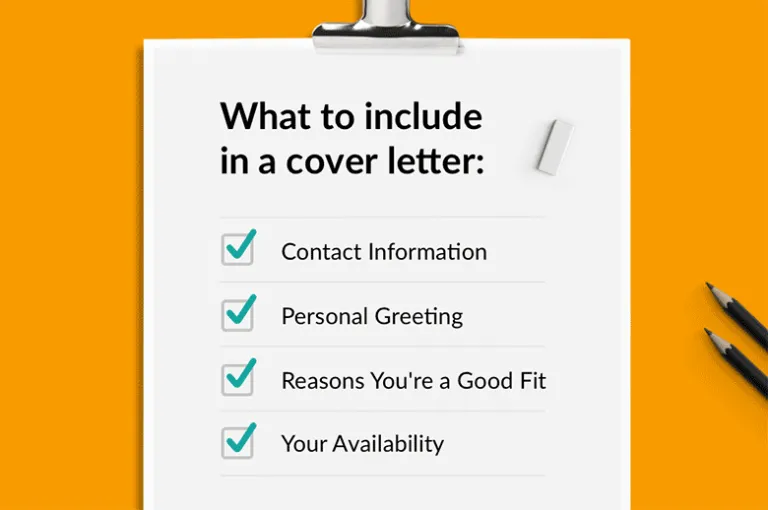
A well-crafted cover letter is your first opportunity to make a strong impression on a potential employer. It serves as a personal introduction, complementing your resume by providing context, highlighting your skills, and expressing your interest in the specific role and company. Think of it as a gateway to an interview, a chance to differentiate yourself from other applicants. The essential components of a cover letter include a professional header with your contact information, the date, and the recipient’s details. A concise and compelling opening paragraph stating the position you’re applying for and where you found the job listing is crucial. The body of the letter should showcase your relevant skills and experiences, demonstrating how you align with the job requirements. Finally, a strong closing paragraph reiterating your interest and including a call to action, such as expressing your availability for an interview, completes the package. Neglecting any of these elements can weaken your application and reduce your chances of securing an interview.
Highlighting Your Key Skills
Your cover letter is the perfect space to spotlight your most relevant skills and how they align with the job description. Don’t just list your skills; provide specific examples of how you’ve utilized them to achieve positive outcomes in previous roles or projects. For example, if the job requires project management skills, detail a specific project where you successfully managed a team, met deadlines, and stayed within budget. If strong communication is a key requirement, give an instance where your communication skills led to a successful presentation, improved client relations, or resolved a conflict. Quantify your achievements whenever possible using numbers or data to demonstrate your impact. This approach not only shows that you possess the skills but also that you have a proven track record of using them effectively. This helps the hiring manager visualize your potential contributions to their team and organization. Remember to use keywords from the job description to increase the chances of your cover letter passing through Applicant Tracking Systems (ATS).
Tailoring Your Cover Letter

Generic cover letters rarely impress hiring managers. Tailoring your cover letter to each specific job application is a critical step in the job search process. This means carefully reviewing the job description and identifying the key requirements and qualifications the employer is seeking. Then, customize your letter to directly address those needs. This may involve adjusting the language you use, emphasizing specific experiences and skills, and highlighting how your qualifications align with the company’s values and goals. Researching the company before writing your cover letter can provide valuable insights into their culture, mission, and recent projects. This information allows you to demonstrate your genuine interest in the organization and show how you can contribute to their success. Tailoring your letter shows the hiring manager that you have taken the time to understand their needs and that you are genuinely interested in the opportunity, increasing your chances of being considered.
Showcasing Your Achievements
Instead of merely listing your responsibilities, use your cover letter to showcase your achievements. Quantify your accomplishments whenever possible. For example, instead of writing “Managed social media accounts,” write “Increased social media engagement by 30% in six months.” Use the STAR method (Situation, Task, Action, Result) to structure your examples and provide a clear narrative. Describe the situation you were in, the task you needed to complete, the actions you took, and the positive results you achieved. This approach gives the hiring manager a clear picture of your capabilities and the value you can bring to their team. Highlighting achievements demonstrates your ability to solve problems, drive results, and contribute to the success of an organization. Focusing on accomplishments also helps to set you apart from other candidates who may only list their responsibilities without providing evidence of their impact.
Proper Formatting and Tone
The format and tone of your cover letter are just as important as the content. A professional and well-formatted cover letter demonstrates attention to detail and respect for the reader. Use a standard business letter format, including a clear header with your contact information, the date, and the recipient’s details. Maintain a professional and confident tone throughout the letter, avoiding slang, jargon, or overly casual language. Proofread your letter carefully for any grammatical errors or typos, as these can create a negative impression. Keep your paragraphs concise and focused, making it easy for the reader to understand your key points. Use a readable font, such as Times New Roman, Arial, or Calibri, and ensure that your letter is well-organized with clear headings and subheadings. Proper formatting and tone contribute to the overall professionalism of your application and increase your chances of making a positive impression on the hiring manager.
Call to Action and Closing

Your cover letter should always conclude with a clear call to action and a professional closing. The call to action should explicitly state your interest in an interview and indicate your availability. For example, you could write, “I am eager to discuss my qualifications further and am available for an interview at your earliest convenience.” Avoid simply stating that you are looking forward to hearing from them; be proactive. Show enthusiasm and initiative. Express your gratitude to the hiring manager for their time and consideration. Use a professional closing, such as “Sincerely,” “Best regards,” or “Thank you,” followed by your full name. Ensure your contact information is easily accessible, so the hiring manager can easily reach you. A strong closing leaves a positive final impression and encourages the hiring manager to take the next step in the hiring process.