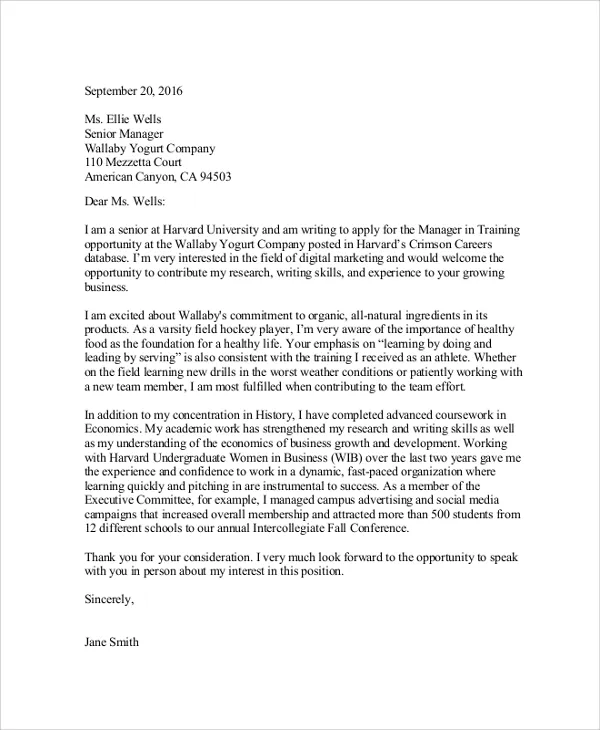
What is a Resume Cover Letter?
A resume cover letter is a crucial document accompanying your resume when applying for jobs. It’s your first chance to introduce yourself to a potential employer and make a strong impression. Unlike a resume, which provides a summary of your skills and experience, a cover letter allows you to elaborate on your qualifications, express your interest in the specific role and company, and showcase your personality. It serves as a narrative, connecting your skills with the requirements of the job and explaining why you are the perfect fit. A well-crafted cover letter can significantly increase your chances of landing an interview. It’s a formal introduction, showcasing your professionalism and writing abilities.
Why are Cover Letters Important?
Cover letters provide an opportunity to personalize your application and demonstrate genuine interest in the role and company. They give you the chance to tell a story about your career, highlighting your accomplishments and explaining why you’re a good match for the position. A cover letter allows you to show enthusiasm, which is often difficult to convey in a resume. Furthermore, it demonstrates your communication skills, organizational abilities, and attention to detail. Many employers consider cover letters essential, as they offer valuable insights into your personality and suitability that a resume alone cannot. Ignoring this step could mean missing out on opportunities.
Key Elements of a Great Cover Letter

A great cover letter combines several key elements that work together to create a compelling document. A well-structured letter captures the reader’s attention from the start and keeps them engaged throughout. It needs to be concise, typically no more than one page, and filled with relevant information. Ensure your letter is tailored to the specific job and company, rather than using a generic template. Always highlight your most relevant skills and experiences, backing them up with concrete examples and quantifiable results. Finally, a strong cover letter concludes with a clear call to action, encouraging the employer to review your resume and contact you for an interview.
Header and Contact Information
Start with a professional header that includes your name, contact information (phone number, email address, and LinkedIn profile URL), and the date. This ensures the hiring manager can easily reach you. Also, include the hiring manager’s name and job title and the company’s address. Proper formatting and attention to detail in this initial section set the tone for the rest of the letter, demonstrating your professionalism and organizational skills. Accuracy here is vital; a misplaced email address or phone number could mean you miss out on an opportunity. The header should be neatly organized and easy to read.
Greeting the Hiring Manager
The greeting should be formal and personalized. Always address the hiring manager by name if possible. Research the company’s website, LinkedIn, or other resources to find the correct name. If you cannot find the hiring manager’s name, use a professional greeting like “Dear Hiring Manager” or “Dear [Department Name] Team”. Avoid generic greetings like “To Whom It May Concern” as they suggest a lack of effort and attention to detail. Using the hiring manager’s name shows that you’ve put in extra effort and are genuinely interested in the position. A personalized greeting can set a positive tone from the outset.
Crafting a Compelling Opening Paragraph

Your opening paragraph is your chance to grab the reader’s attention. Start by clearly stating the position you are applying for and where you saw the job posting. Briefly mention why you are interested in the role and the company. Ideally, highlight a key skill or experience that aligns directly with the job requirements. This paragraph is crucial for making a strong first impression and encouraging the hiring manager to read the rest of your letter. Keep it concise and focused, setting the stage for the detailed information that follows. A strong opening should immediately address the needs of the employer and demonstrate your understanding of the role.
Highlighting Relevant Skills and Experience
The main body of your cover letter should highlight your relevant skills and experiences. Review the job description carefully and identify the key requirements. Provide specific examples of how your past experiences have prepared you to meet those requirements. Use action verbs to describe your accomplishments, such as “managed,” “developed,” “led,” and “achieved.” Tailor the content to match the job description. It’s essential to provide evidence that you possess the skills and knowledge needed to succeed in the role. Focus on quality over quantity; choose the experiences that best demonstrate your abilities and impact.
Quantifying Achievements with Data
Whenever possible, quantify your achievements with data and metrics. Instead of saying you improved sales, state that you “increased sales by 15% within six months.” Such specifics demonstrate your impact and make your claims more credible. Use numbers, percentages, and specific outcomes to illustrate your successes. This data-driven approach helps the hiring manager quickly understand the value you bring to the table. Providing measurable results makes your cover letter more persuasive and shows that you can deliver tangible results. Including concrete achievements sets you apart.
Tailoring Your Letter to the Job

Each cover letter should be customized for the specific job and company you are applying to. Avoid using a generic template that could be used for any position. Research the company’s mission, values, and culture. Show that you understand the company’s goals and how your skills align with those goals. Mentioning specific projects, products, or initiatives can help show your genuine interest. Personalization demonstrates that you’ve invested time and effort in your application. A tailored letter will make you stand out among applicants who are using the same cover letter for every job.
Showing Enthusiasm for the Company
Demonstrate your genuine enthusiasm for the company by researching its recent news, projects, and accomplishments. Show that you understand their mission, values, and industry position. Mention specific reasons why you are excited about the opportunity and how you can contribute to the company’s success. Expressing your excitement helps build a connection with the hiring manager and shows that you are genuinely interested in the role. Demonstrate your eagerness to be a part of their team. Referencing specific company initiatives or values in your cover letter helps illustrate a good fit.
Proper Formatting and Tone
Maintain a professional tone throughout your cover letter. Use clear and concise language, avoiding jargon or overly complex sentences. Keep the letter concise, typically one page. Use a standard, easy-to-read font like Times New Roman, Arial, or Calibri, with a font size between 10 and 12 points. Use proper grammar, punctuation, and spelling. Ensure the formatting is consistent and visually appealing, with adequate spacing between paragraphs. A clean and well-formatted cover letter conveys professionalism and attention to detail.
Proofreading and Editing

Proofreading is a critical step. Before submitting your cover letter, meticulously check for any grammatical errors, spelling mistakes, or typos. Have a friend or colleague review it, as a fresh pair of eyes can often catch errors you might miss. Read the cover letter aloud to identify any awkward phrasing or sentence structure. Make sure the content is clear, concise, and effectively conveys your qualifications. Correcting mistakes ensures a professional impression and demonstrates your commitment to quality. Double-check all names, titles, and contact information for accuracy.
Call to Action and Closing
Conclude your cover letter with a clear call to action. Express your interest in an interview and thank the hiring manager for their time and consideration. Reiterate your enthusiasm for the position and the company. Include a polite closing, such as “Sincerely,” “Best regards,” or “Thank you.” Your closing should be professional and leave a positive lasting impression. End with your full name and signature (if submitting a hard copy or a PDF). A well-structured closing ensures a positive and memorable impression.
Examples of Effective Cover Letters
Reviewing examples of successful cover letters can give you a clear idea of how to structure your own. Many online resources provide cover letter templates and examples tailored to various industries and job types. Pay attention to how these examples highlight skills, quantify achievements, and show enthusiasm. Analyze the language, formatting, and overall tone used in these letters. You can learn the best practices from successful examples by modifying them to fit your personal background and experience. Consider looking up resume cover letter examples for jobs to get an idea.
Cover Letter Example for Entry-Level Positions

For entry-level positions, focus on your academic achievements, relevant coursework, internships, volunteer experiences, and transferable skills. Highlight any projects or activities that demonstrate your abilities and potential. Express your eagerness to learn and contribute to the company. In your cover letter, address the skills and traits the employer is looking for, such as communication, teamwork, and problem-solving. Tailor the letter to show your enthusiasm for the role and the company. This should indicate that you are ready to begin the job.
Cover Letter Example for Mid-Career Professionals
Mid-career professionals should emphasize their significant work experience and accomplishments. Provide specific examples of how you’ve solved problems, led teams, and achieved results. Show how your skills and experience align with the job requirements and the company’s objectives. Quantify your achievements to demonstrate your value. Focus on the impact of your work. Emphasize leadership abilities and any contributions. Ensure your past experience demonstrates your suitability for this role. Also, highlight any training and development courses.
Cover Letter Example for Career Changers
Career changers must emphasize transferable skills and explain why they are pursuing this new career path. Highlight relevant skills and experiences from your previous roles that align with the new job’s requirements. Explain your interest in the new field and why you’re making the transition. Provide examples of how you’ve acquired the necessary skills and knowledge, such as through training, courses, or self-study. Tailor the letter to the new industry and demonstrate a genuine interest in the role. Show the hiring manager why your experience is relevant to their goals.
Common Mistakes to Avoid

Avoid common pitfalls to ensure your cover letter is effective. A well-crafted cover letter must avoid the following mistakes, which can undermine your application and give the wrong impression to the hiring manager. These can hinder your chances of getting an interview.
Using Generic Language
Avoid using generic, vague language that could apply to any job. Instead, use specific examples and tailored statements that demonstrate your unique qualifications and understanding of the role and the company. Generic phrases show a lack of effort and diminish your impact. Show your personal involvement in a certain field. Ensure that your language reflects your skills and understanding of the specific role. Replace vague expressions with concrete examples and precise language.
Focusing on Yourself Too Much
While it’s important to showcase your skills and experiences, avoid making the cover letter entirely about yourself. Balance your self-promotion with a focus on the company’s needs and how you can contribute to their success. Tailor your language to align with the job requirements. A hiring manager is interested in how you can help them and the company, not just what you’ve done in the past. Shift the focus of your cover letter to the employer and show your contribution to their goals. Focus on benefits for the company.
Typos and Grammatical Errors
Typos and grammatical errors can create a negative impression and make you look careless. Proofread your cover letter carefully before submitting it. Check for spelling mistakes, grammatical errors, and punctuation issues. Have someone else review your letter, as a fresh pair of eyes can often catch errors you might miss. Even a small mistake can detract from the quality of your application. Thoroughly proofread your cover letter to ensure it’s professional and polished.
Not Tailoring the Letter
Sending a generic cover letter without tailoring it to the specific job and company shows a lack of effort. Always customize your cover letter to highlight the skills and experiences most relevant to the role. Research the company and its values and address how your skills align. Mention the specific job title. Demonstrate your genuine interest in the position. Each cover letter needs to be unique, depending on the job requirements. Make sure the content aligns with the specific company.
Tips for Success
Follow these tips to increase your chances of success. A well-crafted and strategic cover letter will make you stand out from the competition. Ensure you provide relevant information while avoiding common errors.
Researching the Company
Research the company before writing your cover letter. Visit their website, review their social media profiles, and read any recent news or press releases. This research will help you understand the company’s mission, values, and culture, allowing you to tailor your letter more effectively. Demonstrate your knowledge by mentioning specific aspects of the company that interest you and how you can contribute to their goals. This research will help you demonstrate a genuine interest in the company.
Using Keywords Strategically
Incorporate keywords from the job description into your cover letter. Use these keywords naturally to showcase your relevant skills and experiences. Keywords help the applicant tracking systems (ATS) identify your application. Be careful not to overuse keywords to avoid sounding unnatural or robotic. Integrate the relevant keywords throughout your letter. This helps your application stand out to both humans and automated systems.
Following Up After Submission
After submitting your cover letter and resume, follow up with the hiring manager or recruiter. Send a brief email expressing your continued interest in the position and asking about the status of your application. Follow up within a week or two of submitting your application. This shows your enthusiasm and initiative. Do not be too persistent; a single follow-up email is typically sufficient. This helps keep your application top-of-mind and demonstrates your strong interest.