What is a Recommendation Letter?
A recommendation letter, also known as a letter of recommendation or a cover letter of recommendation, is a written document that assesses the qualities and capabilities of a person, often a former employee, student, or colleague. This letter serves as an endorsement, providing insights into the individual’s character, skills, and accomplishments. It’s a crucial tool in various scenarios, including job applications, educational admissions, and volunteer opportunities. A well-written recommendation letter can significantly influence the recipient’s decision, making it an essential part of the application process. The primary goal is to offer a positive evaluation based on your experience with the individual, offering credible evidence that supports the claims you make.
Understanding the Purpose of a Recommendation Letter
The primary purpose of a recommendation letter is to provide a third-party perspective on an individual’s qualifications and suitability for a specific opportunity. It validates the candidate’s claims, offering concrete examples of their abilities and character. These letters help employers, admissions committees, or volunteer organizations gain a more comprehensive understanding of the candidate. By sharing personal experiences and observations, the recommender offers valuable insights that might not be evident from a resume or application alone. The intent is to support the candidate, highlighting their strengths and potential while offering a professional assessment of their suitability for the role or program.
Key Components of a Cover Letter of Recommendation

A strong cover letter of recommendation is built on several key components, ensuring clarity, credibility, and impact. These components work together to create a compelling endorsement of the candidate. A well-structured letter guides the reader through a clear and concise presentation of the candidate’s strengths and potential. It’s essential to include all necessary details to make the recommendation effective and persuasive. The structure allows the reader to easily understand the information and its relevance. Below we will cover each of these components in detail.
Your Contact Information
Start with your contact information at the top of the letter. Include your full name, job title (if applicable), company or institution, phone number, and email address. This allows the recipient to easily contact you for further information or clarification. Ensure that your contact information is accurate and up-to-date. Using a professional email address is also recommended. Providing your contact details demonstrates your willingness to stand behind your recommendation and offer support to the candidate.
Recipient’s Contact Information
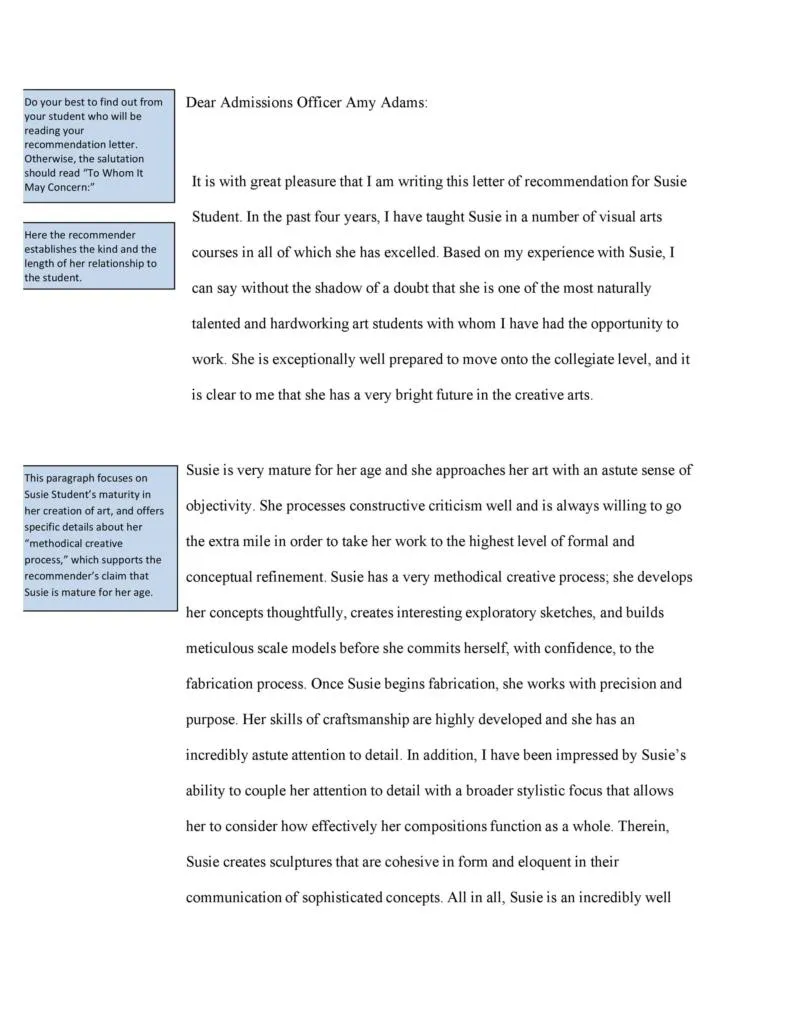
Address the letter to the appropriate person or department. Include the recipient’s name, job title, company or institution, and address. If you are uncertain of the recipient’s name, try to find out by contacting the candidate or the organization. This is not always possible, so you can use a general greeting such as “To Whom It May Concern.” Addressing the letter to a specific person shows that you have taken the time to personalize it and is more likely to capture their attention. Ensure you have the correct information before sending the letter.
The Opening Paragraph

Begin the letter with a clear statement of the purpose. State that you are writing a recommendation for the candidate and the position or opportunity they are seeking. Specify the capacity in which you know the candidate. This sets the stage for your recommendation and provides context for the reader. Use a formal and respectful tone, and mention your enthusiasm for writing the letter. This initial paragraph establishes your credibility and signals the positive nature of the recommendation.
Stating Your Relationship with the Candidate
Clearly explain how you know the candidate and the duration of your relationship. Specify your role, such as supervisor, professor, or colleague, and the context of your interaction. For example, you might state, “I was [candidate’s name]’s direct supervisor at [company name] for three years.” The more specific you are, the more credible your recommendation will be. This section establishes your basis for evaluating the candidate and assures the reader of your familiarity with their work and character. This is an important element of any cover letter of recommendation.
Highlighting the Candidate’s Strengths
Identify the candidate’s key strengths and qualities relevant to the opportunity. Focus on skills, attributes, and achievements that align with the requirements. Tailor your comments to the specific role or program they are applying for, emphasizing qualities such as leadership, communication, problem-solving, or technical expertise. Mention specific examples of their performance, using strong descriptive language. This section forms the core of your recommendation, showcasing the candidate’s value and potential. Make sure to use concrete examples.
Providing Specific Examples and Anecdotes

Support your statements with specific examples and anecdotes that illustrate the candidate’s strengths. Instead of simply stating that the candidate is a good communicator, provide an instance where they effectively delivered a presentation or resolved a conflict through clear communication. These examples make your recommendation more credible and memorable, giving the reader a deeper understanding of the candidate’s abilities. The more specific you are, the more compelling your recommendation will be. These anecdotes add a personal touch and show your genuine endorsement.
Quantifying Achievements (If Possible)
Whenever possible, quantify the candidate’s achievements. Use numbers and data to illustrate their impact. For example, you might state, “During her tenure, she increased sales by 15%.” Quantifying achievements adds credibility and demonstrates the tangible results the candidate has achieved. This approach helps the reader understand the candidate’s value in concrete terms. Numbers are very important when writing a cover letter of recommendation.
Expressing Your Enthusiasm
Convey your enthusiasm for the candidate and their potential. Clearly state your confidence in their ability to succeed in the role or program. A sincere and enthusiastic endorsement can significantly influence the recipient’s decision. Express your willingness to recommend the candidate without reservation. This enthusiasm makes your recommendation more persuasive and memorable. Adding genuine enthusiasm adds a personal touch to your cover letter of recommendation.
The Closing Paragraph

Summarize your recommendation and reiterate your support for the candidate. Reiterate your overall assessment of the candidate’s suitability for the opportunity. End with a strong statement of support, such as, “I highly recommend [candidate’s name] without reservation.” The closing paragraph should leave a lasting positive impression. This conclusion reinforces your positive assessment and reinforces the strength of your recommendation.
Offering Contact Information
Provide your contact information again in the closing, offering to answer any further questions. Include your phone number and email address, and state that you are available to provide more information. This offer demonstrates your commitment to supporting the candidate and helps the recipient to gather further information. This open line of communication adds a layer of credibility to your recommendation. The availability to discuss the candidate is a very strong indication of your belief in their potential.
Thanking the Reader
Thank the reader for their time and consideration. Express your appreciation for their attention and willingness to review your recommendation. This shows courtesy and professionalism and reinforces the positive tone of the letter. A simple expression of gratitude is a polite way to conclude your letter. This is an important element of a cover letter of recommendation.
Proofreading and Editing Your Letter

Before sending your letter, proofread and edit it carefully. Check for any grammatical errors, typos, or inconsistencies. Ensure the letter flows smoothly and makes logical sense. Have someone else review your letter for a fresh perspective. A well-written and error-free letter reflects positively on both you and the candidate. Proofreading ensures that your recommendation is professional and polished. This will make your cover letter of recommendation more impactful.
Tips for a Strong Recommendation
To write a strong recommendation, focus on several key tips. By following these guidelines, you can ensure your letter is impactful and effective. These tips will help you create a compelling and persuasive recommendation.
Maintaining a Professional Tone
Always maintain a professional and formal tone throughout the letter. Avoid slang, informal language, or overly casual expressions. Use clear, concise language and focus on providing objective assessments. The tone should reflect respect for the recipient and the seriousness of the recommendation. This tone demonstrates credibility and reinforces the importance of the recommendation. You should try to make sure that your cover letter of recommendation follows this key principle.
Keeping It Concise and Focused

Keep your letter concise and focused. Avoid including irrelevant information or lengthy descriptions. Stick to the most important points and the skills and qualities that are relevant to the opportunity. A shorter, well-crafted letter is more likely to be read and appreciated. Focus on the key aspects of the candidate’s qualifications. A concise letter is more effective and easier to understand.
Tailoring the Letter to the Specific Opportunity
Tailor your recommendation to the specific opportunity. Customize your letter to match the requirements of the job or program. Highlight the skills, experience, and attributes that are most relevant to the position. This customization shows that you have carefully considered the candidate’s qualifications and makes your recommendation more impactful. Addressing the specific opportunity adds value to your cover letter of recommendation.
Avoiding Clichés and Generic Statements
Avoid using clichés and generic statements. Instead, provide specific examples and anecdotes that demonstrate the candidate’s skills and qualities. Use vivid language and offer a personal perspective. Generic statements diminish the impact of your recommendation, making it sound less sincere. Unique and specific content makes your recommendation more memorable and persuasive. Try your best to avoid these during the writing process.
Common Mistakes to Avoid
There are several common mistakes to avoid when writing a recommendation letter. Avoiding these pitfalls will ensure your letter is effective and credible. Understanding these mistakes will help you write a stronger cover letter of recommendation.
Writing a Letter Without Sufficient Information
Do not write a recommendation letter if you do not have sufficient information about the candidate. This will make your recommendation less credible and less valuable. A recommendation based on limited knowledge is unlikely to be persuasive. The lack of sufficient information can make your recommendation seem weak and insincere. If you do not know enough about the person, then politely decline to write the letter.
Being Dishonest or Exaggerating
Never be dishonest or exaggerate the candidate’s qualifications. Provide an honest and accurate assessment of their skills and abilities. Exaggerations can damage your credibility and undermine the candidate’s chances. Honesty builds trust and makes your recommendation more believable. Being dishonest reflects poorly on both you and the candidate.
Neglecting Proofreading
Always proofread and edit your letter carefully. Neglecting proofreading can lead to grammatical errors, typos, and inconsistencies, which can detract from the overall impact of your recommendation. A letter with errors suggests a lack of attention to detail and professionalism. Thorough proofreading ensures that your recommendation is polished and credible. This is a very important step when writing a cover letter of recommendation.
Examples of Cover Letters of Recommendation
Here are a few examples of cover letters of recommendation for different scenarios. Use these examples to guide your writing and adapt them to your specific needs. Keep in mind that each situation is unique, so make sure to tailor your letter to the specific candidate and opportunity. Reviewing these examples will help you better understand the format and content of a good cover letter of recommendation.
Recommendation Letter for a Job
A job recommendation letter focuses on the candidate’s professional skills, work ethic, and relevant experience. Highlight the candidate’s abilities and how they align with the job requirements. Provide specific examples of their accomplishments and contributions. Tailor the letter to the specific job description, emphasizing the qualities that are most relevant to the position. For a cover letter of recommendation, you will need to highlight the qualities specific to the job.
Recommendation Letter for Education
An education recommendation letter assesses the candidate’s academic abilities, character, and potential for success in an educational setting. Focus on their intellectual curiosity, work ethic, and contributions to the learning environment. Provide examples of their academic achievements, participation in extracurricular activities, and any special talents or skills they possess. Highlight how their skills and experience align with the specific educational program. For any cover letter of recommendation, you will need to highlight the relevant qualities.
Recommendation Letter for Volunteer Work
A volunteer work recommendation letter focuses on the candidate’s character, reliability, and commitment to helping others. Highlight their compassion, dedication, and any relevant skills or experiences. Provide examples of their volunteer work, community involvement, and their ability to work with others. Emphasize how their skills and character make them suitable for volunteer opportunities. Focus on the important traits for the organization, which is required for any cover letter of recommendation.
Conclusion
Writing a strong recommendation letter is a valuable skill that can significantly impact someone’s future opportunities. By following these guidelines, you can craft a compelling and effective endorsement that highlights the candidate’s strengths and potential. Remember to be specific, honest, and enthusiastic in your assessment. A well-written recommendation can make a real difference in the candidate’s journey. A cover letter of recommendation is a very important tool.