Crafting Your Photography Job Cover Letter
A well-crafted photography job cover letter is your first impression and a crucial element in landing your dream job. It’s not just a formality, but a powerful tool to showcase your skills, experience, and passion for photography. This guide provides the steps to create a cover letter that captures the attention of potential employers and sets you apart from other candidates. Remember, your cover letter is an advertisement for your talents, so make it count. By following these guidelines, you’ll greatly increase your chances of getting an interview and ultimately, the job.
Understanding the Importance of a Cover Letter
The photography job cover letter serves as a personal introduction, complementing your resume by providing context and showcasing your personality. It’s your opportunity to explain why you’re the perfect fit for the specific role and company. Unlike a resume, a cover letter allows you to tell a story, highlighting how your skills and experience align with the job requirements. It provides space to express your enthusiasm for the opportunity and demonstrate your understanding of the company’s needs. A well-written cover letter can significantly enhance your application and increase your chances of securing an interview.
Highlighting Your Photography Skills

In your photography cover letter, clearly and concisely highlight your technical and creative skills. Mention your proficiency with various camera equipment, such as DSLR cameras, mirrorless cameras, or specialized lenses. Detail your expertise in photo editing software, including Adobe Photoshop, Lightroom, or Capture One. Don’t just list skills; provide examples of how you’ve used them to achieve specific results. For instance, ‘Proficient in Adobe Photoshop, I enhanced the colors and composition of landscape photos, which led to a 20% increase in print sales.’ Show, don’t just tell, the value you bring to the table.
Showcasing Your Relevant Experience
Your experience is a key element of your photography job cover letter. Describe your previous photography projects, internships, or freelance work, emphasizing the impact of your contributions. Quantify your achievements whenever possible; instead of saying ‘Managed social media for a photography business,’ state ‘Increased Instagram followers by 30% in six months through engaging content.’ Tailor your examples to the specific job requirements, showcasing your ability to handle the responsibilities outlined in the job description. Highlight any relevant experiences such as assisting on photoshoots, managing photography projects, or working with clients.
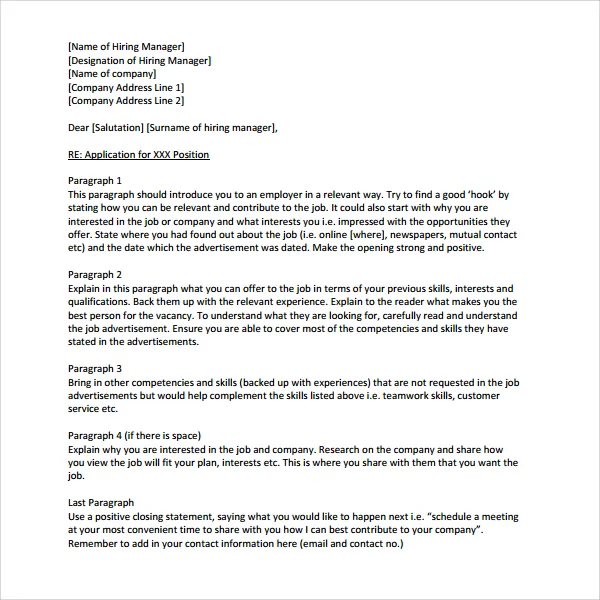
Formatting Your Photography Cover Letter
Contact Information and Header

Begin your photography job cover letter with your contact information at the top, including your full name, phone number, email address, and optionally, your LinkedIn profile URL or website. Following this, include the date and the employer’s contact information (name, title, company, address). Make sure your contact information is easily accessible, so employers can quickly get in touch with you. Use a professional-looking font like Arial, Calibri, or Times New Roman in a readable size (11 or 12 points) throughout the letter. This ensures your cover letter is both informative and visually appealing.
Opening and Introduction
Your opening paragraph is your first chance to grab the reader’s attention. Start by clearly stating the position you’re applying for and where you found the job posting. Immediately convey your enthusiasm for the opportunity and the company. Briefly mention a key skill or achievement that aligns with the job requirements to create an immediate impact. For example, ‘I am writing to express my keen interest in the Photography Assistant position advertised on [Platform]. With my proven ability to capture stunning images and manage complex photoshoots, I am confident I can significantly contribute to your team.’ Keep it concise, impactful, and relevant.
Body Paragraphs for Impact
The body of your cover letter should provide detailed information about your skills, experience, and how they align with the job. Use specific examples to demonstrate your capabilities. For each key skill or experience, describe the situation, the actions you took, and the results you achieved. Quantify your achievements whenever possible. For example, “During my internship, I assisted in over 50 photoshoots, improving workflow efficiency by 15%.” Focus on the employer’s needs and explain how you can meet them, using keywords from the job description to show relevance.
The Closing and Call to Action

In your closing paragraph, reiterate your interest in the position and the company. Summarize your key qualifications and express your enthusiasm for an interview. Make it clear how your skills and experience align with their needs. Include a call to action, such as, ‘I am eager to discuss how my photography skills can benefit your team. Thank you for your time and consideration. I look forward to hearing from you soon.’ End with a professional closing such as ‘Sincerely,’ or ‘Best regards,’ followed by your full name.
Tailoring Your Cover Letter
Researching the Company and Job
Before you start writing, thoroughly research the company and the specific job you are applying for. Visit the company website, check their social media presence, and read any recent news or press releases. Understand their mission, values, and the type of photography they specialize in. Analyze the job description carefully, identifying the key skills, experience, and qualifications the employer is seeking. This research will help you tailor your cover letter to demonstrate that you understand their needs and that you are a good fit for the role and the company culture. Make sure that you address the letter to the hiring manager directly.
Matching Skills to Job Requirements

Once you have a clear understanding of the job requirements, align your cover letter to showcase the most relevant skills and experience. Carefully review the job description and identify the keywords used. Highlight how your skills match these requirements, providing specific examples of how you have used those skills in past projects or roles. Emphasize experiences that align with the specific needs of the role. If the job requires proficiency in a specific type of photography, make sure your cover letter highlights your related experience. This targeted approach demonstrates that you have the necessary qualifications and that you are a serious candidate for the role.
Reviewing and Editing Your Letter
Proofreading for Errors
Proofreading your photography job cover letter is essential. Errors in grammar, spelling, and punctuation can create a negative impression and undermine your credibility. Carefully read through your letter multiple times, preferably with a fresh perspective. Use spell-check and grammar-check tools, but don’t rely on them entirely. Read the letter aloud to catch any awkward phrasing or sentence structure issues. Check that all names, titles, and company details are correct. A polished, error-free cover letter demonstrates your attention to detail and professionalism, increasing your chances of making a positive first impression.
Seeking Feedback from Others

Get feedback from trusted sources before submitting your photography job cover letter. Ask friends, family, or career advisors to review your letter. They can provide insights on clarity, grammar, and overall impact. Ask them if the letter effectively highlights your skills and experience and whether it makes a strong case for your candidacy. Be open to constructive criticism and make revisions based on the feedback you receive. A second pair of eyes can catch errors you might have missed and offer suggestions for improvement, ensuring your cover letter is as effective as possible. Receiving feedback is an important step in creating a cover letter that will stand out to a potential employer.
Landing the Photography Job
Submitting Your Cover Letter
When submitting your photography job cover letter, follow the employer’s instructions carefully. If the job posting specifies a format (e.g., PDF, Word document), adhere to it. Ensure that your cover letter is well-formatted and easy to read. Use a clear, professional font and ensure there are no formatting issues. Attach your cover letter and resume in a professional and organized manner. If submitting via email, use a clear and concise subject line, such as ‘Photography Job Application - [Your Name]’. Double-check all attachments to make sure you’re sending the correct version of your cover letter and resume. Make sure you also include a portfolio link in the email.
Following Up on Your Application

After submitting your photography job application, follow up with the employer to show your continued interest. If the job posting provides a timeline for responses, wait until that period has passed before reaching out. Send a brief email or make a phone call to inquire about the status of your application. Reiterate your interest in the position and mention any relevant skills or experience. Be polite, professional, and appreciative of their time. Following up demonstrates your initiative and enthusiasm, which can leave a positive impression. Keep your follow-up concise and respectful of the hiring manager’s time, and thank them again for their consideration.