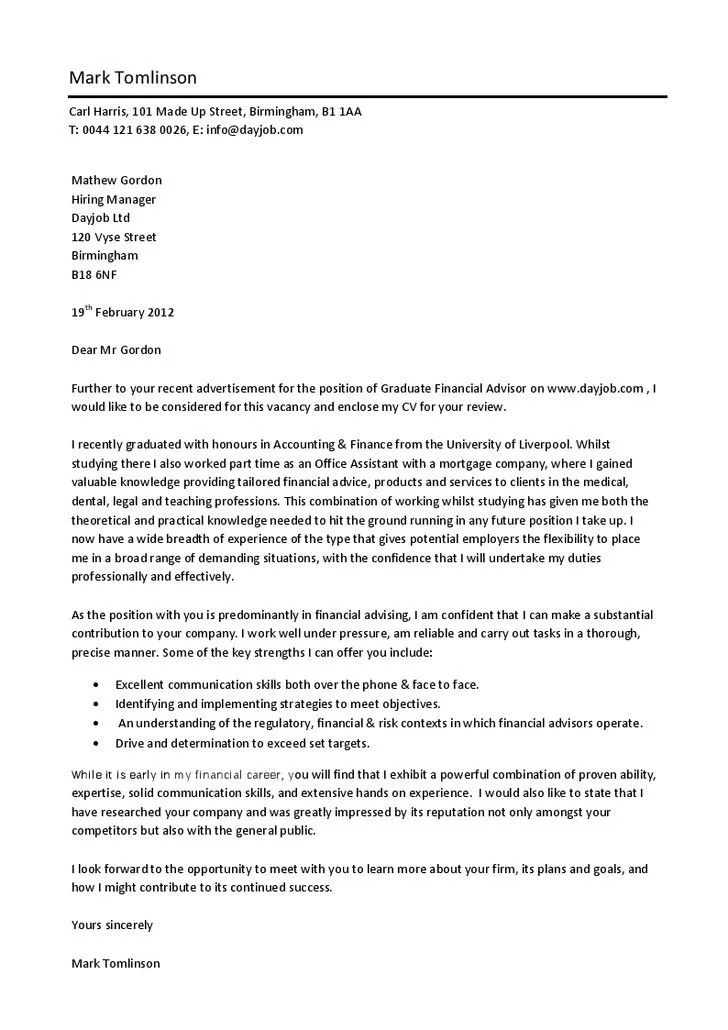
What is a PhD Application Cover Letter
A PhD application cover letter is your first opportunity to make a strong impression on the admissions committee. This letter is more than just a formality; it’s a crucial component of your application package. It serves as a personal introduction, allowing you to articulate your research interests, highlight your relevant experiences, and explain why you are a good fit for the specific program. The cover letter provides context to your academic record, research experience, and career goals, giving the committee insights into your motivations and aspirations. This document acts as a bridge between your qualifications and the program’s specific needs, enabling you to effectively present yourself as a promising candidate. It’s your chance to showcase your unique qualities and convince the committee that you possess the potential to succeed in a doctoral program.
Why is a Cover Letter Important
The importance of a well-crafted cover letter cannot be overstated. It allows you to personalize your application beyond the standard CV and transcripts. A compelling cover letter highlights your genuine interest in the program and showcases your understanding of the research conducted. This is your chance to detail your specific skills, and experiences to demonstrate your fit within the program. It provides an opportunity to address any gaps or inconsistencies in your academic history, offering context and explaining your career goals. Furthermore, a cover letter reflects your communication skills and professionalism. These are crucial for success in doctoral studies and future career endeavors. It is a testament to your writing abilities and your ability to convey complex ideas in a clear and concise manner. A well-written cover letter also demonstrates your dedication to the application process and your ability to meet academic standards.
Key Elements of a PhD Cover Letter

A successful PhD cover letter is comprised of several key elements, each designed to persuade the admissions committee to review your application favorably. The structure is key, beginning with a professional header that clearly identifies you and the recipient. The body of the letter is divided into several well-defined paragraphs, each serving a specific purpose. The opening paragraph should capture the reader’s attention and outline your motivation for applying. The middle paragraphs showcase your qualifications, experiences, and research interests. The closing paragraph should reiterate your interest in the program and provide a clear call to action. Remember to carefully tailor each element to the specific program and university. Following these guidelines ensures that your cover letter showcases your skills, academic achievements, and future aspirations effectively.
Header Section
The header of your cover letter sets the stage for professionalism and attention to detail. Begin by including your full name, address, phone number, and a professional email address. Ensure that your contact information is up-to-date and easily accessible. Following your personal details, include the date and the recipient’s contact information, typically the name of the admissions committee chair or program director. This information should be followed by their title, the department name, and the university’s address. By carefully including this information, you demonstrate respect for the recipient and the institution while establishing a formal, respectful tone. Remember to be meticulous with the formatting to ensure it looks clean and professional.
Applicant’s Contact Information
Accuracy is paramount when providing your contact information. Use a professional email address, and avoid informal usernames. List your phone number with the correct country code to facilitate easy communication. Include your mailing address to allow the university to send any formal correspondence. Always double-check all the details to prevent any errors that might hinder the application process. This part of the letter is designed to ensure seamless communication. Providing clear and correct contact details is a fundamental aspect of your application, and it reflects your ability to pay attention to detail.
University’s Contact Information

Properly addressing your letter to the correct recipient is essential. Research the specific program to ascertain the name of the admissions committee chair or program director. If you cannot locate a specific person’s name, use the title of the department head or admissions committee. Ensure that you include the correct title and department. Locate the official university address and verify it on the university website or the department’s contact information. This not only reflects your attention to detail but also demonstrates your respect for the institution. Using correct contact information enhances your application’s professionalism and ensures your letter reaches the right person.
Body Paragraphs
The body paragraphs are where you articulate your qualifications and make a case for your admission. Structure your body paragraphs to convey your message clearly and persuasively. Start with a compelling opening paragraph. Follow with detailed paragraphs that highlight your qualifications, experiences, and research interests. Conclude with a strong closing paragraph, which reiterates your interest and provides a clear call to action. Make each paragraph focused on a specific point with a clear topic sentence. Back up your points with solid evidence, provide concrete examples, and use a logical flow to create a clear, concise message. Remember that the body is where you demonstrate your value as a candidate.
Opening Paragraph
The opening paragraph is your first chance to make a great impression, so it should be compelling and informative. Clearly state your intention to apply for the PhD program. Mention the specific research area or department that captures your interest. Show your enthusiasm for the program and provide any unique aspects that have drawn you to the university. You may include where you first learned about the program. This could be from a professor, a conference, or even the university website. Make the opening brief, and attention-grabbing, setting the stage for the rest of your letter. The main goal of this paragraph is to capture attention and prepare the reader for the information that follows.
Express your interest

Show genuine interest in the program to set your application apart. Go beyond a mere statement of interest and explain your specific interest in the program. Show your excitement about the work of certain faculty members whose research aligns with your interests. Include what courses or research opportunities you are most excited about. Discuss the unique strengths of the program and how they align with your career goals. Show that you have researched the program, and demonstrate that you have a clear idea of what you want to achieve in a PhD program. Doing this will help to convince the admissions committee of your deep and sincere interest.
Mention the research area
Clearly identify the research area that aligns with your interests and the program’s focus. Highlight any research experience or preliminary research you have already conducted. Mention the faculty members whose research aligns with your interests and briefly explain the connections between your work and theirs. Show that you understand the research within the department. Demonstrate your understanding of the program’s focus areas and your ability to contribute. When done correctly, you are indicating to the admission committee that you have knowledge of their program. This shows that you are capable and ready to commit to the academic community.
Middle Paragraphs
The middle paragraphs provide an opportunity to showcase your relevant experiences and skills. These paragraphs must provide a detailed look into your academic background, research experience, and other applicable skills. Use the middle paragraphs to talk about your past projects, highlighting your specific contributions and the accomplishments achieved. Include the numbers whenever possible, and use specific examples to show the results of your research. Show how your skills are relevant to the program’s requirements and goals. In this section, you must show that you are a strong candidate and what you can add to the program.
Highlight relevant experience

Focus on those experiences that directly relate to the PhD program and your research interests. This may include research projects, internships, publications, or conference presentations. Describe your role and responsibilities and emphasize what you contributed to each experience. Make sure to showcase the skills you gained and how they relate to doctoral studies. Try to quantify your accomplishments using data and examples. In addition, show how your prior experiences have helped you prepare for the challenges of a PhD program. The information should showcase your potential for success in the chosen field. Highlighting your related experience is key to demonstrating that you are a good fit for the program.
Showcase your skills
Clearly and concisely state what skills you have developed that are relevant to the PhD program. Include both hard and soft skills. Hard skills might include laboratory techniques, data analysis, or proficiency in specific software. Soft skills might be communication, teamwork, problem-solving, and time management. Provide examples of how you have used these skills in previous projects. Highlight how your skills align with the program’s requirements and research methodologies. Showcase your ability to contribute to the program by demonstrating your unique skillset. Demonstrating your abilities will show that you are capable of meeting the requirements of doctoral studies, making you stand out.
Closing Paragraph
The closing paragraph of your PhD cover letter needs to be well-constructed to reinforce your interest and provide a clear call to action. Reiterate your enthusiasm for the program and reiterate the value you will bring to the department. Express your readiness for an interview or further discussion. Make sure to provide your contact information one more time. Thank the committee for their time and consideration. The concluding paragraph should solidify your positive impression and provide a clear way for the admissions committee to proceed.
Reiterate your interest

Restate your interest in the program, and highlight what excites you most. Refer to specific faculty members whose work resonates with you or any particular aspects of the program that align with your goals. Doing this shows the admissions committee that you have thought carefully about the fit between your interests and the program. This also highlights your alignment with the university’s values and research goals. Reiterate what makes you a good fit so the admissions committee will choose you.
Call to action
Conclude your cover letter with a clear call to action. Express your interest in the next steps. State your availability for a discussion or interview. Provide your contact information to make it easier for the admissions committee to reach you. In a professional tone, express your gratitude for their time and consideration. Doing this makes it simple for the admissions committee to continue with the application process. A strong call to action reinforces your enthusiasm and encourages them to seriously consider your application.
Format and Style
The format and style are crucial for creating a positive first impression with your cover letter. Your writing should be clear, concise, and easy to read. Use a standard font, like Times New Roman or Arial, in a size between 10 and 12 points. Maintain consistent formatting, including spacing, indentation, and bullet points. Structure your letter using clearly defined paragraphs, with each addressing a single point. Before submission, proofread your letter carefully, and look for any typos or grammatical errors. The overall presentation should be polished and well-organized.
Tone of Voice

Maintain a professional and enthusiastic tone. Display your genuine interest in the program and the research conducted there. Use formal language while avoiding slang or overly casual expressions. Your tone should express confidence, respect, and a desire to contribute to the academic community. Demonstrate your passion for your field, showing your understanding and appreciation of the program. Keeping your writing style clear, concise, and easy to understand ensures that your enthusiasm is apparent in every sentence. The right tone of voice affects how the admissions committee perceives you, so it’s important to strike a balance between professionalism and passion.
Proofreading
Proofreading is a critical step in the writing process. Review your letter for any mistakes in grammar, spelling, punctuation, and formatting. Read the letter multiple times, and consider reading it aloud to catch awkward phrasing. Use spell-check and grammar-check tools, but don’t depend on them. Ask a friend, family member, or mentor to proofread your letter. Their insights can help you find mistakes you may have missed. Thorough proofreading reflects your attention to detail and professionalism, which are crucial in any academic setting. A polished cover letter also shows your dedication to excellence.
Common Mistakes to Avoid
Some common mistakes can weaken your PhD application cover letter. Avoiding these common pitfalls guarantees that your letter effectively presents your qualifications, increasing your chances of being admitted. These mistakes detract from your professionalism and may lead to your application being overlooked. Common mistakes include generic content, typos, grammatical errors, and a focus on yourself instead of the program’s needs and goals.
Generic Content

Avoid using generic, boilerplate content. Tailor your letter to the specific program and university. Research the faculty members, research areas, and special offerings the program provides. Mention specific courses, research projects, or faculty members that interest you. Show that you have taken the time to understand the program’s details. Generic content shows a lack of genuine interest and makes your application seem uninspired. You can make your application stand out by showcasing your deep interest in that specific program.
Typos and Grammatical Errors
Typos and grammatical errors are detrimental to your credibility. Proofread your cover letter carefully. Use spell-check and grammar-check tools. Have someone else review your letter. Make sure all names, titles, and dates are correct. Errors show a lack of attention to detail, which can hurt your application. Be thorough, and ensure that your writing is clear and professional. Errors can undermine your credibility, so a flawless letter is essential for success.
Focusing on Yourself Too Much
While it is essential to highlight your qualifications, you should not only focus on your achievements. Talk about how your skills and experiences match the program’s research areas. Also, show how you can contribute to the program’s goals. Frame your achievements in terms of what you can contribute to the university, and not just what you have already done. Focus on how your research interests align with the faculty members’ expertise. Focusing on your research interests can show how they align with the program’s focus.
Tips for Customization
Customizing your cover letter is vital to demonstrate your genuine interest and suitability for a specific program. Tailoring your letter allows you to show how your skills and experiences align with the program’s goals and research focus. Customize the content and structure of your letter to meet the requirements of each program. Do not submit generic letters. Customization is an excellent way to show that you are truly interested and that you have invested time in understanding the specifics of their program, boosting your chances of being selected.
Research the University
Research the university and the program to which you are applying. Visit the university’s website, and review the department’s research areas, faculty profiles, and program requirements. Identify faculty members whose research aligns with yours and mention their work specifically in your letter. Understand the program’s strengths, values, and opportunities. Show how the university’s mission aligns with your academic goals. Putting in the work will make your application stand out. Your research demonstrates that you have taken the initiative to understand what the program is all about.
Tailor to the Specific Program
Customize your letter to each specific program you are applying to. Emphasize skills and experiences that are relevant to that program’s focus. Use the program’s language and terminology when you are describing your research interests and goals. Mention specific courses, faculty members, or research projects that resonate with your interests. Address the program’s specific requirements and any unique aspects that are attractive to you. Tailoring your letter shows that you understand what the program offers and have a clear vision of how you can contribute to its success. This shows a deep understanding of the program’s specific goals.
Seek Feedback
Get feedback from professors, mentors, or career advisors. Have them review your cover letter and give constructive criticism. Their insights can help you improve the clarity, conciseness, and impact of your letter. Get feedback on your letter’s structure, content, and tone. Consider different perspectives from those with experience in graduate school applications. Revise your letter based on their suggestions, and ask for feedback once you have made your revisions. This collaborative approach improves your cover letter and increases your chances of getting admitted.
Final Checklist
Before submitting your PhD application cover letter, make sure you have reviewed it to ensure all requirements are met. Use a final checklist to ensure that all elements are included, the content is accurate, and the presentation is polished. Reviewing your letter thoroughly can prevent any errors and guarantees that your application effectively presents your qualifications. These final steps are very critical, and should not be rushed; this is your final opportunity to perfect your submission.
Review for clarity and conciseness
Carefully review your cover letter to ensure that your writing is clear, concise, and easy to understand. Simplify complex sentences and avoid using jargon or technical terms that the admissions committee may not understand. Make sure your ideas are presented logically and in a clear flow. Reduce any unnecessary words and phrases to make your letter more impactful. Having a clear and concise cover letter makes it easier to read and enhances your ability to get your message across effectively. Make your writing as effective as possible to highlight the key points.
Ensure proper formatting
Make sure your cover letter adheres to the formatting guidelines. Use a standard font like Times New Roman or Arial with a font size between 10 and 12 points. Check the spacing between lines and paragraphs. Ensure that your letter is well-organized and easy to read. Make sure all sections of your letter, including your contact information, header, and others, are properly formatted. Having a well-formatted letter will show that you pay attention to detail and demonstrate professionalism. It will also ensure that your application makes a positive first impression.
Proofread the letter
Meticulously proofread your cover letter to catch any errors in grammar, spelling, punctuation, and capitalization. Read the letter multiple times and consider reading it out loud. Ask a friend, family member, or mentor to proofread your letter to see if they catch any mistakes. Correct all typos, inconsistencies, and grammatical errors. A clean and error-free cover letter improves your credibility, and shows that you are committed to excellence. A polished letter shows that you pay attention to detail and take pride in your work.