Pharmaceutical Sales Cover Letter How-to Guide
A well-crafted cover letter is a critical component of a successful job application in pharmaceutical sales. It’s your first opportunity to make a strong impression and demonstrate to potential employers why you are the ideal candidate. This guide provides a comprehensive overview of how to create a persuasive and effective cover letter that highlights your skills, experience, and enthusiasm for the role. By following these guidelines and tailoring your letter to each specific job, you can significantly increase your chances of securing an interview and advancing your career in the pharmaceutical industry. The aim is to equip you with the knowledge and tools to write a cover letter that grabs attention and clearly communicates your value proposition.
Understanding the Pharmaceutical Sales Landscape
The pharmaceutical sales landscape is complex, competitive, and constantly evolving. Success in this field requires a deep understanding of the market, including industry trends, regulatory requirements, and the ability to build strong relationships with healthcare professionals. A cover letter should reflect your awareness of these factors. It should demonstrate your ability to thrive in a dynamic environment, adapt to changes, and stay informed about the latest advancements in pharmaceuticals and treatment protocols. Demonstrate your knowledge of specific products, therapeutic areas relevant to the company you’re applying to, and how you plan to apply your skills.
Key Responsibilities in Pharmaceutical Sales

Pharmaceutical sales representatives have a wide range of responsibilities. These include promoting products to physicians and healthcare facilities, educating healthcare providers on product benefits, building and maintaining relationships, meeting sales targets, and staying current with industry regulations. Your cover letter should clearly articulate your understanding of these duties and highlight your experience and qualifications as they relate to the role’s essential functions. Include specific examples from your background that highlight your skills in these key areas, like proven sales experience, relationship building, and a strong understanding of the sales process.
Why a Strong Cover Letter Matters
In a competitive job market, a strong cover letter offers an opportunity to provide context to your resume and highlight your unique qualities. It showcases your personality, enthusiasm, and specific interest in the role, and it provides an opportunity to communicate your skills more effectively. A well-written cover letter shows your communication skills and your attention to detail – crucial qualities for any sales position. This letter can also highlight experiences not fully captured on your resume and explain how you are the ideal candidate. A well-crafted cover letter is an essential part of the job application process and provides an important first impression.
Essential Elements of a Pharmaceutical Sales Cover Letter
Contact Information and Salutation

Your cover letter should begin with your contact information, the date, and the recipient’s details. Addressing the letter to a specific person is always preferable, using their name and title. If the hiring manager’s name isn’t available, use a professional salutation such as ‘Dear Hiring Manager.’ Include your full name, phone number, email address, and a link to your LinkedIn profile. Accurate contact information and a professional salutation set a positive tone. Ensure all details are correct and present a professional image. These details are essential.
Crafting a Compelling Opening
The opening paragraph is your first opportunity to grab the reader’s attention. Start with a strong statement that immediately captures interest. Mention the specific position you are applying for and how you learned about it. Clearly state your enthusiasm for the role and the company. Consider including a brief anecdote related to your passion for pharmaceutical sales, illustrating your commitment to the field. The introduction should set the tone for the rest of the letter and provide a glimpse into your personality and professional style. Demonstrating your comprehension of the company’s mission and values is very important.
Highlighting Relevant Skills and Experience
This section is the core of your cover letter. Closely match your skills and experiences to the requirements outlined in the job description. Focus on the most relevant skills, such as sales, communication, relationship-building, product knowledge, and any specific software proficiencies that may be required. Support your assertions with specific examples of your achievements and quantify your accomplishments whenever possible. Tailoring each cover letter to the specific role and company demonstrates your investment in the opportunity and your commitment to the specific requirements. Make sure to use keywords from the job description to make sure your letter is aligned with the employer’s needs.
Showcasing Achievements and Quantifiable Results
Utilize quantifiable results to illustrate your successes. Instead of simply stating, “Increased sales,” provide concrete data, such as, “Increased sales by 20% within one year.” Include specific metrics, such as sales figures, market share gains, or any data that effectively demonstrates your impact. Including awards or any form of recognition you’ve received can also provide external validation and reinforce your achievements. Demonstrating your value by showcasing data is an effective strategy for grabbing the attention of the hiring manager and highlighting how your skills can benefit their organization, and provides a basis for selection.
Demonstrating Knowledge of the Pharmaceutical Industry
Showcase your understanding of the pharmaceutical industry, encompassing market trends, regulatory requirements, and the competitive landscape. Demonstrate this by referencing relevant industry knowledge. Discussing specific products, including any familiarity with products or therapeutic areas that the company specializes in, is a great asset. Show that you have done your research and consistently stay updated on industry news, regulatory changes, and developments. Highlighting your industry knowledge helps you stand out from candidates who may not have this level of understanding. Also, your ability to discuss a specific product or therapy relevant to the company is a substantial advantage.
Expressing Enthusiasm and Company Alignment
Demonstrate your genuine interest in the company and its products. Explain why you are enthusiastic about the specific opportunity and how your values align with the company’s mission. Research the company’s culture and values and incorporate these details into your cover letter. This will show your sincere interest beyond simply wanting a job. Mention particular aspects of the company that appeal to you. For instance, discussing the company’s commitment to innovation, patient care, or any specific product line can emphasize your interest. Demonstrating this alignment helps the hiring manager view you as a good fit for the team, and the company itself. This will increase your chances of being selected for an interview.
Call to Action and Closing

Your closing paragraph should reiterate your interest in the role and express your eagerness for an interview. Provide a clear call to action, such as “I am available for an interview at your earliest convenience,” or “I look forward to discussing my qualifications further.” Thank the hiring manager for their time and consideration. End with a professional closing, such as “Sincerely” or “Best regards,” followed by your typed name. Avoid clichés, and use concise and impactful language. A strong closing paragraph makes a lasting impression and sets the stage for the next step in the application process.
Formatting and Proofreading Your Cover Letter
Choosing the Right Font and Layout
Use a clean, professional font like Times New Roman, Arial, or Calibri. The font size should be between 10 and 12 points. The layout should be easy to read, with clear headings, bullet points, and ample white space. Proper formatting makes your cover letter visually appealing and helps the reader navigate the content easily. Ensure consistent formatting throughout the entire document to maintain a professional presentation. Always carefully proofread to make sure your cover letter looks its best. A well-formatted cover letter displays your attention to detail and professionalism.
Proofreading for Errors

Proofread your cover letter multiple times to catch any grammatical errors, typos, or spelling mistakes. Mistakes can detract from your credibility. Use a grammar checker tool but also read the document aloud. Ask a friend or family member to review your letter for a second opinion, as this can help identify mistakes you may have missed. Proofreading guarantees that your cover letter is polished and professional. A clean and error-free cover letter shows that you pay attention to the details.
Tailoring Your Cover Letter
Researching the Company and the Role
Before writing your cover letter, thoroughly research the company and the specific role. Visit the company’s website to learn about their products, mission, values, and culture. Find and examine recent news and achievements. This information provides insights into the company’s goals and direction. This knowledge is essential for tailoring your cover letter to the company’s needs. Understanding what the company seeks will allow you to align your skills and experiences with its requirements. This personalization will significantly improve your chances of success.
Customizing Your Letter for Each Application

Never use a generic cover letter for multiple applications. Tailor each letter to the specific job description and the company. Highlight the skills and experiences that closely match the requirements. Mention specific details about the role and the company. Personalizing your cover letter demonstrates your genuine interest and dedication to the specific opportunity. By showcasing how you’ve taken the time to understand the position and the company, you are more likely to grab the attention of the hiring manager. Customization reveals your attention to detail, a key skill in pharmaceutical sales.
Examples of Effective Pharmaceutical Sales Cover Letters
Example 1 Cover Letter
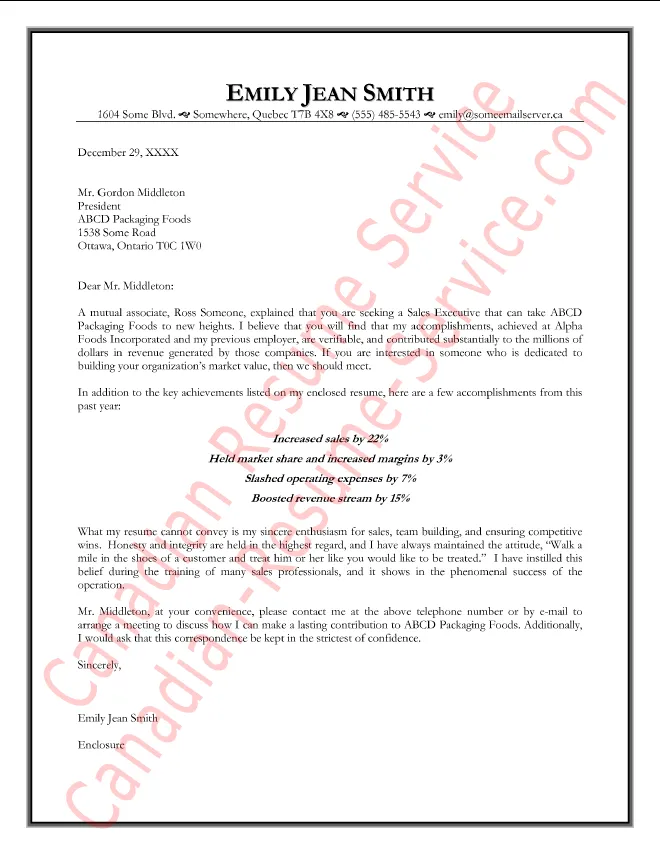
Here is an example of how to structure your cover letter: [Insert example cover letter here, focusing on a specific product and company]. Remember that you will need to modify this to fit your experience and target role. The objective here is to provide the reader with a clear sense of the style and the structure.
Example 2 Cover Letter

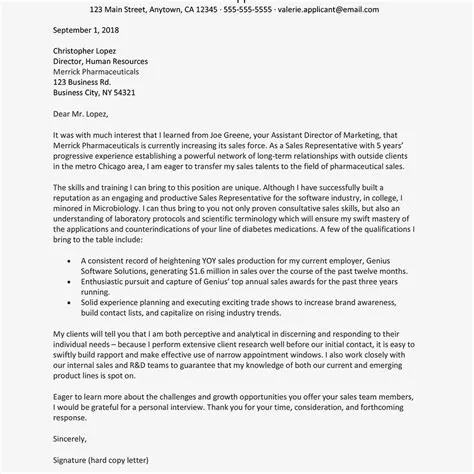
Another example could focus on the company’s approach to patient care. [Insert another example cover letter here, tailored to a different role and company]. Use each example to guide the writing. Customize the examples to reflect your own qualifications and align with the job description to help demonstrate your abilities.
Example 3 Cover Letter
And yet another example, highlighting experience with a range of products. [Insert a final example cover letter here, highlighting achievements in the sales environment]. When you have several examples, you are better prepared to write the cover letter that gets the attention of the hiring manager and gets you an interview.
Tips for Success
Following Up

Following up after submitting your cover letter and resume is a key step in the application process. Send a brief email to the hiring manager approximately one to two weeks after submitting your application to reiterate your interest. If you do not receive a response within a reasonable timeframe, make a polite follow-up phone call. Following up demonstrates your continued interest and allows you to confirm the receipt of your application. This can increase your chances of securing an interview.
Preparing for the Interview
If you are invited to an interview, it is essential to prepare thoroughly. Research the company and the role in detail, and practice answering common interview questions about your experience, skills, and motivations. Prepare thoughtful questions to ask the interviewer, demonstrating your diligence and interest. Prepare an elevator pitch summarizing your qualifications and your value to the company. Carefully consider how you will present yourself and practice your answers. This preparation will significantly increase your chances of making a positive impression.