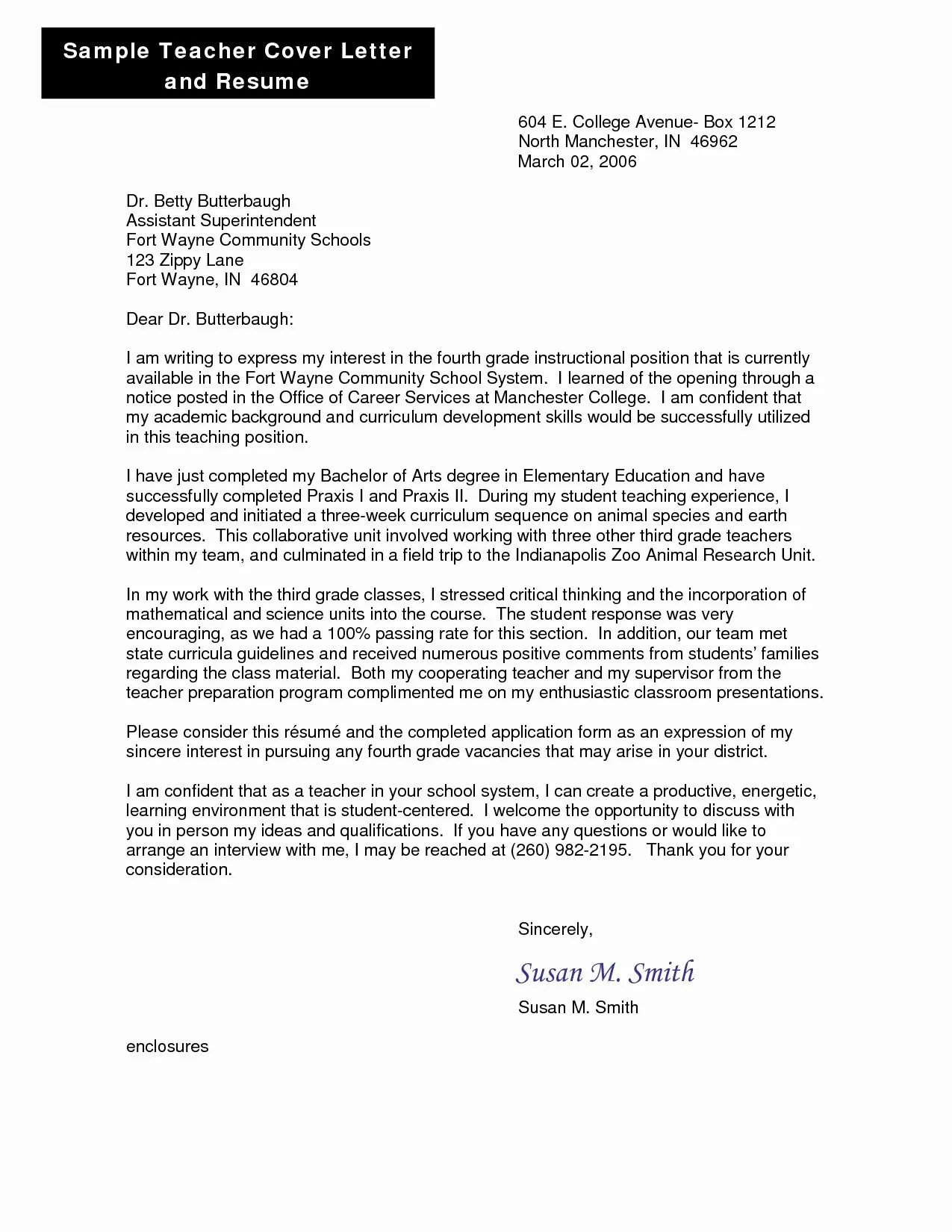
Understanding the PE Teacher Cover Letter
A cover letter for a Physical Education (PE) teacher position is your first introduction to a potential employer. It’s a chance to go beyond your resume and showcase your personality, passion, and how your skills align with the specific needs of the school. Unlike a resume that lists facts, the cover letter tells a story. It provides context to your experience, explains your motivations, and ultimately, convinces the hiring committee that you’re the best fit for the role. A well-crafted cover letter significantly increases your chances of landing an interview, making it a critical component of your job application. Think of it as your personal sales pitch, designed to generate excitement about your candidacy and highlight the unique value you bring to the table. This first impression can set the tone for the rest of the application process.
Key Components of a Strong PE Cover Letter
A compelling PE teacher cover letter includes several essential components. Begin with a professional header that includes your contact information. Next, address the letter to the hiring manager or the specific person in charge of recruitment, if possible; this shows you’ve done your research. Start with a strong opening statement that immediately grabs attention - perhaps by expressing your enthusiasm for the school’s values or mentioning a specific program that excites you. The body of your letter should detail your relevant experience, skills, and accomplishments, using specific examples to illustrate your capabilities. Make sure to highlight your ability to create engaging lesson plans, manage a classroom effectively, and foster a positive learning environment. Also mention any certifications or specializations you have. Finally, end with a call to action, expressing your interest in an interview and thanking the reader for their time and consideration. A well-structured cover letter, adhering to these components, significantly boosts your chances of making a positive impact.
Header with Contact Information

Your header is the first piece of information a potential employer sees, so it’s essential to make it clear, concise, and professional. Include your full name, address, phone number, and email address. Ensure your email address is professional (e.g., firstname.lastname@email.com) and not something casual or unprofessional. Place the header at the top of the page, either left-aligned or centered. This allows the reader to easily access your contact details. Correct formatting here shows attention to detail and professionalism, setting a positive first impression. Also, you want to make sure your contact information is up to date.
Addressing the Hiring Manager
Addressing your cover letter to the specific hiring manager demonstrates your initiative and attention to detail. If possible, research the name and title of the person in charge of hiring. This personalization shows you’ve taken the time to learn about the school and its staff. If you are unable to find a specific name, use a general title such as “Hiring Committee” or “Hiring Manager.” Avoid generic greetings like “To Whom It May Concern,” as they make your letter feel impersonal. Proper addressing enhances the letter’s impact and shows your genuine interest in the position. You can often find the name of the hiring manager on the school website or job posting.
Highlighting Your Skills and Experience
The body of your cover letter is where you showcase your skills and experience, demonstrating why you’re the ideal candidate. Tailor your content to the specific requirements outlined in the job description. For example, if the school emphasizes a certain sport or program, highlight your related experience and expertise. Use specific examples to illustrate your accomplishments. Instead of just saying you ‘improved student performance,’ quantify your achievements with metrics, such as ‘increased student fitness test scores by 15%’. Mention your ability to create engaging lesson plans, manage a classroom effectively, and foster a positive and inclusive learning environment. Discuss any experience with diverse student populations or any skills related to student safety and well-being. Make your achievements tangible and show how you can bring value to their program. This shows your understanding of the role and your commitment to student success.
Tailoring Your Cover Letter to the School

Customizing your cover letter for each school is critical. This shows your genuine interest and that you’ve taken the time to understand their specific needs and values. Research the school’s mission, values, and any unique programs they offer. Visit their website, read their newsletters, or even speak to current staff or parents to get a better understanding. Mention specific aspects of the school that appeal to you and explain how your skills align with their goals. For instance, if the school emphasizes a particular sport or physical activity, highlight your relevant experience and expertise. Demonstrate your understanding of the school’s culture and how you can contribute to their community. Generic cover letters are easily spotted and often discarded, but a tailored letter highlights your dedication and increases your chances of making a strong impression.
Showcasing Your Passion for Physical Education
Your cover letter is an opportunity to convey your passion for physical education. Express your enthusiasm for teaching and your belief in the importance of physical activity for children’s overall development. Share your philosophy of teaching, emphasizing how you create a positive and inclusive learning environment where students feel motivated and supported. You can include a brief story or anecdote that illustrates your passion. Discuss your experience in fostering a love for sports and physical activity in students. Mentioning your dedication to student health and well-being can make a significant impact, as well. By sharing your authentic enthusiasm, you demonstrate to the hiring committee that you are not only qualified but also deeply committed to your profession, and this will allow you to stand out from the competition.
Addressing Potential Challenges
Address any potential challenges proactively. If there are any gaps in your experience or areas where you feel you need to improve, acknowledge them honestly and then focus on what you’ve done to address them. For instance, if you’re a new teacher, emphasize your dedication to continuous learning, your eagerness to collaborate with experienced colleagues, and your commitment to professional development. If you’re changing careers, highlight the transferable skills you’ve acquired and how they can benefit the school. Frame challenges as opportunities for growth and demonstrate a positive attitude. This proactive approach shows your self-awareness, resilience, and commitment to becoming a successful teacher, which the school will value. Make sure to be truthful, don’t overinflate experience and address the issues to show your ability to learn and adapt.
Adding a Call to Action to Your Cover Letter

End your cover letter with a clear call to action. Express your enthusiasm for the opportunity to interview and reiterate your interest in the position. Make it easy for the hiring manager to contact you by including your phone number and email address again, if needed. Be assertive yet professional. Instead of saying, “I hope to hear from you,” try “I am eager to discuss my qualifications in an interview and can be reached at [phone number] or [email address].” Thank the reader for their time and consideration. A strong call to action encourages the hiring manager to move forward with your application. It shows confidence and reinforces your interest in the role, making it more likely that you’ll be contacted for an interview.
Proofreading and Refining Your Cover Letter
Proofreading is the final step in the cover letter writing process, and it is essential. Review your letter carefully for any grammatical errors, spelling mistakes, and typos. Read it aloud to check for awkward phrasing or sentences that don’t flow smoothly. Have a friend, colleague, or mentor review your cover letter for clarity and effectiveness. Ensure your contact information is correct and up to date. Pay attention to the formatting, making sure it is clean and easy to read. A polished and error-free cover letter reflects your professionalism and attention to detail. Taking the time to proofread and refine your letter will make a strong impression, and it could be the key to landing your dream job.