Understanding the Office Clerk Role
An office clerk plays a crucial role in the smooth operation of any office environment. They are the backbone of administrative support, handling a variety of tasks that keep things organized and efficient. While the specific responsibilities can vary from one workplace to another, the core function of an office clerk remains consistent: to provide administrative support and ensure the office runs effectively. This is an entry-level position that often serves as a stepping stone for individuals looking to build their careers in office administration. The duties can range from answering phones and managing files to assisting with data entry and handling mail, making it a versatile and essential role.
Key Responsibilities of an Office Clerk
The responsibilities of an office clerk are diverse, reflecting the varied needs of an office. They often include answering and directing phone calls, managing and distributing incoming and outgoing mail, and maintaining organized filing systems, both physical and digital. Office clerks are also responsible for data entry tasks, ensuring that information is accurately recorded and updated in databases or spreadsheets. Additionally, they may assist with basic bookkeeping, manage office supplies, and handle other administrative duties as assigned. The ability to multitask and prioritize tasks is essential, as office clerks often juggle multiple responsibilities simultaneously. Accuracy and attention to detail are also critical, as even small errors can have significant consequences.
Essential Skills for Office Clerks

Several key skills are vital for success as an office clerk. Strong communication skills, both written and verbal, are essential for interacting with colleagues, clients, and vendors. Organizational skills are crucial for managing paperwork, files, and schedules effectively. Computer literacy, including proficiency in Microsoft Office Suite (Word, Excel, Outlook), is often a requirement. Attention to detail is paramount to ensure accuracy in data entry, record-keeping, and other tasks. Adaptability is also important, as office clerks must be able to adjust to changing priorities and handle unexpected situations. These skills, combined with a positive attitude and a willingness to learn, make a strong foundation for a successful office clerk career.
Crafting Your No-Experience Cover Letter
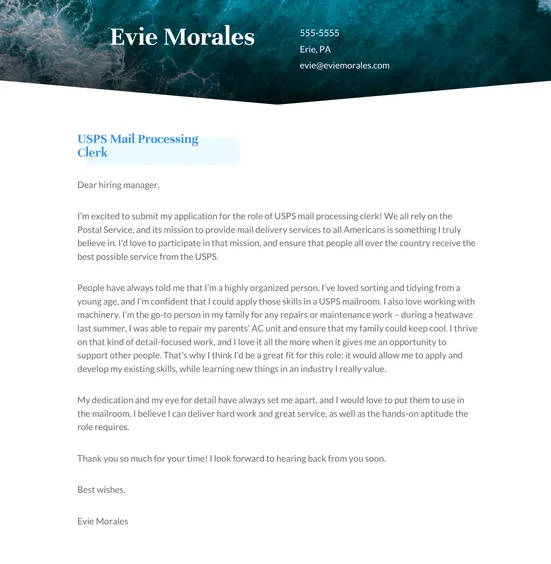
Even without direct experience, a well-crafted cover letter can significantly increase your chances of landing an office clerk position. The key is to highlight transferable skills, demonstrate your enthusiasm, and showcase your potential. Your cover letter should be viewed as an opportunity to sell yourself to the hiring manager. By carefully articulating your skills and tailoring your message to the specific job requirements, you can create a compelling narrative that sets you apart from other applicants, even those with more experience. The goal is to convince the employer that you possess the qualities and abilities necessary to succeed in the role, despite your lack of prior experience.
Header and Contact Information
Start with a professional header. Include your full name, address, phone number, and email address. Ensure your email address is professional; avoid using nicknames or informal language. Also, include the date and the hiring manager’s name and title (if known), along with the company’s address. A well-formatted header sets a professional tone and provides the necessary contact information for the employer. Always double-check all the information for accuracy. This initial section is crucial, as it provides the first impression, and any errors can reflect poorly on your attention to detail. If you don’t know the hiring manager’s name, use a general greeting such as “Hiring Manager.”
Personalized Greeting

Address the hiring manager by name if possible. Research the company to find out who the hiring manager is or if you can’t find out then use “Dear Hiring Manager”. This shows you’ve taken the time to personalize your application. Avoid generic greetings like “To Whom It May Concern,” as they make your letter feel less personal and can come across as if you haven’t put in the effort. Addressing the letter to a specific person demonstrates initiative and attention to detail. This small gesture can make a big difference in capturing the hiring manager’s attention and setting a positive tone for the rest of the letter. If you can, reference something specific about the company that interests you.
Opening Paragraph — Show Enthusiasm
Begin your cover letter with a strong opening paragraph that captures the reader’s attention. Express your enthusiasm for the position and the company. Briefly mention where you saw the job posting and why you are interested in the role. Your enthusiasm is a key factor. Make it clear that you understand the requirements of the job. For example, if the job description mentions data entry, show that you’re interested and capable of data entry. The opening paragraph is your opportunity to make a positive first impression and encourage the hiring manager to read the rest of your letter. Be concise and get straight to the point. Start your cover letter with a strong statement that immediately highlights your interest in the position.
Highlighting Transferable Skills
Since you may lack direct experience, focus on transferable skills – those skills you’ve gained in other roles, volunteer work, or education that are relevant to an office clerk position. Transferable skills are abilities that you can apply from one job or experience to another. This is your opportunity to showcase your potential and demonstrate how your skills can benefit the company. These skills can include communication, organization, computer proficiency, and problem-solving. Think about what skills you possess and how they align with the job requirements. Give examples of how you’ve used these skills, even if it was in a non-work context. This helps the employer to see your capabilities.
Communication Skills

Emphasize your communication skills, both written and verbal. Highlight any experience you have with answering phones, writing emails, or interacting with customers or clients. For example, if you volunteered at an organization where you answered phone calls, mention it. If you have excellent writing skills from school projects or personal blogs, describe how they will help you prepare professional emails or reports. Communication is key in any office environment, so showcasing your ability to clearly and effectively convey information will be critical. Your ability to listen, understand, and respond appropriately is what will make you stand out from other candidates. Mentioning your communication skills is essential in a cover letter.
Organizational Skills
Showcase your organizational abilities. Mention any experience you have with managing files, organizing documents, or maintaining schedules. Even if this experience comes from personal projects or volunteer work, make sure to include it. Do you have experience arranging documents, managing a calendar, or organizing tasks? Show that you can manage and prioritize multiple tasks. Mention how you keep track of important details or projects. Good organizational skills are essential for an office clerk. Highlight how you keep track of responsibilities, manage deadlines, and ensure everything runs smoothly. Mention any specific software or systems you’ve used for organizing, such as file management programs.
Computer Proficiency
Highlight your computer skills, especially proficiency in Microsoft Office Suite (Word, Excel, Outlook). If you have experience with other software or data entry systems, include that as well. Be sure to mention your typing speed, as this is an important skill for office clerks. If you have any experience in using these programs or any similar software, such as Google Workspace, you should mention it. Give any examples of how you’ve used them in past projects or experiences. Mention any relevant skills, such as data entry or data management skills. If you have experience with a specific software that the company uses, be sure to mention it.
Demonstrating Soft Skills

Soft skills are essential in any office environment, so be sure to demonstrate them in your cover letter. They are the personal attributes that enable someone to interact effectively and harmoniously with other people. These include things like attention to detail, time management, and problem-solving abilities. These are crucial for excelling in the office clerk role. Providing evidence that you possess these qualities through specific examples can greatly enhance your application. It shows you not only have the skills but also understand how to use them.
Attention to Detail
Emphasize your attention to detail. Office clerks must be meticulous in their work to avoid errors. Mention any experiences where accuracy was essential, such as proofreading documents, managing data, or handling finances. Give an example of how your attention to detail helped you succeed in past experiences. Provide examples where you focused on being accurate. Being meticulous is essential to success in an office setting, where errors can be costly. Your ability to spot and correct mistakes, follow instructions carefully, and produce accurate work will be highly valued. Highlight any instances where your keen eye prevented an issue.
Time Management
Demonstrate your ability to manage time effectively. Provide examples of how you have prioritized tasks, met deadlines, and managed multiple responsibilities simultaneously. Consider your experience with balancing school, volunteer work, or personal projects. Mention any strategies you use to stay organized and efficient, such as using to-do lists or scheduling tools. Office environments can be very busy. Your capacity to organize, prioritize, and manage your time effectively is crucial. The ability to manage your time will show that you can handle various tasks effectively. Show how you handle projects or deal with tight deadlines.
Problem-Solving Abilities

Showcase your problem-solving skills. Highlight instances where you identified a problem and found a solution, even if it was a small issue. Provide examples of how you have used your critical thinking skills to overcome challenges. Mention instances where you took initiative. Be sure to highlight any strategies you used to help you find solutions to these challenges. Office clerks often encounter unexpected issues. Your ability to approach problems logically, analyze situations, and devise effective solutions is a valuable asset. Include examples of how you identified a problem, analyzed it, and implemented a solution, emphasizing your analytical and decision-making abilities.
Showcasing Your Motivation and Interest
Express your genuine interest in the company and the office clerk position. Research the company and mention something that appeals to you. This could be their mission, values, or recent achievements. By showing that you have researched the company, you demonstrate your enthusiasm and initiative. Tailor your cover letter to the company and position. If you know someone at the company, mention their name if appropriate. Show that you’re excited to learn and contribute to the company. Your motivation will set you apart from other applicants. The enthusiasm that you have can make a good impression on the hiring manager.
Tailoring Your Letter to the Specific Job
Carefully review the job description and tailor your cover letter to match the specific requirements. Use keywords from the job posting to highlight relevant skills and experiences. Read the job description. Adapt your cover letter to directly address what the company is looking for. Show you have carefully read the job description by highlighting the skills they’re looking for in the office clerk role. This targeted approach demonstrates your understanding of the position and increases your chances of getting an interview. Focus on what is relevant to the job to make your letter stand out from others. This shows you’re serious and understand what the job entails.
Closing the Letter and Call to Action

Close your cover letter by expressing your eagerness to learn more about the opportunity and your interest in an interview. Thank the hiring manager for their time and consideration. Include a call to action. Provide your contact information and state that you’re available for an interview at their earliest convenience. Your goal is to provide an impactful conclusion. Your final paragraph should be concise and memorable, expressing your enthusiasm for the position. This also helps make a favorable impression. Finish with a strong closing statement, showing you are looking forward to the chance to discuss your qualifications and experience in more detail.
Formatting and Proofreading
Formatting and proofreading are critical steps in creating a professional cover letter. A well-formatted and error-free letter demonstrates your attention to detail and professionalism. Poor formatting or grammatical errors can quickly lead to your application being rejected. Ensure that your cover letter is easy to read and visually appealing. Follow best practices for formatting, and use a professional font. Take the time to carefully review your cover letter for any mistakes.
Proofreading for Errors
Proofread your cover letter carefully for any grammatical errors, spelling mistakes, or typos. Ask a friend or family member to review it as well. Errors can damage your credibility. The best way to get the job is to carefully read the cover letter. Use grammar-checking software or tools. Ensure there are no typos. Mistakes make it look like you don’t pay attention to detail, which is essential for office clerks. Have someone else proofread your cover letter as well to catch errors you might have missed. Proofreading is essential. Having another pair of eyes can catch errors that you may not see.
Using a Professional Font
Use a standard, easy-to-read font like Times New Roman, Arial, or Calibri. Keep the font size between 10 and 12 points. Ensure your letter is easy on the eyes. Stick to the format. A clean, readable format will make your cover letter more appealing to the hiring manager. Avoid using overly decorative fonts or unusual formatting. Maintain a clean and professional layout. Keep the tone of the document formal and make it easy to read. Also, make sure that the font and format are consistent.
Submitting Your Cover Letter
Follow the instructions provided in the job posting for submitting your cover letter. Make sure to save your cover letter as a PDF to preserve the formatting. If you’re submitting your cover letter electronically, double-check that all the required attachments are included. Always adhere to the specified application guidelines. Review the job posting carefully for submission instructions. Make sure you adhere to these instructions to make sure your cover letter gets seen by the hiring manager. Be sure to use the correct file format. Make sure that your application is complete before you submit it.