The Importance of Military Cover Letters
In the competitive job market, especially when transitioning from military service, a well-crafted cover letter is crucial. It serves as your introduction, showcasing your skills, experience, and personality to a potential employer. It’s your chance to make a strong first impression and differentiate yourself from other candidates. Many veterans underestimate the power of a good cover letter, assuming their resume alone will suffice. However, the cover letter provides a platform to articulate your story, highlight relevant experiences, and demonstrate why you are the perfect fit for the specific job. A compelling cover letter can significantly increase your chances of getting an interview and ultimately landing the job.
Why a Cover Letter Matters
A cover letter allows you to go beyond the facts presented in your resume. It gives you the space to explain any gaps in your employment history, elaborate on complex military experiences, and demonstrate your understanding of the job requirements. It’s also an opportunity to showcase your writing skills, attention to detail, and enthusiasm for the position. Moreover, a cover letter allows you to personalize your application, addressing the specific needs and values of the employer. Recruiters often use cover letters to gauge your communication skills, assess your cultural fit, and determine if you have taken the time to understand the role and the company. Neglecting this important document is a missed opportunity to make a strong case for your candidacy and get your foot in the door.
Highlighting Your Military Experience

Military experience, while highly valued, often needs translation into civilian terms. Your cover letter is the perfect place to bridge this gap. You can highlight your leadership roles, detailing specific responsibilities and accomplishments. For example, instead of simply stating that you were a ’team leader,’ explain how you led a team of soldiers to achieve a specific goal, such as completing a mission or improving efficiency. Mention any awards, commendations, or recognition you received. Emphasize how your military training and experience have equipped you with transferable skills such as discipline, problem-solving, and adaptability. Provide concrete examples to illustrate your abilities and demonstrate the value you can bring to the organization. This level of detail helps the hiring manager understand your capabilities and how they align with the job’s requirements.
Tailoring Your Cover Letter
A generic cover letter is a surefire way to end up in the ‘rejected’ pile. Each cover letter should be tailored to the specific job and company. This shows the employer that you have taken the time to understand their needs and are genuinely interested in the opportunity. Generic cover letters often lack the specific details employers are looking for. Tailoring involves researching the company and the role and identifying the skills and experiences that are most relevant to the job description. This requires careful attention to detail and a proactive approach. Make sure the language used reflects the culture of the company. Customize your cover letter to highlight the specific skills and experiences that align with the job’s requirements. Remember that a personalized letter signals that you care enough to invest time, effort, and demonstrate that you’re a perfect fit.
Researching the Employer
Before you start writing, thoroughly research the company. Visit their website, read their mission statement, and explore their social media profiles. Learn about their products or services, their values, and their culture. This information will help you tailor your cover letter to align with their specific needs and demonstrate your genuine interest. Researching the employer shows you have done your homework and are committed. Look for recent news articles or press releases about the company. Understanding their current projects, challenges, and goals will help you tailor your cover letter to address their specific needs. Use this information to identify key areas where your skills and experience can add value. Demonstrate how your experience aligns with the company’s values and what you can bring to the table.
Customizing Your Letter

Once you have researched the employer and understand the job requirements, customize your cover letter accordingly. Address the specific skills and qualifications mentioned in the job description and highlight how your experience aligns with their needs. Include specific examples of how you have demonstrated these skills in your military career. Use keywords from the job description to demonstrate that you meet the requirements. This ensures that your cover letter gets noticed by applicant tracking systems (ATS). Show how your values align with the company’s culture and express your enthusiasm for the opportunity. Avoid simply restating your resume; instead, elaborate on your accomplishments and provide context for your experiences. By personalizing your letter, you demonstrate that you are a perfect fit for the role and that you care enough to invest time and effort.
Structuring Your Military Cover Letter
A well-structured cover letter is easy to read and highlights the most relevant information. It should follow a standard format that includes a header, salutation, body paragraphs, and closing. Each section plays a specific role in conveying your qualifications and expressing your interest in the position. A logical structure is essential for clarity and professionalism. A poorly structured cover letter can make it difficult for the hiring manager to understand your qualifications and can lead to your application being overlooked. Ensure your cover letter flows smoothly and highlights the most crucial information. Use clear, concise language, and avoid jargon that might confuse the reader. The proper structure ensures that your letter is easy to read and that the key details are clearly presented.
Header and Contact Information
Start with a header that includes your name, address, phone number, and email address. Also, include the date and the employer’s contact information, such as the name of the hiring manager and the company’s address. This information ensures that the employer can easily contact you and provides a professional appearance. Make sure your contact information is accurate and up-to-date. Ensure your email address is professional. Double-check the spelling of the hiring manager’s name and the company’s information. This attention to detail demonstrates your professionalism and respect for the employer. The header provides the necessary information for the employer to contact you. Keeping the format neat and professional reflects positively on you. Verify all contact details to avoid any missed opportunities due to inaccuracies.
Salutation

Address the hiring manager by name if possible, using ‘Dear Mr./Ms./Mx. [Last Name]’. If you can’t find the name, use a professional greeting like ‘Dear Hiring Manager’. Avoid generic greetings like ‘To Whom It May Concern’, as they demonstrate a lack of effort and personalization. Research the hiring manager’s name and title on LinkedIn or the company website. Addressing the hiring manager by name shows you have done your homework and shows you are interested. A personalized greeting makes a better first impression. Using the correct salutation reflects professionalism. If you are unsure of the gender, use the full name to avoid errors. The greeting sets the tone for the rest of the cover letter, so choose your words carefully to ensure it is professional.
Body Paragraphs
The body of your cover letter is where you sell yourself. Start with an engaging introduction that states the position you are applying for and how you learned about it. In the following paragraphs, highlight your relevant skills and experiences, providing specific examples to demonstrate your qualifications. Use action verbs to describe your accomplishments and quantify your achievements whenever possible. Keep the paragraphs concise and focused, each addressing a specific point or demonstrating a specific skill. Tailor your content to the job description, showing how your skills and experiences align with the job requirements. The body paragraphs are the meat of your cover letter. They allow you to elaborate on your skills and experiences and showcase your qualifications. Use concise language and avoid unnecessary jargon. Focus on providing specific examples that demonstrate your abilities.
Closing and Signature
Conclude your cover letter by summarizing your interest in the position and reiterating your enthusiasm for the opportunity. Thank the hiring manager for their time and consideration. Include a call to action, such as expressing your availability for an interview. End with a professional closing like ‘Sincerely’ or ‘Best regards,’ followed by your typed name. If you are sending a physical letter, include your handwritten signature above your typed name. The closing paragraph should reaffirm your interest and make a positive and lasting impression. A strong closing statement can help you stand out. Always proofread your letter before sending it, paying close attention to grammar and spelling. Your signature confirms your commitment and respect for the process. The closing is an opportunity to make a final impression and leave a positive lasting mark.
Showcasing Military Skills

Military experience has a lot of transferable skills. Your cover letter needs to highlight these skills and translate them into terms that civilian employers can understand. This is important because military terminology is often unfamiliar to civilian employers. To effectively showcase your military skills, identify the key skills that are relevant to the job. Then, provide specific examples of how you demonstrated those skills in your military career. For example, if the job requires leadership skills, describe your experience leading a team or managing a project. Explain your role, the task you performed, and the outcome. Quantify your achievements whenever possible. This can be done by using numbers to measure your success. Always use clear and concise language to demonstrate your abilities. Make it easy for the employer to recognize the value that you would bring to the company.
Translating Military Jargon
Avoid using military jargon or acronyms that the civilian reader might not understand. Instead, translate military terms into civilian equivalents. For example, instead of saying you were a ‘platoon leader,’ explain that you led a team of soldiers. Instead of saying you conducted a ‘reconnaissance,’ you might say you gathered information about a potential site. Provide context for your experiences, and explain the skills and responsibilities associated with your military role. This translation ensures that the employer can easily understand your qualifications. Using clear and concise language is critical for making sure the employer fully understands your experience. If you need to use a military term, provide a brief explanation. This makes your experience accessible to a wider audience. By translating military jargon, you make it easy for civilian employers to understand the value of your skills.
Quantifying Achievements
Whenever possible, quantify your achievements to demonstrate your impact and the value you brought to your military roles. Use numbers and statistics to show the results of your actions. This provides concrete evidence of your abilities and helps employers understand the scope of your accomplishments. For example, instead of saying you ‘managed a team,’ state that you ‘managed a team of 20 soldiers.’ Instead of saying you ‘improved efficiency,’ state that you ‘improved efficiency by 15%.’ Quantifying your achievements provides tangible evidence of your skills. Quantifiable data gives your statements more credibility. Consider the impact of your actions, such as saving time or money, or boosting team morale. Numbers speak louder than words. When describing your achievements, back them with figures and results to increase credibility. Always show the positive impact of your performance.
Key Skills to Highlight

Military service cultivates many valuable skills, many of which are highly sought after in civilian jobs. Your cover letter should highlight these skills and demonstrate how you’ve used them in your military career. Focus on the skills that are most relevant to the job description and the employer’s needs. Tailor your list to each job application and provide specific examples to demonstrate those skills. Make sure you are presenting the most important skills. Highlight your strengths. It is important to use keywords from the job description. Use action verbs to show your skills. Your cover letter should present the skills that are needed for the job.
Leadership
Many military roles involve leadership responsibilities. If you have experience leading teams, managing projects, or mentoring others, make sure to highlight these skills in your cover letter. Provide specific examples of your leadership accomplishments. For example, describe a time when you led a team to achieve a specific goal or resolved a conflict. Mention your ability to motivate, inspire, and guide others. Show the impact of your leadership skills. Show your skills. Describe your leadership style. Leadership is one of the most valued skills in the civilian world. It is vital to highlight leadership skills if you have them.
Teamwork and Collaboration
Military service heavily emphasizes teamwork and collaboration. Highlight your ability to work effectively in a team environment and collaborate with others to achieve common goals. Describe your experience working with diverse groups of people. Use examples of successful projects where you collaborated with others. Demonstrate your ability to communicate effectively, share information, and resolve conflicts within a team. Collaboration is important for nearly every industry. Describe your teamwork. Explain how you resolved issues. Employers need to know that you can work with others. Focus on collaboration if the job requires teamwork.
Communication

Clear and effective communication is essential in both military and civilian settings. Highlight your communication skills in your cover letter, emphasizing your ability to communicate clearly and concisely, both verbally and in writing. Describe your experience giving presentations, writing reports, and communicating with people at all levels of an organization. Provide examples of times when you used your communication skills to achieve a specific outcome. Describe your verbal skills. Explain your writing skills. Good communication is essential in the civilian world. Communication skills are an asset in many professions. Highlighting your communication skills can make your cover letter much more appealing.
Attention to Detail
Attention to detail is a crucial skill for many jobs. Highlight your ability to pay close attention to detail and ensure accuracy in your work. Describe your experience in situations that require attention to detail, such as handling sensitive information, following complex procedures, or ensuring compliance with regulations. Provide examples of how you used your attention to detail to prevent errors or achieve a positive outcome. Give specific examples to support the fact that you have good attention to detail. Provide instances where attention to detail prevented issues. Attention to detail shows your accuracy and commitment. Employers value those with good attention to detail, as it can reduce errors.
Common Mistakes to Avoid
Avoid common mistakes to ensure your cover letter makes a positive impression. These include using a generic cover letter, making typos and grammatical errors, and failing to tailor your letter to the specific job. Carefully review your cover letter before submitting it. Pay attention to detail and ensure that your letter is free of errors. Poorly written cover letters can leave a bad impression, even if you have great qualifications. Double-check your cover letter to ensure it is the best it can be. Take these common mistakes into account so that your cover letter is more likely to get you the job.
Generic Cover Letters

Using a generic cover letter is a mistake because it shows a lack of effort and interest in the specific job. Employers want to know that you are interested in the specific position. Tailor your cover letter to the job description and company. A generic letter does not show you have the necessary skills. Always create a customized cover letter for each job you apply for. By creating a tailored cover letter, it is much easier to demonstrate your skills. Tailoring a cover letter can make your application stand out. A generic cover letter can prevent an employer from taking your application seriously.
Typos and Grammatical Errors
Typos and grammatical errors can damage your credibility. They suggest that you are careless or lack attention to detail. Before you submit your cover letter, carefully proofread it for any errors. Use a grammar checker and have someone else review your letter. A cover letter with errors can be seen as unprofessional. Typos and grammar mistakes make a bad impression. Always read your cover letter before you send it. If you do, you’ll increase your chances of getting hired. Proofreading your cover letter is essential. Make sure to pay attention to the details of your cover letter.
Failing to Tailor
Failing to tailor your cover letter to the specific job is a major mistake. Employers want to see that you understand their needs and have the skills and experience to meet them. Research the company and the job description. Identify the key skills and experiences that are most relevant to the position. Tailor your cover letter to highlight those skills. A failure to tailor your cover letter is a common mistake that can lead to rejection. Take time to customize your application to the specific job. Research the employer and the requirements. Your cover letter can make or break your chances. Create a cover letter that suits your needs.
Cover Letter Examples
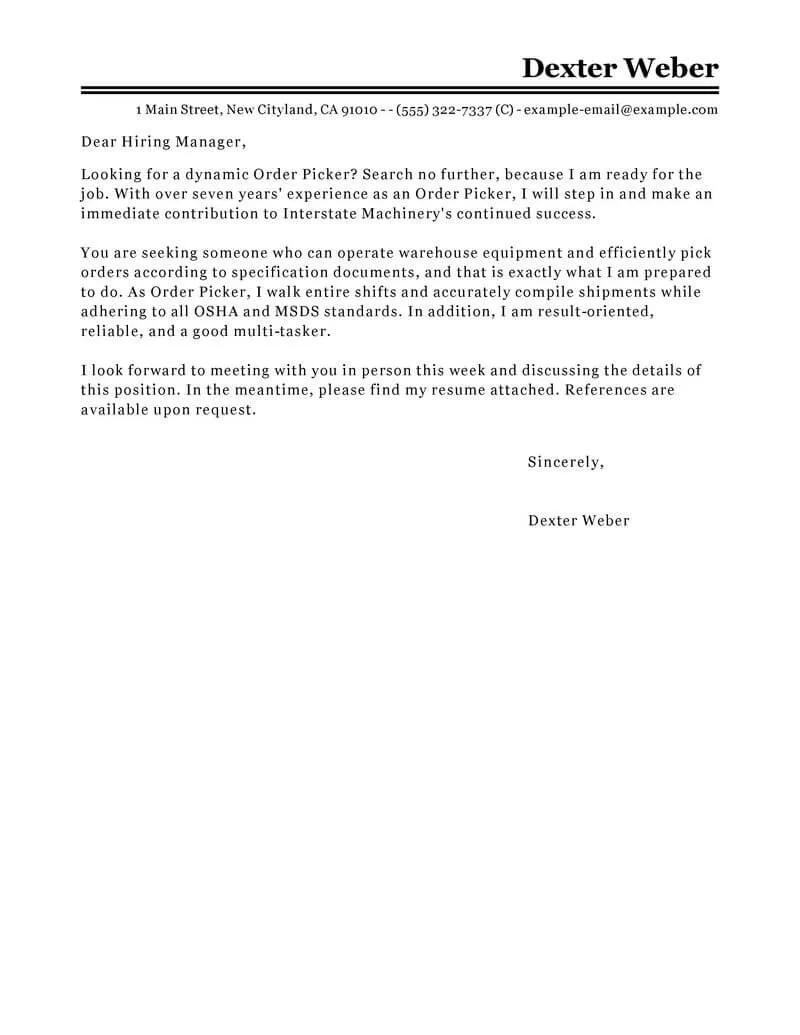
Reviewing cover letter examples can provide valuable insights and guidance. Many online resources offer examples of cover letters for military personnel. These examples can help you understand how to structure your letter, highlight your skills, and translate your military experience. Use these examples as a starting point, but always tailor your cover letter to the specific job and your own unique qualifications. Adapt the templates to your own needs. You can find a range of cover letters online. Use the templates to get the best results for your cover letter. Remember that it should be customized for your needs.