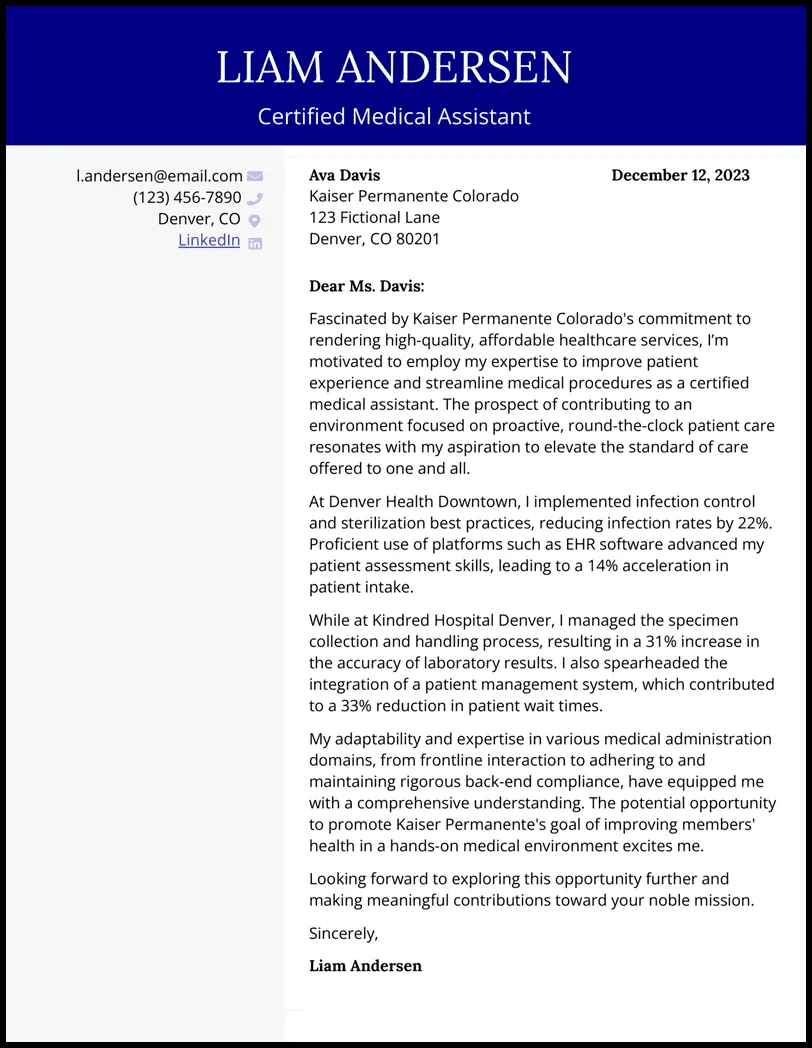
What is an MA Cover Letter
An MA cover letter is a crucial document accompanying your application to a Master’s program. It serves as your introduction to the admissions committee, allowing you to showcase your personality, qualifications, and aspirations in a way that a resume alone cannot. This letter provides a space to elaborate on your experiences, explain your motivations for pursuing the program, and highlight why you are a strong candidate.
Purpose of an MA Cover Letter
The primary purpose of an MA cover letter is to persuade the admissions committee to consider your application favorably. It demonstrates your genuine interest in the program and the institution. Moreover, it provides an opportunity to address any potential weaknesses in your application, clarify any gaps in your academic record, and demonstrate a deeper understanding of the field you intend to study.
Key Components

A well-crafted MA cover letter comprises several key components. These include a clear and concise introduction, a discussion of your relevant skills and experiences, a demonstration of your enthusiasm for the program, and a strong closing. Proper formatting, grammar, and a professional tone are also essential. The overall goal is to present a compelling case for your admission and to make you stand out from other applicants.
MA Cover Letter Structure
Structuring your MA cover letter logically is crucial for effective communication. A standard structure includes a heading, salutation, introduction, body paragraphs, closing, and signature. This clear organization helps the reader quickly grasp your key qualifications and understand your motivation for applying. This well-defined structure ensures that you present your information in a clear, concise, and engaging manner.
Heading and Contact Information
The heading of your cover letter should include your contact information and the recipient’s information. This section sets the tone for professionalism and allows the admissions committee to easily identify you and the program you are applying to. Ensure that all information is accurate and up-to-date to facilitate seamless communication throughout the application process.
Applicant’s Contact Info

At the top left of your cover letter, provide your full name, address, phone number, and email address. This ensures the recipient knows who you are and how to contact you. Double-check this information for accuracy before submitting your application. Include your LinkedIn profile, if you have one.
Recipient’s Contact Info
Directly below your contact information, include the recipient’s information. This typically includes the name of the admissions committee, the department, and the university’s address. If you know the name of the specific person reviewing applications, address the letter to them. This personalization demonstrates that you have done your research and are genuinely interested in the program.
Salutation
The salutation sets the tone for your letter. Use a professional greeting, such as “Dear [Name],” or “Dear Admissions Committee,” if you don’t have a specific contact. Avoid generic greetings like “To Whom It May Concern.” A personalized salutation shows respect and attention to detail, creating a positive first impression.
Body Paragraph 1

The first body paragraph introduces you and clearly states your intention: applying for the Master’s program. Briefly mention where you heard about the program or why you chose this specific institution. This is your opportunity to capture the reader’s attention and set the stage for the rest of your letter. Keep it concise and focused, highlighting your main objective.
Introduce Yourself and State Your Intention
Start by stating your name and clearly indicating the program you are applying for. Include a brief statement about your background, such as your undergraduate degree and the field of study. This sets the context for your application and quickly informs the reader about your academic foundation. Express your enthusiasm for the program and state your specific goals.
Body Paragraph 2
The second paragraph should highlight your relevant skills and experiences. This is where you demonstrate how your past experiences align with the program’s requirements and your future goals. Tailor this section to the specific program you are applying for. Use examples from your academic, professional, or volunteer experiences to support your claims. Quantify your achievements whenever possible.
Highlight Relevant Skills and Experiences

Focus on skills and experiences relevant to the MA program. These might include research skills, analytical abilities, communication skills, leadership experience, or specific technical skills. Use keywords from the program description to show you understand the program’s focus. Be specific and provide concrete examples demonstrating your skills in action.
Provide specific examples
Instead of just listing skills, provide specific examples that illustrate your abilities. For instance, instead of saying “Strong research skills,” describe a research project you completed, the methodologies you used, and the outcomes achieved. This provides concrete evidence of your capabilities and gives the admissions committee a clearer picture of your potential.
Body Paragraph 3
In the third paragraph, express your enthusiasm for the program and why you’ve chosen this specific institution. Explain what attracts you to the program, such as specific courses, research opportunities, or faculty members. Show that you have done your research and have a clear understanding of the program’s strengths and how they align with your goals. This shows a genuine interest.
Express Your Interest and Enthusiasm

Show your genuine interest in the program. Mention specific aspects of the program that appeal to you, such as particular courses, research opportunities, or the faculty’s expertise. Demonstrate that you have a clear understanding of the program’s goals and how they align with your own aspirations. Being enthusiastic shows your commitment.
Explain why the institution
Explain why you’re particularly interested in this institution. Mention specific faculty whose work interests you or unique resources that the university offers. Demonstrate that you’ve researched the institution and that it is a good fit for your academic and professional goals. This helps you stand out from other applicants.
Closing
Your closing paragraph should summarize your interest in the program and reiterate your enthusiasm. Thank the admissions committee for their time and consideration, and state that you look forward to hearing from them. This reinforces your positive impression and leaves a lasting impact on the reader. Conclude with a professional sign-off and your signature.
Formal Closing and Signature

Use a professional closing such as “Sincerely,” “Best regards,” or “Yours faithfully.” After your closing, leave space for your signature, then type your full name below. If submitting a digital application, you can type your name or insert a digital signature. Ensure your closing and signature maintain a professional tone.
Proofreading and Editing
Before submitting your MA cover letter, carefully proofread and edit it for any errors in grammar, spelling, and punctuation. Ensure that the letter is well-organized, flows smoothly, and communicates your message effectively. Ask a friend, professor, or career counselor to review your letter and provide feedback. A polished and error-free cover letter demonstrates your attention to detail and professionalism.