Crafting a Legal Cover Letter That Stands Out
A well-crafted legal cover letter is your first impression on a potential employer. It’s your opportunity to showcase your skills, experience, and enthusiasm for the legal profession. This guide provides top tips to help you create a compelling cover letter that grabs attention and increases your chances of landing an interview. Remember, a strong cover letter is not just a formality; it’s a crucial tool in your job search arsenal. It allows you to demonstrate your writing abilities, highlight your relevant qualifications, and express your personality in a way that a resume alone cannot. By following these guidelines, you can create a document that sets you apart from the competition and positions you for success in your legal career. The key is to be strategic, targeted, and professional in your approach.
Understanding the Purpose of a Legal Cover Letter
The primary purpose of a legal cover letter is to introduce yourself and your qualifications to a prospective employer. It serves as a personalized introduction, going beyond the basic information presented in your resume. A strong cover letter should articulate your career goals, explain why you are interested in the specific position and company, and highlight the skills and experiences that make you a suitable candidate. Furthermore, it allows you to elaborate on specific achievements, provide context for your qualifications, and demonstrate your writing and communication skills. In essence, the legal cover letter provides a platform to showcase your personality, passion for the law, and suitability for the role, ultimately encouraging the hiring manager to review your resume in detail and consider you for an interview. Using a clear and concise writing style is an important aspect.
Key Components of a Legal Cover Letter

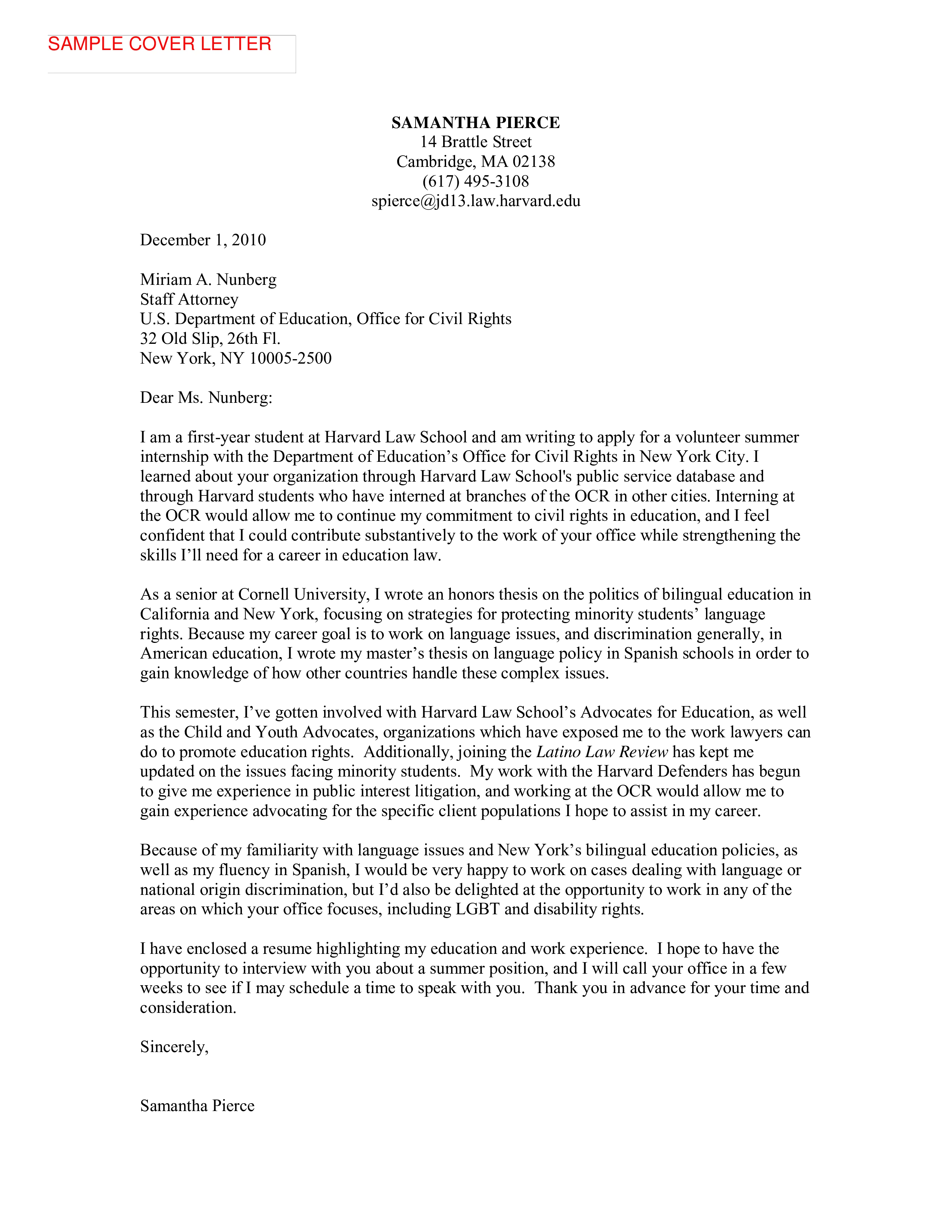
A well-structured legal cover letter contains several essential components. These elements work together to create a comprehensive and persuasive presentation of your qualifications. Including a professional header, a clear and concise body and closing and using the correct format is also essential to ensure that the recruiter is impressed with your letter. Each section of your cover letter must be structured in a way to clearly convey the most important things you have to offer to the potential employer. Ensure your letter follows the correct formatting, so that the recruiter can easily read the letter and understand your qualifications.
Contact Information Section
Start with your contact information at the top of the letter. Include your full name, address, phone number, and professional email address. This ensures that the hiring manager can easily reach you. Maintain a professional email address; avoid using nicknames or unprofessional language. Ensure that the contact information is accurate and up-to-date. This section is the first impression and sets the tone for the rest of the letter. It’s a simple yet vital component of a well-crafted cover letter, ensuring that recruiters can easily reach out to you to discuss your application further or schedule an interview.
Addressing the Hiring Manager
Always address your cover letter to a specific person whenever possible. Research the hiring manager’s name and title. Addressing the letter to a specific person shows that you have taken the initiative to learn about the firm and demonstrates respect. If you cannot find the name of the hiring manager, use a professional greeting such as ‘Dear Hiring Committee’ or ‘Dear [Name of Department] Hiring Team.’ Avoid generic greetings such as ‘To Whom It May Concern,’ as they can make your letter feel impersonal. The goal is to personalize your letter and make a positive first impression.
Opening Paragraph

The opening paragraph should immediately capture the reader’s attention. State the position you are applying for and where you saw the job posting. Briefly mention why you are interested in the role and the firm. Consider including a concise statement about your most relevant skill or achievement to grab the reader’s interest from the start. This is your chance to make a strong first impression. It should be clear, concise, and demonstrate your understanding of the job requirements and your enthusiasm for the opportunity. Avoid generic statements; tailor your opening to the specific job and firm. This creates an opportunity to show the recruiter the skills that you have and why you are the best candidate for the job.
Highlighting Your Skills and Experience
This is where you showcase your relevant skills and experience. Use specific examples to illustrate your qualifications. Instead of simply listing your skills, provide context and demonstrate how you have applied them in previous roles or academic experiences. This section should align directly with the job description; identify the key requirements and highlight how your skills and experience meet those needs. Quantify your achievements whenever possible using numbers and data to demonstrate your impact. This part of the letter is designed to show the recruiter how you excel in the job you are applying for and all the skills you have to offer them.
Showcasing Relevant Legal Skills
Focus on the skills most relevant to the job. These might include legal research, writing, analysis, negotiation, client communication, and case management. Provide specific examples of how you have used these skills in practice. For example, if you are applying for a litigation position, highlight your experience in drafting pleadings, conducting discovery, or preparing for trial. Demonstrate your proficiency in legal research using databases such as Westlaw or LexisNexis. Tailor the skills you highlight to match the job description; this shows that you have read the job posting carefully and understand the requirements. Using your best skills in the cover letter is a great way to impress the recruiter and get you noticed quickly.
Quantifying Achievements

Whenever possible, quantify your achievements. Instead of saying ‘I successfully managed cases,’ say ‘Managed a caseload of 50+ cases, resulting in a 15% reduction in pending cases.’ Numbers and data provide concrete evidence of your impact and performance. Use metrics to demonstrate your contributions, such as the number of cases you handled, the amount of money you recovered for clients, or the percentage of cases you won. Quantifiable achievements make your cover letter more compelling and memorable. It provides the recruiter with an understanding of the success you have had in previous jobs and provides them with a concrete idea of how you can contribute to the company.
Tailoring Your Cover Letter to the Job
Customize your cover letter for each job application. Generic cover letters are easily recognized and often discarded. Read the job description carefully and identify the key requirements and keywords. Use these keywords throughout your cover letter to show that you understand the needs of the position. Highlight the skills and experiences that align with the specific job requirements. Personalization demonstrates your genuine interest in the role and the firm. Taking the time to tailor your letter shows your commitment to the job and increases your chances of making a positive impression. The importance of this step is very important to ensure you get noticed by the recruiter.
Researching the Law Firm or Employer
Before writing your cover letter, research the law firm or employer. Visit their website, read about their practice areas, and learn about their values and culture. This information will help you tailor your cover letter to demonstrate your interest in the firm and your understanding of its mission. Mentioning specific aspects of the firm’s work or values shows that you have taken the time to learn about them. This research will also help you determine if the firm is a good fit for your career goals and preferences. Understanding the company you are applying for and aligning the details with the content in your cover letter is a great way to increase your chances of being hired.
Matching Skills with Job Requirements

Carefully review the job description and identify the required skills and qualifications. Make sure your cover letter clearly demonstrates how your skills and experience align with these requirements. Use the same keywords and phrases from the job description to show that you understand the needs of the position. Provide specific examples of how you have successfully applied those skills in the past. This targeted approach demonstrates that you are a strong fit for the role and increases the likelihood of your application being considered. Showing that you meet the job requirements is essential for the job you want to get.
Closing Your Legal Cover Letter Effectively
The closing of your cover letter is your final opportunity to make a strong impression. It should summarize your key qualifications, reiterate your interest in the position, and include a clear call to action. Ensure your closing is professional and enthusiastic, leaving the recruiter with a positive lasting impression. A strong closing reaffirms your suitability for the role and encourages the hiring manager to take the next step. When crafting your closing paragraph, avoid generic statements and instead personalize it to show your unique value and interest in the company. This helps the recruiter remember you as a professional candidate.
Expressing Enthusiasm and Interest
Reiterate your enthusiasm for the position and the firm in your closing paragraph. Briefly summarize why you are excited about the opportunity and how your skills and experience align with the job requirements. Expressing genuine interest demonstrates your commitment and increases your chances of being selected for an interview. Use positive and enthusiastic language to convey your excitement and passion for the legal field. Show the recruiter you are ready and eager to begin working for them. Expressing enthusiasm and interest makes the recruiter more likely to call you for an interview.
Call to Action

Include a clear call to action in your closing. Request an interview or express your availability for a phone call. Make it easy for the hiring manager to take the next step. Thank the hiring manager for their time and consideration. Keep your call to action concise and direct, making it clear what you want them to do next. The goal is to prompt the hiring manager to respond to your application. A clear call to action keeps the application process moving forward. The recruiter is given a reason to contact you when you include a call to action.
Formatting and Proofreading Your Legal Cover Letter
Proper formatting and careful proofreading are essential to ensure your cover letter is professional and error-free. A well-formatted and polished cover letter reflects your attention to detail and professionalism. Before you submit your cover letter, review it carefully to avoid errors. When formatting your cover letter, always take into account the rules of the job you are applying for. Poorly formatted or error-filled cover letters can create a negative impression and undermine your qualifications. Ensure your cover letter is easy to read and free of errors to make the best impression on the recruiter.
Formatting Best Practices
Use a professional font such as Times New Roman, Arial, or Calibri. Maintain consistent formatting throughout your letter. Use single spacing within paragraphs and double spacing between paragraphs. Use a standard 1-inch margin on all sides. Keep your letter concise; aim for no more than one page. Use clear headings and subheadings to organize your content and make it easier to read. Proper formatting enhances readability and professionalism, leaving a positive impression on the hiring manager. A well-formatted cover letter shows the recruiter that you care about all of the small details.
Proofreading for Errors

Carefully proofread your cover letter for any grammatical errors, spelling mistakes, and typos. Read your letter aloud to catch any awkward phrasing or unclear sentences. Ask a friend or colleague to proofread your letter as a second pair of eyes can often catch errors you might miss. Pay close attention to details such as the correct use of punctuation and capitalization. Proofreading is an essential step in creating a polished and professional cover letter. A proofread letter is often perceived as a candidate with attention to detail. Taking the time to proofread can greatly improve the recruiter’s perception of your cover letter and lead you closer to getting the job you want.