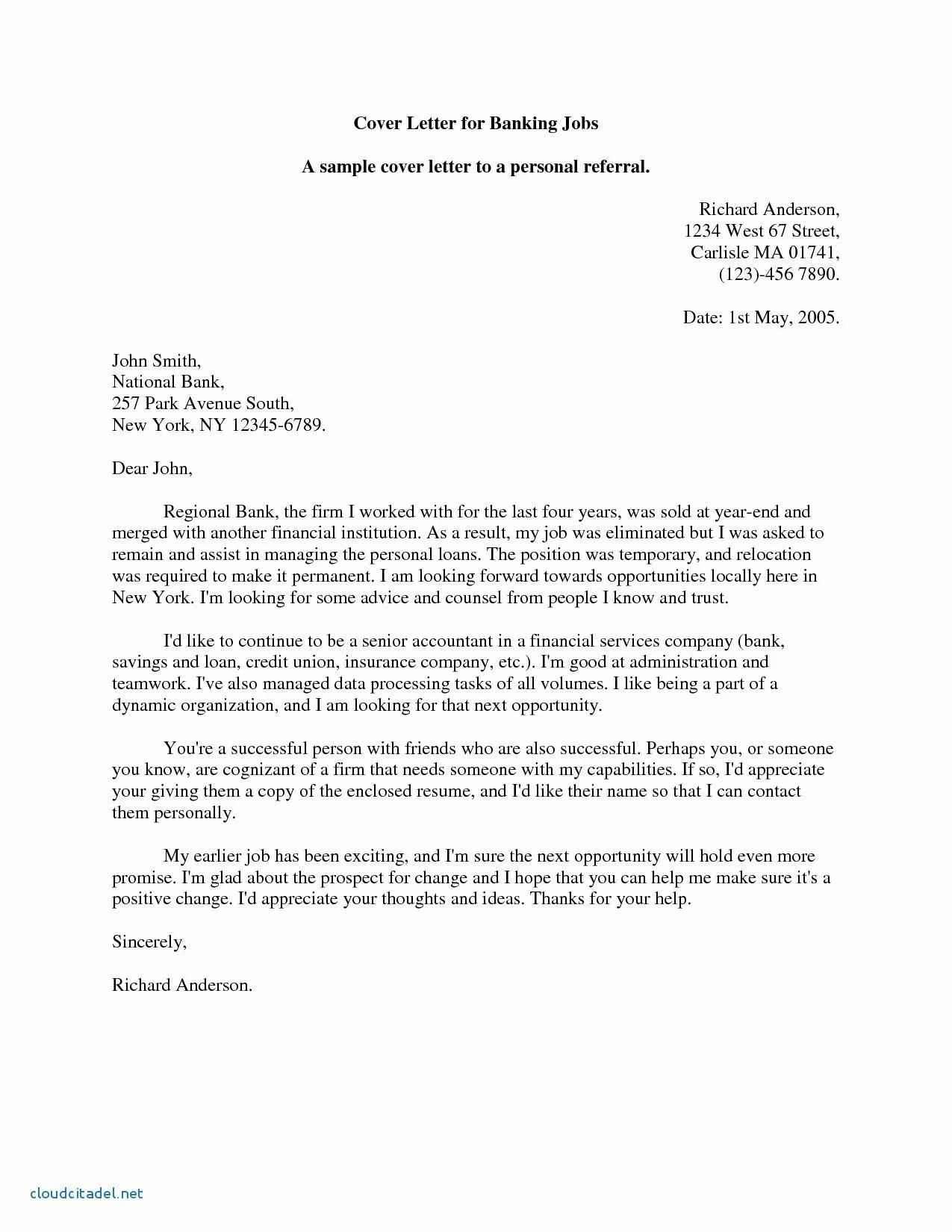
Understanding the Investment Banking Cover Letter
An investment banking cover letter is more than just a formality; it’s your first real opportunity to make a strong impression on a potential employer. It provides a platform to showcase your personality, express your genuine interest in the role and the firm, and highlight your relevant skills and experiences. Unlike your resume, which presents a factual account of your qualifications, the cover letter allows you to weave a narrative that connects your aspirations with the employer’s needs. It is a crucial document in the competitive world of investment banking and can significantly impact whether your application proceeds to the next stage or is immediately disregarded. A well-crafted cover letter serves as your advocate, demonstrating your understanding of the industry and your suitability for the position, setting you apart from other candidates.
Key Components of a Winning Cover Letter
Header and Contact Information

Start with a professional header that includes your full name, contact number, email address, and LinkedIn profile URL. Ensure your contact information is current and easily accessible. Also, include the date and the hiring manager’s name and title, if you know it (research the company website or LinkedIn). Proper formatting and presentation of this section show attention to detail and professionalism, qualities highly valued in investment banking. Always double-check the accuracy of the information provided to avoid any errors that might lead to your application being overlooked. Proper presentation is key; therefore, use a clear and readable font and maintain consistent formatting throughout the entire document.
The Salutation
The salutation is your first point of contact and sets the tone for the entire letter. If you know the hiring manager’s name, use “Dear Mr./Ms. [Last Name].” This personalized approach demonstrates that you’ve taken the time to research the company and the specific role. Avoid generic greetings like “To Whom It May Concern.” If you are unable to find the name of the hiring manager, “Dear Hiring Manager” is an acceptable alternative. Make sure to correctly spell the hiring manager’s name and the company’s name, as such small errors can be a negative indicator from the recruiter. A professional and well-targeted salutation signifies respect and indicates your commitment to securing the position. Always proofread for any typos to maintain the professional tone.
The Introduction – Grabbing Their Attention
Your introduction should immediately capture the reader’s attention. Start with a brief, compelling statement about why you are writing and the specific role you are applying for. Highlight your passion for investment banking and mention how you learned about the opportunity. Briefly touch upon your key qualifications and how they align with the job requirements. Avoid generic opening lines; instead, tailor your introduction to reflect your unique experiences and aspirations. Show enthusiasm and make it clear that you understand the company’s mission. This introductory paragraph is your elevator pitch, and it should convey your eagerness to contribute to the company’s success. The introduction should make the reader want to learn more.
Highlighting Your Interest and Motivation

Express your genuine interest in investment banking and, more specifically, the firm you’re applying to. Detail your reasons for pursuing a career in this field. Explain what motivates you to work in investment banking. Mention any particular deals or transactions that have captured your interest and demonstrate your knowledge of the industry. Share what excites you about the firm’s culture, values, and recent accomplishments. Make it clear why you want to join their team and how your values align with theirs. Be specific and authentic to showcase your passion and commitment. Highlighting this interest demonstrates your motivation and differentiates you from candidates who may view it as just another job.
Showcasing Your Relevant Skills and Experience
This is the core of your cover letter. Provide specific examples that demonstrate your skills and experiences. Focus on achievements rather than just listing responsibilities. Quantify your accomplishments whenever possible using numbers, percentages, or other measurable data to showcase your impact. Relate your experiences to the specific requirements outlined in the job description. Use action verbs to describe your contributions, such as ’led,’ ‘managed,’ ‘analyzed,’ and ’executed.’ Emphasize the skills most relevant to the role, such as financial modeling, valuation, market analysis, and deal execution. This section should be a concise summary of your key qualifications, supported by concrete examples, making a strong case for why you are the best fit for the position.
Quantifiable Achievements
Quantifiable achievements are crucial to making a strong impact. Instead of merely stating what you did, provide data that illustrates your results. For example, instead of writing ‘Improved efficiency,’ state ‘Improved operational efficiency by 15% through process optimization.’ When describing your work experience, always highlight your accomplishments using metrics. This gives concrete evidence of your abilities and the value you bring to the company. Use numbers, percentages, and dollar amounts whenever possible to make your achievements more tangible and demonstrate your impact. This objective approach shows employers that you are results-oriented and can deliver positive outcomes, which are important in investment banking.
Technical Skills

Investment banking requires a solid foundation of technical skills. Showcase your proficiency in financial modeling, valuation, and other relevant areas. Mention specific software and tools you’re proficient with, such as Excel (including VBA), Bloomberg, or other financial analysis software. Highlight your understanding of financial statements, accounting principles, and capital markets. If you have any certifications or training in financial analysis, be sure to mention them. Adapt your skill list to match the job description’s requirements, highlighting skills that are most relevant to the role. Displaying your technical expertise shows that you are well-prepared to handle the complexities of investment banking.
Financial Modeling
Financial modeling is a fundamental skill in investment banking. Describe your experience creating and using financial models to perform valuation analysis, build forecasts, and assess investment opportunities. Highlight your ability to build complex, accurate, and adaptable models that support strategic decision-making. Provide specific examples of how you have used financial modeling in your previous roles or academic projects. Mention the types of models you’ve created, such as DCF, LBO, or M&A models. Display your familiarity with financial ratios and how you incorporate them into your models to analyze business performance. Demonstrate a strong understanding of assumptions, sensitivities, and the overall model build process, showcasing your capacity to predict outcomes and make informed financial decisions.
Market Analysis
Market analysis is crucial for understanding trends, risks, and opportunities. Demonstrate your ability to conduct market research, analyze industry dynamics, and assess competitive landscapes. Describe your experience using market data sources, such as Bloomberg, FactSet, or Thomson Reuters. Showcase your proficiency in analyzing market data to identify trends and make informed investment recommendations. Explain how you have used market analysis to support deal origination, due diligence, and valuation. If you have presented market insights or findings to key stakeholders, be sure to highlight that experience. Display your understanding of key market indicators and how they are used in the investment banking process to improve your chances of being hired.
Demonstrating Your Knowledge of the Firm

Demonstrate a genuine interest in the firm you’re applying to by showcasing your knowledge of its recent deals, culture, and values. This shows that you have done your homework and are genuinely interested in joining the organization. Mention specific transactions the firm has completed and explain why they interest you. Discuss the firm’s recent successes and any unique aspects of its operations that you admire. Show that you understand the firm’s business model, its industry focus, and its competitive positioning. Tailor your letter to the company by referencing specific information from its website, press releases, and news articles. This targeted approach demonstrates that you are willing to go above and beyond, setting you apart from other candidates.
Researching the Company and its Culture
Before writing your cover letter, invest time in thoroughly researching the company. Visit the firm’s website, read recent press releases, and check social media for insights into its culture and values. Understand the firm’s mission and its current projects and achievements. Look for information on the company’s leadership team and its recent activities. Explore the firm’s core values and mention them in your letter to show alignment with their culture. Also, research the firm’s past deals, its strategic direction, and any recent developments. You could highlight any events, news, or recognitions that impressed you. All this research demonstrates your initiative and dedication to joining the company. Proper research provides essential context and helps to create a compelling cover letter.
Tailoring Your Letter to the Specific Role
Customize each cover letter to the specific job description. Review the job requirements and highlight the skills and experiences most relevant to the position. Use keywords from the job description to demonstrate your understanding of the role. Rephrase your experiences to align with the job’s needs, and tailor your examples to demonstrate your ability to meet the job requirements. Show how your skills, experience, and motivation align with the job’s duties and responsibilities. Avoid using a generic template; instead, modify your letter to reflect your understanding of the role and the company. By tailoring your letter, you demonstrate your attention to detail and your commitment to the specific opportunity. This approach significantly increases your chances of being selected for an interview.
The Closing – Making a Strong Impression

Your closing paragraph should reiterate your interest in the role and the company. Briefly summarize your key qualifications and reiterate your enthusiasm. Express your gratitude for the reader’s time and consideration, and state your interest in an interview. Include a call to action and be explicit about how you will follow up. Reiterate your contact information. The closing should be concise, professional, and leave a positive impression of your interest. A well-written closing reinforces your qualifications and leaves the hiring manager with a clear understanding of why you are a good fit for the role and firm. A strong closing secures your position in the mind of the reader.
Expressing Gratitude and Next Steps
In your closing, express gratitude for the hiring manager’s time and consideration. Thank them for considering your application. State that you are eager to learn more about the position and the firm. Include a clear call to action, such as indicating that you will follow up within a week or two. Reiterate your contact information to ensure that it is easy for the reader to reach you. Be professional and enthusiastic in your closing to leave a positive impression. Remember that a sincere thank you and a clear statement of your intentions can reinforce your keen interest in the role and company. This creates a professional closing and demonstrates your eagerness to proceed to the next stage.
Proofreading and Formatting
Before submitting your cover letter, meticulously proofread the document for any errors in grammar, spelling, and punctuation. Ensure the letter is formatted clearly, with consistent font sizes, spacing, and margins. Have someone else review your letter to catch any mistakes you may have missed. Pay close attention to the tone, making sure it is professional and appropriate for the industry. A well-formatted and error-free cover letter shows attention to detail and professionalism, which are essential qualities in investment banking. Proofreading helps prevent potentially costly errors and helps ensure your qualifications are presented professionally. Always prioritize clarity and accuracy to enhance your chances of success.
Common Mistakes to Avoid

Generic and Vague Language
Avoid generic and vague language that could apply to any job. Focus on specific achievements and quantifiable results. Instead of using clichés like ‘hard worker’ or ’team player,’ provide examples that demonstrate these qualities. Avoid using vague terms that do not convey concrete information. Be specific about your skills and experiences, and tailor your letter to the particular job requirements. Vague language does not provide value and does not grab the attention of the reader. Using specific language will set you apart, and make your cover letter more engaging. Precise language reflects clarity of thought and a professional approach.
Focusing on Yourself Too Much
While it’s important to highlight your skills and experience, avoid focusing too much on yourself. Frame your accomplishments in terms of how they benefited your previous employers. Relate your qualifications to the needs of the hiring company. Show how your skills can help the company achieve its goals and contribute to its success. Your goal should be to prove how you can provide value to the firm. This is achieved by emphasizing the impact of your contributions. Shift the focus to the employer’s needs, and demonstrate that your skills align with the job’s requirements. A focus on the company indicates that you are a team player and can also deliver value.
Typos and Grammatical Errors

Typos and grammatical errors can instantly undermine your credibility. Proofread your cover letter thoroughly before submitting it. Use a spell checker, but also read the letter carefully to catch any mistakes the spell checker might miss. Ask a friend or career advisor to review the document for errors. Errors can create the impression that you lack attention to detail, which is critical in investment banking. These mistakes can damage your chances of landing an interview. Be sure to make your cover letter error-free; it shows professionalism and a commitment to excellence.
Length of Cover Letter
Keep your cover letter concise and to the point, ideally one page long. Hiring managers are busy, and they want to quickly understand your qualifications. Avoid overly long paragraphs and repetitive information. Focus on what is most relevant to the job. The letter should briefly present your key qualifications and showcase how they are aligned with the job description’s requirements. A concise, well-written cover letter reflects that you value the reader’s time and can communicate your ideas efficiently. Ensure your cover letter is brief and effective to make the best impression on the hiring manager.