What is an Instructor Cover Letter
An instructor cover letter is a crucial document that accompanies your resume when applying for a teaching position at a community college. It serves as an introduction, allowing you to highlight your qualifications, experience, and enthusiasm for the role. Unlike a resume, which provides a factual overview of your background, a cover letter provides context and allows you to showcase your personality and writing skills. It is your opportunity to make a strong first impression and convince the hiring committee that you are the ideal candidate for the position. A well-crafted cover letter can significantly increase your chances of getting an interview, setting you apart from other applicants who may have similar qualifications. Therefore, investing time and effort into writing a compelling cover letter is a worthwhile endeavor for any aspiring instructor.
Why is a Cover Letter Important
A cover letter is important because it is your first and often only opportunity to connect with the hiring committee on a personal level. It provides a platform to explain why you are a good fit for the specific community college and the role in question. It shows your motivation, your communication skills, and your understanding of the job requirements. Furthermore, it allows you to highlight aspects of your experience and qualifications that might not be fully evident in your resume. A well-written cover letter can demonstrate your research into the institution and your genuine interest in the position. It also helps you tailor your application to each specific role, showing that you’ve taken the time to understand the needs of the community college and how your skills and experience align with them. Many hiring managers use cover letters to assess a candidate’s writing skills, attention to detail, and overall professionalism.
Highlighting Your Qualifications
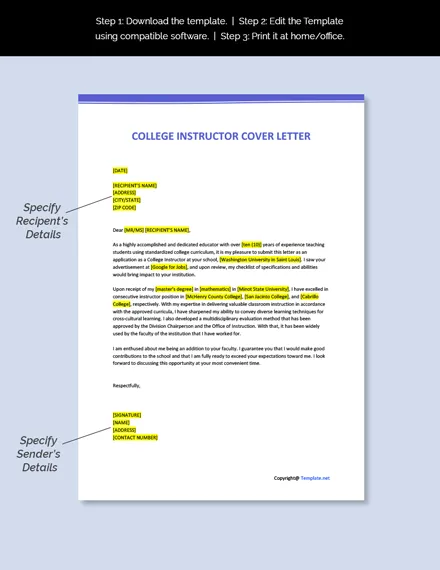
When highlighting your qualifications in your instructor cover letter, be sure to focus on the skills and experiences that directly relate to the job description. This tailored approach demonstrates your understanding of the position and your ability to meet the specific needs of the community college. Providing concrete examples from your previous teaching experience is key. Instead of just stating you have experience, describe a time when you successfully implemented a new teaching method, developed a curriculum, or helped students achieve specific learning outcomes. Quantify your accomplishments whenever possible. For example, state the percentage of students who improved their grades or the number of students who successfully completed a particular project under your guidance. This provides tangible evidence of your teaching effectiveness. Remember to align your qualifications with the college’s mission and values, showing that you understand and are committed to the goals of the institution. Also, be sure to highlight any relevant certifications or professional development courses you have completed.
Showcasing Education
Your education is a cornerstone of your qualifications as an instructor, and your cover letter is the perfect place to showcase it. Start by clearly stating your degrees and the institutions from which you earned them. Mention any specializations or areas of focus within your degree programs that align with the job requirements. Briefly describe relevant coursework or projects that demonstrate your expertise in the subject matter. If you have earned any honors, awards, or scholarships during your academic career, be sure to include them. These achievements showcase your dedication, academic excellence, and potential as an educator. Furthermore, if you have pursued any advanced degrees or certifications, such as a Ph.D. or a teaching credential, highlight them prominently. These credentials indicate your commitment to ongoing professional development and your dedication to providing the best possible education to your students. Mentioning specific skills or knowledge gained from your education that are applicable to the position strengthens your candidacy.
Emphasizing Experience
Your experience is the practical application of your knowledge, and your cover letter is the place to bring it to life. Start by summarizing your relevant teaching experience, including the institutions where you taught, the subjects you taught, and the grade levels or student populations you served. Provide specific examples of your teaching methodologies, such as your use of active learning strategies, technology integration, or differentiated instruction. Highlight your ability to create engaging lesson plans, develop effective assessments, and manage a classroom environment. If you have experience mentoring students, advising student organizations, or participating in curriculum development, be sure to include these experiences as they demonstrate your commitment to supporting student success. Don’t just list your responsibilities; describe your accomplishments and the impact you had on students or the institution. For instance, mention how you improved student outcomes or implemented a successful new program.
Tailoring Your Letter to the Role

One of the most important aspects of writing a successful instructor cover letter is tailoring it to the specific community college and the position you are applying for. This demonstrates to the hiring committee that you have taken the time to research the institution and understand its needs. Begin by carefully reviewing the job description and identifying the key qualifications, skills, and experiences that the college is seeking. Then, customize your cover letter to address these specific requirements. Use keywords and phrases from the job description to show that you understand the role and how your qualifications align. Additionally, adapt your letter to the specific community college by mentioning its mission, values, and any unique programs or initiatives that resonate with you. This demonstrates that you are not just sending a generic application but that you are genuinely interested in the college and its community. Doing your research to find out about the college makes you stand out.
Researching the Community College
Before writing your cover letter, take the time to thoroughly research the community college. Visit the college’s website to learn about its mission, values, and strategic goals. Explore the academic departments and programs to gain a deeper understanding of the courses and subjects offered. Read the college’s student handbook, faculty profiles, and any recent news or publications to get a sense of its culture and priorities. Identifying the college’s specific needs and challenges can help you tailor your letter to demonstrate how your skills and experience can contribute to its success. Look for any initiatives or programs that align with your teaching philosophy or areas of expertise. Demonstrating your knowledge of the college shows that you are genuinely interested in the position and that you have taken the initiative to learn more about the institution. This level of preparation and understanding can significantly increase your chances of making a positive impression on the hiring committee.
Addressing Specific Requirements
Carefully review the job description to identify any specific requirements or qualifications the community college is seeking. These may include particular certifications, software skills, or experience with specific teaching methodologies or student populations. In your cover letter, address these requirements directly, providing specific examples of how you meet each one. If the job description mentions a need for experience with online teaching platforms, for instance, describe your experience using such platforms. If the college emphasizes its commitment to diversity and inclusion, highlight your experience working with diverse student populations or promoting inclusivity in the classroom. Don’t just state that you meet the requirements; provide concrete examples and evidence. For example, if the job description requires experience with curriculum development, describe a specific curriculum you designed and the outcomes achieved. Tailoring your letter in this way demonstrates your attention to detail and your ability to meet the needs of the community college.
Writing a Compelling Opening

The opening of your instructor cover letter is critical, as it sets the tone and grabs the reader’s attention. Instead of starting with a generic phrase, such as “Dear Hiring Manager,” try a more engaging approach. Consider mentioning the specific position you are applying for and where you saw the job posting. Then, immediately state your enthusiasm for the opportunity and briefly summarize your key qualifications or teaching philosophy. Avoid clichés or generic statements. Instead, aim to create a hook that captures the reader’s interest from the very beginning. If you have a particularly relevant accomplishment or experience, consider mentioning it in the opening to make a strong initial impression. The opening should quickly convey your understanding of the role and your excitement about the opportunity.
Grabbing Their Attention Immediately
To grab the hiring committee’s attention immediately, consider using a compelling opening statement that showcases your personality and passion for teaching. Share a brief story or anecdote that illustrates your teaching philosophy or a specific skill. Use a powerful quote or a thought-provoking question to engage the reader and create an immediate connection. Make it clear what makes you unique. Highlight your relevant experience and how your qualifications align with the job requirements. For example, you might mention a successful teaching method you’ve used or a specific project you’ve led. Make sure the opening clearly and concisely conveys your enthusiasm for the position and your understanding of the community college’s needs. The goal is to make the hiring committee want to read more, prompting them to delve further into your qualifications.
Structuring the Body of the Letter
The body of your instructor cover letter should be well-organized and easy to read. Start by introducing yourself and your purpose for writing. Use clear and concise language to highlight your qualifications, skills, and experience. Group related information into paragraphs with clear topic sentences. This structure helps the reader understand the key points of your letter. When discussing your qualifications, provide specific examples and evidence to support your claims. Instead of simply stating that you have experience with student engagement, describe specific strategies you have used to motivate students and improve their learning outcomes. Keep each paragraph focused on a single idea or aspect of your qualifications. This will prevent the letter from becoming disjointed and confusing. Use headings and subheadings to break up the text and guide the reader through the various sections of your letter. The overall goal is to make your letter as easy as possible to understand and for the reader to recognize why you are qualified.
Demonstrating Your Skills

Your cover letter should clearly demonstrate your skills as an instructor, emphasizing those that are most relevant to the position. Focus on your teaching abilities, communication skills, and ability to create a positive and engaging learning environment. Provide concrete examples to showcase how you have applied these skills in the classroom. For instance, describe how you use active learning strategies, incorporate technology, or differentiate instruction to meet the needs of diverse learners. Highlight your ability to manage a classroom, facilitate discussions, and provide constructive feedback. If the job description mentions specific skills, be sure to address them directly in your letter, providing evidence of your competence. Consider the skills that will be the most critical for the position. Then describe situations where you used these skills. This approach not only showcases your skills but also demonstrates your understanding of the role and your ability to contribute to the community college’s mission. The letter is a testament to your teaching skills and abilities.
Providing Evidence of Achievements
In your instructor cover letter, provide tangible evidence of your achievements to demonstrate your effectiveness as an educator. Rather than simply listing your responsibilities, quantify your accomplishments whenever possible. For example, state the percentage of students who improved their grades or the number of students who successfully completed a project under your guidance. Highlight any awards, recognitions, or positive feedback you have received from students, colleagues, or supervisors. Describe specific initiatives or programs you have implemented and the results they have yielded. If you have experience with curriculum development, detail any new courses or programs you have designed or contributed to, along with the positive impact they had on student learning. Provide examples of how you have adapted to changing teaching environments or implemented innovative teaching methods. Including concrete achievements and evidence of your impact will significantly enhance your credibility and strengthen your application.
Closing Your Letter Effectively
The closing of your instructor cover letter is your final opportunity to make a positive impression. Express your enthusiasm for the position and reiterate your interest in the community college. Thank the hiring committee for their time and consideration. Include a clear call to action, such as requesting an interview or expressing your availability to discuss your qualifications further. Reiterate your contact information, including your phone number and email address, to make it easy for the hiring committee to reach you. Proofread the entire letter one last time to ensure there are no errors or typos. A well-crafted closing demonstrates your professionalism and reinforces your interest in the position.
Expressing Enthusiasm and Interest

In your closing, clearly express your enthusiasm for the instructor position and reiterate your interest in the community college. Convey your excitement about the opportunity to contribute to the institution’s mission and its commitment to student success. Show that you are a good fit. Reference specific aspects of the job description or the community college’s mission that resonate with you, demonstrating your genuine interest. For example, you could mention the college’s focus on providing accessible education or its commitment to serving a diverse student population. Avoid generic closing statements. Personalize your closing to reflect your genuine passion for teaching and your specific interest in the community college. This will leave a lasting positive impression and increase your chances of getting an interview.
Including Contact Information
In the closing of your cover letter, be sure to include your contact information. Make it easy for the hiring committee to reach you. Provide your phone number and professional email address. Double-check to ensure the information is accurate. Consider including a link to your online professional profile, such as LinkedIn, if you have one. This provides an additional way for the hiring committee to learn more about your qualifications and experience. By providing clear and accessible contact information, you demonstrate your professionalism and eagerness to be contacted for an interview. Including your contact information makes it easy for them to reach out when they are ready.
Proofreading and Editing
Before submitting your instructor cover letter, it is essential to proofread and edit it carefully. Errors in grammar, spelling, and punctuation can create a negative impression and undermine your credibility. Read your letter slowly and meticulously, checking for any mistakes. Use a spell checker and grammar checker, but don’t rely on them entirely. Read your letter aloud to catch any awkward phrasing or inconsistencies. Ask a friend, colleague, or career advisor to proofread your letter as well. A fresh pair of eyes can often catch errors you may have missed. Ensure the letter is clear, concise, and well-organized. Remove any unnecessary words or phrases and revise any sentences that are unclear or confusing. Proofreading and editing show your attention to detail and your commitment to presenting a polished and professional application.
Ensuring Accuracy

Accuracy is paramount in your instructor cover letter. Verify all the information, including the names of the hiring manager, the community college, and the specific position. Make sure the dates, titles, and any other factual details are correct. Double-check the job description to make sure you have addressed all the required qualifications and skills. Review your resume to ensure that the information in your cover letter is consistent with your resume. Misspelled names, incorrect dates, or inaccurate information can raise doubts about your attention to detail and can potentially lead to your application being rejected. Take the time to ensure that your cover letter is a true and accurate representation of your qualifications and experience.
Formatting the Letter
The formatting of your instructor cover letter is important to ensure it is easy to read and visually appealing. Use a professional font, such as Times New Roman, Arial, or Calibri, in a standard size (11 or 12 points). Use one-inch margins on all sides. Use a clear and logical structure with appropriate headings and subheadings. The letter should be well-spaced and easy on the eye. Use a standard business letter format, including your contact information, the date, the hiring manager’s name and address, a salutation, the body of the letter, a closing, and your signature. Keep the letter concise, aiming for no more than one page. A well-formatted cover letter demonstrates your professionalism and attention to detail and enhances your chances of making a positive first impression.
Key Takeaways
Writing an effective instructor cover letter is essential for landing a teaching position at a community college. You must highlight your qualifications, showcase your education and experience, and tailor your letter to the specific role. Research the community college, address specific requirements, and write a compelling opening and closing. Proofread and edit your letter carefully to ensure accuracy and professional formatting. Remember, your cover letter is your opportunity to stand out from the crowd and demonstrate your passion for teaching. By following these steps, you can create a cover letter that gets you noticed and gets you hired. A well-written cover letter can open doors to your teaching career, so invest your time and effort into creating the perfect application.