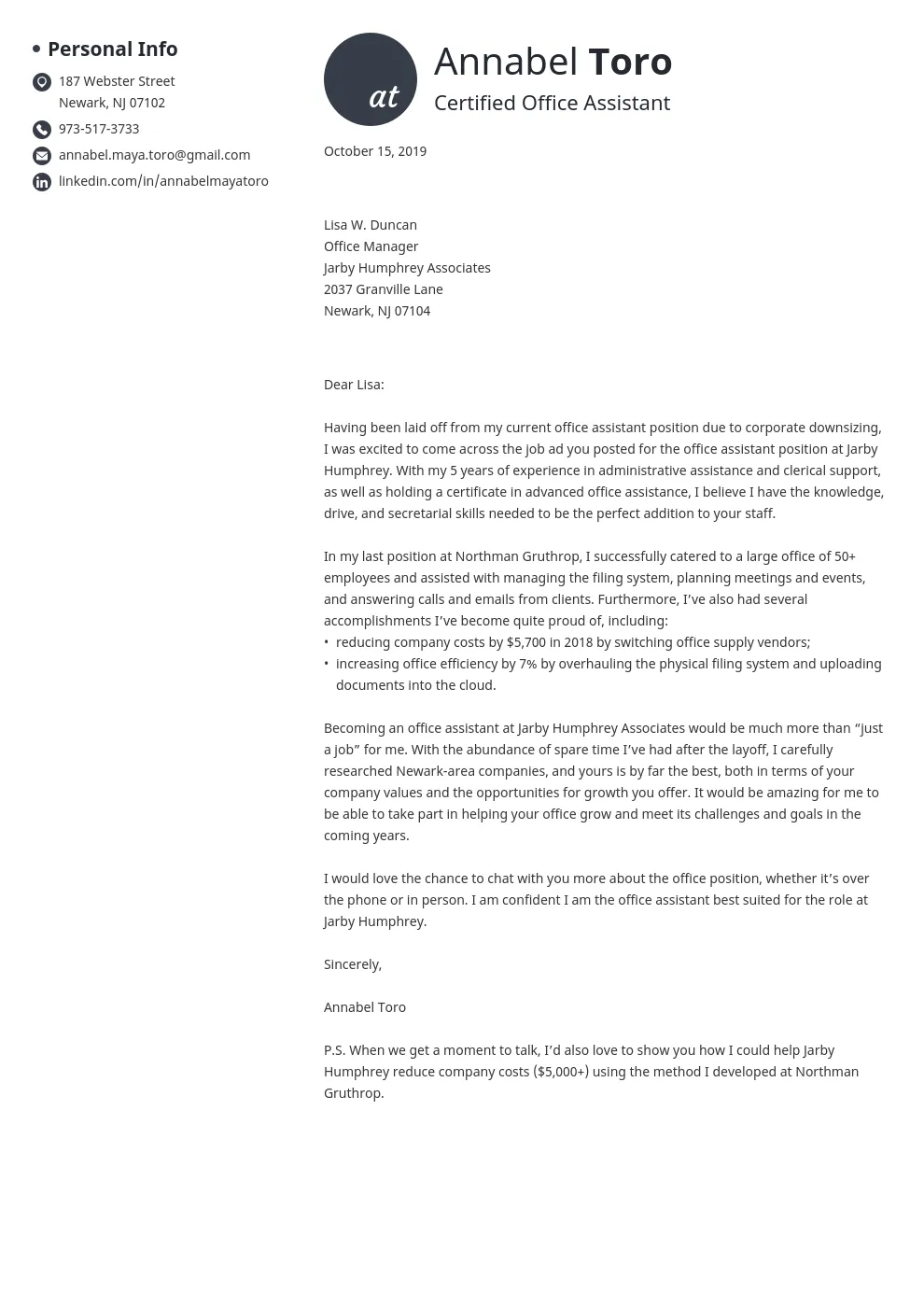
Cover Letter Basics What You Need to Know
In the competitive landscape of job applications, a well-crafted cover letter is your personal introduction to a potential employer. It’s an opportunity to go beyond your resume, showcasing your personality, enthusiasm, and relevant skills. A cover letter, when done right, significantly increases your chances of getting noticed and securing an interview. This guide provides a comprehensive approach to crafting cover letters that grab attention and drive results. We’ll delve into the fundamental elements, from the initial greeting to the final sign-off, ensuring you create a document that stands out. This is the ultimate guide to help you writing the perfect cover letter.
Understanding the Purpose of a Cover Letter
The primary purpose of a cover letter is to introduce yourself to the hiring manager and express your interest in a specific role or company. Unlike your resume, which is a factual summary of your experience and qualifications, the cover letter allows you to demonstrate your personality, communication skills, and how your skills and experience align with the job requirements. It’s a chance to tell a story, explaining why you’re the perfect fit. Your cover letter is also a chance to show enthusiasm for the specific role and the company, which can make you stand out from other applicants.
Key Components of an Effective Cover Letter

An effective cover letter comprises several critical components. These include a professional header with your contact information, a personalized salutation addressing the hiring manager or the appropriate department, a compelling opening statement capturing the reader’s interest, and a body that highlights your relevant skills and accomplishments. The body should also be structured to demonstrate your understanding of the job requirements and how your experience aligns with the position. The closing of the cover letter is also crucial, offering a strong call to action, such as expressing your availability for an interview.
Header and Contact Information Your Professional Introduction
The header of your cover letter sets a professional tone and provides essential contact information. It’s the first thing a recruiter sees, making a positive impression essential. Ensure your header includes your full name, address, phone number, and professional email address. Keep it clean, consistent with your resume, and easy to read. The information is typically left-aligned at the top of the page. A well-formatted header demonstrates attention to detail and professionalism, crucial qualities for any job application. Correct formatting is the key here.
Formatting Your Header
When formatting your header, keep it concise and aesthetically pleasing. Use a standard font like Arial or Times New Roman in a readable size (e.g., 11 or 12 points). Avoid using bold or excessive formatting unless necessary. The header should be clearly separated from the rest of the letter, often with a line break. Verify all information is current and accurate to ensure potential employers can easily contact you. Maintaining consistency with your resume is also critical, so both documents present a cohesive professional image. This makes a great first impression.
The Salutation Addressing the Hiring Manager

The salutation is your greeting and it should be customized to address the hiring manager or the appropriate contact person. “Dear Mr./Ms./Mx. [Last Name]” is a good choice if you know the hiring manager’s name. If you are unsure of the hiring manager’s name, it’s acceptable to use a general greeting such as “Dear Hiring Manager” or “Dear [Company Name] Recruiting Team". Always avoid generic greetings like “To Whom It May Concern,” as they come off as impersonal and may indicate a lack of effort on your part. The salutation should set the tone for the rest of your letter. It’s best to research to find the correct contact person. This show you’ve taken the time to find the right person.
Tips for Choosing the Right Salutation
When choosing a salutation, consider the company culture and your relationship with the contact person. If you have interacted with the hiring manager before, use their first name if appropriate. If you don’t know the name, always research or call the company to find the name of the hiring manager or department. Never use overly casual greetings unless the company culture encourages it. Avoid any salutations that could be considered gender-specific if you are unsure. Double-check the spelling of the name. It’s better to be precise and specific in your greetings. Make sure to always personalize your greeting.
Crafting a Compelling Opening Statement
The opening statement is your chance to grab the reader’s attention immediately. Start with a strong and concise statement. Clearly state the position you are applying for and how you learned about the opportunity. Briefly mention why you are interested in the role or the company. Consider including a brief anecdote or a statement that highlights your enthusiasm and connects your skills with the job’s requirements. Avoid generic or vague openings. Be specific about the role and mention the company’s name. Keep the beginning of your letter punchy, direct and enthusiastic. This will hook your reader, and they will continue on to read the rest of your cover letter.
Highlighting Your Skills and Experience

In the body of your cover letter, showcase the skills and experience most relevant to the job. Tailor your letter to the specific requirements mentioned in the job description. Provide concrete examples of how you’ve used your skills in past roles and the results you achieved. Use action verbs to describe your accomplishments. Structure your paragraphs in a way that is easy to read and highlights your strengths. Focus on the employer’s needs. Always align your skills with the requirements in the job description to show a match. This is the biggest part of the cover letter, so make sure it is amazing.
Tailoring Your Cover Letter to the Job Description
Carefully analyze the job description and identify the key requirements. Use the same keywords and phrases used in the description to demonstrate that you’re a suitable candidate. Provide examples that directly address the specific needs outlined by the employer. Customize each cover letter to each job. Generic cover letters often fail to impress; tailoring your letter shows that you’ve taken the time to understand the role and the company. Demonstrating that you understand the job’s requirements will help you stand out.
Showcasing Relevant Achievements and Accomplishments
Instead of just listing your responsibilities, focus on your achievements and accomplishments. Use the STAR method (Situation, Task, Action, Result) to describe how you approached a challenge or project and what the outcome was. Quantify your results whenever possible to demonstrate your impact. Examples include increasing sales by a certain percentage, improving customer satisfaction scores, or streamlining a process to reduce costs. Always make sure to provide quantifiable data, or any kind of numbers to give a real impact of your achievements. This information helps the recruiter understand how your work produced positive outcomes.
Quantifying Your Results

Whenever possible, provide specific metrics and numbers to demonstrate the impact of your accomplishments. Instead of saying “Improved customer service,” say “Improved customer satisfaction scores by 15% in six months.” Instead of saying “Managed social media accounts,” say “Increased social media engagement by 30% through targeted content and campaigns.” Quantifying your achievements makes them more credible and shows employers the value you bring. Numbers provide concrete proof of the impact of your work. Try to use as many numbers as possible.
The Body Paragraphs Building Your Case
The body paragraphs are the core of your cover letter. They allow you to expand on your skills and experience and explain why you’re the right fit for the job. Each paragraph should focus on a specific point related to the job requirements. Provide concrete examples of how you have used your skills and the results you achieved. Use a logical structure with clear topic sentences and supporting details. This section should showcase your enthusiasm for the company and how you can contribute to its success. Focus on how your skills and experience align with the needs of the company.
Structuring Your Body Paragraphs
Organize your body paragraphs in a logical and easy-to-follow manner. Start with a topic sentence that introduces the main idea of the paragraph. Provide specific examples, such as the STAR method, to support your claims. Use transitional phrases to link your paragraphs and create a smooth flow. Break down your content in a way that is easy to read and demonstrates a solid understanding of the job requirements. This helps maintain the reader’s interest and highlights your most relevant experience. Make sure your ideas flow into each other naturally.
Using Keywords from the Job Description

Incorporate keywords and phrases from the job description into your cover letter. This shows that you understand the role and requirements and increases the chances that your application will be noticed by applicant tracking systems (ATS). However, don’t simply stuff your cover letter with keywords; integrate them naturally into your sentences. Use a balance of the company’s terminology and your experiences. Make sure your writing feels natural. Keep keywords in the correct context. This allows the hiring manager to see your relevance immediately.
Writing a Strong Closing Statement
The closing statement is your final chance to leave a positive impression. Summarize your key qualifications and reiterate your interest in the position. Express your gratitude for the opportunity and the reader’s time. Indicate your availability for an interview and provide your contact information again. Avoid generic closings and maintain a tone of enthusiasm and professionalism. A strong closing statement reinforces your desire to be considered for the role.
Expressing Gratitude and Encouraging Action
Always thank the hiring manager for their time and consideration. Express your enthusiasm for the opportunity and the company. Include a call to action, such as stating that you look forward to hearing from them soon or are available for an interview. Reiterate your contact information, so it’s easy for the recruiter to reach you. Ending on a positive note reinforces your interest and encourages the recruiter to take the next step. Make sure you show confidence.
Proofreading and Editing Ensuring Perfection

Proofreading and editing are critical steps in the cover letter writing process. Errors can undermine your credibility and make you seem unprofessional. Always proofread your letter multiple times, checking for grammar, spelling, punctuation, and formatting errors. Consider having a friend or colleague review your letter as well. Ensure that your language is clear, concise, and easy to understand. The goal is to present a polished and error-free document. Make sure you proofread thoroughly, because this is your first impression.
Common Cover Letter Mistakes and How to Avoid Them
Avoid common mistakes such as using generic templates, not tailoring your letter to the job description, including irrelevant information, and having grammatical errors. Make sure your cover letter has the right tone, as it must be formal or casual depending on the company’s culture. Make sure your sentences are concise. Avoid these common pitfalls to increase the effectiveness of your application. Taking the time to edit and avoid common mistakes will help you stand out.
Proofreading Checklist
Create a proofreading checklist to ensure you don’t miss any errors. Check the spelling and grammar. Verify your contact information. Ensure your formatting is consistent. Make sure the content is relevant to the job description. Confirm that the tone is appropriate. Also, check to see if you have the right keywords. Make sure that you personalized your cover letter. This will help make sure your cover letter is the best.
Cover Letter Templates and Examples
Use cover letter templates and examples as a starting point, but always customize them to fit your specific needs and the job requirements. Numerous templates are available online, but use them as a guide and make sure to personalize your letter. Adapt the content to reflect your unique skills and experience. Reviewing successful examples can provide inspiration, but don’t copy them verbatim. These resources can help you understand the different styles and formats, so you know what works. Always ensure you are following the best practices.
Template Resources
Explore template resources to help structure your cover letter. Use these resources as a base to start building your cover letter. These templates can provide a solid framework. Use the examples to understand how to best frame your qualifications and skills. You can find templates through websites like Microsoft Word, Google Docs, and specialized career websites. Customize the template to make it match the job description. Remember to always adjust the template to reflect your unique experiences.
Cover Letter Examples to Inspire You
Look for cover letter examples to give you inspiration, but don’t copy them. Analyze successful cover letters from your field to understand how others have highlighted their skills and experiences. Make sure to adapt any elements you find to your specific job. Use these examples to gain insights into language, formatting, and content. This will help you craft a unique and effective cover letter. Analyzing these examples will improve your knowledge of how to write cover letters.