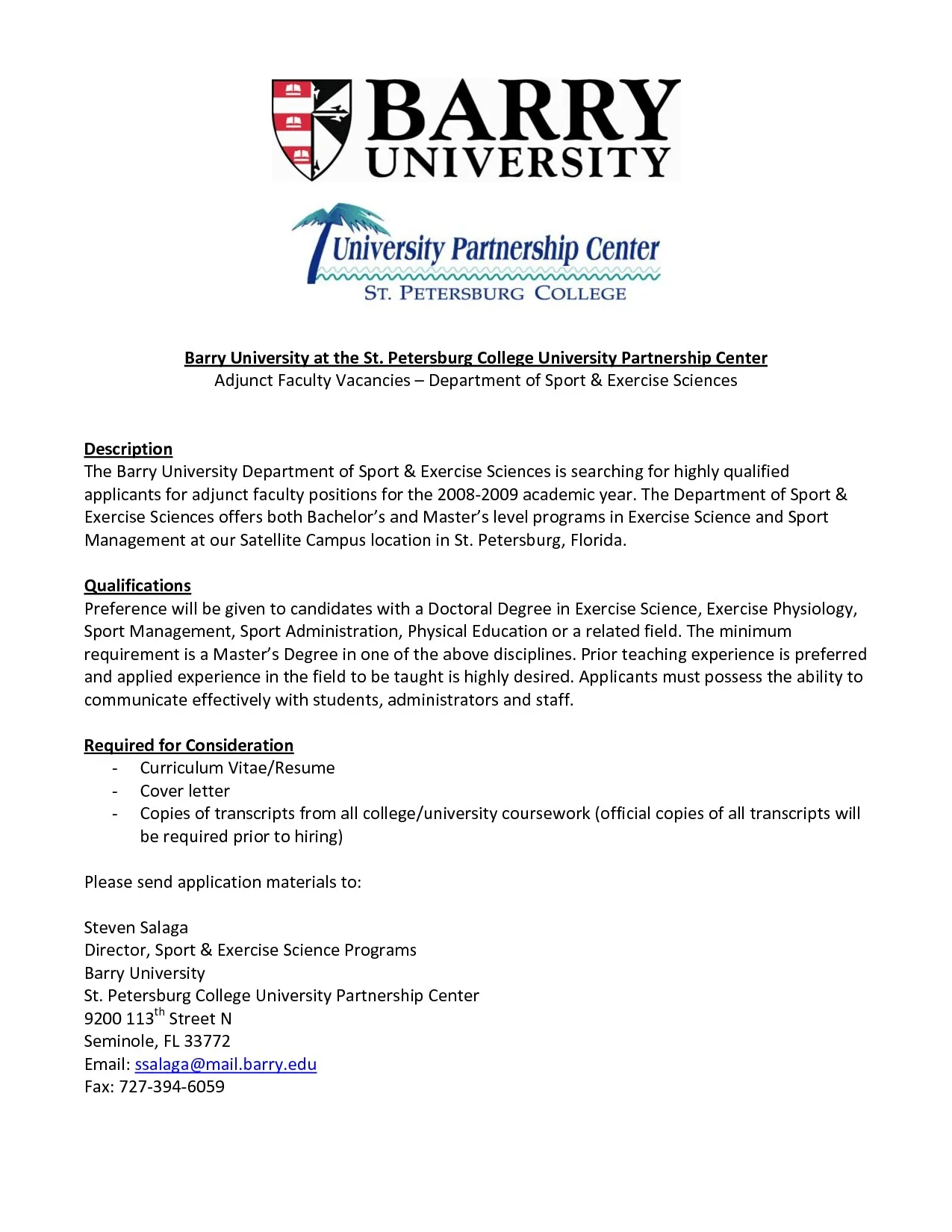
What is an Academic Cover Letter
An academic cover letter is a crucial document in the job application process within higher education. Unlike general cover letters, it is tailored to highlight a candidate’s specific academic achievements, research experience, teaching abilities, and overall fit for a faculty position. It serves as an introduction and a detailed summary of the applicant’s qualifications, giving the hiring committee a comprehensive view of their suitability for the role. This letter is not simply a reiteration of the CV; it provides context, analysis, and a narrative that demonstrates why the candidate is the best choice. It is the candidate’s opportunity to make a strong first impression and persuade the search committee that they should be seriously considered for an interview.
Purpose of an Academic Cover Letter
The primary purpose of an academic cover letter is to showcase how your skills, experience, and research align with the specific requirements of the job and the values of the institution. It provides a platform to elaborate on your research agenda, teaching philosophy, and contributions to the academic community. The cover letter should demonstrate your understanding of the institution’s mission and how your aspirations align with their strategic goals. It’s a tool to create a compelling narrative that goes beyond the facts presented in your CV, offering a glimpse into your potential as a colleague, researcher, and educator. It should persuade the hiring committee that you are not just qualified, but also an excellent fit for the department and the university’s culture.
Differences from a General Cover Letter

While general cover letters often focus on broader skills and experiences, an academic cover letter is highly specialized. It places a strong emphasis on research accomplishments, publications, and teaching experience. Furthermore, it provides a deeper dive into your research interests, future research plans, and how they align with the department’s needs. The tone is often more formal and professional, reflecting the high standards of academia. It needs to be highly tailored to each position and institution, showcasing your understanding of the specific department and the role you are applying for. The academic cover letter demonstrates that you are not only qualified but also a potential asset to the institution’s scholarly and educational goals.
Essential Elements of an Academic Cover Letter
Contact Information and Date
Start with your full contact information at the top: your name, address, phone number, and professional email address. Include the date you are submitting the application. This section ensures that the search committee can easily reach you. Ensure your email address is professional and the contact details are current and accurate. Presentation here is the first step of showcasing your level of professionalism. It is also important to have your contact information clearly visible and easy to find, ensuring efficient communication from the hiring committee.
Salutation

Address the hiring committee or the specific person listed in the job advertisement. When possible, avoid generic salutations like “To Whom It May Concern.” If a specific name is provided, use it – e.g., “Dear Professor [Last Name]”. If the name is not available, you can use a more general yet professional greeting, such as “Dear Search Committee.” Always double-check the spelling of the recipient’s name. Using the correct salutation demonstrates that you have taken the time to personalize your application and understand the department.
Opening Paragraph
The opening paragraph sets the tone for the rest of your letter. Clearly state the position you are applying for and where you saw the advertisement. Briefly introduce yourself and highlight your most relevant qualifications. Express your enthusiasm for the position and the institution. Mentioning a specific research area that aligns with the department’s focus can grab their attention right away. This section should create a strong initial impression and encourage the reader to continue reading. Make sure that you grab their interest immediately.
Highlighting Qualifications and Research
This is the core of your letter. Detail your research experience, including your research interests, methodologies, and significant findings. Describe your publications, presentations, and any grants or awards you’ve received. Explain the impact and significance of your work in your field. Discuss your research plans, including your future goals and how they align with the department’s research priorities. Be specific and provide concrete examples to support your claims. Demonstrate that you understand the department’s research landscape and that you can contribute to its scholarly reputation. Quantify your achievements where possible, using data to illustrate the reach and impact of your work.
Showcasing Teaching Experience

Highlight your teaching experience, including any courses you have taught, the levels of those courses, and your teaching philosophy. Provide examples of how you engage students and create a positive learning environment. Mention any teaching awards or positive student evaluations you have received. Explain your approach to curriculum development and how you incorporate innovative teaching methods. If you have experience with online or hybrid teaching, be sure to mention this. Show how your teaching experience prepares you to contribute to the department’s educational mission. It is important to link your teaching experience with their current requirements.
Addressing the Job Requirements
Carefully review the job description and address each requirement specifically. Explain how your skills and experience align with the listed qualifications. Provide evidence from your CV or other documents to support your claims. If the job description emphasizes certain skills, make sure to highlight those in your letter. Show how you meet their expectations, and provide examples to support your fit for the role. This will make your application much stronger. This is your chance to show the search committee how perfectly you fit their needs.
Closing Paragraph
Summarize your key qualifications and reiterate your interest in the position. Thank the search committee for their time and consideration. Express your availability for an interview and offer any additional materials they may need. Reiterate your enthusiasm for the opportunity and the institution. Make a confident and positive statement about your suitability for the position and a willingness to contribute to the department’s success. Always express gratitude for their time and consideration of your application.
Formal Closing and Signature

Use a professional closing such as “Sincerely” or “Respectfully”. Type your full name below the closing. If submitting a physical copy, leave space for your signature above your typed name. Ensure your signature is clear and legible. Your closing should be professional and reflect the formality of the academic context. Proper closing and signature show professionalism.
Formatting Your Academic Cover Letter
Font and Margins
Use a professional font such as Times New Roman, Arial, or Calibri. Keep the font size between 11 and 12 points. Maintain standard one-inch margins on all sides. Ensure that your letter is easy to read and visually appealing. Proper formatting makes it easy for the search committee to read and evaluate your application quickly.
Length and Structure

Keep your cover letter concise – typically one to two pages in length. Use a clear and logical structure, with well-defined paragraphs. Use headings and subheadings to organize your content and make it easy for the reader to scan. Aim for clarity and coherence, making sure the reader can easily follow your points. A well-structured letter demonstrates your organizational skills and attention to detail. Proper structure makes sure that your most important qualifications are highlighted.
Proofreading and Editing
Thoroughly proofread your cover letter for any typos, grammatical errors, or formatting issues. Use spell-check and grammar-check tools, but also read the letter carefully yourself. Ask a colleague or mentor to review your letter for clarity and accuracy. A polished cover letter reflects professionalism and attention to detail. Ensuring the letter is free of errors will increase the credibility of your application. This is very important because errors can significantly undermine your application.
Tips for a Strong Academic Cover Letter
Tailoring to Each Position

Customize your cover letter for each position you apply for. Carefully review the job description and align your qualifications and experience with the specific requirements. Highlight the skills and accomplishments that are most relevant to the position. Demonstrating that you’ve researched the institution and understand their needs will set you apart. Generic cover letters are easily recognized and often disregarded. Tailor your cover letter to show the hiring committee that you are deeply interested in the position and the institution.
Using Action Verbs
Use strong action verbs to describe your accomplishments and responsibilities. Start your sentences with verbs that highlight your achievements, such as “Led,” “Developed,” “Managed,” “Published,” and “Mentored.” Action verbs make your cover letter more engaging and demonstrate your capabilities. The correct choice of action verbs can enhance your impact on the hiring committee. Using strong action verbs will present your achievements more effectively.
Highlighting Publications and Presentations
Clearly list your publications and presentations. Mention the journal or conference, date, and any notable awards or recognition. Summarize the impact of your research. Include links to your publications if possible, to provide easy access to your work. Highlighting your publications and presentations demonstrates your scholarly contributions and enhances your credibility. This shows the search committee the significance of your work.
Showcasing your Fit for the Department
Research the department and its faculty. Identify faculty members whose research aligns with your own. Mention how your research interests complement the department’s strengths. Discuss how you can contribute to the department’s teaching mission. Show that you understand the department’s culture and goals. Demonstrating that you’ve researched the department shows your genuine interest. Illustrate how your skills and experiences can benefit the department.
Common Mistakes to Avoid
Generic Cover Letters
Avoid using a generic cover letter. Tailor your letter to each position, highlighting the specific requirements and the institution’s values. Demonstrating that you have taken the time to research the position and the department makes a strong impression. Generic letters show a lack of genuine interest and can lead to rejection. Customize your cover letter for each position you apply for. Be as specific as possible to show the hiring committee that you care about the position.
Typos and Grammatical Errors
Proofread your letter carefully to eliminate any typos or grammatical errors. Errors can undermine your credibility and make it appear as if you are not detail-oriented. Have someone else review your letter to catch any mistakes you might have missed. Take the time to correct all mistakes before submission. A polished cover letter demonstrates professionalism and attention to detail. Proofreading your letter before submitting it is crucial.
Ignoring the Job Description
Carefully read the job description and address each requirement in your cover letter. Highlight your relevant skills and experience. If the job description requires specific qualifications, make sure to address them. Ignoring the job description shows that you are not interested in the position and is a common mistake. Ensuring that the required qualifications are addressed will improve your chances of success. Tailor your letter to meet their specifications.
Failing to Proofread
Failing to proofread is another common mistake. Proofreading helps ensure that your letter is free of errors and presents you in the best possible light. Always proofread your letter, and ask someone else to read it over as well. You can catch mistakes you might have missed. Take your time to proofread and edit your letter. Make sure you present the best version of yourself to the hiring committee. Always proofread, it’s that important.