Understanding the Family Service Specialist Trainee Role
Before you even begin to write your cover letter, it’s essential to understand the role you’re applying for. A Family Service Specialist Trainee is typically an entry-level position, offering a pathway into a career dedicated to assisting families in need. This role involves learning the intricacies of social work, case management, and community resources. Trainees work under the guidance of experienced professionals, gaining hands-on experience in a variety of settings, such as family homes, social service agencies, and community centers. Understanding the specific requirements and expectations of the position is crucial for tailoring your cover letter effectively and showcasing your suitability for the role. Consider the specific agency or organization and what their mission and values are, and reflect on these in your cover letter.
Key Responsibilities of a Family Service Specialist Trainee
The responsibilities of a Family Service Specialist Trainee can vary, but generally include conducting assessments, providing support, and connecting families with vital resources. Trainees may be involved in interviewing families to understand their needs, developing service plans, and monitoring progress. They often assist in crisis intervention, offering emotional support, and ensuring the safety and well-being of vulnerable individuals. Other responsibilities can include maintaining detailed records, collaborating with other professionals, and advocating for families’ rights and needs. A well-crafted cover letter will highlight your ability to handle these responsibilities with empathy, professionalism, and a commitment to helping families thrive.
Essential Skills for Success

Success in this role requires a combination of soft and hard skills. Strong interpersonal and communication skills are paramount, including active listening, empathy, and the ability to build rapport. You’ll need to be able to communicate effectively both verbally and in writing, as you’ll be interacting with diverse populations and writing detailed reports. Problem-solving and critical-thinking skills are also crucial for assessing situations and developing effective solutions. Additionally, you should demonstrate organizational skills, such as time management and the ability to prioritize tasks. Proficiency in computer skills, including data entry and the use of relevant software, is often expected. Highlighting these skills in your cover letter, and providing specific examples of how you’ve demonstrated them, will significantly enhance your application.
Crafting a Compelling Cover Letter
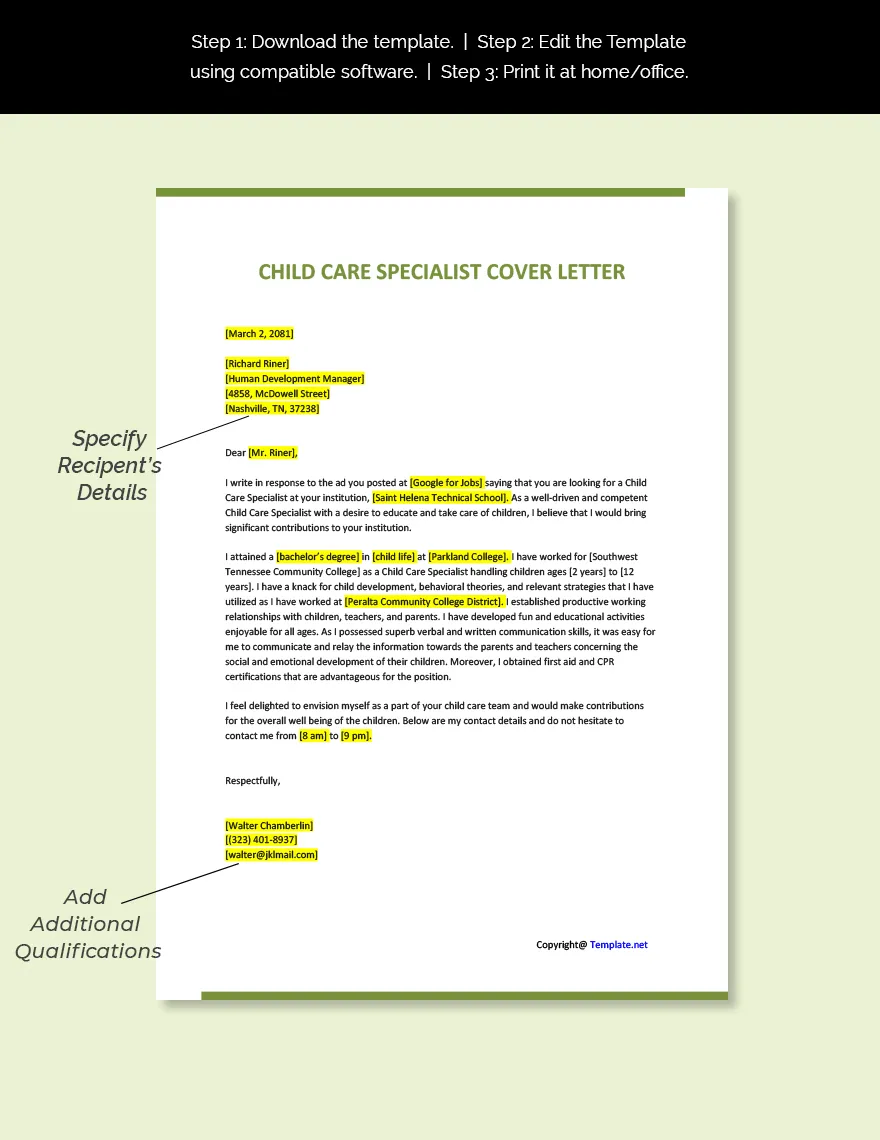
Your cover letter is your first opportunity to make a strong impression on potential employers. It should be more than just a summary of your resume. It’s a chance to showcase your personality, passion, and suitability for the role. The goal is to demonstrate your understanding of the position, highlight your relevant experiences and skills, and express your enthusiasm for the opportunity. This section will help you craft a cover letter that stands out from the crowd.
Header and Contact Information
Start your cover letter with a professional header that includes your full name, contact information (phone number and email address), and the date. If you’re applying for a specific position, include the name of the hiring manager and the company’s address. Ensure your contact information is accurate and up-to-date. A clear and well-formatted header shows attention to detail and professionalism.
Personalized Salutation

Avoid generic salutations like ‘Dear Sir/Madam.’ Instead, try to find the name of the hiring manager or the person responsible for reviewing applications. This shows that you’ve done your research and are genuinely interested in the position. If you can’t find a specific name, use a more formal greeting like ‘Dear Hiring Manager.’ Personalizing your salutation immediately sets you apart from other applicants.
Opening Paragraph Grabbing Attention
The opening paragraph is your chance to grab the reader’s attention. Start with a strong statement that immediately highlights your interest in the role and your understanding of the company’s mission. You might mention a specific accomplishment, a relevant experience, or your passion for helping families. Keep it concise and engaging, making the reader want to learn more about you. For example, you could start with a statement reflecting your understanding of the role and its importance. The beginning of your cover letter should captivate the reader.
Highlighting Relevant Experiences and Skills
The body of your cover letter is where you provide details about your experiences and skills, aligning them with the requirements of the Family Service Specialist Trainee role. Use specific examples to demonstrate how you’ve applied your skills in the past. This is where you can show how your skills and experience align with the role. Use the job description as your guide, addressing the key responsibilities and skills outlined in the posting. Provide specific examples of how you have applied your skills and how you achieved positive results.
Showcasing Education and Certifications

Include your educational background, highlighting any degrees or certifications relevant to the role. If you have a degree in social work, psychology, or a related field, mention it. Also, mention any certifications or licenses, such as CPR or first aid training, that are relevant to the position. Providing specific details about your education demonstrates that you meet the minimum qualifications and helps you to stand out.
Quantifying Achievements and Contributions
Whenever possible, quantify your achievements. Instead of saying ‘I assisted many families,’ say ‘I assisted 20 families in securing housing.’ Using numbers and data makes your accomplishments more concrete and impactful. If you’ve volunteered with any organizations, provide data on the tasks or projects that you helped and the result. Providing figures and specifics is the best way to show your experience.
Demonstrating Passion and Commitment
A cover letter should reflect your passion for helping families and your commitment to the field of social work. Express your genuine interest in the company and its mission. Share any personal experiences or motivations that drive your desire to work with families in need. Your passion and commitment will make a memorable impression.
Expressing Enthusiasm for the Role

Convey your genuine enthusiasm for the specific position and the organization. Explain why you are excited about this opportunity and what you hope to gain from the experience. Research the company’s values, services, and programs. Mention specific aspects that resonate with you. This demonstrates that you are not just sending out generic applications, but are genuinely interested in the role.
Closing and Call to Action
In your closing paragraph, reiterate your interest in the position and thank the reader for their time and consideration. Include a call to action, such as stating that you look forward to hearing from them soon or expressing your availability for an interview. Keep it concise and professional, leaving a lasting positive impression. Make sure your closing statement is clear and gives them a way to contact you.
Proofreading and Formatting
Before submitting your cover letter, carefully proofread it to eliminate any errors. Typos, grammatical errors, and formatting mistakes can undermine your credibility. Use spell-check and grammar-check tools, but also read your letter aloud to catch any mistakes that automated tools might miss. It’s best to have a friend or family member review the document to check for any issues you may have missed. Ensure your cover letter is well-formatted, with clear headings, concise paragraphs, and easy-to-read fonts.
Ensuring Clarity and Conciseness

Keep your language clear and concise. Avoid jargon and overly complex sentences. Use strong verbs and action-oriented language to describe your experiences and skills. Each sentence should be clear and easily understood. Being concise is essential to convey your message effectively.
Formatting for Readability
A well-formatted cover letter is easier to read and makes a better impression. Use a professional font, such as Times New Roman or Arial, in a standard size (11 or 12 points). Use clear headings and subheadings to break up the text and guide the reader. Use single spacing within paragraphs and double spacing between paragraphs. Make sure there are no formatting issues, and that the text is easy to read.
Reviewing and Editing
Before submitting your cover letter, review it multiple times. Check for any grammatical errors, spelling mistakes, and formatting issues. Ensure that your cover letter is well-organized, easy to read, and tailored to the specific job requirements. Ask someone to review your letter and provide feedback. A final review can help you to ensure that you have a stellar cover letter.