Understanding the Purpose of a Cover Letter
A cover letter is more than just a formality in the job application process; it’s your first opportunity to make a strong impression on a potential employer. Its primary purpose is to introduce you, highlight your relevant skills and experience, and express your genuine interest in the specific position and the company. A well-crafted cover letter complements your resume by providing context, demonstrating your personality, and explaining why you are the ideal candidate for the job. It allows you to tell a story about your qualifications, connecting your past experiences to the future opportunities offered by the role. Think of it as your personal sales pitch, designed to persuade the hiring manager to read your resume and ultimately, invite you for an interview. The goal is to capture the reader’s attention and set you apart from other applicants.
Key Components of a Cover Letter
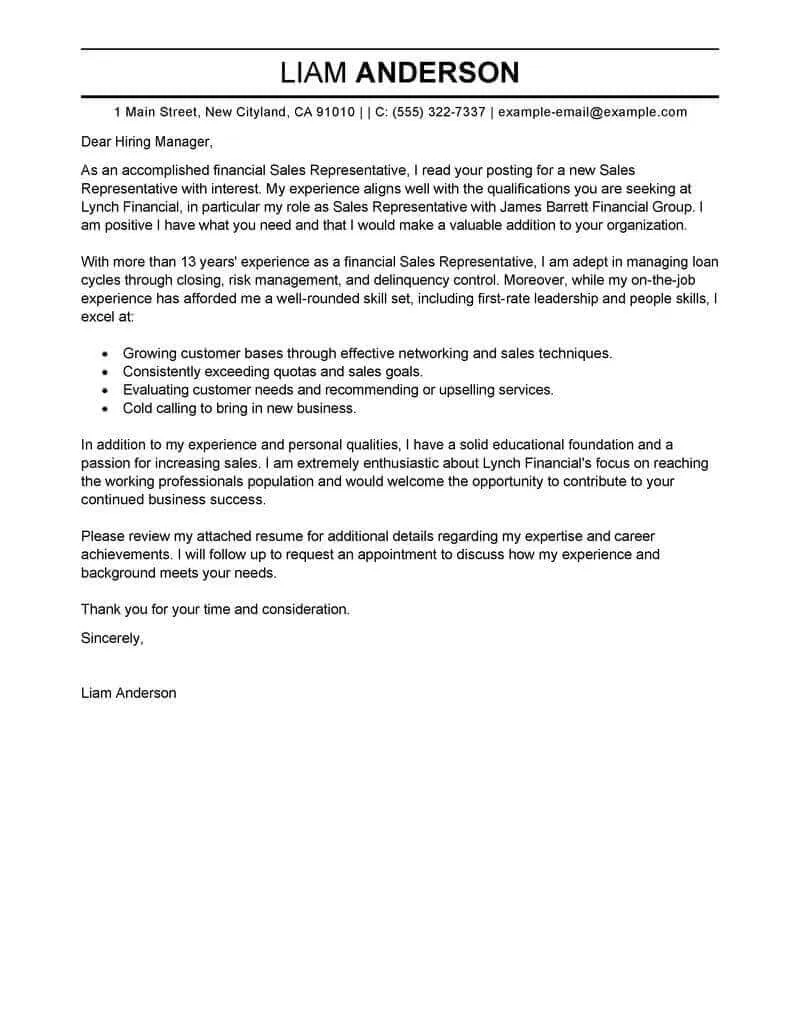
A compelling cover letter is structured to be easy to read and persuasive. It typically includes several key components. Firstly, you should have your contact information at the top. Following this, include the date and the hiring manager’s name and title, if available. The opening paragraph should immediately grab the reader’s attention and state the position you’re applying for and where you found the job posting. The body of the letter should highlight your relevant skills and experience, connect them to the job requirements, and demonstrate your enthusiasm for the company. The closing paragraph should summarize your interest, express gratitude for the opportunity, and include a call to action, such as stating your availability for an interview. Each section of the letter should work together to present a cohesive and compelling case for your candidacy.
Your Contact Information

At the very top of your cover letter, you’ll need to include your contact information. This should include your full name, phone number, email address, and optionally, your LinkedIn profile URL or personal website. Ensure this information is accurate and up-to-date. Using a clear and professional font is also important. Place your contact information at the top left or right, so it is readily accessible. This allows the hiring manager to quickly find your contact information if they are interested in contacting you, and it is a standard element in a professional cover letter.
The Hiring Manager’s Name and Title
Addressing your cover letter to a specific person is a great way to show that you have taken the time to research the company and the role. Whenever possible, find out the hiring manager’s name and title. This personalized approach demonstrates your attention to detail and genuine interest in the position. If you cannot find the hiring manager’s name, use a professional greeting such as “Dear Hiring Manager” or “Dear [Department] Team.” Avoid generic greetings like “To Whom It May Concern,” as these can appear impersonal. Research the company’s website, LinkedIn, or even call the company to find this information, as it makes your application more impactful.
A Compelling Opening Paragraph
The opening paragraph is your chance to make a strong first impression. Begin by clearly stating the position you are applying for and where you saw the job posting. Briefly mention something that sparked your interest in the role or the company. Consider including a brief, captivating statement that showcases your enthusiasm and highlights a key achievement or skill relevant to the job. For example, instead of a generic opening, state a specific accomplishment or a brief overview of your alignment with the company’s mission. This initial paragraph sets the tone for the rest of your letter and encourages the hiring manager to continue reading. Make sure to grab their attention from the very beginning.
Highlighting Your Skills and Experience

The main body of your cover letter should highlight the skills and experience that make you a good fit for the job. Carefully review the job description and identify the key requirements and keywords. Then, showcase how your past experiences align with these requirements. Provide specific examples of your accomplishments and how you’ve applied your skills in previous roles. This section is your opportunity to tell the story of your career and demonstrate how your experiences have prepared you for the responsibilities of the position. Tailor this section to the specific job and company by showcasing what makes you uniquely qualified for the opportunity.
Connecting Your Skills to the Job Requirements
A successful cover letter directly connects your skills and experience to the job’s requirements. Analyze the job description carefully to identify the key skills and qualifications the employer is seeking. Then, in your cover letter, provide specific examples of how you’ve demonstrated those skills in previous roles. Avoid simply listing your skills; instead, show how you’ve applied them to achieve results. For example, if the job requires project management skills, describe a project you managed, the challenges you faced, and how you successfully overcame them. This direct connection demonstrates to the hiring manager that you understand the role and are capable of performing the necessary tasks.
Using Action Verbs to Showcase Your Accomplishments
Use action verbs to describe your accomplishments and responsibilities in a dynamic way. Strong action verbs add impact to your cover letter and make it more engaging for the reader. Instead of saying you “were responsible for,” say you “managed,” “led,” or “coordinated.” Choose verbs that accurately reflect your actions and achievements. Some effective action verbs include “developed,” “implemented,” “achieved,” “increased,” “streamlined,” and “collaborated.” Using these types of words makes your descriptions more compelling and helps to showcase your proactive approach and the impact you had in previous roles. The aim is to show, not just tell, what you did.
Quantifying Your Achievements

Wherever possible, quantify your achievements. Instead of saying, “Improved customer satisfaction,” say, “Increased customer satisfaction by 15% through implementing a new customer service strategy.” Providing specific numbers and data makes your accomplishments more credible and demonstrates the impact you’ve made. This is especially important in the field of data-driven marketing. Use metrics to illustrate your success, such as sales figures, cost savings, or project completion rates. This concrete evidence makes your cover letter more persuasive and shows potential employers the tangible results you can deliver.
Demonstrating Your Enthusiasm for the Company
Show that you’re genuinely interested in the company by mentioning something specific that excites you about the opportunity. This could be the company’s mission, its products or services, its culture, or its recent achievements. Do your research and incorporate details that show you understand the company’s values and goals. For example, discuss a recent project the company completed, a new product launch, or an initiative they’ve undertaken. Showing you’ve done your homework will help you stand out from candidates who submit generic cover letters. Displaying genuine enthusiasm can often be what sets you apart.
A Strong Closing Paragraph
Your closing paragraph should leave a lasting positive impression. Summarize your interest in the position and reiterate why you’re the ideal candidate. Express your gratitude to the hiring manager for their time and consideration. Clearly state your availability for an interview and include a call to action, such as, “I look forward to hearing from you soon.” Reiterate your enthusiasm for the position and the company to emphasize that you are both excited and committed to this opportunity. A well-crafted closing paragraph gives the hiring manager a clear understanding of your interest and next steps.
Expressing Gratitude and Offering Follow-Up

End your cover letter with a sincere expression of gratitude for the hiring manager’s time and consideration. This simple act shows respect and professionalism. Also, state your willingness to follow up, but avoid being overly persistent. A polite way to do this is to include a statement like, “I look forward to hearing from you soon.” Or, “Thank you for your time; I am available for an interview at your earliest convenience.” Ensure to include your contact information once again in your closing remarks. This reinforces your availability and makes it easy for the hiring manager to reach out to you.
Proofreading and Formatting Your Cover Letter
Proofreading and formatting are critical steps in the cover letter writing process. Errors can detract from your professionalism and undermine your credibility. Always carefully proofread your cover letter for typos, grammatical errors, and inconsistencies. Use a clean, professional font such as Times New Roman, Arial, or Calibri, and ensure your font size is easy to read (usually 11 or 12 points). Maintain consistent formatting throughout the document, including the use of bolding, italics, and bullet points. Get a friend, family member, or career counselor to review it. Attention to detail in your cover letter shows the hiring manager that you are meticulous and have a great eye for detail.
Common Cover Letter Mistakes to Avoid
Avoiding common mistakes can significantly improve your cover letter’s impact. Generic cover letters, full of clichés and lacking specific examples, fail to impress hiring managers. Poor formatting and presentation, including an unclear layout or excessive use of jargon, can make your cover letter difficult to read. Typos and grammatical errors will quickly get your application rejected. These errors indicate a lack of attention to detail and a lack of respect for the company and the position.
Improper Formatting and Presentation

Improper formatting and presentation are significant cover letter blunders. Choose a clean and professional font like Arial or Times New Roman. Ensure the font size is easy to read, typically between 11 and 12 points. Avoid excessively long paragraphs; break up your text into concise and readable sections. Use bullet points to highlight key skills and achievements. Maintain consistent spacing and alignment throughout your cover letter. A well-formatted cover letter is visually appealing and easier for the hiring manager to read.
Generic and Uninspired Content
Generic and uninspired content is a common pitfall. Avoid using the same cover letter for multiple job applications. Tailor your cover letter to each specific job by researching the company and role. Replace clichés and generic phrases with specific examples of your skills and accomplishments. Highlight your genuine interest in the company and the position, and avoid sounding like every other applicant. Your goal is to make your application unique and stand out from the competition.
Typos and Grammatical Errors
Typos and grammatical errors are deal-breakers for many hiring managers. Proofread your cover letter carefully before submitting it. Use spell check and grammar check tools, but don’t rely on them entirely; these tools can miss subtle errors. Ask a friend, family member, or career counselor to review your cover letter for mistakes. Multiple sets of eyes are helpful. A clean and error-free cover letter showcases your attention to detail and professionalism, which are valuable qualities in any job.
Tailoring Your Cover Letter to Each Job

To make your cover letter truly effective, tailor it to each job you apply for. This process involves researching the company and role, adapting your cover letter to different industries, and ensuring your application meets specific requirements. It demonstrates your genuine interest and attention to detail, and will get you noticed by a potential employer.
Researching the Company and the Role
Before you write your cover letter, take the time to research the company and the specific role. Visit the company’s website, review their social media profiles, and read any recent news articles about them. This research will help you understand the company’s mission, values, and culture. Then, carefully review the job description to identify the key requirements, skills, and responsibilities. Use this information to tailor your cover letter and highlight your relevant experience. This will show the hiring manager that you have a genuine interest in the company and the role, and that you have what it takes to succeed.
Adapting Your Cover Letter to Different Industries
Different industries may have their own unique conventions for cover letters. Research the standard practices in your industry. For instance, the tone in a creative field may be more informal than in a legal or financial setting. Customize your cover letter to reflect the language, style, and values of the industry you’re targeting. The way you present yourself in a tech company will differ from how you present yourself to a non-profit. Tailor your cover letter to suit the specific role and industry standards for the best results. Adapt to the best practices of the industry, and ensure to show your understanding of the field.
Cover Letter Examples and Templates
Using cover letter examples and templates can provide a helpful starting point for writing your own. Numerous online resources offer various cover letter formats, but remember to customize the templates to your unique experience and the specific job. Reviewing examples can give you ideas about structure, language, and the types of information to include. Adapt them to your needs. Make sure to avoid plagiarism. The goal is to guide you in writing the best cover letter possible.
Example Cover Letter 1
The first example can be a standard cover letter. This is a good option if you have experience in multiple fields or skills. This example includes opening greeting, body with a description of your skills, and a closing, expressing your interest in the role. This is a good option if you are applying to a job with broad responsibilities and your goal is to introduce yourself and explain what your career has been.
Example Cover Letter 2
The second example is a job-specific cover letter. This is an option if you already have a specific role in mind, or have a good grasp of what the hiring manager is looking for. This will include a more specific focus on the job. In your cover letter, the main points should refer to the requirements stated in the job description, as well as your specific accomplishments and how your experience relates to the company.
Tips for a Winning Cover Letter
Writing a winning cover letter requires careful attention to detail and a strategic approach. Make sure to always tailor your cover letter to each job and company, showing your genuine interest and understanding of their needs. Always highlight your key skills and achievements, and use action verbs to bring your accomplishments to life. Quantify your achievements whenever possible, providing concrete evidence of your impact. Proofread your cover letter meticulously to eliminate any errors. Seek feedback from others, such as friends, family members, or career counselors. A well-crafted cover letter can significantly increase your chances of landing an interview.