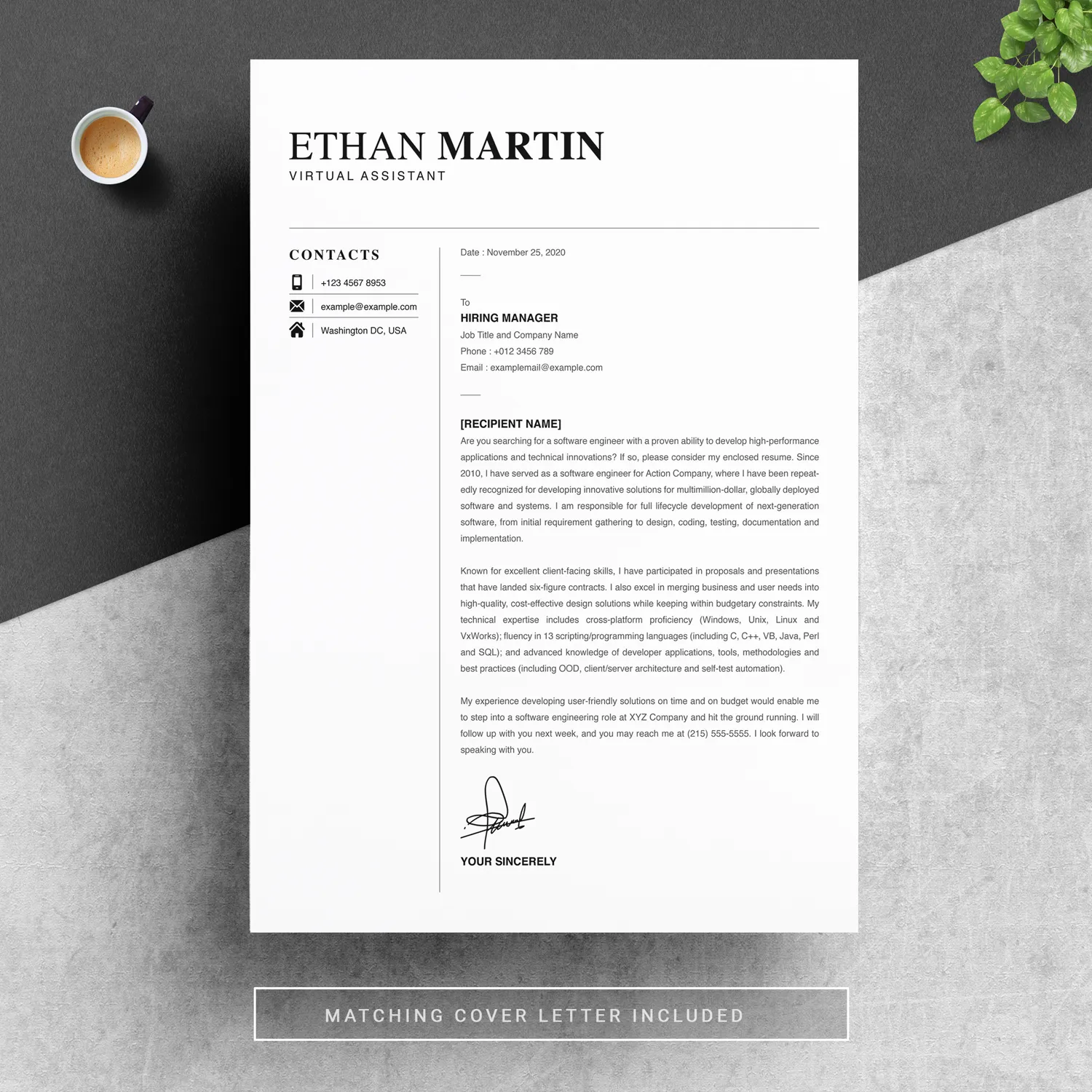
Understand the Purpose of a Cover Letter
A cover letter serves as your introduction to a potential employer, accompanying your resume to provide context and showcase your suitability for a specific role. It’s an opportunity to go beyond the bullet points of your resume and demonstrate your personality, enthusiasm, and understanding of the company and the position. A well-written cover letter can significantly increase your chances of landing an interview by making a strong first impression and highlighting the key aspects of your experience and skills that align with the job requirements.
What is a Cover Letter?
A cover letter is a document you submit as part of your job application alongside your resume. It’s a concise narrative that complements your resume by elaborating on your qualifications, experiences, and aspirations. Think of it as your personal sales pitch, designed to convince the hiring manager that you’re the ideal candidate for the job. It provides a glimpse into your writing style, communication skills, and your understanding of the company’s needs.
Why You Need a Cover Letter

In today’s competitive job market, a cover letter is often a critical component of a successful job application. It gives you the opportunity to explain any gaps in your employment history, address specific requirements outlined in the job description, and demonstrate your passion for the role and the company. Many employers consider cover letters a vital part of their screening process. Without one, your application might be overlooked, even if your resume is strong. It shows you’re willing to go the extra mile and put in the effort to tailor your application.
Key Components of a Powerful Cover Letter
Header and Contact Information
Start your cover letter with a professional header. Include your full name, contact information (phone number, email address, and optionally, your LinkedIn profile URL). Also, include the date and the hiring manager’s name and title, if known, along with the company’s address. This information should be clearly presented and easy to find. A well-formatted header adds to your professionalism and allows the hiring manager to contact you easily.
Greeting

Address your cover letter to a specific person whenever possible. Research the hiring manager’s name and use it in your greeting. If you can’t find a specific name, use a professional greeting such as “Dear Hiring Manager” or “Dear [Department Name] Team.” Avoid generic greetings such as “To Whom It May Concern” as they can come across as impersonal and suggest that you didn’t put in the effort to personalize your application. Addressing the letter to a specific person shows that you have taken the time to do your research.
Opening Paragraph
Your opening paragraph should immediately grab the reader’s attention. State the position you are applying for and how you learned about the opportunity. Briefly mention your most relevant qualifications or skills and express your enthusiasm for the role and the company. This paragraph sets the tone for the rest of your letter and encourages the hiring manager to continue reading. Make sure it’s concise and conveys your key selling points from the start.
Body Paragraphs
The body paragraphs are where you elaborate on your skills, experiences, and accomplishments. Use these paragraphs to provide specific examples that demonstrate your ability to meet the job requirements. Connect your qualifications to the job description by highlighting relevant skills and experiences. Use the STAR method (Situation, Task, Action, Result) to structure your examples, providing context, outlining your responsibilities, detailing your actions, and quantifying your achievements. This approach ensures that your examples are clear, concise, and impactful.
Highlighting Skills and Achievements

Focus on the most relevant skills and achievements that align with the job requirements. Use action verbs to describe your accomplishments and quantify your results whenever possible. For example, instead of saying “Managed projects,” say “Managed projects, resulting in a 15% reduction in project completion time and a 10% increase in client satisfaction.” This helps to showcase your abilities effectively and shows the impact you made in previous roles. Prioritize quality over quantity to ensure your most impressive achievements stand out.
Tailoring Your Letter to the Job
Customize your cover letter for each job application. Review the job description carefully and identify the key skills and qualifications the employer is seeking. Then, use your letter to demonstrate how your skills and experience match those requirements. This shows that you have a genuine interest in the specific role and company. Using keywords from the job description also helps your application get past applicant tracking systems (ATS).
Showcasing Your Enthusiasm
Express your genuine enthusiasm for the role and the company. Show that you’ve researched the company and understand its mission, values, and goals. Explain why you are excited about the opportunity and how you believe you can contribute to their success. Enthusiasm can set you apart from other candidates. It shows the hiring manager that you are not just looking for a job, but you are passionate about working for their organization.
Closing Paragraph

In your closing paragraph, summarize your key qualifications and reiterate your interest in the position. Thank the hiring manager for their time and consideration. Express your confidence in your ability to succeed in the role and your eagerness to discuss your qualifications further in an interview. Keep the tone professional, and make sure it leaves the reader with a positive impression.
Call to Action
Include a clear call to action. Invite the hiring manager to contact you for an interview. Make it easy for them to take the next step by providing your contact information again. Make it clear that you are looking forward to hearing from them soon. A strong call to action encourages the hiring manager to take the next step in the hiring process.
Formal Closing
End your cover letter with a professional closing such as “Sincerely,” “Best regards,” or “Thank you.” Include your full name below the closing. Ensure the closing matches the overall tone of the letter and is appropriate for the company culture. This final touch adds a professional finish to your cover letter and reflects well on your attention to detail.
Formatting and Design Tips

Font and Readability
Choose a professional and easy-to-read font such as Times New Roman, Arial, or Calibri. Use a font size between 10 and 12 points. Ensure there is adequate white space between paragraphs and around the edges of the document. This makes the cover letter visually appealing and ensures that the reader can easily scan and absorb the information. Clean formatting is crucial for a good first impression.
Length and Structure
Keep your cover letter concise and focused, ideally no more than one page. Use a clear and logical structure with a header, greeting, introduction, body paragraphs, and closing. Break up long blocks of text with short paragraphs, bullet points, and headings to make it easier to read. Well-structured cover letters are easier for the hiring manager to digest, increasing the likelihood that your application will be considered.
Proofreading and Editing

Proofread your cover letter carefully for any typos, grammatical errors, and formatting inconsistencies. Use spell-check and grammar-check tools, but don’t rely on them entirely. Read your letter aloud to catch any awkward phrasing or unclear sentences. It’s always a good idea to have a friend or career advisor review your cover letter for feedback. This ensures that your cover letter is polished and error-free.
Common Mistakes to Avoid
Generic Content
Avoid using a generic cover letter that you send to every job application. Customize each letter to the specific job and company. Tailoring your letter to each opportunity demonstrates that you have taken the time to understand the role and the organization. Generic cover letters make you look lazy and less enthusiastic about the opportunity. Demonstrate that you have the specific qualifications and an understanding of what the company is looking for in a candidate.
Typos and Grammatical Errors
Typos and grammatical errors can undermine your credibility and make you appear unprofessional. Always proofread your cover letter multiple times before submitting it. Use spell-check and grammar-check tools, and ask a friend to review your letter. A well-written cover letter showcases your attention to detail and professionalism. Errors signal that you don’t pay attention to details. A perfect cover letter proves you are precise.
Focusing on Yourself Too Much
While it’s important to highlight your skills and experiences, avoid focusing solely on yourself. Frame your accomplishments in terms of how they benefit the employer. Explain how your skills can solve their problems and contribute to their success. Show that you understand their needs. Always demonstrate the value you can bring to the company, not just what you want to get out of the job. Emphasize how your achievements align with the company’s goals.
Cover Letter Examples and Templates
Utilize online resources for cover letter examples and templates. These resources can provide inspiration and help you structure your letter effectively. However, remember to customize the templates to reflect your unique skills and experience. Tailoring your letter to each job application is essential for demonstrating your interest and suitability. These templates can also help to determine the tone of your cover letter according to the industry you are targeting.