Why Cover Letters Still Matter
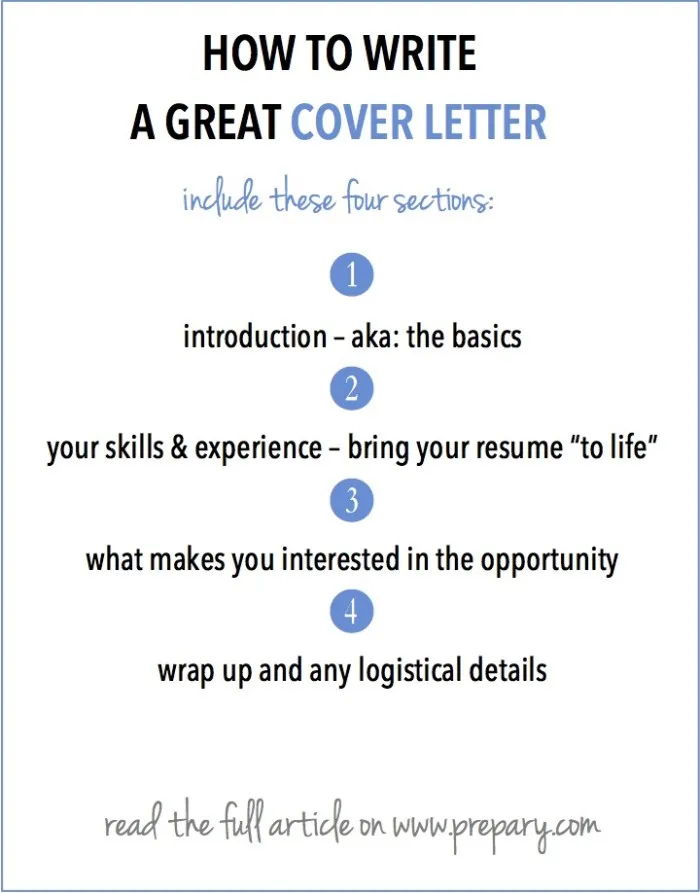
In today’s competitive job market, a well-crafted cover letter can be the key that unlocks your dream job. While some may question their relevance, cover letters remain a critical component of the application process. They provide an opportunity to introduce yourself, showcase your personality, and demonstrate how your skills and experiences align with the specific requirements of the role. A cover letter allows you to go beyond the constraints of your resume, offering a narrative that paints a more complete picture of who you are and what you can bring to the table. Recruiters and hiring managers often use cover letters to assess your communication skills, your understanding of the company, and your genuine interest in the position. This guide is designed to walk you through the process of crafting a cover letter that not only gets noticed but also helps you secure an interview. Mastering this skill will significantly increase your chances of landing the job you desire.
Cover Letter Essentials The Basics
Before diving into the specifics, it’s important to understand the fundamental elements that make up a compelling cover letter. A strong cover letter should be concise, typically no more than one page, and tailored to the specific job you’re applying for. It should clearly state the position you’re interested in and how you learned about it. The tone should be professional yet engaging, reflecting your personality and enthusiasm for the opportunity. Your cover letter should be free of errors in grammar and spelling, as these can create a negative impression. The content should be focused on the employer’s needs, demonstrating how your skills and experiences align with their requirements. Always remember to proofread your letter carefully before submitting it. The basics are crucial, as they establish a strong foundation for showcasing your qualifications and interest in the role. Neglecting these essential elements can lead to your application being overlooked.
Formatting Your Cover Letter Look Professional

Formatting is essential for creating a cover letter that is easy to read and visually appealing. Choose a professional font, such as Times New Roman, Arial, or Calibri, in a size between 10 and 12 points. Use single spacing within paragraphs and double spacing between paragraphs to create visual separation. Ensure consistent margins (typically one inch on all sides) to maintain a clean and organized look. Left-align your text and avoid using justified text, as this can create awkward spacing. Bold important information, such as the job title or your key skills, to draw the reader’s attention. Use clear headings and subheadings to break up the text and guide the reader through the letter. A well-formatted cover letter demonstrates your attention to detail and commitment to professionalism, making a positive first impression on the hiring manager. Proper formatting is not just about aesthetics; it enhances readability and makes it easier for the recruiter to quickly grasp your qualifications.
Header and Contact Information
Your header should include your full name, address, phone number, and email address. This information should be at the top of the letter, either left-aligned or centered. The contact information should be easy to read and up-to-date. Consider including a link to your professional online profiles, such as LinkedIn. If you are applying for a job internationally, ensure your phone number includes the country code. This information ensures that the hiring manager can easily contact you if they are interested in your application. Always double-check the accuracy of your contact information to avoid missing any important communications. It’s a fundamental element of professionalism.
Greeting and Salutation
The greeting sets the tone for your cover letter. If possible, address the hiring manager by name. Researching the hiring manager’s name can show that you’ve taken the time to do your homework. If you can’t find a specific name, use a general greeting like “Dear Hiring Manager” or “Dear [Company Name] Hiring Team.” Avoid generic greetings like “To Whom It May Concern,” which can make your application seem impersonal. After the body of the letter, use a professional closing such as “Sincerely,” “Best regards,” or “Yours sincerely.” The greeting and salutation are important because they help establish a personal connection with the reader.
Body Paragraph 1 Grab Their Attention

The first paragraph of your cover letter is crucial. It should immediately capture the reader’s attention and state the purpose of your letter. Clearly mention the specific position you are applying for and where you saw the job posting. Briefly highlight your most relevant qualifications or experience, emphasizing what makes you a strong candidate. Consider including a brief statement about why you are interested in the company or the role. Avoid generic opening sentences and instead, aim for a statement that shows enthusiasm and highlights your understanding of the company’s needs. The goal is to make the hiring manager want to read more. A compelling opening paragraph sets the stage for the rest of your letter and encourages the reader to continue.
Highlight Relevant Skills and Experiences
In the body of your cover letter, highlight the skills and experiences that align with the job requirements. Carefully review the job description and identify the key skills and qualifications the employer is seeking. Provide specific examples of how you have demonstrated these skills in past roles or projects. Use action verbs to describe your accomplishments and quantify your results whenever possible. Tailor your examples to the specific job, emphasizing the aspects of your experience that are most relevant. This is your opportunity to showcase your value and demonstrate why you are the best fit for the position. The body of your cover letter should be a compelling narrative that showcases your abilities and expertise.
Body Paragraph 2 Show Your Value
The second paragraph should delve deeper into your value proposition. Explain how your skills and experiences can benefit the company and contribute to its goals. Provide more detail on your achievements, using concrete examples to support your claims. Explain how you have solved problems, improved processes, or exceeded expectations in past roles. Connect your skills and experiences to the specific needs of the company, showing that you understand their challenges and are capable of addressing them. This section should demonstrate your ability to perform the responsibilities outlined in the job description and showcase your suitability for the role. Focus on how you can contribute to the company’s success.
Quantify Achievements with Numbers

Whenever possible, quantify your achievements. Numbers provide concrete evidence of your accomplishments and make your claims more persuasive. Use metrics and data to demonstrate the impact of your work. For example, instead of saying “Improved customer satisfaction,” say “Increased customer satisfaction by 15%.” Instead of “Managed social media,” state “Managed social media accounts, resulting in a 20% increase in followers and a 10% rise in engagement.” Quantifying your achievements shows that you are results-oriented and provides tangible evidence of your value. Numbers add credibility to your claims and help the hiring manager easily assess the impact of your contributions. Using data provides a clear picture of your successes.
Body Paragraph 3 Express Enthusiasm
The third paragraph should express your enthusiasm for the opportunity and the company. Explain why you are interested in the specific role and what excites you about the company’s mission, values, or culture. Show that you have researched the company and understand its products, services, or goals. Tailor your letter to show genuine interest in the position and organization. Highlight your passion for the field and your commitment to contributing to the company’s success. Expressing your enthusiasm helps the hiring manager see your genuine interest and increases the likelihood that they will consider your application favorably. Expressing your genuine interest and enthusiasm is a crucial factor.
Closing the Cover Letter Call to Action
Your closing paragraph should reiterate your interest in the position and include a call to action. Thank the hiring manager for their time and consideration. Express your eagerness to discuss your qualifications further in an interview. Provide your contact information again. State your availability for an interview and any other relevant details, such as your willingness to relocate or start immediately. A strong closing paragraph leaves the reader with a positive impression and encourages them to take the next step in the hiring process. It should be concise, professional, and leave a lasting impression.
Proofreading and Editing Ensure Perfection

Proofreading and editing are critical steps in ensuring your cover letter is polished and error-free. Carefully review your letter for any grammatical errors, spelling mistakes, or typos. Read your letter aloud to catch any awkward phrasing or sentence structure. Ask a friend, family member, or career advisor to review your letter and provide feedback. Make sure your cover letter is free of any errors and showcases your professionalism. A single mistake can significantly undermine your credibility. Attention to detail is essential. Proofreading is not optional; it’s an essential step in the application process and is necessary for presenting yourself in the best possible light.
Tailoring Your Cover Letter Customize
Each cover letter should be tailored to the specific job and company. Avoid using a generic template, as this shows a lack of interest and attention to detail. Research the company and the role to understand their needs and priorities. Customize your letter to highlight the skills and experiences that are most relevant to the job description. Explain why you are interested in this particular role and how your skills align with the company’s goals. Tailoring your cover letter demonstrates that you have invested time and effort into your application, increasing your chances of getting noticed. It is crucial to stand out from other applicants, and customization is key to achieving this.
Researching the Company and Role
Before you write your cover letter, research the company and the specific role you are applying for. Visit the company’s website to learn about their mission, values, and recent accomplishments. Review the job description carefully, paying attention to the key skills, qualifications, and responsibilities. Identify the company’s current challenges or initiatives and consider how your skills and experience can contribute to their success. This research will enable you to tailor your cover letter to the company’s specific needs and demonstrate your genuine interest in the opportunity. Tailoring demonstrates that you are not sending a generic letter, and that you are interested in the specific opportunity.
Keywords and Applicant Tracking Systems

Many companies use Applicant Tracking Systems (ATS) to screen applications. These systems scan cover letters and resumes for specific keywords. To increase your chances of getting past the ATS, incorporate keywords from the job description into your cover letter. Read the job description and identify the key skills, qualifications, and requirements. Use these keywords naturally throughout your letter, ensuring that you are not keyword stuffing. Ensure that the keywords match the phrasing used in the job description. Incorporating relevant keywords can significantly increase your chances of your cover letter being noticed. The strategic use of keywords is crucial in today’s job market.
Cover Letter Examples and Templates
Reviewing cover letter examples and templates can help you understand the structure, format, and content of a successful cover letter. Search online for cover letter templates that match your industry, experience level, and the specific job you are targeting. Study the examples, paying attention to how the writers highlight their skills, experience, and achievements. Adapt the templates to your own experiences and tailor the content to each job you apply for. Remember that templates are just a starting point, and you should customize them to reflect your unique qualifications and personality. Tailoring will help you create a compelling and effective cover letter.
Common Cover Letter Mistakes
Avoiding common cover letter mistakes is essential for making a positive impression. Many applicants make mistakes that can damage their chances of getting an interview. Understanding these mistakes can help you avoid them in your cover letter. Some mistakes are obvious, while others are more subtle. Being aware of them and making adjustments will help you put together a cover letter that gets you noticed. A cover letter must be free of common errors.
Ignoring the Job Description

Ignoring the job description is a common mistake. Failing to tailor your cover letter to the specific requirements of the job will greatly reduce your chances of getting an interview. Always review the job description carefully and identify the key skills, qualifications, and responsibilities. Highlight your relevant experience and skills, providing examples of how you have demonstrated them in the past. If the job description asks for a specific skill or qualification, make sure to address it directly in your cover letter. Ignoring the job description shows a lack of interest and demonstrates that you did not take the time to understand the role.
Using Generic Language
Using generic language is another common pitfall. Avoid using clichés, generic phrases, and vague statements. Instead, provide specific examples of your accomplishments and tailor your letter to the specific job and company. Avoid phrases that are overused or that don’t provide any real information. Instead, use active verbs and quantifiable results to make your claims more persuasive. Generic language often demonstrates a lack of effort, making your application less compelling.
Focusing on Yourself Too Much
Focusing too much on yourself, rather than on the employer’s needs, is also a mistake. Your cover letter should demonstrate how your skills and experience can benefit the company. The focus should be on the value you can bring to the role and how you can contribute to the company’s goals. While it’s important to highlight your qualifications, make sure to connect them to the specific needs of the company. The hiring manager is concerned about what you can do for them, not just about your accomplishments. Ensure your letter is focused on what you can offer the organization and demonstrate how you can benefit the company.
Writing a Cover Letter for Different Situations
The approach to writing a cover letter may vary depending on your situation. Tailoring your cover letter to the specific situation is important for maximizing its effectiveness. Whether you are applying for your first job, changing careers, or seeking an internal promotion, you will need to adjust the content and focus of your letter. Understanding the specific requirements of each situation will increase your chances of getting noticed.
Entry-Level Cover Letter
For entry-level positions, focus on highlighting your skills, education, internships, and any relevant volunteer experience. If you have limited work experience, emphasize your transferable skills and your enthusiasm for the field. Showcase your academic achievements and any projects or coursework that are relevant to the role. Tailor your cover letter to match the specific requirements of the job, emphasizing your potential and willingness to learn. Even if you have limited experience, you can still create a compelling cover letter that makes you stand out.
Cover Letter for Career Change
When changing careers, focus on highlighting your transferable skills and demonstrating how your experience is relevant to the new field. Explain your reasons for making the career change and showcase your enthusiasm for the new opportunity. Research the industry and the specific role, and tailor your cover letter to match the requirements. Address any gaps in your experience by highlighting your willingness to learn and your commitment to the new career path. The key is to show how your existing skills are adaptable and relevant to the position. Be proactive in demonstrating your understanding of the field and your enthusiasm to make a change.
Cover Letter for Internal Promotion
When applying for an internal promotion, focus on highlighting your accomplishments and contributions to the company. Demonstrate your understanding of the company’s goals and how you can contribute to their success in the new role. Reference your existing relationships within the company and showcase your knowledge of the organization’s culture and values. Emphasize your loyalty and commitment to the company and your eagerness to take on new responsibilities. Tailor your cover letter to show that you are the best candidate for the promotion, and you will need to demonstrate the value you will bring to the new role.
Cover Letter for a Specific Industry
Cover letters for specific industries often require a different approach. Research the industry’s specific norms and best practices. Understand the specific requirements, the language, and formatting conventions of the industry. Tailor your cover letter to reflect your understanding of the industry and your familiarity with its key players and trends. For creative fields, showcase your portfolio and your creativity. For technical fields, highlight your technical skills and expertise. Focus on the elements most important to the industry.
Final Thoughts
Writing a good cover letter takes time and effort, but it’s an essential skill for any job seeker. By following these guidelines and tailoring your letter to each specific job, you can significantly increase your chances of getting noticed and securing an interview. Remember to be professional, enthusiastic, and demonstrate your value to the employer. Proofread carefully and ensure your cover letter is free of errors. A well-crafted cover letter can be the key to opening doors to your dream job. Embrace the process and make sure you put your best foot forward. Good luck with your job search!