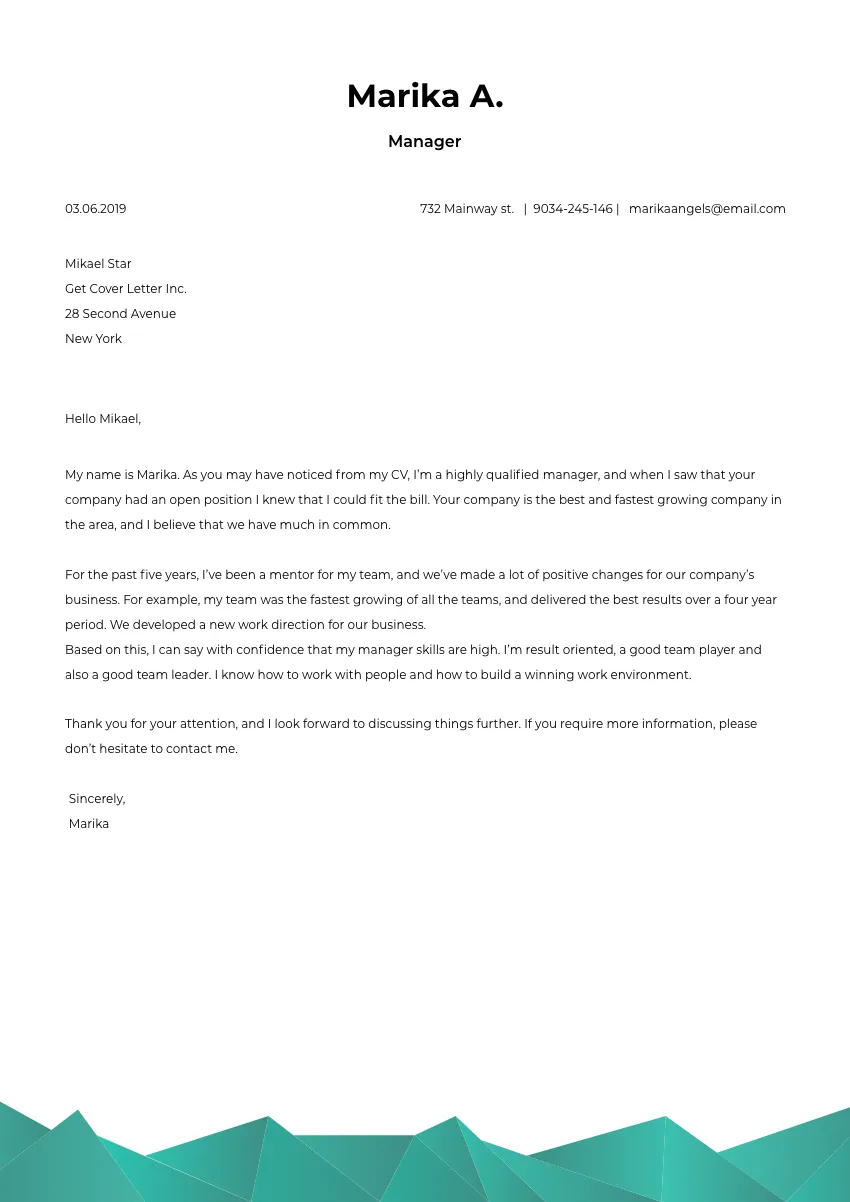
Understand the Importance of a Strong Cover Letter
In the competitive job market, a well-crafted cover letter is your first chance to make a great impression on potential employers. A strong cover letter for a communications officer role is not just a formality; it is a powerful tool to showcase your unique qualifications and enthusiasm. It allows you to tell a compelling story beyond your resume, highlighting your relevant skills and experience. This document is an excellent platform to show your writing skills, attention to detail, and genuine interest in the company and the specific position. Neglecting a high-quality cover letter can make you miss out on opportunities to get noticed. The cover letter is your personal introduction and a key part of a successful job application.
Your cover letter should be more than a restatement of your resume. It should provide context, explain your career goals, and show how your skills align with the needs of the role. A strong cover letter demonstrates that you have researched the company and understand its values and mission. It also showcases your writing skills, which are essential for a communications officer. It is your opportunity to persuade the hiring manager that you are worth getting to know, a critical step to securing your desired role. By writing a great cover letter, you increase your chances of success.
Highlight Your Skills and Experience
Use your cover letter to spotlight the skills and experience that align with the communications officer position. Don’t simply list your qualifications; demonstrate them through specific examples. Consider the key responsibilities outlined in the job description and the skills the employer is seeking. Use your letter to explain how you have successfully applied those skills in past roles. If the job requires strong writing skills, share an example of a press release, blog post, or any content that showcases your ability to craft engaging content. If the role emphasizes media relations, mention any successful experiences in pitching stories to journalists or managing media inquiries.
Use action verbs to describe your accomplishments. Instead of saying you “assisted with social media,” try “developed and implemented a social media strategy that increased follower engagement by 30%.” Quantify your achievements whenever possible; numbers and data prove your abilities. Tailor your examples to match the job’s requirements, and avoid generic statements. This targeted approach will help the hiring manager see how your skills match their needs, making you a more attractive candidate. The goal is to convince them that you possess the skills and have a history of success.
Research the Company and Tailor Your Letter

Research the company and tailor your cover letter to make it stand out. Generic cover letters that lack personalization are easily discarded. Before you start writing, learn about the company’s mission, values, recent projects, and current challenges. Visit their website, explore their social media presence, and read recent news articles. This research will give you valuable insights to include in your letter, showing you are genuinely interested in working for the company.
Tailor your cover letter to show how your skills align with the company’s needs and goals. Mention specific projects or initiatives that interest you, and then explain how your contributions could benefit the organization. Show that you understand the role in the context of the company’s overall strategy. Customize your letter for each job you apply for; using the same cover letter for every position signals a lack of interest and attention to detail. By personalizing your cover letter, you show initiative and genuine interest, increasing your chances of getting noticed by the hiring manager.
Craft a Compelling Opening and Closing
The opening and closing paragraphs are critical parts of your cover letter. They determine if the hiring manager will read the rest. Your opening should grab their attention and make them want to learn more. Avoid generic phrases such as “I am writing to express my interest…” and use a more engaging start. You could start with a statement highlighting your key qualifications or a notable achievement. You could also express your enthusiasm for the company, referencing something specific that you admire about them.
Your closing should summarize your interest and reiterate your value, leaving a lasting impression. Avoid ending with “Thank you for your time and consideration.” Express your enthusiasm for the opportunity and willingness to discuss your qualifications further. State your availability for an interview and provide your contact information. A strong closing reinforces key points and reminds the reader why you are an excellent candidate. A compelling opening and closing significantly increase your chances of a positive impact and securing an interview.
Showcase Your Communication Skills
Your cover letter is your chance to demonstrate strong writing and communication skills, essential for a communications officer. Pay attention to your writing style, ensuring it is clear, concise, and engaging. Use correct grammar, punctuation, and spelling. A poorly written cover letter can disqualify you, regardless of your qualifications. Vary your sentence structure and use an active voice to keep the reader engaged. Avoid jargon; your writing should be accessible and easy to understand.
Demonstrate your ability to adapt your communication style to different audiences. If the role requires writing for a specific audience, tailor your tone and language accordingly. Adapt your writing style to fit the company’s brand voice. The cover letter reflects your communication skills. Use this opportunity to express your personality and enthusiasm. Make sure the cover letter reflects your ability to communicate effectively, persuasively, and professionally, which will increase your chances of landing the job.
Proofread and Edit Meticulously

Proofread your cover letter meticulously before submitting it. Errors in grammar, spelling, or punctuation can undermine your credibility and make you seem unprofessional. Review your letter several times, ideally on different days, to catch any mistakes. Reading your cover letter aloud helps you identify awkward phrasing. Ask a friend, colleague, or career counselor to review it for feedback. Pay close attention to the formatting and layout of your cover letter.
Ensure your cover letter is well-organized and easy to read. Use a professional font and appropriate margins. The appearance of your cover letter reflects your attention to detail. Double-check the recipient’s name and the company’s name for accuracy. A simple error can make you seem careless. A polished and error-free cover letter demonstrates your commitment to excellence and increases your chances of getting noticed by the hiring manager. A cover letter free of errors is a sign of respect and professionalism.