What is a Cover Letter
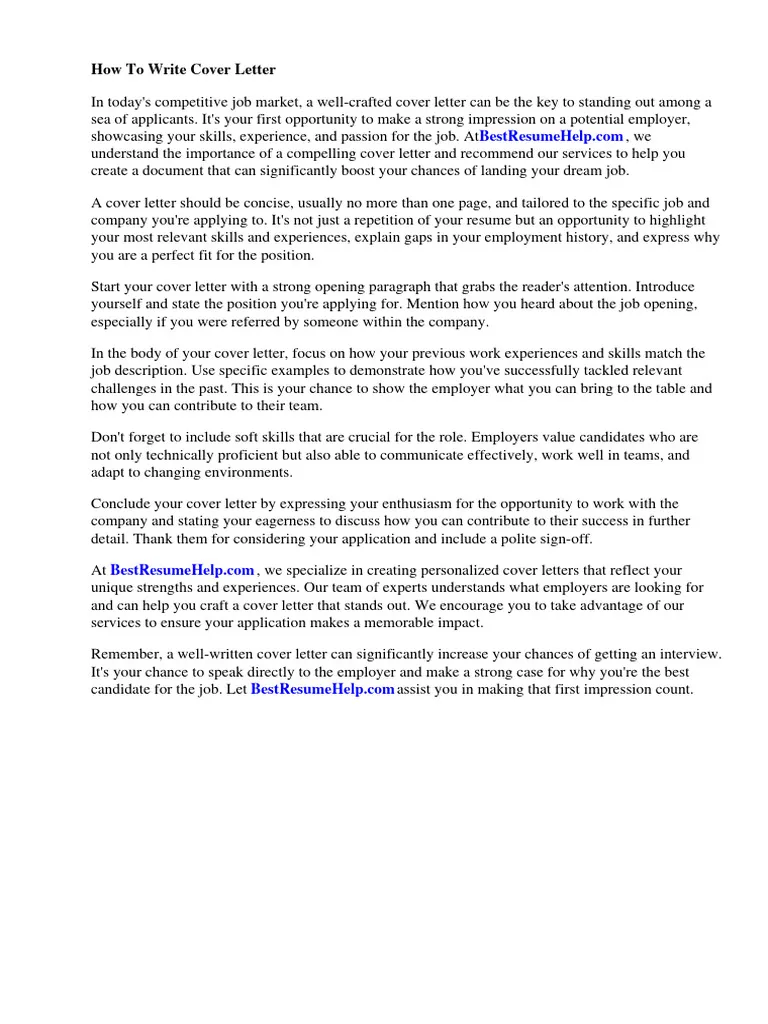
A cover letter is a formal document you send with your resume when applying for a job. It serves as an introduction to your qualifications and a way to express your interest in the position. It allows you to elaborate on your resume, providing specific examples of your skills and experiences. A well-crafted cover letter can significantly increase your chances of getting an interview by capturing the hiring manager’s attention and making a strong first impression. Unlike a resume, a cover letter allows you to demonstrate your writing skills and personality, making you stand out from other applicants. Think of it as your first opportunity to ‘speak’ to the hiring manager and convince them why you are the perfect candidate for the job.
Why is a Cover Letter Important
Cover letters are important for several reasons. First and foremost, they allow you to personalize your application. They demonstrate to the hiring manager that you have taken the time to understand the role and the company, and that you are genuinely interested in the opportunity. Secondly, a cover letter allows you to highlight specific skills and experiences that align with the job requirements, going beyond the basic information presented in your resume. This targeted approach can make your application much more compelling. Furthermore, a cover letter provides an opportunity to showcase your communication skills, which are often crucial in the workplace. Your writing style, tone, and ability to express yourself clearly can make a positive impression on the hiring manager.
Cover Letter Essentials

Greeting and Opening
Your opening should be professional and engaging. Avoid generic greetings like ‘To Whom It May Concern.’ Whenever possible, address the hiring manager by name. If you don’t know their name, research the company’s website or LinkedIn. If you still can’t find a name, use a professional greeting like ‘Dear Hiring Manager’ or ‘Dear [Department Name] Team.’ Your opening paragraph should state the position you’re applying for and briefly explain why you’re interested in the role and the company. This sets the tone for the rest of the letter and immediately grabs the reader’s attention.
Research the Company
Thorough research into the company is crucial. Show that you understand the company’s mission, values, and recent achievements. This demonstrates your genuine interest and commitment. Use the company website, social media, and news articles to gather information. Mention specific projects, initiatives, or aspects of the company that resonate with you. This personalized approach proves you haven’t just sent a generic application, but have taken the time to understand their needs and how you can contribute. This level of detail can significantly set you apart from other applicants.
Highlight Relevant Skills and Experience

Focus on the skills and experiences that are most relevant to the job description. Carefully review the job posting and identify the key requirements. Then, provide specific examples of how you’ve demonstrated those skills in the past. Use action verbs to describe your accomplishments and quantify your results whenever possible. If the job requires project management skills, for instance, describe a project you managed, what your responsibilities were, and what the outcome was. This helps the hiring manager quickly understand how your skills align with their needs and how you can add value to their team.
Quantify Achievements
Whenever possible, quantify your achievements with numbers and data. Instead of saying ‘Improved sales,’ state ‘Increased sales by 15% in one quarter.’ This provides concrete evidence of your abilities and makes your accomplishments more impactful. Include specific metrics and data points to support your claims. This will enable the hiring manager to understand the impact you made in previous roles. Providing data shows you can drive real results. This will make you a stronger candidate. Use numbers and specific details to back up your claims about your skills and experience.
Showcase Your Personality
While maintaining a professional tone, let your personality shine through. Your cover letter is an opportunity to show the hiring manager who you are as an individual, not just as a list of qualifications. This can be achieved through your writing style, the examples you provide, and the way you express your enthusiasm for the role. Ensure it is appropriate for the company culture. Try to convey enthusiasm and passion for the job and the company. This will allow the hiring manager to understand your personality and assess your fit within the team. Demonstrate how your values align with the company’s, showcasing your interpersonal skills.
Tailor the Cover Letter

Customize your cover letter for each job you apply for. Don’t reuse a generic cover letter. Take the time to modify it to fit the specific requirements of each position and company. This shows you’re genuinely interested in the specific job and that you have the skills and experience they are looking for. Refer to the job description and address the key requirements and responsibilities in your letter. This customization will set your application apart and significantly increase your chances of getting an interview. Tailoring your cover letter for each application is key.
Formatting and Tone
Maintain a professional tone and format throughout your cover letter. Use a clear and concise writing style. Avoid slang, jargon, and overly casual language. Choose a professional font, such as Times New Roman, Arial, or Calibri, and use a readable font size (11 or 12 points). Proofread carefully for any grammatical errors or typos. Ensure your letter is well-organized with clear paragraphs and headings to make it easy to read. Correct formatting and professional tone will significantly enhance your cover letter.
Closing and Call to Action
Your closing paragraph should reiterate your interest in the position and thank the hiring manager for their time and consideration. Include a call to action by encouraging them to contact you to schedule an interview. Provide your phone number and email address. This shows initiative and makes it easy for them to get in touch with you. Make sure to express enthusiasm to discuss the opportunity further. A strong closing reinforces your interest and encourages the next step in the hiring process.
Proofread Carefully

Proofreading is an absolute must. Errors, typos, or grammatical mistakes can undermine your credibility and make a negative impression. Read your cover letter multiple times. Use a spell-checker, but don’t rely on it entirely. Have a friend or colleague review your letter for any errors you might have missed. A well-proofread cover letter shows attention to detail and professionalism.
Cover Letter Structure
Contact Information
At the top of your cover letter, include your contact information. This usually includes your full name, address, phone number, and email address. This allows the hiring manager to quickly reach you. Ensure your contact information is up-to-date and professional. This section is concise and easy to find. Double-check that all information is accurate. This section is important as it allows for a quick and easy way for the hiring manager to contact you.
The Body Paragraphs

The body paragraphs of your cover letter are where you showcase your qualifications and express your interest in the job. Typically, the body consists of three or four paragraphs. Each paragraph should focus on a specific aspect of your qualifications and how they align with the job requirements. The body paragraphs should provide a clear narrative that connects your experiences to the needs of the company.
First Body Paragraph
Start by stating the position you’re applying for and where you saw the job posting. Briefly mention why you are interested in the role. This paragraph should immediately capture the hiring manager’s attention. Show your enthusiasm for the position. This is your chance to make a strong first impression. Clearly state the job title and state where you found the opportunity. Briefly state your reason for applying.
Second Body Paragraph
In the second paragraph, highlight your relevant skills and experience. Provide specific examples from your past roles that demonstrate your abilities. Mention achievements that align with the job requirements. Quantify your accomplishments whenever possible to provide concrete evidence of your skills. Provide specific examples and quantify your results whenever possible. Focus on achievements relevant to the role, backing them up with data to showcase your value.
Third Body Paragraph

In the third paragraph, elaborate on your interest in the company and the role. Show that you’ve researched the company and understand their mission and values. Explain why you are a good fit for their culture. This demonstrates your dedication and eagerness. Explain your career aspirations and why you see this opportunity as a good fit for you. Express your passion and align yourself with the company’s values.
Closing Paragraph
Summarize your interest and reiterate your enthusiasm for the role. Thank the hiring manager for their time and consideration. Include a call to action. Express your willingness to discuss your qualifications further and encourage them to contact you for an interview. Include your contact information for easy access.
Addressing the Cover Letter
Addressing an Unknown Person
It is often difficult to find the name of the hiring manager. If you can’t find the name of the hiring manager, avoid using a generic greeting. Research the company to find the name of the department head or hiring team. If the name is still unavailable, use a general greeting. If all else fails, use a professional greeting to get the hiring manager’s attention and keep the cover letter respectful. Make every effort to address the letter to a specific person, but if this is impossible, use professional alternatives.
Using General Greetings
If you can’t find a specific name, use a general but professional greeting. Options include ‘Dear Hiring Manager,’ ‘Dear [Department Name] Team,’ or ‘Dear [Company Name] Recruiting Team.’ Avoid outdated greetings. Make sure you choose a professional greeting to keep the tone of your cover letter appropriate. Avoid phrases such as ‘To Whom It May Concern’ as they may appear too impersonal. Choose the most appropriate greeting for the situation. Remember, a professional greeting can make a positive first impression, so choose wisely.
Researching the Hiring Manager
Use LinkedIn and other company resources to find the hiring manager’s name. Searching the company website may reveal the department head or team lead. If the job posting includes contact information, it could provide the name you need. Always try to personalize your cover letter with a specific name. A personal approach shows you’ve taken the time to research. Put in effort to find out who will be reading your cover letter. This effort will add value to your application.
Example Cover Letter
Here’s an example cover letter demonstrating the key elements. This will offer insight into the structure and tone. Use it as a template to build your own cover letter. Tailor it to your personal experience. Customize it with your skills and achievements. Review the sample letter carefully and adapt the format to your own needs.
Cover Letter Tips to Get Hired
Adaptable Tone
Adjust your tone to fit the company culture. Make sure the tone of your cover letter complements the job and company culture. Some companies prefer a more formal tone. Be sure to match the tone of the application to the requirements. A professional tone can vary, so read the job description.
Keep it Concise
Keep your cover letter to one page. Focus on the most relevant information. Recruiters spend a limited amount of time on each cover letter. Stay focused and avoid any unnecessary details. Make sure that your cover letter is easy to read. Get your message across in a clear and straightforward way.
Focus on Value
Focus on the value you can bring to the company. Highlight your skills and experiences. Explain how you can address the company’s needs. Make sure you show how you can contribute to their goals. Concentrate on what you can contribute to the company. Always remember the importance of highlighting the value you can bring to the company.