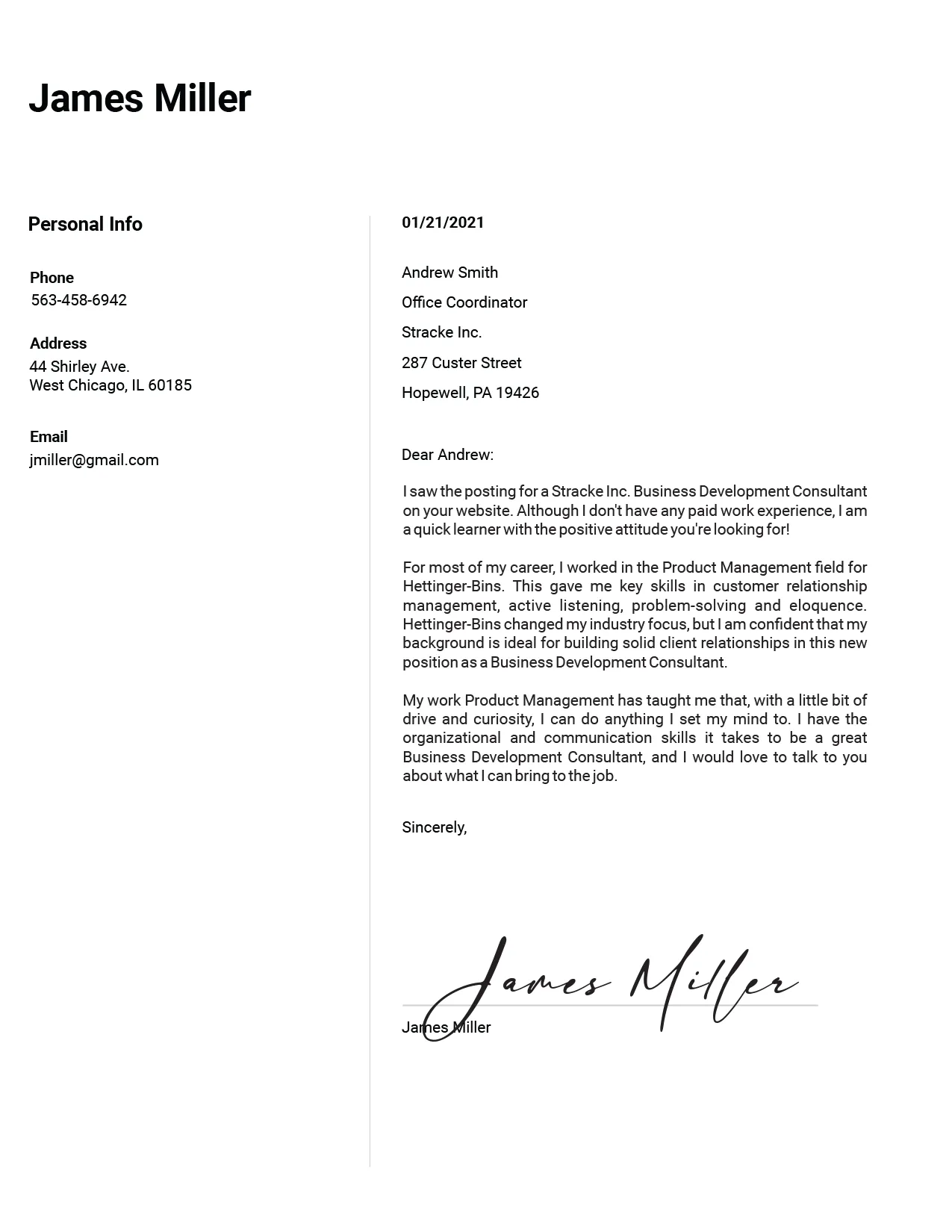
What is a Cover Letter and Why Do You Need One?
A cover letter is a crucial document that accompanies your resume when applying for a job. It serves as an introduction, allowing you to elaborate on your qualifications, skills, and experiences in a more personalized manner than a resume allows. Unlike a resume, which presents a factual summary of your career, a cover letter provides a space to showcase your personality, enthusiasm, and genuine interest in the specific role and company. It is a vital tool for making a strong first impression and increasing your chances of securing an interview. Many hiring managers consider a cover letter to be a mandatory part of the application process, so not including one can be a significant disadvantage. Furthermore, cover letters give you a chance to explain any gaps in your employment history or other potential red flags that might appear on your resume.
The Purpose of a Cover Letter
The primary purpose of a cover letter is to highlight the value you can bring to a potential employer. It enables you to connect your skills and experiences directly to the requirements outlined in the job description. It’s also a way to show that you’ve done your research on the company and understand its needs, demonstrating that you are genuinely interested in the position and not just sending out generic applications. A well-crafted cover letter should capture the reader’s attention, convey your unique selling points, and persuade them to review your resume and consider you for an interview. Cover letters allow you to distinguish yourself from other candidates by showcasing your communication skills, personality, and passion for the role.
Benefits of Using a Cover Letter

Using a cover letter provides multiple benefits. Firstly, it allows for personalization. You can tailor each letter to the specific job and company, which demonstrates that you’ve invested time and effort in your application. Secondly, it provides context and explanation. You can clarify how your skills and experiences align with the job requirements, which might not be as clear from a resume alone. Thirdly, a cover letter can showcase your communication skills, and writing ability. It demonstrates professionalism, attention to detail, and your ability to articulate your thoughts effectively. A well-written cover letter makes you stand out from the competition by emphasizing your unique qualifications and enthusiasm for the position. This increases your chances of getting noticed by the hiring manager and securing an interview. Finally, a cover letter enables you to address any potential concerns about your application. For instance, if you have a gap in your employment history, you can use your cover letter to explain the reason and reassure the employer.
Key Components of a Winning Cover Letter
A winning cover letter comprises several key components that work together to make a compelling case for your candidacy. Each part is crucial in communicating your qualifications, interest, and personality. Begin by creating a header including your contact information and the date. Next, address the hiring manager or the specific person named in the job posting. The opening paragraph should immediately capture the reader’s attention by mentioning the position you’re applying for and expressing your enthusiasm. The body of the letter should highlight your relevant skills and experiences, giving concrete examples to show how you meet the job requirements. The closing paragraph should reiterate your interest in the position, thank the reader for their time and consideration, and include a clear call to action, such as stating your availability for an interview. Throughout the letter, maintain a professional and enthusiastic tone while proofreading carefully for any errors.
Contact Information and Formatting
Your cover letter should begin with your contact information. Include your full name, phone number, email address, and optionally, your LinkedIn profile URL. Ensure that the contact details are easily accessible and professional. Place the date below your contact information. Following the date, include the hiring manager’s name (if known), their title, the company’s name, and the company’s address. Use a standard business letter format with a professional font like Times New Roman, Arial, or Calibri. Maintain a consistent font size (typically 11 or 12 points) throughout the document. Ensure there is adequate spacing between paragraphs and sections to improve readability. Be sure to align your text to the left, avoiding justification, which can create awkward spacing. Aim for a single-page cover letter, unless specifically instructed otherwise, keeping it concise and focused.
The Introductory Paragraph How to Grab Attention

The introductory paragraph is your first opportunity to make a strong impression. It should immediately capture the reader’s attention and make them want to read more. Start by stating the specific position you are applying for and where you found the job posting. Mention something that grabbed your attention about the role or the company to show you’ve done your research. Briefly express your enthusiasm for the opportunity and why you are interested. Avoid generic opening statements. Instead, try to make it personal and show that you understand the company’s needs and the role’s requirements. Consider starting with a compelling statement that summarizes your key qualifications or a notable achievement that is relevant to the job. You can also use a specific example of your skills or experiences that aligns with the job description. The goal is to immediately connect with the reader and encourage them to read the rest of the cover letter.
Highlighting Your Skills and Experience
The body of your cover letter should highlight the skills and experiences most relevant to the job. Refer back to the job description and identify the key requirements and qualifications. Provide specific examples that demonstrate how you’ve utilized those skills in previous roles. Use the STAR method (Situation, Task, Action, Result) to structure your examples, detailing the situation you were in, the task you had to complete, the actions you took, and the results you achieved. This allows you to provide concrete evidence of your abilities. Quantify your achievements whenever possible. Use numbers and data to demonstrate the impact you’ve made in previous roles, such as the percentage increase in sales, the number of projects completed, or any other measurable outcomes. Tailor your examples to the specific job. Focus on the skills and experiences the employer is looking for and make sure to use keywords from the job description. Use clear and concise language, and avoid jargon or overly technical terms. Maintain a professional tone and avoid sounding arrogant. Show your achievements and skills while being confident and professional.
Tailoring Your Letter to the Job Description
Customizing your cover letter for each job application is essential. Tailoring demonstrates that you’ve taken the time to understand the specific requirements and expectations of the role and the company. Carefully review the job description and identify the key skills, qualifications, and experiences the employer is looking for. Use this information to structure your cover letter and highlight the relevant aspects of your background. Incorporate keywords from the job description into your cover letter, but do not simply repeat them. Instead, use them naturally within your sentences to show how your skills align with the job’s requirements. Provide specific examples that demonstrate how you’ve used these skills in the past. If the job description emphasizes teamwork, provide an example of your collaborative efforts. If the job requires strong project management skills, showcase your experience in managing projects and achieving results. Doing so shows your commitment to the role and significantly increases the effectiveness of your cover letter. Avoid generic cover letters and always customize your cover letter to address the unique needs and requirements of each job opportunity.
Quantifying Your Achievements

Quantifying your achievements is a crucial element of a compelling cover letter. Using numbers and data provides concrete evidence of your abilities and the impact you’ve made in previous roles. Whenever possible, include specific metrics to demonstrate your accomplishments. For example, instead of saying, “Improved customer satisfaction,” you could say, “Increased customer satisfaction by 15% within six months.” Likewise, if you managed a project, mention the budget, the timeline, and the specific results achieved. Quantifying your achievements adds credibility and shows the value you bring to the table. If you increased sales, include the percentage increase, the dollar amount, or the number of new clients you acquired. If you streamlined a process, mention the time or cost savings achieved. If you led a team, state the size of the team and the outcomes achieved. Quantifiable results are more persuasive and help the employer understand the value you can deliver. Including numbers also helps you stand out from the competition.
Showcasing Your Personality and Enthusiasm
While maintaining a professional tone, your cover letter should showcase your personality and enthusiasm for the position and the company. Inject your personality through your writing style, making sure your tone is enthusiastic and engaging. Share your passion for the industry or the company’s mission. This can be done by expressing your excitement about the opportunity and explaining why you are interested in the specific role. Research the company and tailor your letter to reflect your understanding of its values, culture, and goals. Mention any specific projects, initiatives, or products that interest you. Include a brief, relevant anecdote that highlights your work ethic, skills, or personality. The goal is to show the hiring manager that you are not only qualified but also a great fit for the team. Avoid generic statements and strive to make your cover letter unique. Proofread your letter carefully to ensure a polished, professional presentation. This gives a more authentic representation of yourself and significantly increases the chances of standing out.
The Closing Paragraph Call to Action
The closing paragraph is your last chance to leave a positive impression and encourage the reader to take action. Reiterate your interest in the position and express your enthusiasm for the opportunity. Thank the hiring manager for their time and consideration. State your availability for an interview. It is essential to make it easy for the hiring manager to contact you, so re-include your phone number and email address. End with a professional closing, such as “Sincerely,” or “Best regards,” followed by your name. Proofread your closing paragraph carefully to ensure it is free of errors and conveys confidence and professionalism. Consider adding a line about your interest in discussing your qualifications further. The closing paragraph is a crucial element of a well-crafted cover letter, as it reminds the reader of your enthusiasm and encourages them to take the next step in the hiring process. A strong call to action can significantly increase the chances of securing an interview.
Proofreading and Editing Avoiding Errors

Proofreading and editing are essential steps in the cover letter writing process. A cover letter riddled with errors can undermine your credibility and significantly reduce your chances of getting an interview. After writing your cover letter, take the time to proofread it carefully for any typos, grammatical errors, and inconsistencies. Check the spelling of all names, titles, and company names. Use a grammar checker to catch any mistakes you may have missed. Ensure that your sentences are clear and concise and that your paragraphs flow logically. Read your cover letter aloud to catch any awkward phrasing or sentences. Ask a friend, family member, or career counselor to review your cover letter. This can help you identify any errors you may have missed. Pay close attention to formatting and ensure that your cover letter is visually appealing and easy to read. Proofreading and editing are critical steps in ensuring that your cover letter is polished, professional, and error-free. A well-proofread cover letter demonstrates your attention to detail and your commitment to excellence, and it significantly improves your chances of making a positive impression on the hiring manager.
Formatting and Design Best Practices
Proper formatting and design are crucial for making your cover letter visually appealing and easy to read. Using a clear and professional font, such as Times New Roman, Arial, or Calibri, improves readability. Maintain a consistent font size (11 or 12 points) throughout the document. Use standard business letter format, including your contact information, the date, the hiring manager’s name (if known), their title, the company’s name, and the company’s address. Left-align the text and avoid justification, which can create awkward spacing. Use single-spacing within paragraphs and double-spacing between paragraphs to improve readability. Maintain consistent margins (typically 1 inch) on all sides of the document. Keep your cover letter to one page, unless explicitly requested otherwise. Use a simple and clean design to avoid distracting the reader from the content. Avoid excessive use of bolding, italics, or underlining. Ensure that your cover letter is easily readable on any device, whether printed or viewed on a screen. Formatting and design choices contribute to the overall professionalism and readability of your cover letter, making it easier for the hiring manager to review your qualifications and experience.
Cover Letter Examples and Templates
Using cover letter examples and templates can be a helpful starting point for creating your own cover letter. You can find numerous cover letter examples and templates online, catering to different job types, industries, and experience levels. When using a template, be sure to customize it to reflect your specific skills, experience, and the job you are applying for. Do not simply copy and paste the template. Instead, use it as a guide to structure your cover letter and adapt the content to showcase your unique qualifications. Pay attention to the tone and style of the example or template, and adapt it to match your own writing style and the requirements of the job. Tailor each cover letter to the specific job description. Review the job posting to identify the keywords, skills, and experiences the employer is looking for, and use the example to highlight those elements. If you have limited experience, look for cover letter examples for entry-level positions or those with similar backgrounds. Using cover letter examples and templates can save you time and provide inspiration while ensuring your cover letter meets professional standards. Adapt and personalize them to make your application unique.
Different Cover Letter Types

Different types of cover letters serve various purposes and are tailored to specific situations. The standard cover letter is the most common type, used to introduce yourself and your qualifications in response to a job posting. The networking cover letter is used to connect with professionals in your field and inquire about potential job opportunities. The application cover letter responds to a job posting and highlights your specific skills and experiences in relation to the requirements of the role. The prospecting cover letter is used to express your interest in a company and inquire about potential job openings, even if there are no advertised positions. The referral cover letter is written to leverage a referral from someone within the company, which can significantly increase your chances of getting noticed. Understanding the different types of cover letters enables you to select the appropriate approach for each application. Choosing the right type of cover letter can significantly improve your chances of making a positive impression on the hiring manager and increasing your chances of securing an interview.
Cover Letter for Entry-Level Positions
When writing a cover letter for an entry-level position, focus on highlighting your skills, education, and any relevant experience, such as internships, volunteer work, or projects. Since you may have limited work experience, emphasize your transferable skills, such as communication, teamwork, problem-solving, and organizational skills. Highlight any academic achievements, coursework, or projects that demonstrate your knowledge and abilities. Mention any extracurricular activities, volunteer work, or leadership roles that showcase your initiative and commitment. Demonstrate your enthusiasm and eagerness to learn and contribute to the company. Tailor your cover letter to each job, even if the skills required are similar. Address the specific requirements of the job description and explain how your skills and experiences align with the employer’s needs. Use clear and concise language, avoiding jargon or overly technical terms. Proofread your cover letter carefully and ask someone to review it before submitting your application. The goal is to show the hiring manager that you are a motivated and capable candidate, even without extensive work experience. For entry-level positions, a well-written cover letter can significantly improve your chances of landing an interview and starting your career.
Cover Letter for Career Change
When writing a cover letter for a career change, the primary goal is to demonstrate the transferability of your skills and experience. Start by identifying your relevant skills, even if they were gained in a different industry or role. Highlight the skills that align with the requirements of the new job, emphasizing how they can be applied in the new field. Explain your motivation for changing careers and express your genuine interest in the new field. Address any potential concerns the employer might have about your lack of direct experience in the new industry. Showcase your adaptability and willingness to learn. Highlight any training, certifications, or education relevant to the new career path. Tailor your cover letter to the specific job, emphasizing how your skills and experiences align with the employer’s needs. Use clear and concise language, avoiding jargon or overly technical terms. Proofread your cover letter carefully and ask someone to review it before submitting your application. A well-written cover letter for a career change can showcase your potential and increase your chances of landing an interview in a new field.
Cover Letter for Specific Industries

Cover letters for specific industries often require different approaches and emphasize industry-specific skills and knowledge. For instance, in the tech industry, highlighting your technical skills, coding proficiency, and experience with specific tools or platforms is crucial. In the creative industry, showcasing your portfolio, design skills, and ability to think creatively is essential. In the healthcare industry, emphasizing your relevant certifications, experience with medical terminology, and understanding of healthcare regulations is important. Research the industry and understand its specific requirements and expectations. Tailor your cover letter to reflect the industry standards and vocabulary. Use industry-specific keywords and terminology to demonstrate your knowledge and expertise. Highlight your relevant experiences, skills, and any relevant industry certifications. Show your understanding of the industry trends and challenges. If relevant, provide a link to your portfolio or website to showcase your work. For each industry, tailor your cover letter to the specific role and company, emphasizing the relevant skills, experiences, and qualifications. For example, writing a cover letter for a marketing position would require a different approach than a cover letter for an engineering position. Therefore, understanding the needs of the industry is crucial.
Common Cover Letter Mistakes to Avoid
Avoiding common cover letter mistakes is critical to making a positive impression. One of the biggest mistakes is using generic language and lacking personalization. Avoid sending the same cover letter to multiple companies. Customize your cover letter for each job application. Another common mistake is including typos and grammatical errors. Always proofread your cover letter carefully before submitting it. Failing to highlight relevant skills is a significant error. Make sure to tailor your cover letter to the job description. Sending the wrong cover letter is also a critical mistake. Always ensure that you’re sending the right cover letter for the job. Other mistakes to avoid include being overly verbose, using jargon or clichés, and focusing on yourself rather than the employer’s needs. By avoiding these common mistakes, you can significantly improve your chances of creating a winning cover letter and making a strong first impression. It’s best to have someone else read your cover letter. This will help you spot common errors.
Generic Language and Lack of Personalization
Using generic language and lacking personalization is one of the most common cover letter mistakes. Avoid using generic phrases such as “To whom it may concern” or “I am writing to express my interest.” Instead, address the hiring manager by name and tailor your cover letter to the specific company and job. Avoid sending the same cover letter to multiple companies. Instead, customize your cover letter for each job application. Mention something that caught your eye about the company, the team, or the role. Show your genuine interest in the opportunity, rather than simply repeating the same generic statements. Using generic language can make your cover letter sound impersonal and unenthusiastic, which can make you appear less interested in the position. Personalization makes a big difference in the way a hiring manager will view you. Customize your cover letter to match the job requirements and the company’s culture. Show the hiring manager that you have invested time in your application.
Typos and Grammatical Errors

Typos and grammatical errors can undermine your credibility and make you appear unprofessional. Always proofread your cover letter carefully before submitting your application. Check for any spelling mistakes, punctuation errors, and grammatical inconsistencies. Use a grammar checker tool to catch any errors you may have missed. Read your cover letter aloud to catch any awkward phrasing or sentences. Ask a friend, family member, or career counselor to review your cover letter. Pay close attention to detail and ensure your cover letter is free of errors. Ensure that the formatting is consistent and that the text is easy to read. A cover letter with typos and grammatical errors can make you appear careless and inattentive to detail, which will not impress the hiring manager. Proofreading your cover letter will help to ensure that your writing is clear, concise, and professional.
Failing to Highlight Relevant Skills
Failing to highlight your relevant skills is a common mistake. The primary purpose of a cover letter is to show the employer that you have the skills and experience required to be successful in the role. When writing your cover letter, refer back to the job description and identify the key skills and qualifications the employer is looking for. Make sure to provide specific examples that demonstrate how you’ve used these skills in previous roles. Quantify your achievements whenever possible by providing data and metrics. Use the STAR method (Situation, Task, Action, Result) to structure your examples. Make sure to use keywords from the job description, but don’t simply repeat them. Instead, use the keywords naturally within your sentences to demonstrate how your skills align with the job’s requirements. Tailor your cover letter to each job and focus on the skills and experiences the employer is looking for. Make it clear that you have the skills necessary to succeed in the position.
Sending the Wrong Cover Letter
Sending the wrong cover letter is a critical mistake that can result in your application being rejected. It demonstrates a lack of attention to detail and a lack of interest in the specific role. Avoid using a cover letter that is not tailored to the job or company. Do not use a generic cover letter that you have sent to multiple applications. Ensure that your cover letter addresses the specific requirements of the job description. Check that your cover letter matches the job title, company, and location. Make sure that you are not referencing the wrong company or position. If you’ve made any changes to your resume, make sure your cover letter reflects those changes. Always review your cover letter before submitting your application to ensure that it is the right fit for the job. Sending the wrong cover letter can make you appear careless and can undermine your chances of securing an interview. Take the time to customize each cover letter and always proofread it carefully.
Tips for Cover Letter Success
To increase your chances of cover letter success, follow these tips. Researching the company and the hiring manager is essential. Understand the company’s mission, values, and culture. Tailor your cover letter to reflect your understanding of their needs. Show your enthusiasm for the role and the company. Use action verbs to start each sentence and to provide clarity. This will add a more active tone to your cover letter. Following up after submitting your application is another important step. Send a brief email to the hiring manager a week or two after submitting your application. Express your continued interest in the position and reiterate your qualifications. Proofread and edit your cover letter multiple times, looking for any typos, grammatical errors, or formatting issues. Use cover letter examples and templates as a starting point. Customize them to reflect your specific skills, experiences, and the job requirements. Tailor your cover letter to each job application. Never send the same cover letter to different companies. Show your unique qualifications and personality. Include a call to action, stating your availability for an interview. A well-crafted cover letter can significantly improve your chances of getting noticed by the hiring manager and securing an interview.
Researching the Company and the Hiring Manager
Before writing your cover letter, thoroughly research the company and, if possible, the hiring manager. Researching the company allows you to understand its mission, values, culture, and recent activities. Look at its website, social media profiles, and any recent news or press releases. Identify the company’s key products, services, and target audience. Tailor your cover letter to reflect your understanding of the company’s needs and goals. If you know the hiring manager’s name and title, research their background and experience on LinkedIn or other professional platforms. Mentioning specific details about the company in your cover letter, such as a recent project or initiative, demonstrates that you have taken the time to learn about them and are genuinely interested in the opportunity. If you are unable to find the hiring manager’s name, you can address your cover letter to “Hiring Manager.” Researching the company and the hiring manager provides the knowledge you need to write a cover letter. It also demonstrates your preparation and attention to detail.
Using Action Verbs
Using action verbs is crucial for making your cover letter more compelling and dynamic. Action verbs are words that describe what you did in your previous roles. They are often used to start each sentence or paragraph in the body of your cover letter to illustrate your achievements and skills. Using action verbs helps you to make your cover letter more engaging and provides a clear and concise presentation of your accomplishments. Examples of action verbs include “managed,” “led,” “developed,” “implemented,” “achieved,” “created,” “improved,” “increased,” and “coordinated.” Start each bullet point or statement about your accomplishments with a strong action verb. Quantify your achievements using numbers and data. By using action verbs and quantifying your achievements, you can create a cover letter that is both informative and persuasive. Using action verbs is key to making your cover letter stand out and showing the employer that you’re a proactive and results-oriented candidate.
Following Up After Submitting Your Application
Following up after submitting your application is an important step in the job search process. It demonstrates your interest and commitment to the opportunity and can help you stay top-of-mind with the hiring manager. If you have the hiring manager’s email address, send a brief email one to two weeks after submitting your application. Reiterate your interest in the position, briefly restate your key qualifications, and thank the hiring manager for their time and consideration. Keep your follow-up email concise and professional. Avoid being overly persistent, and respect the hiring manager’s time. If you don’t have the hiring manager’s email address, you can try reaching out to the company’s HR department or the recruiter who posted the job. Consider following up via LinkedIn. Look for the hiring manager or a recruiter and send a brief message. Keep your follow-up professional, thanking the hiring manager, or recruiter, and reiterate your interest in the position. Whether you follow up via email, phone, or LinkedIn, do it in a polite and professional manner. This follow-up helps to leave a positive impression and can increase your chances of getting noticed by the hiring manager.
Resources and Tools for Cover Letter Writing
There are many resources and tools available to help you write a compelling cover letter. Online cover letter builders and templates can save you time and provide a framework for your cover letter. Grammar checkers, such as Grammarly, can help you identify and correct any typos, grammatical errors, and spelling mistakes. Resume and career websites offer a wealth of advice, templates, and examples for writing cover letters. Career counselors and resume writers can provide personalized feedback and assistance. LinkedIn and other professional platforms provide a wealth of information on job searching, resume writing, and cover letter writing. Career fairs and networking events can connect you with recruiters and hiring managers. Take advantage of all the available resources and tools to make the process easier. Use these tools and resources to refine your skills and create a professional cover letter. These resources can greatly improve the quality and effectiveness of your cover letter. This will help you make a positive impression on the hiring manager and increase your chances of securing an interview. Consider getting help from professionals in the career industry.