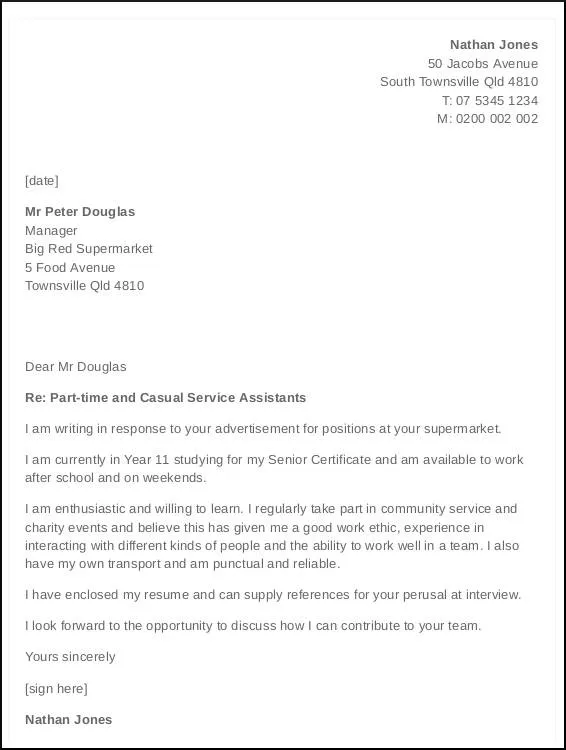
Understanding the Importance of a Cover Letter
In the competitive world of airline job applications, a well-crafted cover letter is not just a formality; it is your first opportunity to make a strong impression. It serves as a personalized introduction, allowing you to showcase your personality, passion, and unique qualifications beyond what’s listed on your resume. For individuals with no prior experience in the aviation industry, a cover letter becomes even more crucial. It provides the space to articulate how your existing skills and experiences, even if seemingly unrelated, can translate into success in an airline role. It allows you to explain why you are drawn to the airline and how your values align with their company culture.
Why a Cover Letter Matters in the Airline Industry
The airline industry thrives on excellent customer service, teamwork, and a commitment to safety. A cover letter allows you to demonstrate these qualities. It provides a platform to express your enthusiasm for the airline, your understanding of their values, and your genuine interest in contributing to their team. Airlines often receive a high volume of applications, and a compelling cover letter helps your application stand out from the crowd. It gives you the opportunity to highlight aspects of your personality and skills that might not be immediately apparent from your resume, such as your communication skills, problem-solving abilities, and ability to work under pressure. Therefore, a well-structured cover letter is your ticket to getting noticed and potentially securing an interview.
Highlighting Transferable Skills

Even without direct airline experience, you likely possess transferable skills that are highly valued in the industry. These are skills acquired in previous roles, volunteer work, or even academic pursuits that can be applied to an airline job. Identifying and highlighting these skills in your cover letter is key to demonstrating your potential and suitability for the role. Skills like customer service, communication, problem-solving, teamwork, and time management are universally applicable and essential in an airline environment. Think about your past experiences and how you’ve utilized these skills, even in seemingly unrelated contexts, to achieve positive outcomes.
Identifying Your Transferable Skills for Airline Roles
Consider roles you’ve held where you interacted with customers. Did you resolve complaints, provide assistance, or go above and beyond to meet customer needs? If so, highlight these experiences and how they relate to customer service roles in an airline. Similarly, if you’ve participated in team projects or group activities, showcase your ability to collaborate, communicate effectively, and contribute to a shared goal. If you have experience in managing your time, organizing tasks, or meeting deadlines, these skills are invaluable in the fast-paced airline environment. By clearly identifying and demonstrating your transferable skills, you can convince the hiring manager that you have the potential to succeed in the role, despite your lack of direct airline experience.
Showcasing Soft Skills
Soft skills, also known as interpersonal or people skills, are highly sought after in the airline industry. These include communication, teamwork, problem-solving, adaptability, and empathy. Airlines depend on employees who can interact effectively with colleagues and passengers, resolve issues calmly and efficiently, and adapt to changing situations. Highlight these soft skills in your cover letter by providing specific examples. For instance, instead of simply stating that you have excellent communication skills, describe a situation where you effectively communicated with a difficult customer to resolve a conflict. Demonstrate how you worked collaboratively with a team to achieve a specific goal or how you adapted to a sudden change in plans to ensure a positive outcome. Showing, rather than telling, is key to effectively showcasing your soft skills.
Creating a Strong Opening Paragraph

The opening paragraph is your chance to grab the reader’s attention and make a positive first impression. It should be concise, compelling, and immediately convey your interest in the position and the airline. Avoid generic opening lines like “I am writing to express my interest…” Instead, aim for an opening that reflects your personality, demonstrates your understanding of the company, and clearly states the position you are applying for. The goal is to pique the hiring manager’s interest and encourage them to read the rest of your cover letter.
Grabbing Attention in the First Sentence
Your first sentence is critical in capturing the reader’s attention. Consider starting with a brief anecdote that highlights your passion for aviation or a specific experience that aligns with the airline’s values. You could also mention a specific accomplishment that demonstrates your relevant skills or express your admiration for the airline’s reputation. The key is to be authentic, enthusiastic, and relevant. Avoid clichés and aim for a statement that sets the tone for the rest of your cover letter. The goal is to make the hiring manager want to know more about you.
Mentioning Your Passion for Aviation
If you have a genuine passion for aviation, make sure to convey it in your opening paragraph. This could include a personal interest in flying, a love for travel, or a fascination with the airline industry. Sharing your enthusiasm can help you connect with the hiring manager on a personal level and demonstrate your genuine interest in the role. Briefly explain why you are drawn to the airline and what aspects of the industry you find most appealing. This will not only make you appear more personable but it will also demonstrate that you are not just applying for a job; you are pursuing a career you care about.
Demonstrating Your Knowledge of the Airline

Show that you’ve done your research by demonstrating your knowledge of the airline. This includes understanding their mission, values, and unique selling points. Mentioning something specific about the airline that resonates with you shows that you are not just sending out a generic cover letter. Tailor your cover letter to each airline by highlighting what you admire about their brand, what attracts you to the role, and how your skills and experiences align with their specific needs. Highlighting the airline’s recent achievements or initiatives can also show your genuine interest and attention to detail.
Highlighting Relevant Coursework or Training
If you have completed any relevant coursework, training programs, or certifications, be sure to mention them in your opening or subsequent paragraphs. This is particularly important if you lack direct airline experience. This shows that you are actively working towards building the foundation knowledge to build a career within the airline industry. Even if the coursework is not directly related to aviation, it could still be relevant. For instance, a course in customer service, communication, or business administration can demonstrate your understanding of essential skills. Mention any training or certifications you have completed, and briefly explain how they have prepared you for the role you are applying for.
Structuring the Body Paragraphs
The body paragraphs are the heart of your cover letter, where you provide specific examples to support your claims and demonstrate your suitability for the role. Keep your paragraphs concise and focused, and avoid rambling or repeating information from your resume. Each paragraph should address a specific point, providing evidence to back up your claims. Use clear and concise language, and ensure that your writing flows logically. The goal is to present a compelling case for why you are the right candidate for the job, highlighting your skills, experiences, and achievements.
Focusing on Achievements (Even Without Experience)

Even if you lack direct experience in the airline industry, you can still showcase your achievements. Think about your past roles, volunteer work, or academic pursuits and identify situations where you demonstrated your skills and achieved positive results. Instead of simply listing your responsibilities, focus on the outcomes you achieved. Quantify your accomplishments whenever possible, such as by stating the number of customers you served, the percentage of sales you increased, or the amount of money you saved. This provides concrete evidence of your capabilities and helps the hiring manager understand your potential contribution to the airline. This shows that even without experience in this specific sector, you are able to produce tangible results.
Using the STAR Method to Describe Situations
The STAR method is an effective way to structure your responses when describing situations and experiences. STAR stands for Situation, Task, Action, and Result. Start by briefly describing the Situation or context. Then, explain the Task or challenge you faced. Next, detail the Action you took to address the situation. Finally, describe the Result or outcome of your actions. This method helps you present your experience in a clear, concise, and compelling manner. It provides a framework for showcasing your skills and demonstrating how you have applied them in real-world situations. This also gives the hiring manager a framework for how you would approach a job in the airline industry.
Quantifying Your Accomplishments
Wherever possible, quantify your accomplishments to make your achievements more impactful. Use numbers, percentages, and specific data to demonstrate the value you brought to previous roles. Instead of saying that you “improved customer satisfaction,” state that you “increased customer satisfaction scores by 15%.” If you managed to help with sales, explain how much you managed to sell for. By using quantifiable data, you provide concrete evidence of your capabilities and make your accomplishments more memorable. This makes your cover letter more persuasive and increases your chances of securing an interview.
Writing a Compelling Closing Paragraph

Your closing paragraph is your final opportunity to leave a lasting impression. It should be concise, enthusiastic, and include a call to action. Reiterate your interest in the position and express your confidence in your ability to contribute to the airline’s success. The goal is to leave the hiring manager with a positive impression and to encourage them to contact you for an interview.
Reiterating Your Enthusiasm and Suitability
In your closing paragraph, reiterate your enthusiasm for the position and the airline. Briefly summarize why you believe you are a good fit for the role and how your skills and experiences align with their needs. Reaffirm your interest in contributing to the airline’s success and express your eagerness to learn more about the opportunity. This will leave the hiring manager with a positive and memorable impression.
Including a Call to Action
End your cover letter with a clear call to action. This could include expressing your availability for an interview, stating your willingness to provide additional information, or thanking the hiring manager for their time and consideration. Make it clear that you are eager to move forward in the hiring process. The call to action should be polite and professional, and it should reinforce your enthusiasm for the opportunity.
Formatting and Proofreading Your Cover Letter

The presentation of your cover letter is just as important as its content. Formatting and proofreading your cover letter carefully will demonstrate your attention to detail and professionalism. Use a clean and easy-to-read font, ensure proper spacing, and proofread your cover letter for any errors in grammar or spelling. A well-formatted and error-free cover letter will make a positive impression and show that you care about the details.
Choosing the Right Font and Layout
Select a font that is professional, easy to read, and consistent with your resume. Fonts such as Times New Roman, Arial, or Calibri are safe and widely accepted choices. Ensure that your layout is clean and well-organized, with clear headings and sufficient spacing. Use a standard business letter format, and make sure that your contact information is clearly displayed at the top. The goal is to make your cover letter visually appealing and easy for the hiring manager to read. It makes the hiring manager’s life easier and shows that you are professional.
Proofreading for Errors
Proofreading is an essential step in the cover letter writing process. Errors in grammar, spelling, or punctuation can undermine your credibility and leave a negative impression. Carefully review your cover letter multiple times, and consider asking a friend, family member, or career counselor to proofread it for you as well. It’s easy to overlook errors in your own writing, so having a second pair of eyes can be incredibly helpful. Make sure to double-check all the details, including the hiring manager’s name, the company name, and the job title, so you don’t make any potentially embarrassing mistakes.