Cover Letter Email: Key Steps
Sending a cover letter via email is a crucial step in the modern job application process. Unlike traditional mail, an email allows for instant delivery and allows you to attach your resume and cover letter directly. This guide provides an easy-to-follow approach to crafting and sending effective cover letters that get noticed by recruiters. This is your chance to make a strong first impression and increase your chances of landing an interview. It’s not just about attaching a document, it’s about creating a cohesive message that showcases your personality and qualifications. By following these key steps, you can significantly increase your chances of standing out from the competition.
Subject Line Secrets
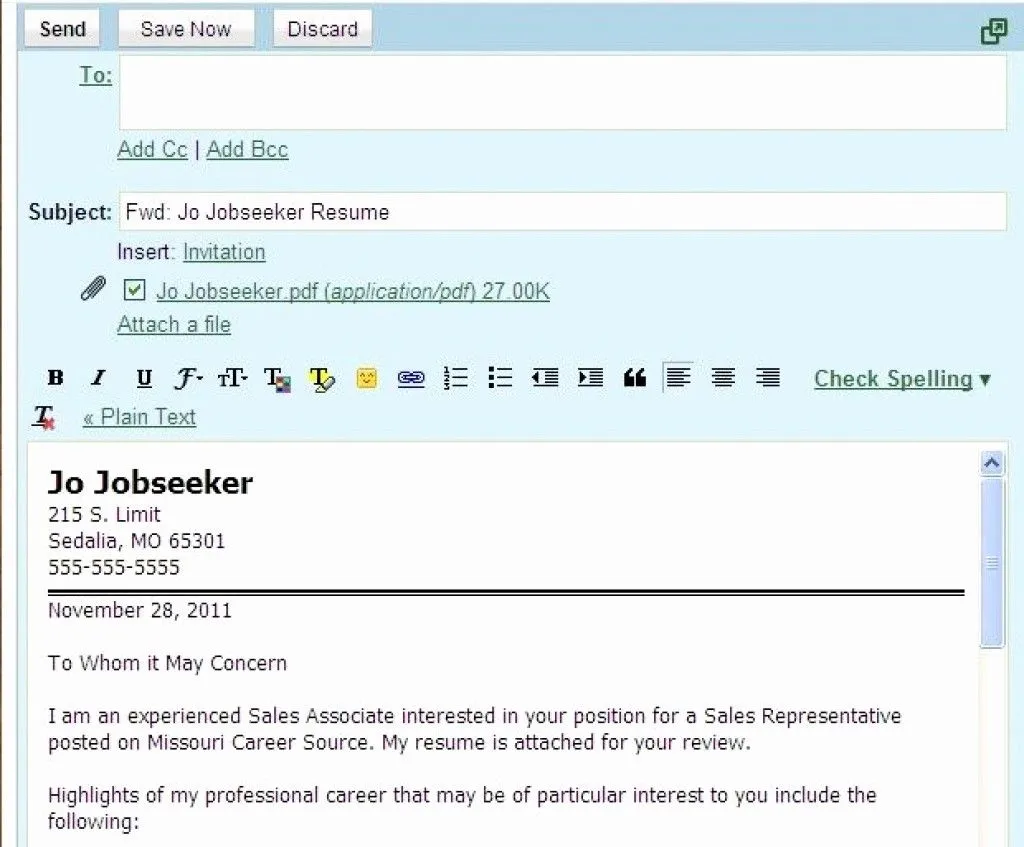
The subject line is the first thing a recruiter sees, making it a critical element of your email. A well-crafted subject line ensures your email is opened and read. Keep it brief, professional, and directly related to the job you are applying for. Using the job title and your name is an excellent strategy. For example, use the job title as it is. Avoid vague subject lines like “Job Application”. Consider adding a reference number if the job posting includes one. Double-check your subject line to ensure it’s free of errors and accurately reflects the email’s content.
Crafting a Compelling Email Body

The email body is your opportunity to provide a brief overview of why you are a good fit for the role and briefly highlight your skills and experience. Think of it as an elevator pitch. Keep it concise and engaging, focusing on what makes you unique. The email body should complement, not duplicate, your attached cover letter. You want to entice the reader to open the attached document. Include key accomplishments and quantify your achievements whenever possible. Always proofread your email body for grammatical errors and typos. Use clear and professional language throughout.
Greeting and Introduction
Start with a professional greeting. ‘Dear Mr./Ms./Mx. [Last Name]’ is the standard if you know the hiring manager’s name. If you don’t know the name, use a generic greeting like ‘Dear Hiring Manager’ or ‘Dear [Company Name] Hiring Team’. Immediately state the position you’re applying for and where you found the job posting. This helps the recruiter quickly understand the purpose of your email and efficiently directs the reader to relevant content in an easy manner.
Highlighting Your Value
Briefly explain why you are a great candidate for the job. Select a few of your most relevant skills and experiences that align with the job requirements. Provide a short example of how you used those skills to achieve a positive outcome in a previous role or project. Quantify your results to showcase the impact you made. Tailor your email to the specific job description to show the employer that you understand their needs and can deliver results.
Keeping it Concise

Recruiters are busy, so keep your email body short and to the point. Aim for three to five paragraphs. Each paragraph should focus on a specific aspect of your qualifications or the job. Avoid jargon and complex sentences. Using bullet points can help break up the text and make it easier to read. The goal is to make it easy for the recruiter to quickly understand why you are the best candidate. Remember that the cover letter attached will give a more thorough account.
Closing and Call to Action
End your email with a professional closing such as ‘Sincerely’, ‘Best regards’, or ‘Thank you for your consideration’. Reiterate your interest in the position and include a clear call to action. Encourage the reader to review your attached cover letter and resume, and express your availability for an interview. Include your phone number and email address in your signature. This makes it easy for the recruiter to contact you. Thank the reader for their time and consideration. A well-written closing leaves a positive and professional impression.
Attachment Best Practices
Your cover letter and resume are the primary documents that highlight your qualifications. Ensure your attachments are professional and easy to access. Always attach your cover letter and resume as separate documents. This allows the recruiter to view each document separately. Use a clear and professional file format. Prioritize PDF format to preserve formatting and prevent compatibility issues across different devices. The file name should include your name and the document type. For example, use ‘FirstName_LastName_CoverLetter.pdf’ and ‘FirstName_LastName_Resume.pdf’.
File Format and Naming

PDF (Portable Document Format) is the best choice for your cover letter and resume. PDFs preserve the formatting of your documents, ensuring that the layout remains consistent, regardless of the recipient’s operating system or software. Word documents, while common, can have formatting issues when opened on different devices. Use a clear and consistent naming convention for your files, such as ‘FirstName_LastName_CoverLetter.pdf’ and ‘FirstName_LastName_Resume.pdf’. This helps the recruiter easily identify and organize your documents. Make sure your filename is professional and easy to read.
Proofreading and Editing
Before sending, carefully proofread your email, cover letter, and resume. Check for any grammatical errors, spelling mistakes, and typos. Ensure your formatting is consistent and professional throughout all documents. Ask a friend or family member to review your documents to catch any errors you may have missed. A fresh pair of eyes can be invaluable. Double-check all your contact information to ensure it is accurate and up to date. A polished and error-free application demonstrates attention to detail and professionalism. Take the time to make sure your materials are perfect before sending them.
Conclusion
Sending a cover letter by email is a critical skill in today’s job market. By following the steps outlined in this guide, you can create a compelling email that grabs the recruiter’s attention and highlights your qualifications. Remember to focus on a clear subject line, concise and engaging body, and professional attachments. Proofread everything carefully before sending. By mastering these techniques, you’ll significantly increase your chances of securing an interview and landing your dream job. Good luck in your job search!