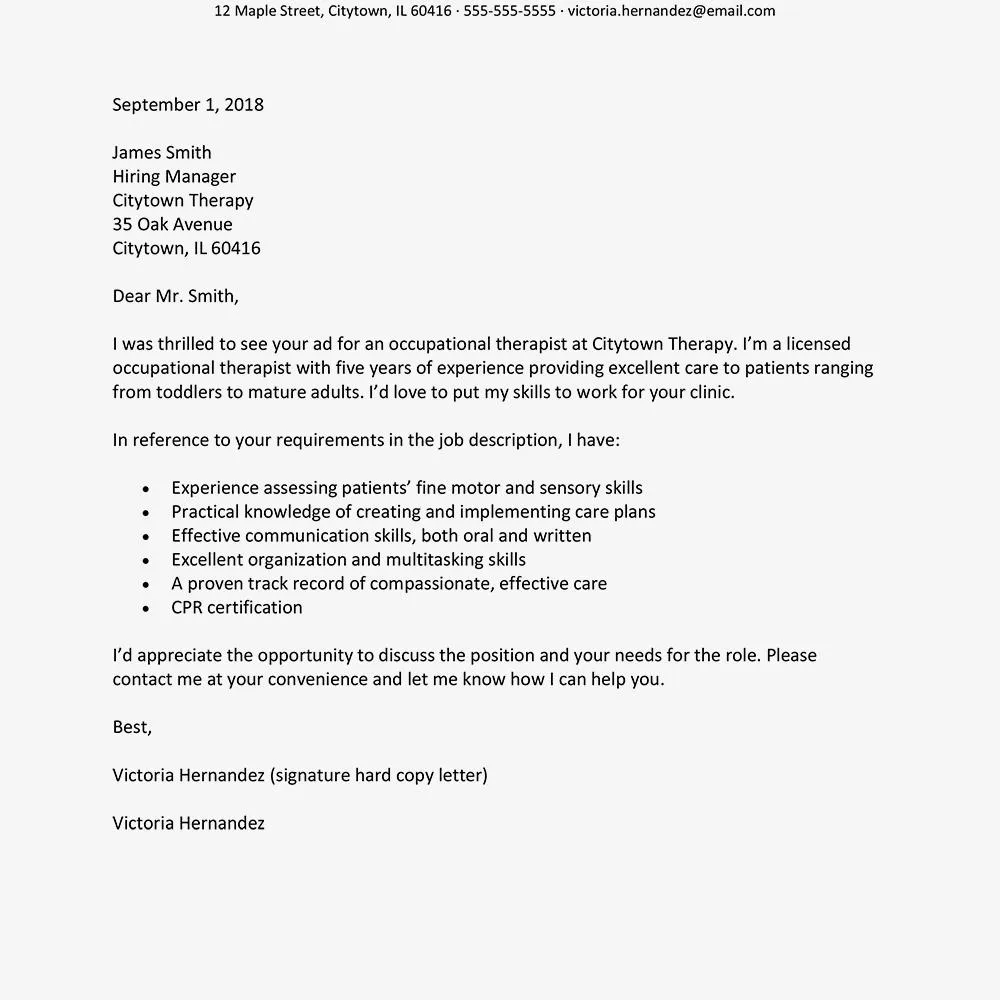
What Is a Cover Letter
A cover letter is a crucial document that accompanies your resume when you apply for a job. It serves as a personalized introduction, allowing you to showcase your qualifications, skills, and enthusiasm for the position. Unlike a resume, which provides a factual overview of your experience, a cover letter gives you the opportunity to explain why you’re the perfect fit for the role and the company. It’s your chance to make a strong first impression and persuade the hiring manager to read your resume more closely. Think of it as your personal sales pitch, highlighting your key strengths and expressing your genuine interest in the opportunity.
Why Is a Cover Letter Important
In today’s competitive job market, a cover letter can significantly increase your chances of landing an interview. It provides context to your resume, helping the hiring manager understand your career goals and how your skills align with the job requirements. Many employers consider a cover letter essential, as it demonstrates your communication skills, attention to detail, and genuine interest in the position. A well-written cover letter can set you apart from other applicants, especially if you’re targeting a specific company or role. It shows that you’ve taken the time to research the company and understand the specific needs of the position, signaling your proactive approach to your job search.
Key Elements of a Winning Cover Letter

A compelling cover letter comprises several key elements that work together to capture the reader’s attention and highlight your suitability for the role. Start with a professional header that includes your contact information and the date. Address the letter to the hiring manager by name, if possible, to personalize the communication. The opening paragraph should immediately grab the reader’s interest by stating the position you’re applying for and expressing your enthusiasm. The body of the letter should showcase your relevant skills and experience, providing specific examples of your accomplishments and how they align with the job requirements. Finally, end with a strong closing paragraph that reiterates your interest, thanks the reader for their time, and includes a call to action such as inviting them to contact you for an interview.
Formatting Your Cover Letter
The format of your cover letter is just as important as its content. Use a clear and concise font, such as Times New Roman, Arial, or Calibri, in a readable size (11 or 12 points). Maintain consistent formatting throughout the document, including margins, spacing, and alignment. Keep the letter concise, ideally no more than one page in length. Use bullet points and short paragraphs to break up the text and make it easier to read. Ensure your letter is well-organized, with clear headings and subheadings to guide the reader through the different sections. Save your cover letter as a PDF file to preserve the formatting and ensure it is accessible to the recipient regardless of their software.
Writing a Strong Opening
Your opening paragraph is your chance to make a strong first impression. Start by clearly stating the position you are applying for and where you found the job posting. Then, immediately capture the reader’s attention by expressing your enthusiasm and highlighting a key skill or accomplishment that makes you a strong candidate. You can also mention something that particularly attracted you to the company or the role. Avoid generic openings like “I am writing to apply for the position of…” Instead, aim for a more engaging and personalized approach, such as “I was thrilled to see the opening for [Job Title] at [Company Name], as my experience in [relevant skill] aligns perfectly with the requirements.” This approach will immediately grab the reader’s attention and encourage them to continue reading.
Highlighting Your Skills and Experience

The body of your cover letter is where you showcase your qualifications and demonstrate how your skills and experience align with the job requirements. Focus on the key skills and experiences mentioned in the job description and provide specific examples of how you have utilized them in the past. Use the STAR method (Situation, Task, Action, Result) to structure your examples. First, describe the situation, then outline the task you were assigned. Next, explain the specific actions you took to complete the task. Finally, highlight the positive results you achieved. Quantify your achievements whenever possible to demonstrate your impact, such as increasing sales by a certain percentage or improving efficiency by a specific amount. Tailor your examples to match the specific requirements of the job, showing the hiring manager that you understand what the role entails and can deliver results.
Tailoring Your Cover Letter to the Job
One of the most important aspects of a winning cover letter is tailoring it to each specific job application. This means carefully reviewing the job description and identifying the key skills, qualifications, and requirements the employer is looking for. Then, customize your cover letter to highlight the experiences and skills that directly match those requirements. Show the hiring manager that you understand the company’s values, mission, and the specific needs of the role. Conduct research on the company and incorporate relevant information into your letter to demonstrate your genuine interest. Avoid using a generic, one-size-fits-all cover letter; instead, treat each application as a unique opportunity to showcase why you are the ideal candidate for the job. This effort demonstrates your professionalism and increases your chances of being noticed.
Proofreading and Editing
Proofreading and editing your cover letter is essential to ensure it is free of errors and presents you in the best possible light. Typos, grammatical errors, and inconsistencies can reflect poorly on your attention to detail and professionalism. Take the time to carefully review your cover letter multiple times, checking for any mistakes in spelling, grammar, punctuation, and formatting. It can be helpful to read the letter aloud to catch any awkward phrasing or unclear sentences. Ask a friend, family member, or career counselor to proofread your cover letter as a fresh pair of eyes can often spot errors that you may have missed. Remember, a polished and error-free cover letter demonstrates your professionalism and increases your chances of making a positive impression on the hiring manager.
Common Mistakes to Avoid

While crafting a cover letter, it’s important to be aware of common mistakes that can undermine your application. Avoid using generic language that could apply to any job or company. Don’t simply restate your resume; instead, provide additional context and insights into your qualifications. Avoid being overly formal or using outdated language. Do not make any spelling or grammar errors. Avoid writing a cover letter that is too long, as it may deter the reader. Steer clear of negative statements or criticisms of previous employers. Always avoid lying or exaggerating your accomplishments. By avoiding these common pitfalls, you can ensure that your cover letter effectively highlights your strengths and increases your chances of getting an interview.