Cover Letter Basics
A cover letter is a crucial document that accompanies your resume when applying for a job. It serves as an introduction, allowing you to highlight your skills, experiences, and enthusiasm for the position. Crafting a perfect cover letter is essential to make a strong first impression and increase your chances of getting an interview. In this guide, we’ll explore the key elements of an effective cover letter and provide tips to help you create a compelling document that stands out from the competition. Mastering the art of cover letter writing can significantly boost your job search success, transforming your application into a powerful tool that opens doors to exciting career opportunities.
What is a Cover Letter?
A cover letter is a one-page document that you submit with your resume when applying for a job. It provides an opportunity to introduce yourself to the hiring manager, express your interest in the position, and highlight the skills and experiences that make you a suitable candidate. Unlike a resume, which provides a factual summary of your qualifications, a cover letter allows you to showcase your personality, writing skills, and genuine interest in the company and the role. The best cover letters are tailored to each specific job application, demonstrating a clear understanding of the company’s needs and how you can contribute to their success.
Why is a Cover Letter Important?

A cover letter is important because it provides context to your resume, helping hiring managers understand why you are a good fit for the role. It allows you to elaborate on your skills and experiences, demonstrating how they align with the job requirements. A well-written cover letter can capture the hiring manager’s attention, showcasing your writing abilities, personality, and genuine enthusiasm for the position. It also provides an opportunity to address any gaps in your resume, such as career changes or periods of unemployment. In today’s competitive job market, a cover letter is a vital tool in setting you apart from other candidates and increasing your chances of securing an interview, offering a personalized touch that a resume alone cannot achieve.
Cover Letter Formatting Guide
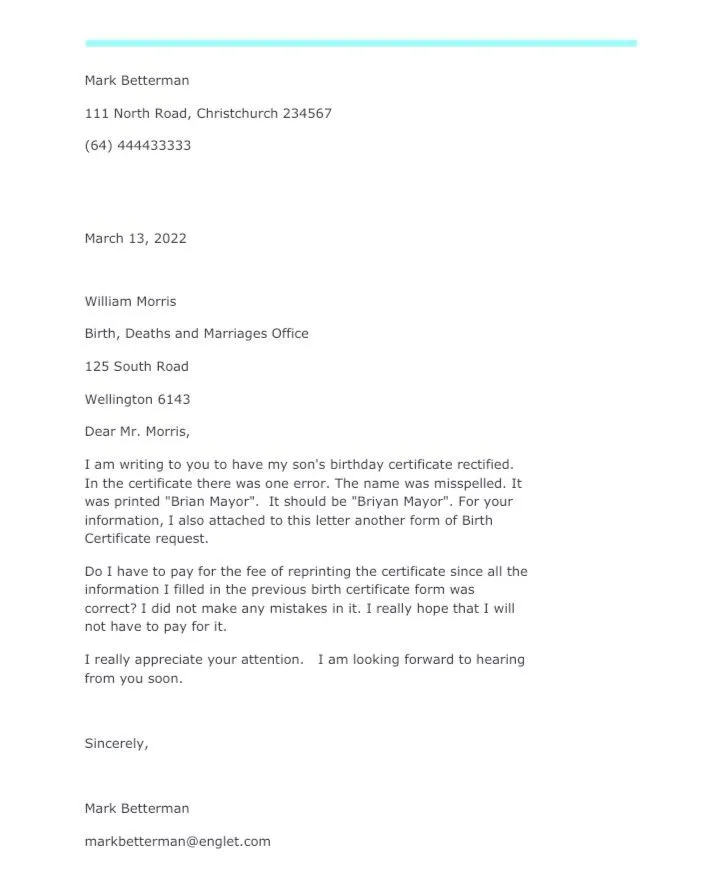
Formatting your cover letter correctly is crucial for readability and professionalism. A well-formatted letter demonstrates attention to detail and respect for the hiring manager’s time. Choose a clear, easy-to-read font such as Arial or Times New Roman, with a font size between 10 and 12 points. Use single-spaced lines with a space between each paragraph, and maintain consistent margins (typically one inch on all sides). Ensure your letter is no longer than one page. Proper formatting makes your cover letter visually appealing and easier to navigate, increasing the likelihood that the reader will absorb your message effectively. Here’s a breakdown of essential formatting elements.
Contact Information
Begin your cover letter with your contact information in the top left or right corner. Include your full name, phone number, email address, and optionally, your LinkedIn profile URL. Make sure your contact information is up-to-date and professional. This section ensures the hiring manager can easily reach you. Formatting your contact information clearly at the start sets a professional tone, making it simple for recruiters to follow up.
Date and Salutation

Below your contact information, add the date. Then, address the hiring manager with a professional salutation. If possible, find out the name of the hiring manager and address the letter to them directly, using “Dear Mr./Ms. [Last Name].” If you can’t find a specific name, use a general salutation like “Dear Hiring Manager” or “Dear [Company Name] Team.” Addressing the letter to a specific person shows that you’ve taken the time to research the company, making a positive first impression. A tailored salutation demonstrates you’ve put extra effort into your application.
Body Paragraphs
The body of your cover letter is where you make your case for why you’re the perfect candidate. It should consist of three or four paragraphs, each serving a specific purpose. The first paragraph should grab the reader’s attention, the subsequent paragraphs should demonstrate how your skills and experience align with the job requirements, and the final paragraph should express your enthusiasm and call to action. Organizing your thoughts into well-structured paragraphs enables you to convey your message effectively and keep the reader engaged throughout the letter. A clear body will help you stand out and communicate your qualifications succinctly.
First Paragraph The Hook
Your first paragraph should immediately grab the reader’s attention. State the position you are applying for and where you found the job posting. Briefly mention why you are interested in the company and the role. This introductory paragraph sets the tone for the rest of your letter. It should create a sense of curiosity and intrigue, encouraging the reader to continue reading. Make a strong opening statement highlighting what excites you about the opportunity, showcasing your initial enthusiasm to leave a positive first impression.
Second Paragraph Highlight Skills

The second paragraph should highlight your relevant skills and experiences. Review the job description and identify the key requirements. Provide specific examples of how you have demonstrated those skills in previous roles. Quantify your achievements whenever possible, using numbers to illustrate your impact. This section demonstrates your capabilities and how your background matches the job’s needs. Make it clear that you meet the requirements, providing solid evidence that you can perform the job effectively. Ensure that each skill is linked to your past achievements.
Third Paragraph Show Enthusiasm
In the third paragraph, express your enthusiasm for the company and the position. Explain why you are interested in the company’s mission, values, or products. Show that you have researched the company and understand its goals. This paragraph shows you’re genuinely interested in the role. It allows you to show how your personal values align with those of the organization. Indicate why you’re excited about the opportunity to contribute to the company’s success. Demonstrating genuine excitement can make you stand out from other candidates.
Concluding Paragraph
Conclude your cover letter by reiterating your interest in the position and thanking the hiring manager for their time and consideration. Include a call to action, such as inviting them to contact you for an interview. End with a professional closing, such as “Sincerely” or “Best regards,” followed by your full name. This final section reinforces your key message and provides a clear direction for the hiring manager. Make your conclusion concise, ensuring it restates your interest and thanks the hiring manager for their time. This closing step demonstrates respect and leaves a professional impression.
Cover Letter Content Essentials

The content of your cover letter is what will ultimately determine its effectiveness. You must ensure you include the right information, tailored to each job application. Start by thoroughly reviewing the job description, identifying the key skills, qualifications, and requirements. Use the job description as a guide to create a compelling narrative that demonstrates your value and how your skills align with the company’s needs. Highlighting the specific qualifications the employer seeks will show that you understand their requirements and know how to meet their expectations. This personalized approach demonstrates your value as a candidate and can greatly increase your chances of securing an interview. To ensure your letter is comprehensive, follow these essential content guidelines.
Tailoring Your Cover Letter
The most crucial element of a successful cover letter is tailoring it to each job application. Generic cover letters are easily identified and often discarded. Instead, customize your letter to match the specific requirements and keywords of the job description. Research the company to understand its values, mission, and recent projects. Explain why you are interested in the company and what you can contribute to their success. Personalization demonstrates your genuine interest and shows you’ve taken the time to understand their needs. Customization ensures that your letter directly addresses the requirements of the position, making your application more compelling.
Researching the Company
Before writing your cover letter, conduct thorough research on the company. Visit their website, read their “About Us” section, and review their social media profiles. Understand their products or services, their target audience, and their company culture. Researching the company will enable you to tailor your letter to their specific needs and values. Mentioning specific company projects, initiatives, or values demonstrates your interest and can help you make a stronger connection with the hiring manager. This effort showcases that you are genuinely interested in the role and the company as a whole, increasing your chances of standing out.
Matching Skills to Requirements

Carefully analyze the job description and identify the key skills and qualifications required. Match your skills and experiences to the job requirements, providing specific examples of how you have demonstrated those skills in previous roles. Use keywords from the job description in your cover letter to show that you meet the requirements. This approach ensures that your letter is relevant and resonates with the hiring manager. Highlighting the qualifications that are most important to the employer shows that you are a good fit and understand their needs. Using matching keywords makes it easy for the hiring manager to see that you possess the needed qualities.
Highlighting Achievements
Instead of simply listing your responsibilities, focus on your achievements. Use the STAR method (Situation, Task, Action, Result) to describe your accomplishments in detail. Quantify your achievements whenever possible, using numbers to illustrate your impact (e.g., “Increased sales by 15% in Q3”). Highlighting achievements demonstrates your ability to deliver results and adds credibility to your claims. Showcasing your accomplishments makes your cover letter more compelling and highlights your value as a candidate, adding weight to your claims and helping the reader see your value.
Cover Letter Examples and Templates
Utilizing cover letter examples and templates can be an excellent starting point for creating your own. However, remember to customize the examples and templates to fit your specific situation and the job you are applying for. Generic templates can provide a basic structure, but they should be adapted to reflect your skills, experiences, and the company’s requirements. Adapt the example to make it unique and relevant to you. There are countless resources available online that offer cover letter templates, and examples to guide you. It’s crucial to tailor any template to reflect your individuality and the specifics of the role.
Cover Letter Examples

Reviewing cover letter examples can provide valuable insights into different writing styles and formats. Look for examples that are relevant to your industry and the type of job you are seeking. Analyze how the examples are structured, what language they use, and how they highlight the candidate’s skills and experiences. Pay attention to the tone, the length, and the overall presentation. Use examples to inspire your own writing, but avoid simply copying them. The goal is to learn from successful examples while maintaining your unique voice. Tailor the examples to match your specific circumstances. Observe what the example candidates are saying.
Cover Letter Templates
Cover letter templates can save you time and provide a basic structure for your letter. Various templates are available online, offering different formats and styles. Choose a template that aligns with your industry and personal preferences. Templates can provide a starting point, but don’t treat them as a one-size-fits-all solution. Always customize the template to reflect your skills, experiences, and the specific requirements of the job. Modifying the template is essential to ensure that your cover letter stands out. Adapting the template allows you to highlight your unique qualifications. The template offers you the structure that you can then personalize with your skills.
Cover Letter Do’s and Don’ts
Understanding the do’s and don’ts of cover letter writing can significantly improve your chances of making a positive impression. By adhering to these guidelines, you can avoid common mistakes and ensure your cover letter is professional, compelling, and tailored to the specific job. Focus on what to include and what to avoid for a more impactful and effective job application. This focused approach guarantees that your cover letter is well-received and leaves a positive mark on the recruiter.
Cover Letter Do’s

Do tailor your cover letter to each job, highlighting relevant skills and experiences. Do research the company and address the hiring manager by name when possible. Do use a professional tone and clear, concise language. Do proofread your cover letter carefully for grammar and spelling errors. Do quantify your achievements whenever possible. Do showcase your enthusiasm for the position and the company. Do use keywords from the job description. Doing these things shows you are attentive to detail, professional, and interested in the specific role.
Cover Letter Don’ts
Don’t use a generic cover letter for multiple job applications. Don’t make your cover letter too long. Don’t use slang or informal language. Don’t include irrelevant information. Don’t focus solely on your needs rather than the company’s. Don’t make spelling and grammatical errors. Don’t submit a cover letter without proofreading. Avoiding these elements is essential to keep your writing professional, relevant, and focused.
Proofreading and Editing
Proofreading and editing your cover letter is a critical step in the writing process. Even the most skilled writers can make mistakes, and errors can undermine your credibility. Carefully review your cover letter for grammar, spelling, punctuation, and clarity. Read it aloud to catch any awkward phrasing or sentences that don’t flow well. It’s also a good idea to have someone else read your cover letter, as a fresh pair of eyes can often spot errors that you might have missed. Accurate writing and clear communication are vital for conveying your professionalism and attention to detail. A well-edited cover letter demonstrates your dedication to quality and increases your chances of making a positive impression.
Common Mistakes to Avoid
Avoid common cover letter mistakes, such as typos, grammatical errors, and generic language. Don’t simply repeat your resume; use the cover letter to expand on your qualifications and highlight your unique skills and experiences. Avoid using overly formal or casual language. Refrain from negative statements or criticisms of past employers. Don’t write a cover letter that is too long. These common pitfalls can easily be avoided with careful attention to detail and thoughtful writing. Making corrections will showcase your professionalism.
Seeking Feedback
Ask a trusted friend, mentor, or career counselor to review your cover letter. A second pair of eyes can often catch errors you might have missed and provide valuable feedback on your writing style and content. Request feedback on the clarity, conciseness, and overall effectiveness of your letter. Consider their suggestions and revise your cover letter accordingly. Seeking feedback is an important step in improving your writing. The feedback ensures that your letter is polished and professional, maximizing your chances of making a positive impression.
Cover Letter Submission
When submitting your cover letter, ensure you follow the instructions provided by the employer. Include your cover letter as a separate document or copy and paste it into the body of the email, depending on their preference. Make sure your contact information is up-to-date and professional. Review your application before submitting to make sure it’s complete and error-free. Confirm all attachments are included. Paying attention to the submission process helps the hiring manager quickly access your application, which can improve your chances of getting an interview. Following instructions ensures that your application is received and reviewed correctly.