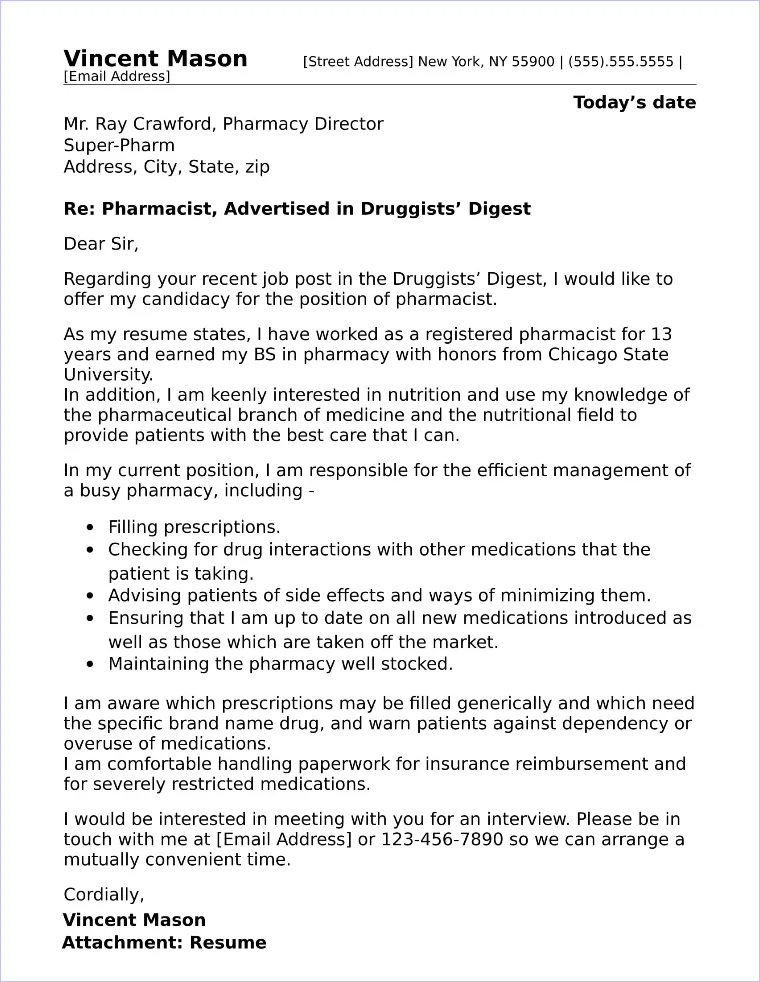
Understanding the Hospital Job Cover Letter
A cover letter is a crucial document that accompanies your resume when applying for a job in a hospital setting. It serves as your introduction, allowing you to highlight your qualifications, skills, and experiences in a way that a resume alone cannot. Think of it as your personal sales pitch, designed to persuade the hiring manager why you are the perfect fit for the role. A well-crafted cover letter can significantly increase your chances of getting noticed and securing an interview. It provides an opportunity to showcase your personality, express your genuine interest in the position, and demonstrate your understanding of the hospital’s mission and values. In the competitive healthcare industry, a strong cover letter can make all the difference.
What is a Cover Letter
A cover letter is a formal document you submit alongside your resume when applying for a job. Unlike a resume, which presents a factual summary of your skills and experiences, a cover letter allows you to provide context, elaborate on your qualifications, and express your enthusiasm for the specific opportunity. It’s your chance to tell a story about why you are the ideal candidate. The cover letter is a concise and professional document, typically one page in length, that introduces you to a potential employer and highlights your key qualifications and interest in the position. It should be tailored to the specific job and hospital, showcasing your understanding of the role and the organization.
Why is a Cover Letter Important for Hospital Jobs

In the healthcare field, a cover letter is especially important. Hospitals value individuals who demonstrate a genuine passion for patient care and a commitment to the organization’s mission. A cover letter allows you to communicate these qualities effectively. It provides a platform to demonstrate your understanding of the hospital’s values, your ability to collaborate with a team, and your commitment to providing high-quality patient care. It also allows you to address any potential gaps in your resume or explain your career goals. Furthermore, a well-written cover letter can set you apart from other applicants, especially in competitive job markets. By showcasing your unique qualifications and expressing your enthusiasm, you significantly increase your chances of being selected for an interview.
Key Components of a Hospital Cover Letter
A compelling cover letter for a hospital job is structured strategically to present a professional and persuasive case for your candidacy. It typically includes several key components. The structure starts with a clear header containing your contact information and the date, followed by the recipient’s details. The body of the letter then contains an engaging introduction, several paragraphs highlighting your relevant skills and experience, and a concise conclusion. Finally, a professional closing with your signature is essential. Adhering to this structure helps ensure clarity, professionalism, and readability, guiding the hiring manager seamlessly through your qualifications and enthusiasm for the role.
Header Section Information
The header of your cover letter is the first element the hiring manager sees, so it’s essential to make a positive first impression. Begin by including your full name, address, phone number, and email address. Make sure this information is accurate and professional. In the modern era, consider including a link to your professional online presence, such as a LinkedIn profile. Below your contact information, add the date. Then, include the recipient’s information, ideally the hiring manager’s name and title, the hospital’s name, and the hospital’s address. If you can’t find the hiring manager’s name, use a generic title like ‘Hiring Manager’ or ‘Human Resources Department’.
Applicant Contact Information

Your contact information should be easily accessible and professional. Use a clear and readable font for all information. Double-check that your email address is appropriate for professional communication; it should not be a personal or informal email. Ensure the phone number you provide is one where you can be easily reached and where you can answer professionally. Consider including a link to your professional online presence, such as a LinkedIn profile, to provide the hiring manager with additional context about your professional background and experience. Keep your contact information consistent with that on your resume, ensuring a streamlined application process.
Date and Recipient Details
Following your contact information, the date should be included to identify when the cover letter was written. Use the full date format (month, day, year). After the date, include the recipient’s details. If you know the hiring manager’s name and title, use it; otherwise, use a general title such as ‘Hiring Manager’ or ‘Human Resources Department.’ Always address the letter to a specific person if possible, as it shows you have taken the time to research the position and the hospital. Include the recipient’s title, the hospital’s name, and the full address. This level of detail demonstrates attention to detail and professionalism.
Salutation Strategies
The salutation sets the tone for your cover letter. If you know the hiring manager’s name, use a formal salutation like ‘Dear Mr./Ms./Dr. [Last Name].’ This personal touch demonstrates that you have researched the role and are genuinely interested. If the name is unknown, options include ‘Dear Hiring Manager’ or ‘Dear Human Resources Department.’ Avoid overly casual salutations like ‘Hello’ or ‘Hi.’ Ensure you use the appropriate title (Mr., Ms., Dr.) and double-check the spelling of the recipient’s name. Your opening should be professional and engaging, establishing a positive first impression.
Body Paragraphs The Core of Your Letter

The body paragraphs are the heart of your cover letter. They should tell a compelling story about your qualifications, highlighting your skills and experience and showing your passion for healthcare. Each paragraph should focus on a specific aspect of your candidacy, addressing how you meet the job’s requirements and why you are a good fit for the hospital. The structure should be clear, concise, and easy to follow, with strong topic sentences and transitions to guide the reader. Focus on creating a narrative that showcases your strengths, demonstrates your understanding of the hospital’s values, and persuades the hiring manager to consider you for an interview. Be concise, and make every word count. Aim for a persuasive, well-organized presentation of your capabilities and enthusiasm.
First Paragraph Hooking the Reader
The first paragraph should grab the reader’s attention immediately. Start by stating the position you are applying for and where you found the job posting. Briefly mention your key qualifications or a specific achievement that makes you stand out. Express your enthusiasm for the opportunity and the hospital. This introduction should set the tone for the rest of the letter, indicating your genuine interest and showcasing your understanding of the hospital’s mission. You can also briefly mention a mutual connection if you have one. Keep the first paragraph concise and engaging to pique the reader’s interest and encourage them to continue reading. The goal is to make a strong first impression and encourage the hiring manager to learn more about you.
Highlighting Relevant Skills and Experience
In the subsequent paragraphs, highlight your relevant skills and experience. Carefully review the job description and identify the key skills and requirements the hospital is seeking. Then, provide specific examples from your experience that demonstrate you possess those skills. Use the STAR method (Situation, Task, Action, Result) to structure your examples, providing context, explaining the task, describing your actions, and highlighting the positive results. Quantify your achievements whenever possible (e.g., ‘Improved patient satisfaction scores by 15%’). Tailor your examples to match the job requirements, emphasizing the skills and experiences most relevant to the position. This section is where you prove you can do the job.
Quantifying Achievements and Impact
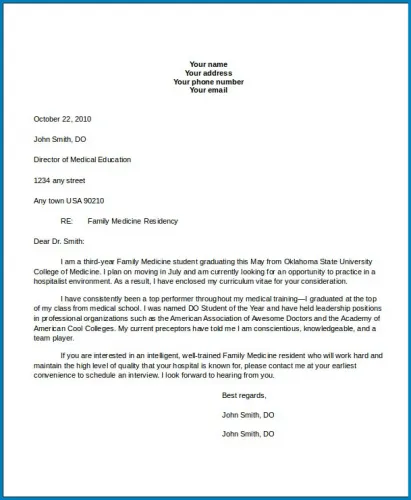
Quantifying your achievements is a powerful way to demonstrate your impact and effectiveness. Instead of simply stating your responsibilities, provide concrete examples of your accomplishments, using numbers and data to support your claims. For example, instead of saying, ‘Managed patient records,’ say, ‘Managed patient records for over 200 patients, ensuring 100% accuracy.’ Quantifiable achievements make your cover letter more persuasive and credible. Use metrics such as percentages, numbers, and specific outcomes to illustrate the positive results of your actions. This will give the hiring manager a clear understanding of your value and how you can contribute to the hospital’s success.
Addressing the Specific Job Requirements
Carefully address the specific requirements listed in the job description. Tailor your cover letter to match the skills, experience, and qualifications the hospital is seeking. Review the job description and identify the key requirements. Structure your paragraphs to demonstrate that you possess these qualifications. Provide specific examples from your experience that showcase your ability to meet those requirements. Make a direct connection between your skills and the needs of the hospital. Show how your background aligns with the specific demands of the role. By directly addressing these requirements, you show the hiring manager you have the necessary skills and understand the role.
Showcasing Passion for Healthcare
A cover letter is your opportunity to express your passion for healthcare. Show genuine enthusiasm for the field and the hospital’s mission and values. Share why you are drawn to the hospital and what resonates with you. Mention any relevant experiences or personal connections that have fueled your interest in healthcare. Talk about the kind of impact you hope to make in this role and your commitment to patient care. Explain why you’re excited about the opportunity to work for the hospital. By conveying your passion, you will demonstrate that you are not only qualified but also genuinely committed to the hospital’s mission and values, making a lasting impression on the hiring manager.
The Closing Paragraph and Call to Action

The closing paragraph is essential, as it provides a final opportunity to reiterate your interest and make a strong call to action. Express your gratitude for the hiring manager’s time and consideration. Reiterate your enthusiasm for the position and the hospital. Include a clear call to action, such as requesting an interview or mentioning your availability for a phone call. Make sure to provide contact information. Keep this section concise and professional. This shows the hiring manager you’re proactive and eager to move forward in the hiring process. A strong, well-crafted closing can significantly increase your chances of securing an interview and making a lasting impression.
Expressing Gratitude and Next Steps
Begin the closing paragraph by expressing your gratitude for the hiring manager’s time and consideration. Thank them for reviewing your application and acknowledging their effort. Reiterate your enthusiasm for the position. Clearly state that you are available for an interview or would welcome a phone call to discuss your qualifications further. Provide your contact information again and express your eagerness to hear back from them. Keep this section concise, polite, and professional. A strong closing demonstrates your professionalism and initiative and increases your chances of getting a positive response.
Formatting and Design Best Practices
The formatting and design of your cover letter are just as important as the content. A well-formatted cover letter is easy to read and makes a positive impression. Select a professional font, maintain consistent spacing, and use clear headings and bullet points to organize information effectively. Proper formatting enhances readability and showcases your attention to detail. Ensure your letter is visually appealing and easy to navigate. Prioritize clarity and organization for a professional look. Good formatting shows the hiring manager you can produce organized and well-structured documents.
Choosing the Right Font and Font Size

Select a professional and easy-to-read font for your cover letter. Common choices include Times New Roman, Arial, Calibri, or Helvetica. Use a font size between 10 and 12 points. Ensure the font is consistent throughout the document. Avoid using overly decorative or informal fonts, which can make your cover letter appear unprofessional. The correct font selection will improve readability and maintain a professional appearance. Ensure your cover letter is visually appealing and easy to read by selecting the right font and size. This attention to detail demonstrates your professionalism and respect for the hiring manager’s time.
Ensuring Proper Spacing and Structure
Proper spacing and structure are essential for a well-formatted cover letter. Use single-spaced lines within paragraphs and a double space between paragraphs. Use clear headings and bullet points to organize information and improve readability. Maintain consistent margins on all sides. Ensure your text is left-aligned, as this is standard practice for professional documents. A well-structured cover letter is easier to read and demonstrates your attention to detail. Using appropriate spacing and structure helps ensure that the content is presented in a clear and organized manner, making it easier for the hiring manager to review your qualifications.
Proofreading and Editing Checklist
Proofreading and editing are critical to ensure your cover letter is polished and free of errors. Check for grammar, spelling, and punctuation errors. Review your document for clarity and coherence. Ensure the language is professional and appropriate. Have a friend or colleague review your cover letter for a fresh perspective. Proofread your cover letter multiple times. Pay close attention to detail and ensure your letter is error-free before submitting it. Proofreading minimizes errors and demonstrates your professionalism. A well-proofread letter shows you’re careful and attentive to detail. Proofreading helps you make a positive impression.
Common Mistakes to Avoid
Avoiding common mistakes can significantly increase the effectiveness of your cover letter. These errors can diminish your chances of getting an interview. Be mindful of generic phrases, a focus on what you want instead of what you offer, and failing to proofread. Avoiding these common errors will increase the impact of your cover letter. Proofreading is essential, so do not send your cover letter without a thorough review. These mistakes can create a negative impression, so it’s crucial to be careful.
Using Generic Phrases
Avoid using generic phrases and clichés that don’t add value to your cover letter. These phrases are overused and make your letter sound impersonal. Examples include ‘I am writing to express my interest,’ ‘I am a team player,’ and ‘I am a hard worker.’ Instead, provide specific examples that showcase your skills and accomplishments. Avoid phrases like ‘I am eager to learn’ or ‘I believe I am a good fit.’ Generic phrases create a poor impression. Tailor your cover letter to the specific job and hospital, and provide concrete evidence of your qualifications, showing you’re an ideal candidate. Focus on demonstrating your unique skills and experiences.
Focusing on What You Want
A common mistake is focusing on what you want from the job instead of what you can offer the hospital. While it’s important to express your career goals, prioritize highlighting how your skills and experience align with the job requirements and benefit the hospital. Instead of focusing on your needs, emphasize how you can contribute to the hospital’s success and patient care. Frame your letter in terms of what you can bring to the role, rather than what you are looking for. This approach demonstrates your value and makes you a more appealing candidate. Show your commitment and highlight your value to the hospital.
Sending the Cover Letter Without Proofreading
One of the most critical mistakes is sending a cover letter without thorough proofreading. Errors in grammar, spelling, and punctuation can create a negative impression, suggesting a lack of attention to detail and professionalism. Carefully proofread your cover letter multiple times. Have a friend or colleague review it. Look for any errors, and make sure your language is clear and concise. Always proofread before submitting your application. Proofreading shows you are committed to excellence. Eliminating mistakes assures the hiring manager of your attention to detail. This is essential for your success in the application process.
Examples of Hospital Cover Letters
Reviewing examples of hospital cover letters can provide valuable insight. These examples can guide you in understanding the structure, format, and content. Use these as a reference to ensure your cover letter reflects the best practices. Tailor the examples to your specific situation, experience, and the job you’re applying for. Use these models to create a compelling cover letter. These provide insight and inspiration for writing your own. Make sure you adapt the content.
Example Registered Nurse Cover Letter
A registered nurse cover letter should emphasize clinical skills, experience, and passion for patient care. In your cover letter, highlight your experience with specific patient populations or medical procedures. Mention any special certifications or training. Express your commitment to providing compassionate and high-quality care. Highlight your ability to work effectively within a team. Showcase your understanding of the role and your dedication to the hospital’s mission. Tailor your content to align with the requirements. A great cover letter shows your compassion and clinical skills. Highlight your experience and demonstrate your understanding.
Example Medical Assistant Cover Letter
A medical assistant cover letter should focus on clinical and administrative skills and patient interaction. Highlight your experience with patient intake, vital signs, and medical procedures. Emphasize your experience with electronic health records. Express your ability to work efficiently and accurately. Showcase your communication and interpersonal skills. Tailor your content to match the job description. Your cover letter must highlight your skills. Include administrative experience. Show your skills in patient interactions.
Example Hospital Administrator Cover Letter
A hospital administrator cover letter should highlight your management, leadership, and organizational skills. Emphasize your experience with healthcare operations, budgeting, and strategic planning. Highlight your ability to lead and motivate teams. Express your understanding of healthcare regulations and compliance. Showcase your experience with process improvement and project management. Tailor your content to match the job description. Focus on your leadership and management skills. Show how you can improve hospital operations. Demonstrate an understanding of healthcare regulations.
Tailoring Your Cover Letter
Tailoring your cover letter to each job application is critical. Generic cover letters rarely make a strong impression. Review the job description, identify key requirements, and customize your letter accordingly. By tailoring your cover letter, you show the hiring manager that you have researched the role. Show you are genuinely interested in the position. Customize your cover letter for each job. Make sure to match the requirements. You will demonstrate your suitability for the role.
Researching the Hospital and its Culture
Researching the hospital and its culture is essential before you begin writing. Visit the hospital’s website. Read about its mission and values. Research any recent news or achievements. Tailor your cover letter to show your understanding of the hospital. Highlight your interest in their specific goals. Align your experience with the hospital’s mission. Knowing the hospital’s values and culture will enhance your cover letter. Showing your research improves your chances of success.
Customizing for Each Job Application
Customizing your cover letter for each job application is crucial. Review the job description carefully. Identify the key skills, experience, and qualifications. Adapt your cover letter to highlight the most relevant experiences and accomplishments. Modify your language to reflect the job requirements. Show that you understand the position and the hospital. This approach demonstrates your initiative and increases your chances of getting an interview. Customization ensures your cover letter resonates with the hiring manager. Making your content relevant will benefit your application.
Keywords for Applicant Tracking Systems
Many hospitals use applicant tracking systems (ATS) to scan resumes and cover letters for keywords. Identify keywords from the job description. Incorporate these keywords naturally throughout your cover letter. Use similar language from the job posting. This strategy increases the chances of your cover letter being selected for review. Keywords will help the ATS to understand your qualifications. Incorporating keywords can make your application more successful. This process ensures your cover letter will be seen.
Cover Letter Writing Tools and Resources
Several tools and resources can help you write a compelling cover letter. Using these tools can make the writing process easier. Ensure you have the best chance of creating a great cover letter. Taking advantage of these resources is key. Leverage all available resources to improve your application.
Online Templates and Examples
Online templates and examples provide a solid starting point for writing your cover letter. Many websites offer free and paid templates. These can guide the structure and formatting of your letter. Use examples to get inspiration. However, always customize your cover letter to your specific situation. Modify the templates to match your experience. Examples and templates help you understand how to write an effective letter. They are great starting points. They will help you create your cover letter.
Professional Review Services
Consider using professional review services to get feedback on your cover letter. Professional resume writers can provide expert advice. They can review your cover letter for grammar, style, and content. Get help in tailoring your cover letter. Use these services to improve your cover letter. They can catch mistakes that you may miss. Professional help can be a valuable asset to your job search.