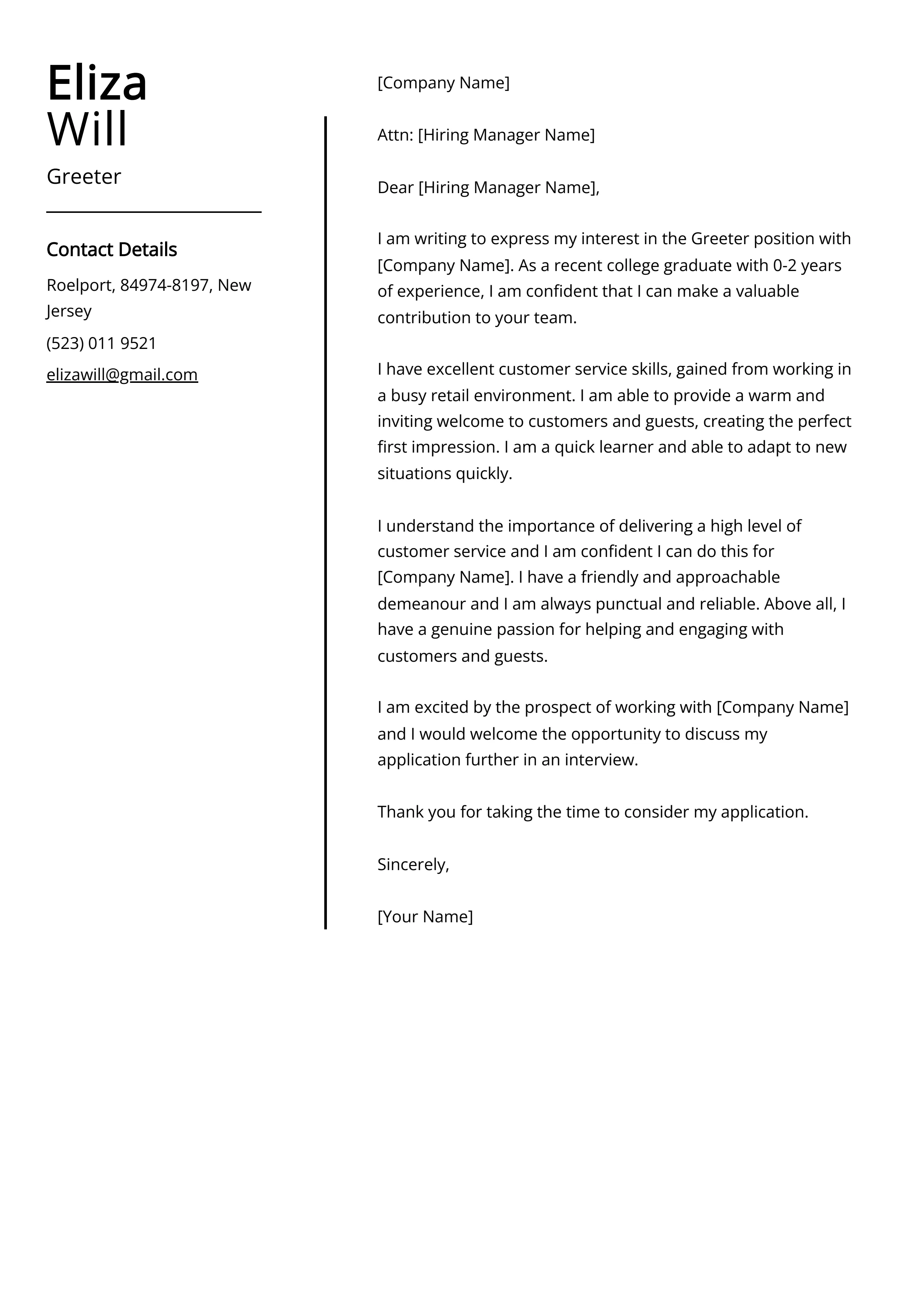
Cover Letter Greetings Overview
The greeting in your cover letter is more than just a formality; it’s your first opportunity to make a strong impression on a potential employer. It sets the tone for the entire document and can significantly influence how your application is received. A well-crafted greeting shows that you’ve paid attention to detail, researched the company, and are genuinely interested in the position. Conversely, a poorly chosen or generic greeting can signal a lack of effort and may lead the hiring manager to overlook your application. Understanding the nuances of cover letter greetings is therefore essential for anyone serious about landing an interview and ultimately securing their desired job. This guide provides comprehensive insights into crafting effective greetings.
Why Greetings Matter in Cover Letters
Greetings are the initial point of contact in your cover letter, and their significance extends far beyond mere politeness. They convey your level of professionalism, your attention to detail, and your understanding of workplace etiquette. The choice of greeting can immediately establish a rapport with the reader, or it can inadvertently create a barrier. A thoughtful greeting indicates that you’ve taken the time to personalize your application, which is a critical aspect of demonstrating your interest in the role and the company. In a competitive job market, every detail counts, and the greeting is often the first thing a hiring manager sees, making it a pivotal element in the overall impact of your cover letter.
First Impression and Professionalism

Your cover letter greeting is your opening statement, and, like any first impression, it has a lasting impact. A professional greeting sets the stage for a well-structured and compelling application. It demonstrates respect for the hiring manager and the company, and it shows that you understand the importance of formal communication in a professional context. Using a greeting that reflects your understanding of workplace norms and your respect for the recipient’s time and role can significantly increase your chances of making a positive first impression. A well-executed greeting immediately signals to the reader that you are a serious candidate who pays attention to detail, making it more likely that they will continue reading your letter.
Setting the Tone
The greeting in your cover letter is the first building block in creating the tone of your application. This tone can be formal, friendly, or somewhere in between, and it sets the stage for the rest of your letter. A formal greeting typically implies a serious and respectful approach, while a slightly more informal greeting can indicate a friendlier and more approachable demeanor. The tone you choose should align with the company culture and the nature of the position. For example, a greeting that would be suitable for a law firm might not be appropriate for a tech startup. Ensuring that your greeting matches the overall tone you wish to convey is crucial to making a positive and appropriate impression.
Common Cover Letter Greetings
Understanding the different types of cover letter greetings is essential for making the right choice. The most common greetings can be broadly categorized into formal and informal options, each with its own set of appropriate uses. Knowing when to use each type can make a major difference in how the hiring manager perceives your application. It’s also important to recognize when a generic greeting is acceptable and when it’s best to avoid it altogether. This section will explore the various greetings, detailing their appropriate use cases and providing guidance on how to choose the best option for your specific circumstances.
Formal Greetings

Formal greetings are best used when you want to show a high level of respect and professionalism. They are particularly suited for more traditional industries or when applying for a senior-level position. These greetings demonstrate a respectful approach and are often preferred when you are unsure of the hiring manager’s name or when the company culture leans towards formality. Here are some of the most frequently used formal greetings and when they are most appropriate.
Dear Mr/Ms Last Name
This is a classic and highly professional greeting. It’s appropriate when you know the hiring manager’s name and title. Using ‘Mr.’ or ‘Ms.’ followed by their last name shows respect and demonstrates that you have taken the time to find out the correct information. It’s generally the safest option when you’re unsure of the company culture or when applying for a role in a formal environment. Always double-check the spelling of the name and ensure you have the correct title (e.g., Mr., Ms., Dr.) to avoid any potential faux pas. This greeting sets a tone of respect and professionalism from the outset.
To Whom It May Concern
This greeting is used when you are unable to find the hiring manager’s name. While it is a more generic option, it’s perfectly acceptable when the specific recipient is unknown. However, it’s often better to try to find out the name of the hiring manager or a relevant contact person before resorting to this greeting. Researching the company’s website, LinkedIn profiles, or the job posting can help you identify a contact. Using ‘To Whom It May Concern’ is a safe choice, but it should be a last resort if you are unable to find a name. It’s impersonal, but it is a widely accepted way to start a cover letter when no other option is available.
Informal Greetings

Informal greetings offer a more friendly tone and can be appropriate for certain company cultures, particularly in creative or tech-focused industries. However, it is crucial to assess whether such a greeting is suitable for the specific job and company before using it. While a friendly greeting might make you seem approachable, it could also be perceived as unprofessional if the company environment is more conservative. These greetings work best when you have some prior contact with the company or know the hiring manager’s personality. Here are a couple of common informal greetings, each with its own suitable use cases.
Dear First Name
Using the hiring manager’s first name is a more informal approach, which can create a friendlier tone. This is typically acceptable if you’ve had previous contact with the hiring manager, such as a phone call or email exchange. It’s also suitable if the company culture is known to be casual. However, it’s crucial to be certain that this level of informality is appropriate before using it. If you’re unsure, it’s best to err on the side of caution and use a more formal greeting. Confirming the cultural norms of the company is vital before you use a first-name greeting.
Hello First Name
This is a slightly more casual greeting that can be used when you know the hiring manager’s name. It presents a welcoming and friendly approach, suitable for companies with a more relaxed atmosphere. Similar to ‘Dear First Name,’ ensure you understand the company culture before using this greeting. While it’s less formal than ‘Dear,’ it still conveys respect and a willingness to communicate in a friendly manner. This greeting is also suitable if you’ve had some prior connection with the hiring manager, though it is still important to assess the company culture.
When to Use Specific Greetings

Choosing the right greeting for your cover letter is not a one-size-fits-all situation. The best greeting depends on various factors, including your knowledge of the hiring manager, the company culture, and the industry. Understanding these nuances is key to making a positive impression. Selecting the appropriate greeting demonstrates that you understand the importance of adapting your communication style to suit different contexts. This ensures your application conveys respect, attention to detail, and a genuine interest in the position and the company.
Knowing Your Audience
Understanding your audience is the most important step in choosing a suitable greeting. Research the company and the industry to get a feel for their communication norms. Consider whether the environment is formal or informal, and tailor your greeting accordingly. Also, think about the type of relationship you want to establish with the hiring manager. Do you want to project professionalism or friendliness? Your greeting will set the tone for this, so choose wisely. A greeting that matches the audience’s expectations is more likely to make a positive impression.
Researching the Hiring Manager
If possible, identify the hiring manager by name. LinkedIn and the company website are great resources. If you find their name, using it in your greeting shows that you’ve taken the time to research the opportunity, which is highly valued by recruiters. Personalizing your greeting demonstrates your specific interest in the role and the company, separating you from candidates who use generic greetings. Addressing your cover letter to a specific person greatly improves the chances of it being read and considered. Knowing the hiring manager allows you to tailor your letter, making it more relevant and impactful.
When to Avoid Greetings

In certain situations, using a traditional greeting might not be necessary or even appropriate. Knowing when to omit a greeting can sometimes make your cover letter more direct and impactful. The key is to consider the specific circumstances of your application. Skipping the greeting altogether should only be done in carefully considered situations, as it risks seeming unprofessional. The general rule is that if you can identify the recipient, you should use a greeting. However, there are exceptions to this rule, and understanding these situations is just as important as knowing when to use a greeting.
When the Hiring Manager is Unknown
If you are unable to find the name of the hiring manager, you can use a generic greeting such as ‘To Whom It May Concern’. However, whenever possible, attempt to find a specific contact person. If you cannot find a name, the generic greeting is a reasonable alternative. In the absence of a name, focus on making the rest of the letter as strong as possible. Your application should be well-structured and compelling, to offset the lack of personalization in the greeting. Make sure you highlight your relevant skills and experiences to make a lasting impression.
When Sending a General Application
If you are sending a general application where no specific role is advertised, the choice of greeting becomes a bit trickier. You can use a generic greeting such as ‘To Whom It May Concern’, or you can focus on a more direct approach and start with the body of your letter. In this case, the lack of a personalized greeting might be understandable, but it is still advisable to research the company and identify a contact if possible. Regardless of the greeting used, ensure that your general application still stands out. Tailor it to the company and highlight the skills that make you a good fit.
Best Practices for Cover Letter Greetings

Beyond the choice of greeting, several best practices can enhance the effectiveness of your cover letter. Following these guidelines will make your application more professional and increase the likelihood that you will get noticed by the hiring manager. These practices include personalization, a careful check for grammar, and conciseness. By adhering to these best practices, you demonstrate attention to detail and professionalism, helping you make a favorable impression.
Personalization and Relevance
Always personalize your greeting whenever possible. This is the first step in showing the hiring manager that you’ve tailored your application to their specific needs. Research the company and the role to ensure that your greeting is appropriate and relevant. If you know the hiring manager’s name, address them directly. If not, use a professional greeting. Tailoring your greeting demonstrates that you’ve taken the time to research the opportunity and are truly interested. This personalization makes a positive impact on the hiring manager and shows that you’re serious about the position.
Grammar and Spelling Check
Proofread your greeting (and the entire cover letter) meticulously. Typos and grammatical errors can detract from your professionalism and give the impression that you lack attention to detail. Double-check the spelling of the hiring manager’s name, the company name, and all other details. Using a grammar checker can assist, but it should never replace a careful manual review. Make sure that your greeting is grammatically correct and reflects the professional standards you want to present. Always be sure to spell the name correctly – a common mistake is the most important thing to avoid.
Keeping it Concise
Keep your greeting short and to the point. Avoid unnecessary words or phrases that could dilute your message. Your greeting should be a concise and professional statement that sets the tone for your letter. Don’t overthink it. The greeting’s primary goal is to acknowledge the recipient and get the conversation started. A brief, well-crafted greeting is more effective than a long, rambling one. A concise greeting is easier to understand and more likely to make a good first impression.
Mistakes to Avoid with Greetings
Just as important as knowing the right greetings are knowing what to avoid. Several common mistakes can undermine your cover letter, making a negative impression. These mistakes include typos, excessive informality, and not personalizing the greeting. Avoiding these pitfalls is crucial for presenting yourself as a professional and competent candidate. Recognizing and correcting these common errors will significantly improve the overall impact of your application. This section will highlight the most common mistakes to avoid when crafting your cover letter greeting.
Typos and Errors
Typos and errors in your greeting are a major red flag. They immediately convey a lack of attention to detail and can undermine your credibility. Always double-check the spelling of the hiring manager’s name, the company name, and all other details. Run a grammar and spelling check. Proofread your cover letter multiple times to catch any errors you might have missed. A simple mistake can significantly reduce the positive impact of your application. Ensuring your greeting is free of errors is one of the easiest ways to make a good first impression.
Being Too Casual
Avoid being overly casual in your greeting, especially if you are applying to a formal or conservative industry. The tone should be professional and respectful. Using slang, abbreviations, or overly familiar language can be off-putting and suggest that you are not taking the application process seriously. Even if you are applying to a more relaxed company, it is still better to err on the side of professionalism. A slightly more formal greeting is often the safest choice. You want to present yourself as a polished and capable candidate who understands the importance of professional communication.
Ignoring the Hiring Manager’s Name
Whenever possible, address your cover letter to a specific person. Ignoring the hiring manager’s name and using a generic greeting when you know the name can give the impression that you’re not dedicated or haven’t put in the necessary effort. Doing a quick search to find the hiring manager’s name is one of the easiest ways to personalize your application. Demonstrating this level of effort immediately sets you apart from candidates who use generic greetings. This level of personalization is extremely important in the competitive job market.
Greetings that Make a Positive Impact
A well-chosen cover letter greeting is an investment in your job application. It sets the stage for a positive impression and can significantly increase your chances of landing an interview. By following these guidelines, you can ensure your greeting enhances your application, leading to a successful job search. Your cover letter greeting is your opening statement; make sure it is impactful and effective. The right greeting reflects your understanding of professional communication, sets a positive tone, and showcases your attention to detail.