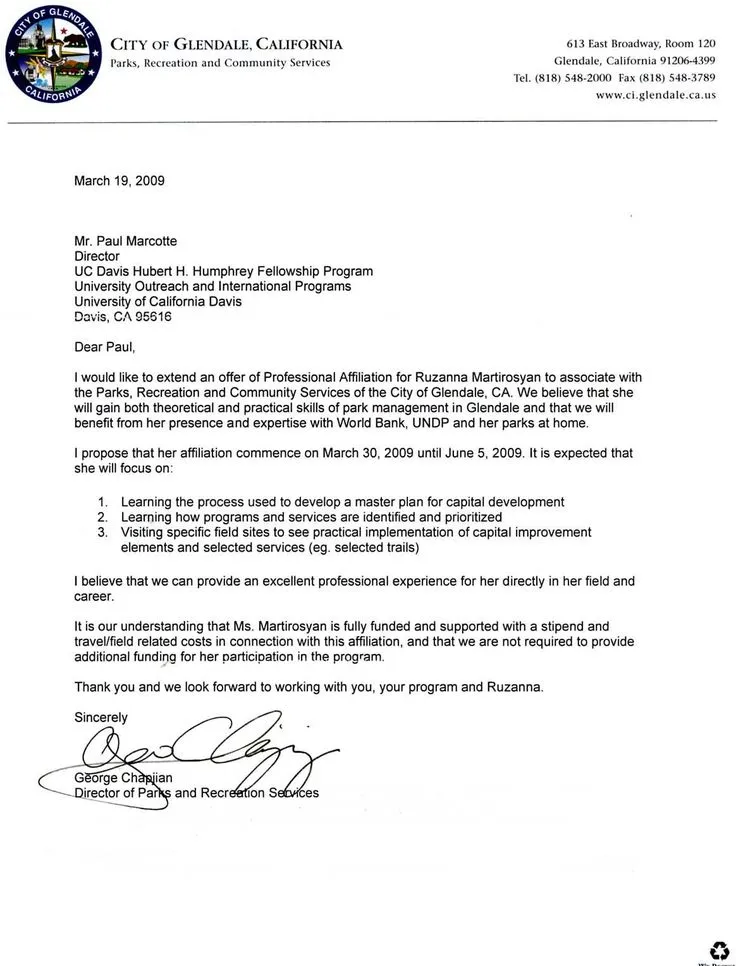
A grant proposal’s success hinges on many factors, from the strength of the project itself to the clarity of the budget. However, a crucial element often overlooked is the cover letter. This introductory document is your first opportunity to make a lasting impression on the grant reviewers. It sets the tone for your entire submission and can significantly impact whether your proposal is read with interest or relegated to the “maybe later” pile. This guide delves into the nuances of crafting a compelling cover letter that grabs attention and increases your chances of securing funding. Learning to make a great first impression is crucial in the world of grant writing, and this article will help you make it.
Why a Cover Letter Matters for Grant Proposals
The cover letter serves as more than just a formality; it’s your personal introduction to the grant-giving organization. It provides context, establishes your credibility, and succinctly communicates the essence of your proposal. A well-crafted cover letter can differentiate your submission from the multitude of others vying for the same funds. It’s your chance to highlight the project’s significance and your organization’s suitability to carry it out. Ignoring this crucial step is like failing to shake hands before a business meeting; it’s a missed opportunity to build a connection and make a positive impact right from the start. The cover letter is also where you state the purpose of your proposal and how your work aligns with the mission of the grant-giving organization.
First Impressions & Grant Proposals
First impressions are critical, and your cover letter is the first thing grant reviewers see. A poorly written or generic letter can instantly cast a negative light on your entire proposal. Conversely, a well-written and engaging cover letter can pique their interest and encourage them to delve deeper into your application. Reviewers often have numerous proposals to assess; a compelling cover letter helps your proposal stand out. It should be concise, well-organized, and tailored to the specific grant opportunity. A generic cover letter, on the other hand, suggests that you haven’t put in the time or effort to understand the funder’s priorities or tailor your application accordingly.
Key Elements to Include in Your Cover Letter

A strong cover letter is well-structured and includes key elements that provide essential information at a glance. It should convey your purpose, the project’s objectives, and the potential impact of your work. Each element plays a vital role in presenting your proposal in the best possible light. Including these components ensures that the grant reviewers quickly grasp the essence of your project and its significance. This allows them to assess your application efficiently and determine whether it aligns with their funding priorities.
Applicant Information
Begin by clearly stating your organization’s name and the primary contact person. Include their title, contact information (phone number and email address), and the date. This information ensures the reviewers know who is submitting the proposal and how to reach them with any questions or clarifications. Proper applicant information also adds an air of professionalism and demonstrates attention to detail, critical qualities that grant reviewers value in any application.
Project Summary
Provide a brief overview of your project, typically in one or two concise paragraphs. Clearly state the project’s purpose, the problem it addresses, and your proposed solution. This summary should be engaging and capture the essence of your proposal, enticing the reviewers to read further. It’s your elevator pitch, so it needs to be persuasive and easy to understand. Avoid jargon and technical terms that might confuse the reader. Instead, focus on clarity and conciseness to make the project’s importance immediately apparent.
Key Objectives

Highlight the main goals and objectives of your project. Use bullet points to present them clearly. This section provides reviewers with a quick understanding of what you aim to achieve. Be specific, measurable, achievable, relevant, and time-bound (SMART). Ensure that your objectives align with the grant’s priorities and demonstrate a clear path to success. Well-defined objectives showcase your project’s feasibility and your ability to deliver results.
Budget Overview
Briefly mention the total amount of funding you are requesting and a brief overview of how the funds will be used. You do not need to include all the details here, but it’s helpful to provide context and show financial transparency. This overview helps the reviewers understand the scope of your project and ensures that the financial aspects align with the project’s objectives. A well-organized budget overview reflects good financial management practices, which is crucial for winning the trust of funders.
Benefits and Outcomes
Describe the expected outcomes of your project and the benefits it will bring to the community or target audience. Clearly articulate the impact your project will have and how it aligns with the funder’s mission. This is your opportunity to demonstrate the value of your project and its potential for long-term sustainability. Show the reviewers why your project matters and how it will make a meaningful difference.
Formatting and Style Guide for Cover Letters

The visual presentation of your cover letter is just as important as its content. Proper formatting ensures readability and professionalism. Adhering to a clear style guide helps to convey that you are meticulous and organized. Following these guidelines will increase your chances of being noticed. A well-formatted cover letter makes a positive impression and shows that you are serious about securing funding.
Page Setup and Margins
Use standard letter-sized paper (8.5 x 11 inches). Set margins to at least one inch on all sides. This provides adequate space for the text and makes the document easier to read. Proper margins give the document a clean and professional look, avoiding a cluttered appearance. Ensure that the text is not crammed together, making the document visually appealing and easily scannable by reviewers.
Font Choice and Size
Choose a readable font, such as Times New Roman, Arial, or Calibri, and use a font size between 11 and 12 points. Make sure that the font is easy on the eyes and professional in appearance. Avoid using overly decorative or unusual fonts that can distract from the content. Maintain consistency throughout the document, so the text is uniform and easy to follow. Correct font selection and size contribute significantly to readability, helping the reviewers focus on your message.
Writing an Effective Cover Letter
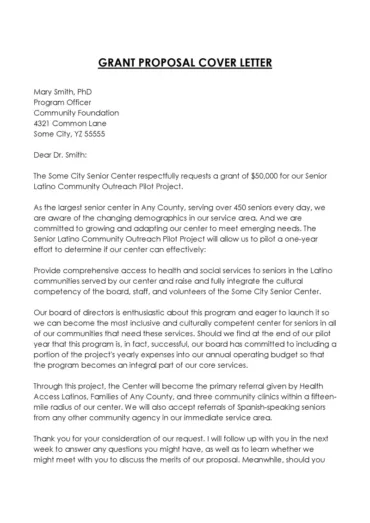
Writing an effective cover letter involves more than just including the required information; it also requires careful attention to detail, clear communication, and a persuasive tone. Understanding your audience, highlighting your project’s relevance, and meticulously proofreading your work are all essential. A well-crafted cover letter can significantly increase your chances of obtaining funding. Here is a guide to help you create a winning cover letter.
Researching the Granting Organization
Before you start writing, thoroughly research the granting organization. Understand their mission, priorities, and funding guidelines. Tailor your cover letter to their specific interests, demonstrating that you understand their goals and how your project aligns with them. Highlighting this alignment shows that you are serious about receiving funding. Showing how your project reflects the funder’s values increases your credibility. Customizing your letter demonstrates a commitment to their mission, setting you apart from generic submissions. This is where the grant-giving organization sees your dedication.
Highlighting Relevance
Clearly explain why your project is relevant to the grant-giving organization’s goals. Show how your project addresses the specific needs or challenges they are trying to solve. Use their language and terminology to show that you have a good understanding of their priorities. By emphasizing the connection between your project and their objectives, you make a strong case for funding. Demonstrate how your work complements and contributes to their mission.
Proofreading and Editing
Always proofread your cover letter carefully to ensure it is free of grammatical errors, spelling mistakes, and typos. Errors can undermine your credibility and make your organization appear unprofessional. Ask a colleague or friend to review your letter as a second pair of eyes can often catch errors you may have missed. Ensure that the tone is professional, the language is clear, and the message is compelling. A polished and error-free cover letter reflects your attention to detail and increases your chances of getting the attention of grant reviewers.
In conclusion, a well-crafted cover letter is indispensable to a successful grant proposal submission. It is your opportunity to make a great first impression and persuade the reviewers of the value of your project. By following the guidelines provided, you can improve your chances of securing funding and making a positive impact. Remember to always tailor your cover letter to the specific grant opportunity, and never underestimate the importance of thorough proofreading. Good luck!