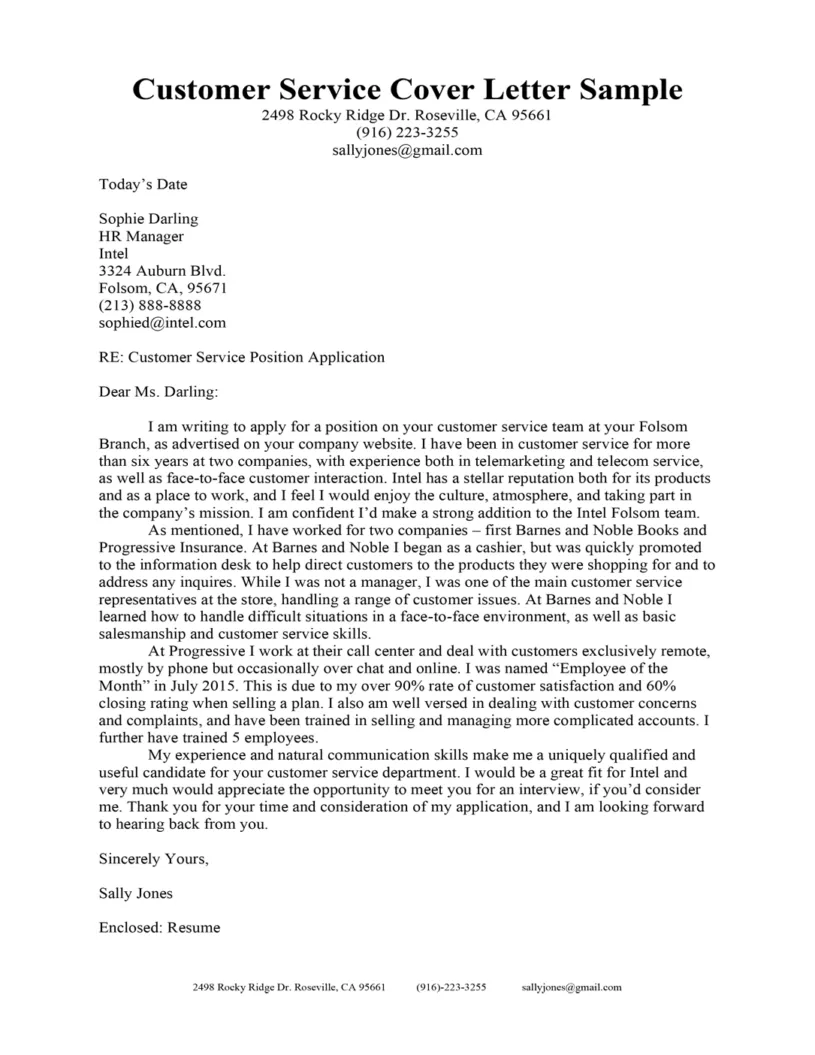
Understanding the Customer Service Cover Letter
A customer service cover letter is a crucial document that accompanies your resume when applying for customer service positions. It serves as your first introduction to a potential employer and provides an opportunity to showcase your personality, skills, and experiences in a way that a resume alone cannot. This guide will walk you through the essential steps of crafting a compelling cover letter that captures the hiring manager’s attention and increases your chances of landing an interview. It’s more than just a formality; it’s your chance to make a lasting first impression and set yourself apart from other applicants. Think of it as your personal sales pitch, selling your abilities and enthusiasm for the role.
Why Is a Customer Service Cover Letter Important?
In the competitive job market, a well-crafted customer service cover letter is your secret weapon. It allows you to provide context to your resume and explain why you are the perfect fit for the specific role and company. It demonstrates your writing skills, attention to detail, and your genuine interest in the position. Recruiters often use cover letters to gauge a candidate’s communication style and ability to articulate their value. A compelling cover letter shows that you have taken the time to understand the company’s needs and are prepared to contribute effectively. It also allows you to highlight achievements that might not be immediately apparent on your resume.
Key Components of a Customer Service Cover Letter

A successful customer service cover letter is structured logically and includes specific, relevant information. It should be concise, professional, and tailored to the job description. While the specific content will vary, the following are the essential sections to include.
Your Contact Information
Start with your full name, phone number, email address, and optionally, your LinkedIn profile URL. Ensure your email address is professional. This information should be at the top of the letter for easy access by the hiring manager. Keep it clear and concise; you want them to be able to contact you immediately.
The Date and Hiring Manager Information
Include the date you are sending the letter, followed by the hiring manager’s name, title, company name, and address. If you cannot find the hiring manager’s name, use a general salutation like ‘Dear Hiring Manager.’ Personalizing the letter shows you’ve done your research and are genuinely interested in the position.
Crafting a Compelling Opening

The opening paragraph is crucial. It needs to grab the reader’s attention immediately. State the specific position you are applying for and where you saw the job posting. Briefly mention why you are interested in the role and the company. Show enthusiasm and a clear understanding of what the company does. A strong opening sets the tone for the rest of your letter and encourages the hiring manager to continue reading.
Highlighting Your Customer Service Skills
This is the core of your cover letter. Use this section to showcase your skills and experiences that align with the job requirements. Provide specific examples of how you have demonstrated these skills in previous roles. Focus on the skills the employer values most and use the job description as a guide. Back up your claims with quantifiable results whenever possible.
Communication Skills
Customer service roles rely heavily on strong communication skills. Highlight your ability to listen actively, speak clearly, and write professionally. Mention experiences where you effectively communicated with customers, resolved complaints, and explained complex information in a way that was easy to understand. Provide examples of positive interactions and how you ensured customer satisfaction, such as by resolving issues or providing helpful information. (See image customer-service-cover-letter)
Problem-Solving Abilities

Customer service often involves problem-solving. Describe instances where you identified a customer’s issue, analyzed the situation, and implemented a solution. Mention any tools or strategies you used to troubleshoot problems effectively. Quantify your successes by citing how you improved customer satisfaction, reduced resolution times, or decreased the number of complaints. Problem-solving abilities are a major factor in customer service jobs; showing you can handle these will set you apart.
Empathy and Patience
Demonstrate your ability to empathize with customers and handle difficult situations with patience. Customer service representatives often deal with frustrated or angry customers. Provide examples of how you remained calm, understanding, and professional under pressure. Highlight any training or experiences that have helped you develop these soft skills. Empathy and patience are essential in building customer loyalty and resolving conflicts.
Showcasing Your Relevant Experience
Detail your relevant work experience, including job titles, company names, and dates of employment. Focus on the responsibilities and accomplishments that align with the job description. Use action verbs to describe your duties and responsibilities. This section should provide a clear picture of your professional background and how it applies to the customer service role. Highlight any customer service roles you’ve had, even if the job title was different.
Quantifying Your Achievements

Whenever possible, quantify your achievements with numbers and statistics. For example, instead of saying ‘Improved customer satisfaction,’ say ‘Improved customer satisfaction scores by 15% within six months.’ Use data to back up your claims and show the impact of your work. This demonstrates your ability to deliver results and the value you bring to the table. Highlighting your achievements shows you’re not just working the job but excelling at it.
Tailoring Your Letter to the Job
Customize your cover letter for each job application. Do not send the same generic letter to multiple companies. Take the time to read the job description carefully and identify the key requirements and desired skills. Then, tailor your letter to address those specific needs. Highlighting how your skills match the employer’s needs shows that you are a serious candidate and have a genuine interest in the role. (See image tailoring-cover-letter)
Researching the Company
Before writing your cover letter, research the company. Understand their mission, values, and the products or services they offer. This knowledge will help you tailor your letter and demonstrate your genuine interest in the company. Mention specific aspects of the company that appeal to you, and explain why you want to work there. This will go a long way in making a positive impression.
Matching Skills to Requirements

Carefully review the job description and identify the essential skills and qualifications. Then, match your skills and experiences to those requirements. Use keywords from the job description to show that you are a suitable candidate. Provide specific examples of how you have demonstrated those skills in the past, and explain how you can use them in the new role. This is your opportunity to show you are a great match for the job.
Writing a Strong Closing
The closing paragraph should leave a lasting impression. Reiterate your interest in the position and thank the hiring manager for their time and consideration. This is also the place to include a call to action.
Expressing Enthusiasm
Reiterate your enthusiasm for the role and the company. Show that you are excited about the opportunity and eager to learn more. Convey your positive attitude and let the hiring manager know you are prepared to go above and beyond. This shows your passion and dedication to the role.
Call to Action

Include a clear call to action. State that you are available for an interview and look forward to hearing from them soon. Provide your contact information again, so they know how to reach you. A clear call to action ensures the hiring manager knows the next step.
Proofreading and Editing Your Letter
Before submitting your cover letter, proofread it carefully for any errors in grammar, spelling, and punctuation. Errors can undermine your credibility and make a negative impression. Ask a friend, family member, or career counselor to review your letter for accuracy. This is a crucial step in ensuring your letter is polished and professional. (See image proofreading-editing)
Common Mistakes to Avoid
Avoid common mistakes such as using generic templates, including irrelevant information, or failing to tailor the letter to the job. Ensure the letter is concise and focused. Don’t use clichés or jargon and avoid negativity. Be professional and maintain a positive tone throughout the letter. Proper formatting and attention to detail are essential. By following these guidelines, you can create a customer service cover letter that helps you get noticed.