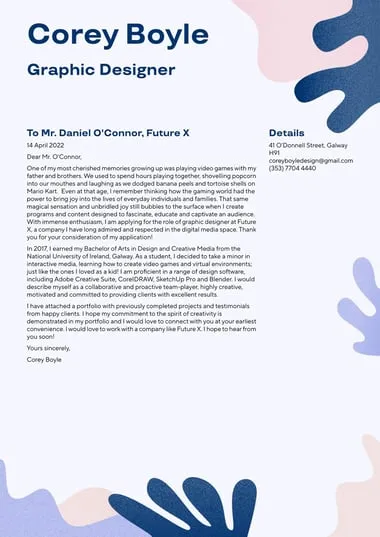
What is a Creative Cover Letter?
A creative cover letter is a job application document designed to showcase an applicant’s personality, skills, and qualifications in a unique and engaging way. Unlike traditional cover letters, which tend to follow a standardized format, creative cover letters allow for more flexibility in terms of design, content, and presentation. The primary goal is to capture the hiring manager’s attention, differentiate the applicant from other candidates, and demonstrate their ability to think outside the box. This approach is particularly effective in industries where creativity and innovation are highly valued, such as marketing, design, advertising, and the arts. It’s a chance to demonstrate a genuine interest in the role and the company.
Key Differences Creative vs Traditional
The key differences between creative and traditional cover letters lie in their approach to presentation, content, and overall tone. Traditional cover letters typically follow a formal structure, focusing on outlining qualifications, work experience, and expressing interest in the position. They often adopt a professional, straightforward tone and adhere to a standard layout. Creative cover letters, on the other hand, break away from these conventions. They embrace unique designs, innovative formats, and a more personalized, engaging tone. The emphasis is on making the applicant stand out, conveying personality, and demonstrating creative abilities. Creative cover letters can incorporate visual elements, multimedia, or even interactive components to capture the reader’s attention.
Understanding Your Audience Before Writing

Before crafting a creative cover letter, it’s essential to understand your target audience. Research the company and the specific role you’re applying for to gain insights into the company culture, values, and hiring manager’s preferences. What is their communication style? Are they known for innovation and creativity? Tailor your cover letter to align with the company’s brand and the expectations of the industry. Analyze the job description for keywords and skills that the company values. This will help you determine the best approach for your creative cover letter. It might involve a particular design, a specific tone, or the inclusion of unique elements that will resonate with the hiring team. Consider the industry norms, as some industries embrace creativity more than others.
Tips for Creative Cover Letter Design
Design is a crucial element of a creative cover letter. Choose a design that reflects your personality and the nature of the role you’re applying for. Use a clean, modern layout with a professional font that is easy to read. Ensure that the design is visually appealing, with appropriate use of colors, white space, and imagery. Avoid overwhelming the reader with too many elements. A well-designed cover letter should create a positive first impression and make the document stand out. You can incorporate your personal brand or use design elements that are relevant to the industry. Consistency is key, so maintain a cohesive design throughout the cover letter. The design must enhance the content, not distract from it.
Choosing the Right Format
The format of your creative cover letter is another critical consideration. While a traditional letter format is acceptable, explore alternative approaches to make your application more memorable. You could use a portfolio format, allowing you to showcase your work visually. Consider using an infographic-style layout to present your skills and experience in a visually engaging manner. Another option is to use a video cover letter, but ensure it aligns with the company’s culture. The goal is to select a format that aligns with your skills and the specific role. Regardless of the format, keep the content concise and focused. Always ensure the format is easy to navigate and read.
Elements of a Compelling Cover Letter

Regardless of the format, every creative cover letter should include essential elements. Start with a personalized greeting, addressing the hiring manager by name if possible. The opening should be attention-grabbing, immediately capturing the reader’s interest. Use the body of the cover letter to highlight your relevant skills, experience, and achievements, showing how you can contribute to the company. Include quantifiable results to demonstrate the impact you’ve made in previous roles. Express your enthusiasm for the position and the company, and conclude with a call to action, such as requesting an interview. Make it easy for the reader to understand your value proposition quickly.
Crafting a Strong Opening
The opening of your creative cover letter is crucial. It’s your first chance to capture the hiring manager’s attention and make a lasting impression. Avoid generic openings and instead create an attention-grabbing hook. This might include a compelling story, a bold statement, or a question that sparks curiosity. Make it clear why you are interested in the role. The opening should quickly convey your personality and demonstrate why you’re a good fit for the company. It should be tailored to the specific role and company. By taking this approach, you can immediately establish yourself as a creative candidate, setting the stage for a memorable application.
Showcasing Your Skills and Experience
Highlighting your skills and experience is essential in any cover letter. In a creative cover letter, you can showcase this information in a more visually appealing and engaging manner. Instead of simply listing your skills, you can present them in a creative format, such as a skills matrix, an infographic, or a visual timeline. When describing your experience, focus on the impact you’ve made in previous roles. Use storytelling to illustrate your accomplishments. Tailor your experience to the job description, emphasizing the skills and experiences that are most relevant to the position. Use action verbs to make your accomplishments more impactful. Be clear, concise, and easy to understand.
Highlighting Your Creativity

The primary goal of a creative cover letter is to demonstrate your creativity. Incorporate creative elements into both the design and the content of your letter. This might involve using unique layouts, incorporating multimedia, or telling a compelling story that showcases your creative thinking. Showcase your design skills and the specific elements that reflect your creativity. However, ensure the creative elements are relevant to the job and company. You can also demonstrate your creative thinking by proposing innovative solutions or ideas related to the role. Remember, the goal is to make your cover letter memorable and to show the hiring manager that you think outside the box.
Quantifying Your Achievements
Quantifying your achievements is a powerful way to demonstrate your value to potential employers. Whenever possible, use numbers and data to illustrate the impact you’ve made in previous roles. Instead of saying you “increased sales,” state the percentage increase. Instead of stating that you “managed projects,” specify the number of projects and their outcomes. Quantifying your achievements provides concrete evidence of your skills and experience. It makes your cover letter more credible and helps the hiring manager understand the value you bring. Use metrics to showcase your results and the impact you have. This provides more detail and credibility to your achievements.
Writing a Powerful Closing
The closing of your creative cover letter is your final opportunity to make an impact and encourage the hiring manager to take action. Restate your interest in the position and the company. Include a clear call to action, such as requesting an interview or providing your contact information. Express gratitude for their time and consideration. Make the closing as memorable as the rest of your letter. Keep it concise and professional, but consider adding a creative touch. This could be a final statement that reinforces your personality or a visually appealing sign-off. End on a positive note to leave a lasting impression.
Examples of Creative Cover Letters

Examining examples of creative cover letters can provide inspiration and guidance. Look for examples in your industry or those that have successfully demonstrated creativity. Analyze the design, format, and content of these letters. Pay attention to how they incorporate unique elements. Note how they showcase the applicant’s skills, experience, and personality. Online platforms like Behance, Dribbble, and LinkedIn often feature creative cover letter examples. When reviewing examples, consider what resonates with you and how you can adapt the ideas. Ensure you don’t plagiarize, and always tailor your cover letter to your own qualifications and the specific job requirements. Using examples is a great way to learn the best practices.
Using Visual Elements Effectively
Visual elements are a key component of many creative cover letters. Use these elements to enhance your application. Choose images, graphics, and other visuals that are relevant to the job and company. Incorporate these elements strategically to make your cover letter more visually appealing and memorable. Ensure the visual elements are high-quality and don’t distract from the content. Use a consistent design style throughout the letter. Consider using color, typography, and white space effectively to create a balanced and engaging design. Test the visual elements across different devices to ensure they display correctly. Always make sure visual elements complement the content of your cover letter.
Incorporating Multimedia Content
In some cases, incorporating multimedia content can enhance the impact of your creative cover letter. You might include links to a video resume, an interactive portfolio, or a short video showcasing your skills. However, always consider the company’s culture and the job requirements. Ensure the multimedia content is high-quality and relevant. Keep the content concise and focused. Provide clear instructions on how to access the multimedia content. Always test the links to ensure they work. If you decide to use multimedia content, ensure it adds value to your application and doesn’t distract from your core qualifications. Only use multimedia when it is appropriate for the specific role and company.
Proofreading and Editing

Proofreading and editing are critical steps in the cover letter writing process. Errors in grammar, spelling, and punctuation can undermine your credibility. Before submitting your cover letter, carefully proofread it multiple times. Use a grammar checker to catch any mistakes. Consider having a friend or colleague review your cover letter for errors and clarity. Ensure the language is clear, concise, and professional. Pay attention to the overall flow and structure of your letter. Correct any inconsistencies in formatting. A well-proofread and edited cover letter demonstrates your attention to detail and professionalism. It makes you stand out and shows you take your application seriously.
Creative Cover Letter Mistakes to Avoid
Avoid these common mistakes when crafting a creative cover letter. Don’t use a generic format. Don’t include irrelevant information. Steer clear of excessive design elements that overwhelm the reader. Refrain from being too casual or unprofessional. Avoid exaggerating your skills or experience. Don’t make the letter too long. Don’t forget to tailor your cover letter to the specific job. Refrain from including any errors in grammar or spelling. Ensure your creativity enhances your application, not detracts from it. Addressing and avoiding these errors ensures your creative cover letter makes a positive impact.
Dos and Don’ts of Creative Cover Letters
Here’s a quick guide to the dos and don’ts of creative cover letters: Do tailor your letter to the job and company. Do highlight your creativity and personality. Do showcase your skills and achievements. Do proofread and edit carefully. Do make it visually appealing. Don’t use a generic format. Don’t be unprofessional or too casual. Don’t include irrelevant information. Don’t make it too long. Don’t forget to include a call to action. By following these guidelines, you can craft a cover letter that will impress hiring managers.
Adapting to Different Industries

The approach to writing a creative cover letter may vary depending on the industry. For example, in design and marketing, a highly creative and visually driven approach may be appropriate. However, in more conservative industries, such as finance or law, a more subtle and professional approach may be better. Research the industry norms and the company culture before determining your creative approach. Consider the level of creativity that is expected and appropriate. Always tailor your cover letter to the specific industry and role. The goal is to showcase your creativity while adhering to the industry standards.
Tailoring Your Letter to the Job
Tailoring your cover letter to each job application is essential for increasing your chances of success. Always review the job description and identify the key skills, experience, and qualifications that the employer is seeking. Then, highlight the relevant information in your cover letter. Customize your cover letter to reflect the specific requirements of each role. Tailor your approach by showcasing your relevant experience and achievements. Make sure your cover letter aligns with the company’s values and culture. Tailoring your cover letter shows that you have taken the time to understand the role and are genuinely interested in the opportunity.
Measuring Your Cover Letter’s Success
It’s important to measure the effectiveness of your creative cover letters. Track the number of applications you submit. Monitor the response rates, such as the number of interviews you receive. Consider tracking which cover letter formats and designs are most effective. Seek feedback from recruiters or career advisors to get an objective assessment of your cover letters. Analyze your results to identify any patterns. Use this information to refine your approach over time. If you aren’t getting the response you want, consider revising your cover letter based on feedback. Measuring your success allows you to improve your cover letter writing skills continually.