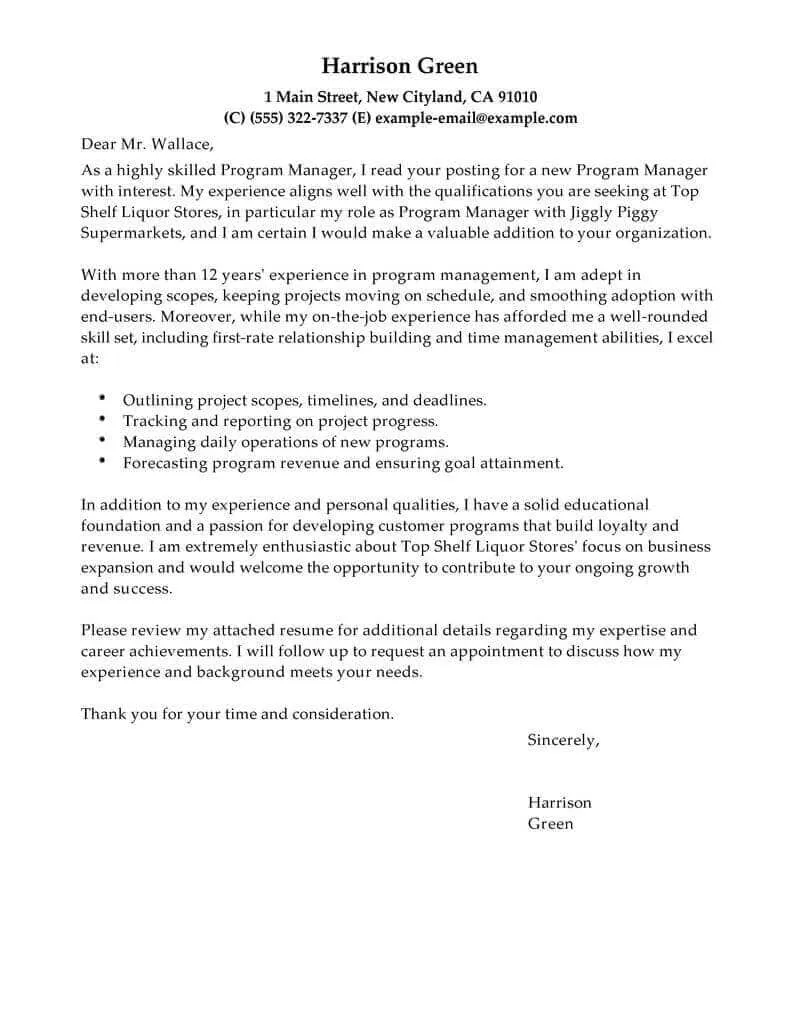
What is a Cover Letter?
A cover letter is a crucial document accompanying your resume when applying for a job. It serves as an introduction, providing a personalized overview of your qualifications, skills, and experiences. Unlike a resume, which offers a factual summary, a cover letter allows you to express your interest in the specific role and company, showcasing your personality and explaining why you are the ideal candidate. It’s your opportunity to make a strong first impression and persuade the hiring manager to review your resume in detail. A well-crafted cover letter can significantly increase your chances of landing an interview, making it a vital tool in your job search arsenal. Think of it as your personal sales pitch, designed to highlight your unique value proposition and capture the reader’s attention.
The Importance of a Cover Letter
In today’s competitive job market, a cover letter is more than just a formality; it’s a necessity. It provides context to your resume, allowing you to connect your skills and experiences directly to the job requirements. It demonstrates your genuine interest in the position and the company, setting you apart from applicants who may only submit a resume. A compelling cover letter showcases your communication skills, writing abilities, and attention to detail. It allows you to address any potential gaps in your resume or explain career changes. Furthermore, it highlights your enthusiasm and personality, which are often difficult to convey through a resume alone. Many employers consider a cover letter a key component in the initial screening process, and omitting one could lead to your application being overlooked. Therefore, investing time in crafting a well-written cover letter is an investment in your future career.
How to Format Your Cover Letter

Formatting your cover letter correctly is essential for making a professional and positive impression. A well-formatted letter is easy to read and visually appealing, ensuring that your message is clear and concise. Use standard fonts like Times New Roman, Arial, or Calibri in a 10-12 point size. Maintain 1-inch margins on all sides of the document. Keep the letter to one page; employers are busy and want to quickly understand your value. Structure the letter with clear sections, including contact information, a professional greeting, body paragraphs, and a closing. Use bullet points and short paragraphs to break up text and improve readability. Ensure proper grammar, punctuation, and spelling throughout the document. A well-formatted cover letter shows that you pay attention to detail, which is a critical skill in any professional setting. Lastly, consider using a professional template, but customize it to reflect your unique style and the specific job application.
Contact Information
At the top of your cover letter, include your contact information. This section should contain your full name, phone number, email address, and optionally, your LinkedIn profile URL. Ensure the email address is professional; avoid using nicknames or unprofessional handles. Align this information to the left or right, depending on the template you choose. You may also include the date and the hiring manager’s name and address, if known. This ensures that the employer can easily reach you if they wish to schedule an interview. The contact information sets the stage for the professional tone of your letter and should be accurate and up-to-date.
Professional Greeting
Start your cover letter with a professional greeting. If you know the hiring manager’s name, use “Dear Mr./Ms./Mx. [Last Name].” If you don’t know the hiring manager’s name, use a general greeting such as “Dear Hiring Manager,” “Dear [Company Name] Hiring Team,” or “To Whom It May Concern.” Avoid overly casual greetings like “Hi” or “Hello.” Researching the hiring manager’s name can be a good strategy. Addressing the letter to a specific person shows that you have taken the time to learn about the company and demonstrates your attention to detail. If you are unsure about the correct gender pronoun, it is always better to err on the side of caution and use a gender-neutral salutation or a more general greeting.
Body Paragraphs

The body of your cover letter should consist of 3-4 paragraphs. This is where you provide details about your qualifications, skills, and experiences that align with the job description. The body of your cover letter is where you make your case for why you are the best candidate for the job. Keep each paragraph focused and concise, ensuring that every sentence contributes to your overall message. Use strong action verbs to describe your accomplishments and experiences. Tailor each paragraph to the specific requirements of the job. The goal is to clearly demonstrate your suitability for the position and highlight your relevant skills and accomplishments.
First Paragraph
The first paragraph should grab the reader’s attention and state the position you’re applying for. Mention where you found the job posting and briefly express your enthusiasm for the opportunity. Highlight something specific that attracted you to the role or the company. This paragraph sets the tone for the rest of the letter, so make it engaging and relevant. Clearly state the position you’re applying for and a brief overview of why you are interested. The opening paragraph is your chance to make a great first impression.
Second Paragraph
The second paragraph should showcase your key skills and experiences. Focus on the most relevant aspects of your background and how they align with the job requirements. Provide specific examples of your accomplishments, quantifying them whenever possible. Instead of just listing your skills, explain how you’ve used those skills to achieve positive results. Use keywords from the job description to show the employer that you meet their specific needs. This is where you provide the evidence to back up your claims. This section needs to focus on the specifics of why you are a perfect fit.
Third Paragraph

In the third paragraph, demonstrate your understanding of the company and why you are a good fit for their culture. Research the company and mention specific projects, values, or initiatives that resonate with you. Explain how your skills and experiences will contribute to the company’s success. Show that you have a genuine interest in the company beyond just the job. This paragraph should show a deeper level of engagement and a connection to the company’s mission or goals. The goal is to convince the hiring manager you are not only qualified but also a great culture fit.
Closing Paragraph
End your cover letter with a strong closing paragraph. Reiterate your interest in the position and express your enthusiasm for an interview. Thank the hiring manager for their time and consideration. Include a call to action, such as “I look forward to discussing my qualifications further in an interview.” Make sure to end your letter on a positive note. Use a professional closing, such as “Sincerely,” “Best regards,” or “Yours faithfully.” Avoid using overly casual closings. This paragraph is your final opportunity to leave a positive impression and encourage the employer to take the next step.
How to Tailor Your Cover Letter
Customizing your cover letter for each job application is essential. A generic cover letter, although easier to create, won’t make the same impact as one tailored to the specific role and company. Customization shows the employer that you have taken the time to understand their needs and are genuinely interested in the opportunity. This involves researching the company, highlighting relevant skills and experiences, and using keywords from the job description. A well-tailored cover letter shows that you care and are not just sending out a mass application.
Research the Company

Before writing your cover letter, research the company. Visit their website, read their mission statement, and check out their social media profiles. Understand their products, services, and values. Identify any recent news or initiatives that align with your interests. Mentioning specific details about the company in your cover letter demonstrates your genuine interest and understanding of their business. This could include referencing a recent project, a company value, or a particular achievement. Tailoring your letter based on your research shows that you are a proactive candidate who takes initiative.
Highlight Relevant Skills and Experiences
Review the job description carefully and identify the key skills and experiences the employer is seeking. Align your qualifications with these requirements by highlighting relevant experiences and using specific examples of your accomplishments. Provide evidence of how you have demonstrated these skills in previous roles. Use action verbs to describe your tasks and achievements. Quantify your results whenever possible to demonstrate the impact you’ve made. Focus on the most relevant aspects of your background. It will make it easier for the hiring manager to see your alignment with the job requirements. Think about what makes you a standout candidate and ensure your cover letter reflects that.
Use Keywords from the Job Description
Incorporate keywords from the job description throughout your cover letter. This helps the hiring manager quickly identify that your skills and experiences align with the role requirements. Keywords are the specific terms used in the job description. Review the job description and note the skills, qualifications, and responsibilities. Integrate these keywords naturally into your cover letter. Avoid keyword stuffing. Ensure your writing is clear and easy to read. Tailoring your language to match that of the job description makes it easier for recruiters to see your suitability for the role. This also helps your application pass through applicant tracking systems (ATS), which scan for keywords before a human even sees your application.
Top 5 Cover Letter Examples

Here are five cover letter examples to provide a comprehensive guide for different job search needs. Use these examples to help write your own personalized cover letter.
Example 1: The Traditional Cover Letter
This classic format is straightforward and suitable for most industries. It focuses on highlighting your qualifications, skills, and experiences in a clear and concise manner. It typically includes a formal tone, addresses the hiring manager, and clearly states the position you are applying for. This type of letter is great for jobs where professionalism is important. The key is to ensure that it showcases the essentials of your profile.
Example 2: The Skills-Based Cover Letter
If you’re changing careers or have gaps in your work history, a skills-based cover letter might be a better choice. It emphasizes your transferable skills rather than chronological work experience. It’s especially helpful for those transitioning to a new industry. Structure the letter around the key skills required for the job. Showcase how your skills are applicable and how you’ve used them in the past. It allows you to make a compelling case for your candidacy, even if your experience doesn’t directly match the job description.
Example 3: The Creative Cover Letter

For creative roles in fields like marketing, design, or writing, a creative cover letter is a great option. It allows you to showcase your personality and skills. Use this format to display your unique style and creativity. Consider adding design elements or writing in a more conversational tone. Be sure to align your creativity with the company’s brand and expectations. It will help you stand out from the competition.
Example 4: The Networking Cover Letter
This cover letter is used when you have a connection at the company. It should include the name of the person who referred you, the position you are applying for, and why you’re interested. Express your gratitude for the referral and demonstrate your knowledge about the company. Highlight how your skills and experiences align with the company’s needs, and showcase how you can contribute to their success. It personalizes your application and makes a strong first impression.
Example 5: The Cover Letter for Career Change
When changing careers, this cover letter helps you explain the transition. Address the reasons for the career change and highlight your transferable skills. Focus on the relevant skills and experiences that make you a suitable candidate for the new role. Be sure to show enthusiasm for the new industry or field. This type of letter helps explain your motivations and can help you secure an interview, even if you lack direct experience in the new field. Demonstrate how you have acquired skills, which are relevant and in demand for the job you are trying to get.
Common Mistakes to Avoid

Avoiding common mistakes can significantly improve your cover letter. Many candidates make errors that could hinder their chances of getting an interview. Proofread your cover letter for any typos or grammatical errors. Always tailor your cover letter to each job application. Avoid using generic language and be specific in highlighting your skills and experiences. Finally, never exceed one page in length. Make sure your cover letter is clear, concise, and tailored to the specific job description.
Proofread Your Cover Letter
Proofreading is a critical step in the cover letter writing process. Errors can make a negative impression on the hiring manager. Always check for spelling and grammatical errors. Have someone else review your letter for a fresh perspective. Consider using online tools like Grammarly to assist in this process. Proofreading will show attention to detail and professionalism, making your application stand out. Always double-check your contact information to ensure accuracy.
Using Generic Language
Avoid using generic language in your cover letter. Phrases like “hard worker” or “team player” are overused and don’t provide specific information about your skills and experiences. Instead, use action verbs and provide concrete examples of your accomplishments. Quantify your results whenever possible to demonstrate the impact you have made in past roles. Use language tailored to the job description and company. Generic language doesn’t showcase your value and can make your cover letter seem impersonal and uninspired. Specificity is key.
Ignoring the Job Description
Ignoring the job description is a major mistake. Every job description lists the required skills and qualifications. Ensure that your cover letter specifically addresses these requirements and provides evidence of your abilities. Demonstrate how your skills and experiences align with what the employer is seeking. Using keywords from the job description helps your application pass through ATS software and shows that you’ve taken the time to understand the role. Always tailor your cover letter to match each job description’s specific requirements. Customize your content to directly address the employer’s needs. Show that you are a perfect fit.
Final Thoughts on Cover Letters
Writing a strong cover letter is an essential part of any job application. This guide provided a detailed overview of what a cover letter is, its importance, how to format it, how to tailor it, and examples of cover letters. By following the guidelines above and avoiding common mistakes, you can create a cover letter that grabs the attention of hiring managers and increases your chances of landing an interview. Remember to always proofread your cover letter and tailor it to each job application. By investing time and effort, you can create a compelling cover letter that highlights your value and helps you stand out from the competition. Good luck with your job search.