What is a Cover Letter Template
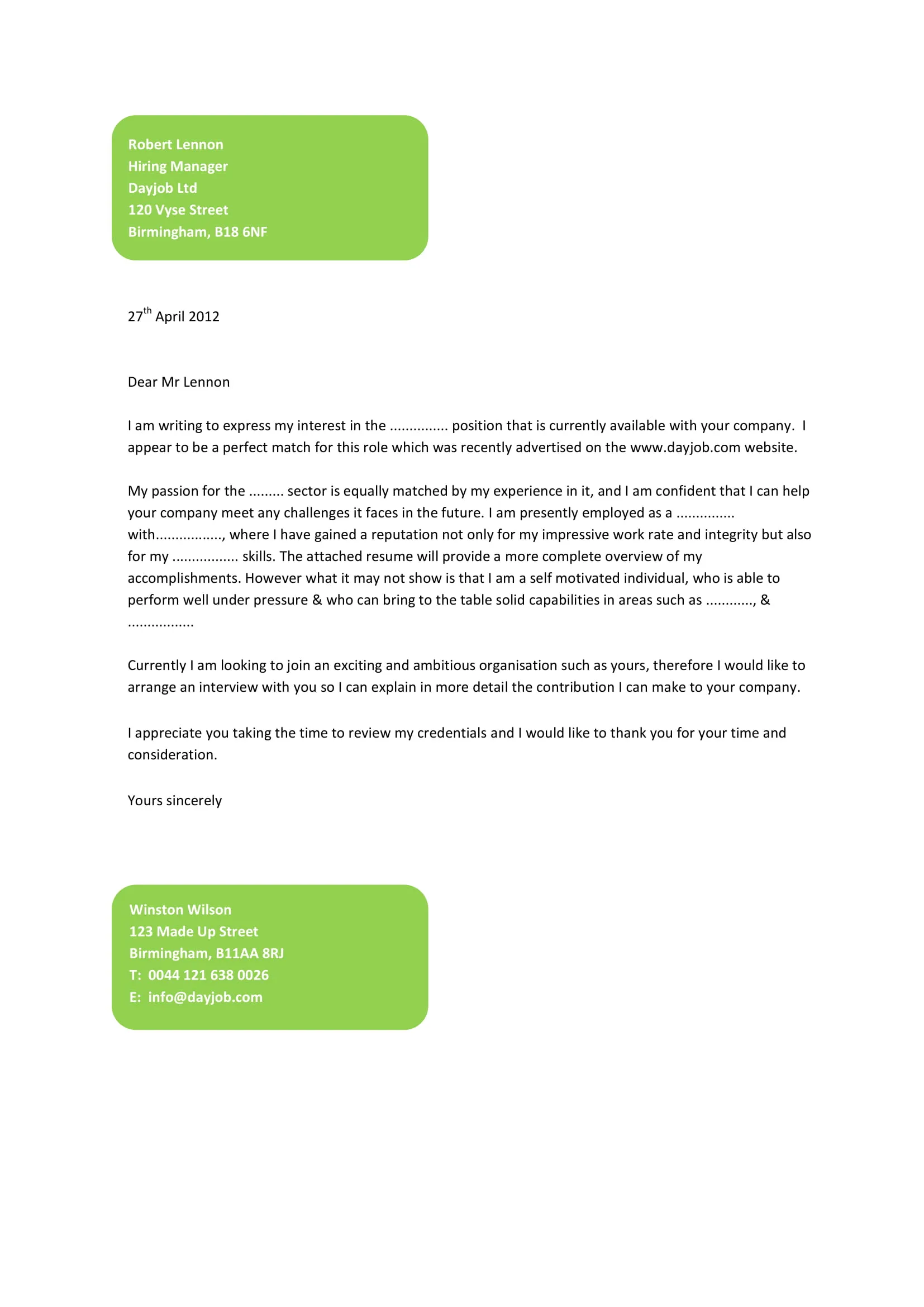
A cover letter template serves as a foundational document, offering a pre-structured framework for crafting personalized cover letters. These templates provide a basic layout, including sections for contact information, salutations, body paragraphs, and a closing. Using a cover letter template is a significant time-saver, allowing job seekers to focus on tailoring their content to the specific job and company instead of starting from scratch. Effective templates incorporate key elements like highlighting skills, expressing enthusiasm, and providing a clear call to action. They are adaptable to various industries and job levels, with different styles available to suit different professional situations. By using a template, you ensure you don’t miss crucial components of a successful cover letter, ultimately increasing your chances of making a positive impression on hiring managers and securing an interview.
Elements of a Good Cover Letter Template
A well-designed cover letter template includes several crucial elements. Firstly, it should have a clear and concise structure. This includes sections for contact information, a professional salutation, compelling opening paragraph, well-structured body paragraphs, and a strong closing. It must be easy to read and visually appealing, with a clean font, appropriate margins, and consistent formatting. The template should offer prompts or placeholders to guide the user in customizing content. This often involves sections for highlighting skills and experience, showcasing achievements with quantifiable results, and demonstrating enthusiasm for the role and company. Finally, the template should incorporate a call to action, prompting the reader to take the next step, such as scheduling an interview. Properly incorporating these elements ensures that the template is versatile and capable of helping job seekers create impactful cover letters that get noticed.
Contact Information

The contact information section is typically found at the top of your cover letter. It should include your full name, address, phone number, and professional email address. Make sure all details are current and accurate. The font should match the rest of your cover letter. It is also helpful to include the date you are sending the letter. This section is crucial, as it enables the employer to easily reach you. If applying online, ensure the email address is professional. Double-check for any typos or errors, as incorrect contact information can lead to missed opportunities. Some cover letter templates also include a place for your social media links such as LinkedIn, if applicable, allowing potential employers to learn more about your professional profile.
Salutation
The salutation sets the tone of your cover letter. Aim to address the hiring manager by name whenever possible. Research the company and role to find out who is responsible for hiring. If a specific name isn’t available, use a professional greeting, such as ‘Dear Hiring Manager.’ Avoid generic greetings like ‘To Whom It May Concern’ or ‘Dear Sir/Madam.’ Using a name shows that you’ve done your research and are genuinely interested in the position. The tone should be formal yet friendly. After the salutation, it’s important to use a colon. This initial interaction establishes a level of respect and professionalism, which is critical to capturing a reader’s attention from the get-go. The correct salutation can immediately set you apart from other candidates.
Opening Paragraph
The opening paragraph is your chance to make a strong first impression. Begin by stating the position you’re applying for and where you found the job posting. Immediately grab the reader’s attention by briefly mentioning your most relevant skills or experiences, showing why you’re a great fit. Demonstrate your knowledge of the company and show genuine interest in the role. Avoid generic phrases or clichés. Instead, write a concise statement showing your understanding of the company’s goals and how your skills align. Your goal here is to intrigue the reader and encourage them to continue reading. Make sure to tailor this opening paragraph to each specific job application, showing that you have taken the time to research the company and understand their needs.
Body Paragraphs

The body paragraphs are where you elaborate on your skills, experience, and qualifications. Each paragraph should focus on a specific aspect of your background relevant to the job description. Use the STAR method (Situation, Task, Action, Result) to describe your accomplishments, providing concrete examples of your achievements and their impact. Quantify your results whenever possible to demonstrate the value you brought to previous roles. Tailor these paragraphs to match the job requirements, addressing the specific skills and qualifications listed in the job posting. Make sure to use keywords from the job description, but avoid keyword stuffing; write naturally. Keep the language concise and focused. Aim to create a narrative that clearly illustrates your suitability for the role and your potential to succeed in the position.
Highlighting Skills and Experience
In the body paragraphs, focus on highlighting your relevant skills and experience. Examine the job description carefully and identify the key requirements. Then, explain how your skills and experiences align with these requirements. Use action verbs to describe your responsibilities and accomplishments. Provide specific examples to demonstrate your proficiency. Include both hard skills (technical abilities) and soft skills (interpersonal and communication abilities). Illustrate how you have used your skills to achieve positive results in previous roles. When describing your experience, emphasize the impact you made in past positions. This showcases your understanding of the job requirements and your potential to excel in the role. Aligning your experiences with the job description proves you’re an ideal fit for the company and the role.
Showcasing Achievements
Showcasing achievements involves providing concrete examples of your accomplishments. Use the STAR method to structure your responses, detailing the situation, the task, your actions, and the results. Focus on quantifiable results whenever possible; include data or statistics to illustrate your impact. For example, mention how you increased sales by a specific percentage or reduced costs. Highlight any awards, promotions, or positive feedback you received. Make sure to tailor your examples to the job requirements, focusing on achievements that align with the skills and experiences sought by the employer. This section is critical because it provides tangible proof of your abilities. Highlighting achievements provides real-world evidence of your skills and your potential to make a positive contribution to the company. By showcasing your past accomplishments, you demonstrate that you are a high-performing candidate.
Expressing Enthusiasm

Expressing enthusiasm is a key element of a successful cover letter. It involves demonstrating your genuine interest in the role, the company, and the industry. Mention why you are excited about the specific opportunity. Show that you have researched the company and understand its values, mission, and recent achievements. Share how your personal and professional goals align with the company’s. Expressing your enthusiasm makes you more memorable and demonstrates your commitment to the opportunity. It helps the hiring manager see your passion and drive. Your enthusiasm can set you apart from other candidates. It helps you create a positive and engaging tone throughout the letter, making the reader more interested in your application.
Closing Paragraph
The closing paragraph should summarize your key qualifications and reiterate your interest in the position. Thank the hiring manager for their time and consideration. Reiterate your excitement about the opportunity. Avoid simply repeating what you have already written. Instead, use the closing paragraph to reinforce your value proposition. Briefly summarize your qualifications and make a final statement on why you are a good fit for the role. Express your eagerness to discuss your application further. Ensure that the tone is professional and enthusiastic. A well-crafted closing can leave a lasting positive impression. This solidifies your value and makes a lasting impression.
Call to Action
The call to action prompts the reader to take the next step. State your availability for an interview and include your contact information. Make it clear that you are looking forward to hearing from them. You can include a statement, such as ‘I am eager to discuss how my skills and experience can benefit your team. I am available for an interview at your earliest convenience.’ Ensure your contact information is included, making it easy for the hiring manager to get in touch. This final step encourages the employer to move your application forward. A clear call to action keeps the hiring process moving forward. This step is essential for making it easy for the hiring manager to take the next step, and for ensuring that your application does not end without a follow-up.
Formatting and Style Tips

Formatting and style are essential for creating a professional-looking cover letter. Use a readable font, such as Arial, Times New Roman, or Calibri, and maintain a font size between 10 and 12 points. Ensure that your cover letter is well-organized. Use consistent spacing and formatting throughout, making sure the text is easy to follow. Maintain a single-spaced format. Use appropriate margins (1 inch on all sides) and use left alignment. Proofread your cover letter carefully for spelling, grammar, and punctuation errors. Ensure the language is professional and concise. Avoid using jargon, slang, or overly complex sentences. A well-formatted cover letter shows attention to detail and professionalism, increasing your chances of success.
Font Selection
Choose a professional and easy-to-read font for your cover letter. Select a font that is widely available and doesn’t create compatibility issues when opening it on different devices. Common choices include Arial, Calibri, and Times New Roman. Ensure the font is consistent throughout your cover letter. Avoid using overly stylized or decorative fonts. The goal is to make your cover letter look clean and professional. The selected font should convey a sense of professionalism and clarity, which is especially important in the application process. The font choice influences readability, so a clear font improves the reader’s ability to focus on your content. Stick to standard fonts to ensure your cover letter is easily accessible.
Margins and Spacing
Setting appropriate margins and spacing improves readability and overall appearance. Use standard 1-inch margins on all sides of your cover letter. These margins provide space around the text, making the document visually appealing. Utilize single-spacing between lines of text. Add a blank line between paragraphs. This separation helps break up the text and makes it easier for the reader to digest the content. Consistent formatting makes your cover letter look polished. Properly formatted margins and spacing create a professional and visually appealing document. They also ensure the letter is not cramped. This approach will ensure the reader can easily follow your writing and focus on its content.
Proofreading and Editing

Proofreading and editing are critical steps. Always review your cover letter for spelling, grammar, and punctuation errors. Even small errors can create a negative impression. Use a spell-checker tool, but don’t rely on it entirely; the tools can miss errors. Read your cover letter multiple times. Read it aloud to catch any awkward phrasing or sentence structures. Ask a friend or colleague to proofread it as a second set of eyes. Ensure your contact information is accurate. Make sure your cover letter is tailored to each job you apply for. Proofreading shows attention to detail and ensures a positive impression, which is important for any application. Carefully editing your cover letter helps to ensure clarity, accuracy, and professionalism.
Different Types of Cover Letter Templates
There are various cover letter templates, each designed for different job search scenarios. Choosing the correct template can make a significant difference in your application. Common types include entry-level, professional, and industry-specific templates. Entry-level templates are ideal for recent graduates or individuals with limited professional experience. They highlight academic achievements, internships, and relevant coursework. Professional templates are suitable for experienced professionals. They emphasize skills, achievements, and career progression. Industry-specific templates are tailored to specific fields, such as marketing, healthcare, or engineering. These templates incorporate industry-specific keywords and format. Selecting the appropriate template is essential for tailoring your cover letter to the job. Using the right template makes your application more impactful.
Entry-Level Cover Letter Template
An entry-level cover letter template is designed for individuals with limited professional experience, such as recent graduates or those just starting their careers. Focus on your academic achievements, relevant coursework, and internships. Highlight any volunteer work or extracurricular activities that demonstrate skills like leadership, teamwork, and communication. If you have no direct experience, emphasize your transferable skills and eagerness to learn. Showcase your skills and passion for the role and industry. Be sure to tailor this template to the specific job and company. These templates help to highlight your potential and enthusiasm. Emphasize your willingness to learn and contribute. Demonstrate any relevant skills, even if they come from non-professional experiences.
Professional Cover Letter Template

A professional cover letter template is tailored for experienced professionals. It focuses on showcasing your career progression, skills, and accomplishments. Provide a clear overview of your work history and the value you bring to an employer. Highlight your achievements and quantify your results, using metrics to illustrate your impact. Tailor your cover letter to the specific job posting. Showcase your relevant skills and experiences. This template emphasizes your ability to handle the responsibilities and expectations. Use action verbs to describe your accomplishments and responsibilities. This type of template is designed to underscore your ability to deliver results.
Cover Letter for Specific Industries
Industry-specific cover letter templates are tailored to specific fields, such as marketing, healthcare, or engineering. These templates incorporate industry-specific keywords and formatting. They ensure your cover letter aligns with the industry’s standards and expectations. When using an industry-specific template, research the common practices and expectations within that field. Highlight relevant skills, certifications, and experience that are highly valued in that industry. Customize the template by aligning it with the job description and the company’s values. These templates are useful because they help you create a cover letter that resonates with hiring managers in that particular industry. They help you present yourself most effectively. Use industry-specific language to reflect your understanding of that field.
Cover Letter Template Tools and Resources
Various tools and resources are available to help you create cover letters. These tools offer pre-designed templates, customizable options, and expert guidance. They can save you time and ensure your cover letter is well-structured and formatted. Popular resources include online cover letter builders and websites providing free or premium templates. Using these tools, you can easily create a professional cover letter. Templates and builders include features for automatically formatting the content, allowing you to focus on the writing. These tools provide guidance and suggestions to enhance your cover letter. The right resources make it easier to get started and to create a document that stands out.
Online Cover Letter Builders

Online cover letter builders are user-friendly tools to create professional cover letters. These builders provide step-by-step guidance, helping you input your information and customize your letter. They offer a variety of templates. The builders offer the option of pre-written content. They provide suggestions to optimize your content. Many builders also offer features to format and download your cover letter in various formats. Using an online cover letter builder is an easy way to create a well-formatted and tailored cover letter. It eliminates the need to start from scratch. The best builders provide guidance and flexibility, making it easy to write cover letters, whether for entry-level positions or more senior roles.
Template Websites
Template websites provide a wide variety of cover letter templates. They provide both free and premium options. You can find templates tailored to different industries, job levels, and writing styles. Browse the site to find a template that best suits your needs. These websites often provide tips and advice. You can also find information about formatting, content, and style. Many websites allow you to download templates in various formats, such as Word or PDF. Using a template website gives you access to various designs. Choose a template that suits your preferences and professional image. Select a template that matches the job you are applying for. This provides a starting point that is both professional and appealing.
Cover Letter Template Best Practices
Following best practices helps you create a compelling and effective cover letter. Tailor your cover letter to each specific job. Highlight relevant skills and experiences from the job description. Use action verbs to describe your accomplishments. Quantify your results whenever possible to demonstrate your impact. Proofread carefully for any errors in grammar or spelling. Maintain a professional tone. Write concisely and focus on the most relevant information. Show enthusiasm for the role and the company. Customize your cover letter. This is the key to a compelling application. By following these best practices, you will make a great impression on hiring managers.
- Tailor each cover letter to the specific job and company.
- Use action verbs to describe your accomplishments.
- Quantify your achievements whenever possible.
- Proofread carefully for errors.
- Maintain a professional and enthusiastic tone.