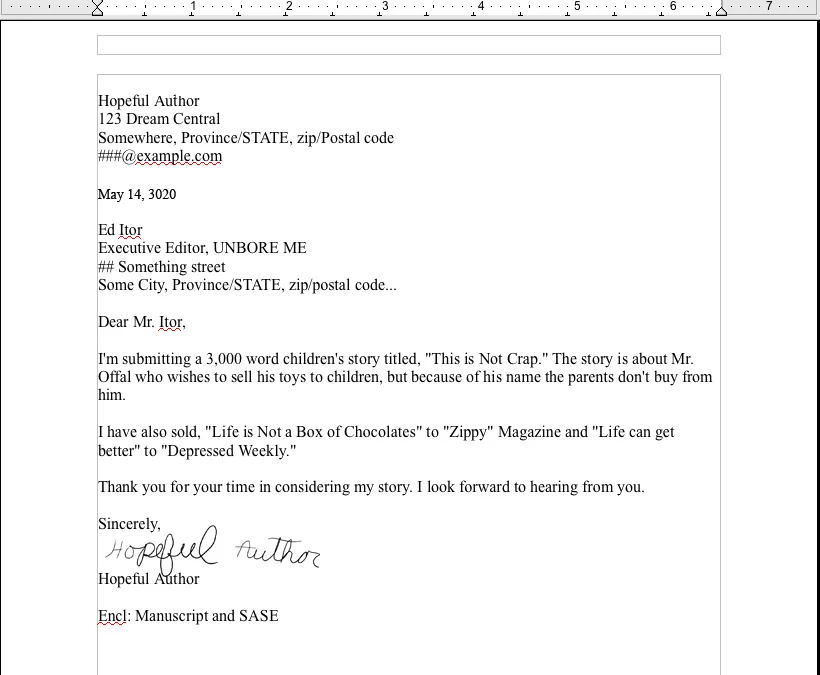
What is Storytelling in a Cover Letter
Storytelling in a cover letter transforms a simple document into a captivating narrative that showcases your skills and experiences, setting you apart from other applicants. Rather than just listing your qualifications, you weave a compelling story that highlights how your past achievements align with the job requirements and the company’s values. This approach provides context to your skills, making them more memorable and illustrating your personality and passion for the role. A well-crafted story shows potential employers not just what you’ve done, but also how you’ve done it and the impact you’ve made. It’s about connecting with the reader on a human level, leaving a lasting impression that goes beyond the standard resume points.
The Purpose of Storytelling in Cover Letters
The primary purpose of storytelling in cover letters is to create a memorable impression and demonstrate your value beyond what your resume states. It allows you to connect with the hiring manager on a deeper level by providing context to your skills and experiences. This approach helps you stand out by showcasing your personality, passion, and how you approach challenges. A well-told story will explain not just what you did, but also why you did it, and the positive impact of your actions. Moreover, storytelling gives you the opportunity to address gaps in your resume or explain career transitions in a way that’s both transparent and compelling, which highlights your suitability for the position and the culture of the company.
Highlighting Your Achievements
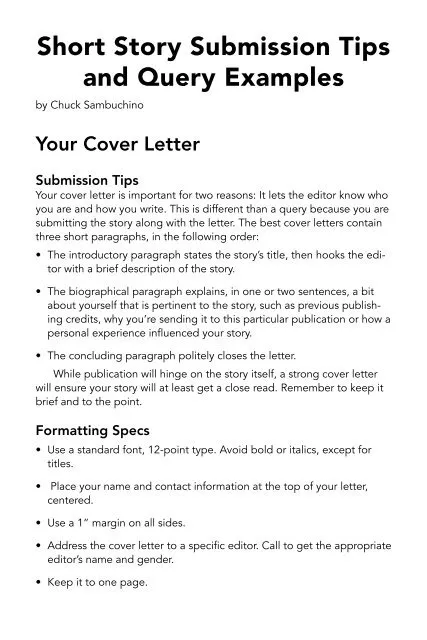
Focusing on your accomplishments is a cornerstone of effective cover letter storytelling. Instead of simply listing your responsibilities, provide specific examples of your achievements and the results you delivered. For instance, instead of saying “Managed social media accounts,” you might say, “Increased social media engagement by 40% in six months by implementing a new content strategy.” Quantify your achievements whenever possible, using numbers and data to demonstrate the impact of your work. This approach not only showcases your skills but also gives potential employers a clear understanding of your value. By framing your experiences as stories of success, you highlight your ability to solve problems, drive results, and contribute to the company’s goals, which is more engaging and impactful than a simple list of duties.
Show Don’t Tell
The principle of ‘show, don’t tell’ is crucial in cover letter storytelling. Instead of stating that you are a ’team player,’ share a specific anecdote that demonstrates your ability to collaborate effectively. For example, rather than saying “I am a good communicator,” describe a situation where you successfully mediated a conflict between team members, leading to a positive outcome. This method allows the hiring manager to witness your skills and understand your capabilities through your actions and experiences. By providing detailed examples of your performance, you create a more vivid and convincing picture of your abilities. This not only validates your claims but also makes your cover letter more engaging and memorable.
Crafting Your Cover Letter Story
Crafting a compelling cover letter story requires careful planning and a strategic approach. It’s about selecting the most relevant experiences that align with the job description and the company’s values. Start by identifying key skills and requirements mentioned in the job posting. Then, brainstorm instances from your professional or educational background where you demonstrated these skills. These experiences should be described in a narrative format, which makes your application stand out and keeps the reader engaged. Structuring your story with a clear beginning, middle, and end, helps to create a logical flow and makes it easier for the hiring manager to follow your narrative, demonstrating your potential for success.
Understanding Your Audience

Before you begin writing, it is critical to understand your audience. Research the company’s culture, values, and mission to ensure your story resonates with their specific needs and priorities. Tailor your cover letter to align with their expectations. Consider the type of role you are applying for and what the hiring manager might be looking for in a candidate. A cover letter for a creative role may have a different tone and structure than one for a more technical position. By showing that you understand their needs, you can highlight the aspects of your experiences and skills that are most relevant. Personalizing your cover letter demonstrates initiative, attention to detail, and genuine interest in the opportunity.
Identify Your Key Skills
Identify the key skills and experiences that make you a strong fit for the job. Review the job description carefully and pinpoint the most important qualifications. These might include specific technical abilities, project management experience, leadership skills, or even soft skills like communication and problem-solving. Once you have identified these crucial skills, find relevant examples from your past where you’ve successfully demonstrated them. Focus on situations where you’ve used these skills to achieve positive outcomes. Make sure the examples are clear, concise, and directly related to the job requirements. Emphasizing these skills, along with quantifiable results, makes your cover letter more relevant and persuasive.
Structuring Your Story
Structuring your story helps create a clear and engaging narrative. A well-structured story ensures that your experiences are presented logically and that your key skills are effectively highlighted. Using a basic narrative framework is an excellent starting point for any cover letter storytelling. It can help you create a memorable impression and showcase your value in an easy-to-follow format. It’s important to stay concise and focus on the impact of your actions.
The Beginning

The beginning of your story sets the stage and captures the reader’s attention. Start by clearly stating the position you are applying for and how you learned about the opportunity. Briefly introduce yourself and highlight your most relevant qualifications or the key aspect of your experience that aligns with the job requirements. This is your chance to make a strong first impression. Keep it brief, intriguing, and directly relevant to the job. Create a sense of curiosity and set the tone for the rest of your story. Use a hook, such as a brief anecdote or a compelling statement, to draw the reader in and make them want to learn more.
The Middle
The middle of your cover letter is where you tell the main part of your story. This is where you present specific examples of your skills and experiences, focusing on the actions you took, the challenges you faced, and the positive results you achieved. Describe the situation or problem, explain your actions, and detail the outcome. Make sure to include quantifiable results whenever possible. For example, instead of stating “improved customer satisfaction,” provide details such as “increased customer satisfaction scores by 20%.” Ensure that each paragraph connects back to the job requirements and demonstrates your ability to perform the essential tasks. Use strong verbs and vivid language to bring your narrative to life.
The End
The end of your cover letter is the opportunity to summarize your key skills and restate your interest in the role. Reiterate how your experiences and abilities align with the job requirements and the company’s goals. Briefly mention what you hope to bring to the position and express your enthusiasm for the opportunity. Include a call to action, such as expressing your availability for an interview and thanking the hiring manager for their time and consideration. Make sure your conclusion is concise, professional, and leaves a lasting positive impression.
Adding Personal Anecdotes

Adding personal anecdotes can make your cover letter more memorable and help you connect with the hiring manager on a deeper level. Personal anecdotes add a human touch to your application, and make you more relatable to the reader. Choose stories that are relevant to the job and demonstrate your personality and skills. Start with a brief setup, then describe the situation and how you responded, highlighting the positive outcomes of your actions. Avoid stories that are too lengthy or unrelated to the job. Be genuine and authentic, and focus on demonstrating your skills, work ethic, and enthusiasm for the position. Personal anecdotes not only highlight your experiences but also show how you approach challenges and your ability to succeed.
Tips for Effective Storytelling
Writing a compelling cover letter requires attention to detail and a thoughtful approach to storytelling. The goal is to make your cover letter not just informative, but also memorable. By following these tips, you can craft a narrative that captures attention and showcases your value.
Use Strong Verbs
Using strong verbs is an effective way to create a more engaging and dynamic cover letter. Strong verbs add energy and impact to your writing. Instead of using passive phrases, use active verbs that show action and results. For example, instead of “Was responsible for,” use “Managed,” “Led,” or “Developed.” This makes your cover letter more direct and helps the hiring manager visualize your contributions. Avoid generic verbs like “did” or “helped”. Replace them with more descriptive alternatives, showcasing your skills. Using strong verbs makes your sentences more concise and highlights your accomplishments in a way that’s both professional and memorable.
Keep it Concise

Cover letters should be concise, which means getting to the point quickly without unnecessary details. Hiring managers often have many applications to review, so it is important to respect their time by keeping your cover letter focused and brief. Aim for one page in length, making every word count. Avoid excessive jargon, lengthy sentences, and irrelevant information. Focus on the most relevant experiences and skills. Break up large blocks of text into short paragraphs, and use bullet points to highlight key achievements. Keep the tone professional and respectful. Ensure that the most important aspects of your qualifications are easily accessible to the reader.
Proofread Carefully
Proofreading is an essential step in writing any cover letter. Take the time to carefully review your cover letter for any spelling, grammar, or punctuation errors before submitting it. Typos and grammatical errors can damage your credibility and give the impression that you lack attention to detail. Read your cover letter aloud, or have a friend or family member proofread it. Use a grammar checker to identify any potential mistakes you might have missed. Double-check that you have used the correct company name, job title, and the name of the hiring manager. A polished cover letter shows that you are professional and committed to the job. It also leaves a positive lasting impression, which increases your chances of success.
Cover Letter Storytelling Mistakes to Avoid
There are several common mistakes to avoid when storytelling in cover letters. Recognizing these errors can improve the effectiveness of your application and increase your chances of landing an interview. By being mindful of these pitfalls, you can improve the overall quality of your application and showcase your qualifications.
- Writing a generic cover letter.
- Telling a story that is not relevant.
- Focusing too much on yourself.
- Using overly complex language.
- Making the story too long or rambling.
- Ignoring the job description.
- Forgetting to proofread.
- Not tailoring the cover letter to the company.