Cover Letter Secrets
Crafting a compelling cover letter can be the key to unlocking your dream job. It is your initial introduction to a potential employer, a chance to make a strong first impression and showcase why you are the perfect fit for the role. A well-written cover letter can significantly increase your chances of landing an interview, while a poorly written one can quickly lead to your application being overlooked. This guide unveils the top seven secrets to writing a cover letter that grabs attention and secures your spot in the interview pile. Each tip is designed to help you create a document that not only highlights your skills and experience but also demonstrates your genuine interest in the company and the specific position. Prepare to transform your job application process and elevate your career prospects.
Understand the Purpose
The fundamental secret of a successful cover letter is understanding its purpose. It’s not simply a repetition of your resume; instead, it’s an opportunity to provide context, personality, and a narrative that connects your qualifications to the job requirements. The cover letter should explain why you’re interested in this particular role and company, how your skills and experiences align with their needs, and what unique value you bring to the table. Think of it as your personal marketing document, designed to persuade the hiring manager that you are the best candidate. Recognizing this core function is the first step towards crafting a cover letter that truly stands out and effectively advocates for your candidacy. By understanding the purpose, you can ensure every sentence contributes to a cohesive and convincing argument for why you should be hired.
Highlight Your Key Skills and Experience

Your cover letter should spotlight your most relevant skills and experiences. Don’t list everything; instead, select the experiences and skills that directly address the job description. Identify the key requirements listed in the job posting and then explicitly demonstrate how your past experiences have prepared you to meet those needs. This section should provide specific examples of how you have used your skills to achieve positive outcomes in previous roles. When discussing your experience, use strong action verbs to describe what you did and the results you achieved. This section isn’t just about what you’ve done but what you’ve accomplished and how it relates to the needs of the employer. By prioritizing the most pertinent information, you make it easy for the hiring manager to see the direct value you offer.
Tailor Your Letter to Each Job
One of the biggest mistakes job seekers make is using a generic cover letter for every application. Each cover letter must be tailored to the specific job and company. This demonstrates that you’ve taken the time to understand the role and the organization, showing your genuine interest and attention to detail. Begin by carefully reading the job description and identifying the key skills and qualifications the employer is seeking. Then, use your cover letter to directly address these requirements, providing examples from your experience that illustrate how you meet them. Furthermore, personalize your letter by mentioning something specific about the company that appeals to you. This could be their mission, a recent project, or a value they uphold. Showing that you’ve done your research proves your commitment and increases your chances of making a positive impression. Avoid a template cover letter and treat each application as a new opportunity to showcase why you’re the ideal fit.
Research the Company and Role
Before you start writing, thorough research is essential. This includes understanding the company’s mission, values, recent news, and any specific projects or initiatives that align with the role you’re applying for. Explore the company website, social media profiles, and news articles to gather insights. This research will not only inform your cover letter but will also help you in your interview preparation. For the role, deeply understand the responsibilities, required skills, and the team’s dynamics. By integrating your research into your cover letter, you show a genuine interest in the company and demonstrate your proactive approach, greatly enhancing your application’s appeal and demonstrating that you are serious about the opportunity.
Use Action Verbs and Quantifiable Results

Instead of simply listing your responsibilities, use strong action verbs to describe what you did and how you achieved results. Words like ‘managed,’ ’led,’ ‘developed,’ ‘implemented,’ and ‘achieved’ paint a more vivid picture of your accomplishments. Whenever possible, include quantifiable results to support your claims. For example, instead of saying ‘Improved customer service,’ say ‘Improved customer satisfaction scores by 15% by implementing a new training program.’ Numbers provide concrete evidence of your achievements and make your cover letter more compelling. Quantifiable results provide potential employers with a clear understanding of your impact in previous roles. These details transform your cover letter from a passive list of tasks to an active demonstration of your abilities and contributions.
Show, Don’t Tell, with Examples
Avoid vague statements about your skills. Instead, provide specific examples that demonstrate how you’ve used these skills in practice. For instance, if you claim to be a strong communicator, describe a time when you effectively communicated a complex project to stakeholders, resulting in their understanding and approval. When demonstrating leadership, recount a time when you led a team to overcome a challenge, highlighting your actions and the outcome. These examples should be concise, illustrating the situation, your actions, and the results. Storytelling makes your cover letter more engaging and memorable, giving potential employers concrete evidence of your abilities. Concrete examples not only substantiate your claims but also allow the hiring manager to visualize you in the role, enhancing your candidacy.
Proofread and Edit Meticulously
This is arguably the most important secret. Your cover letter is a reflection of your professionalism and attention to detail. Errors in grammar, spelling, and punctuation can quickly eliminate you from consideration. After you finish writing, proofread your letter multiple times. Then, ask a friend, family member, or career counselor to review it as well. Fresh eyes can often catch errors that you may have missed. Pay close attention to sentence structure, word choice, and overall flow. A polished cover letter demonstrates that you take pride in your work and are committed to excellence. Never underestimate the impact of a well-proofread document. It can be the difference between landing the job and being overlooked.
Focus on Your Value Proposition

In your cover letter, clearly articulate the value you bring to the organization. This means identifying your key strengths, experiences, and how they align with the company’s needs and the job’s requirements. Think about what makes you stand out from other candidates. Is it your specific skills, your unique experience, or your ability to solve problems? Explain how you can contribute to the company’s goals and address their challenges. Use the cover letter as an opportunity to position yourself as the ideal solution to their needs. Highlighting your value proposition ensures that the hiring manager immediately understands the benefit of hiring you. Make it clear what you offer and how you will contribute to their success.
Keep it Concise and Professional
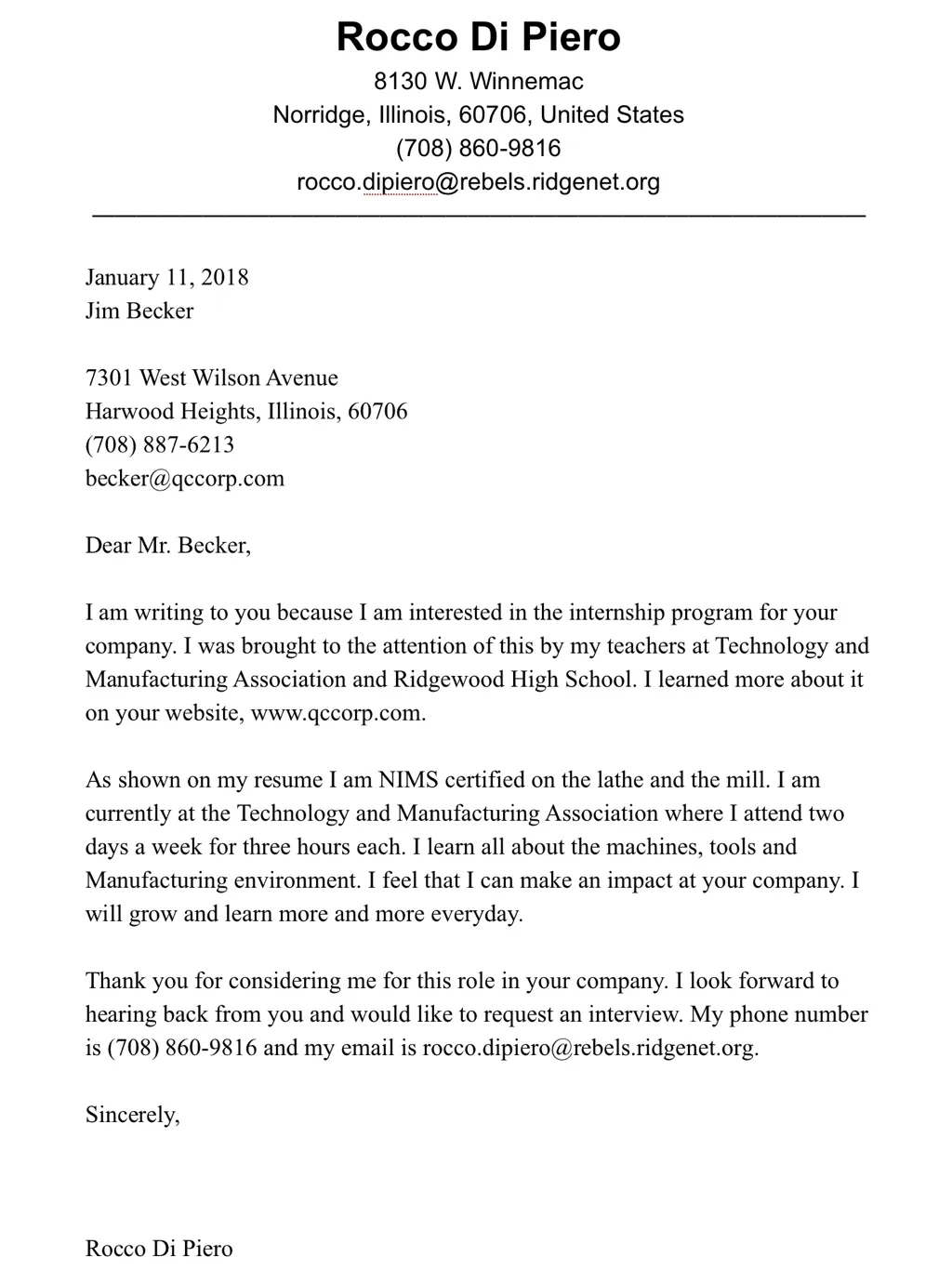
Keep your cover letter concise and to the point. Aim for a one-page document, focusing on the most relevant information. Use a professional tone and language, avoiding slang or overly casual expressions. Your cover letter should be easy to read and well-organized, with clear paragraphs and headings. Use a professional font like Arial or Times New Roman and maintain consistent formatting throughout the document. A well-structured and easily readable cover letter makes a positive impression. Ensure your message is clear, focused, and communicates your qualifications efficiently. Professional formatting demonstrates respect for the recipient and reflects well on your attention to detail.
Formatting and Design
The formatting and design of your cover letter contribute significantly to its overall impact. Choose a clean and professional font, such as Times New Roman or Arial, to ensure readability. Use appropriate spacing between paragraphs and avoid long blocks of text. A well-formatted cover letter is visually appealing and makes it easier for the reader to absorb the information. Use clear headings and bullet points to break up the text and highlight key information. Ensure your cover letter is easy to read and visually appealing. If you are submitting your application online, save your cover letter as a PDF file to preserve the formatting. The design should enhance readability and reinforce your professionalism.
Contact Information and Closing

Ensure your cover letter includes your contact information, including your full name, phone number, email address, and LinkedIn profile URL. This makes it easy for the hiring manager to reach you. In the closing paragraph, reiterate your interest in the position and the company. Thank the hiring manager for their time and consideration. Use a professional closing, such as ‘Sincerely’ or ‘Best regards,’ followed by your name. Consider adding a call to action, such as stating you look forward to hearing from them soon or inviting them to contact you with any questions. Properly formatting your contact details and closing creates a professional impression and makes it easy for the employer to reach out.