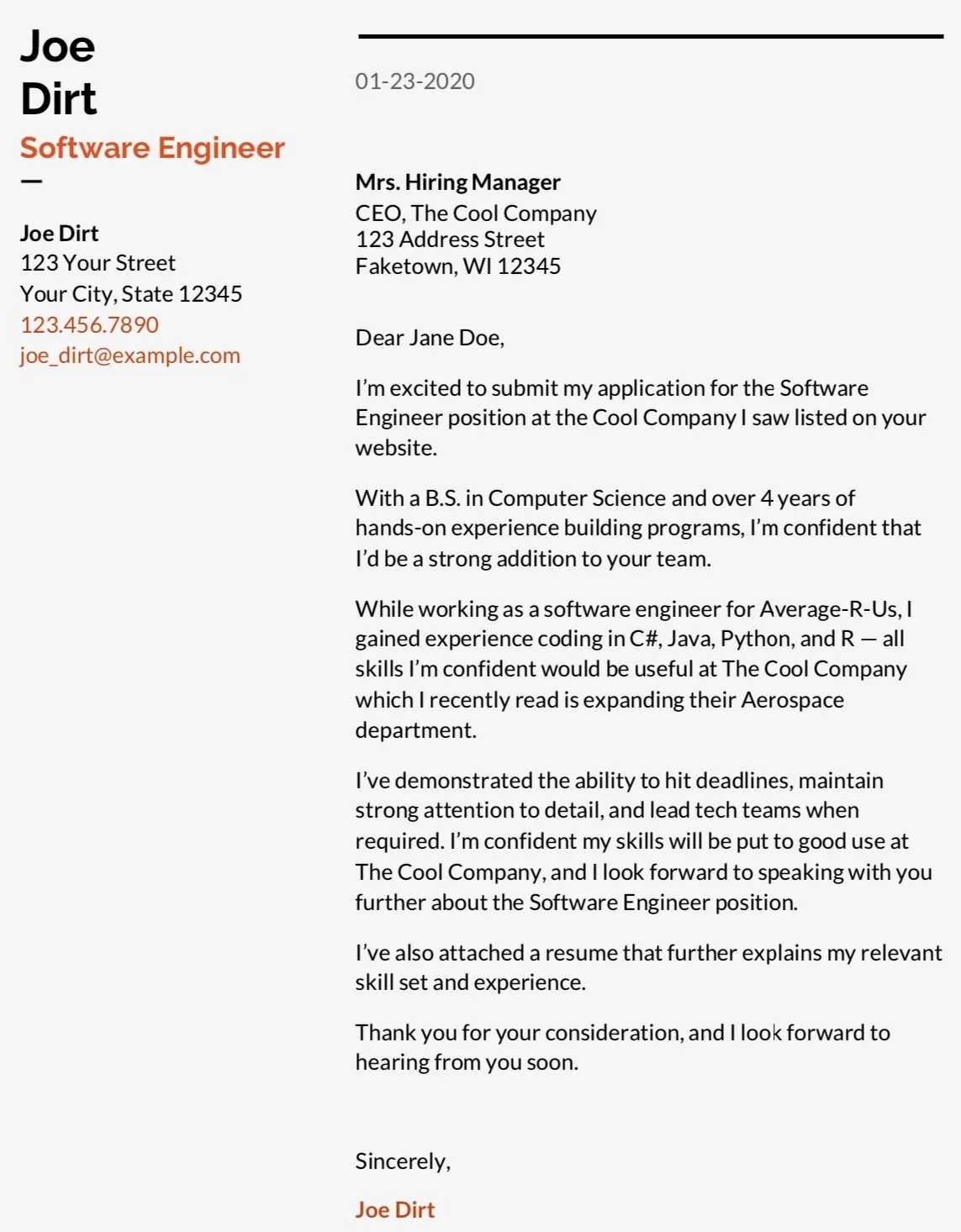
Why Cover Letters Matter Make a Great Impression
In the competitive world of job applications, a cover letter can be your secret weapon. It’s your first chance to make a lasting impression, going beyond the basic information in your resume. Think of it as your personal introduction, a way to showcase your personality, passion, and the unique value you bring to the table. While a resume provides a snapshot of your experience and skills, a cover letter gives you the space to tell a story, to connect with the hiring manager on a more personal level, and to demonstrate why you’re the perfect fit for the role. A well-crafted cover letter isn’t just a formality it’s a powerful tool that can significantly increase your chances of landing an interview.
Understanding Cover Letter Purpose
The primary purpose of a cover letter is to complement your resume and provide context to your application. It serves as an opportunity to elaborate on your skills, experiences, and career goals in a way that a resume, with its constraints, simply cannot. A cover letter allows you to express your enthusiasm for the specific job and the company, demonstrating that you’ve done your research and genuinely want to be a part of their team. Furthermore, it’s a chance to address any potential gaps or concerns in your resume, offering explanations and highlighting how your unique experiences make you a strong candidate. Ultimately, the goal is to persuade the hiring manager to read your resume and invite you for an interview.
Key Tips for Writing a Standout Cover Letter

Crafting a standout cover letter involves several key strategies. First, always tailor your letter to each specific job application. Generic cover letters rarely impress; instead, demonstrate your genuine interest by aligning your skills and experiences with the job requirements. Second, showcase your best qualities by highlighting relevant skills and accomplishments. Quantify your achievements whenever possible using numbers and data to demonstrate your impact. Third, express your passion for the role and the company. Show the hiring manager that you’re not just looking for any job, but that you’re genuinely excited about this specific opportunity. Finally, proofread meticulously. Errors and typos can undermine your credibility, so make sure your cover letter is polished and error-free.
Highlight Your Best Qualities
Identify the qualities that make you an ideal candidate. Think beyond basic skills and consider your work ethic, problem-solving abilities, and leadership potential. Provide concrete examples from your past experiences to support your claims. For instance, if you’re a strong communicator, describe a situation where you effectively conveyed information to a diverse audience, resulting in a positive outcome. If you’re a team player, share an instance where you collaborated with colleagues to achieve a common goal. Tailoring your qualities to the specific requirements of the job demonstrates your understanding of the role and your ability to contribute effectively.
Emphasize Relevant Skills and Experience
Focus on the skills and experiences that align directly with the job description. Review the job posting carefully and identify the key requirements. Then, use your cover letter to highlight how your past roles and accomplishments have prepared you to excel in the position. Provide specific examples of how you’ve used these skills to achieve results. For instance, if the job requires project management skills, describe a project you successfully managed, including the challenges you faced and the positive outcomes you achieved. This targeted approach demonstrates that you understand the role and possess the necessary qualifications.
Showcase Your Passion for the Role

Convey your genuine enthusiasm for the opportunity and the company. Research the company’s mission, values, and recent initiatives to demonstrate your interest. Mention specific aspects of the job that excite you and explain why you’re drawn to this particular role. Avoid generic statements and instead, show that you’ve taken the time to understand the company’s culture and the challenges it faces. This will make your application stand out and show that you are a motivated and engaged candidate. Your passion should be evident throughout your letter, from the opening statement to the closing paragraph.
Tailor Your Letter for Each Application
Avoid the temptation to use a generic cover letter for every job application. Instead, customize your letter to align with the specific requirements and expectations of each role. This involves modifying your letter to reflect the company’s values, the role’s responsibilities, and the skills mentioned in the job description. Showcasing your understanding of the company and your enthusiasm for the specific opportunity significantly increases your chances of making a positive impression. Customizing shows you’re serious about this opportunity, rather than just mass applying for any open position.
Research the Company and Job
Before you begin writing, conduct thorough research on the company and the specific job you’re applying for. Visit the company’s website, read news articles about them, and explore their social media profiles. This research will help you understand their mission, values, and recent projects. Use this information to tailor your cover letter, demonstrating that you understand the company’s goals and how you can contribute to their success. Researching the job description will also enable you to identify the key skills and experiences the employer is seeking, allowing you to highlight your relevant qualifications effectively.
Address the Hiring Manager by Name

Whenever possible, address your cover letter to the hiring manager by name. This personal touch shows that you’ve taken the time to identify the person responsible for reviewing applications. If the hiring manager’s name isn’t listed in the job posting, try to find it on the company website, LinkedIn, or by contacting the company’s HR department. If you cannot find a specific name, you can use a general greeting like “Dear Hiring Manager.” However, a personalized salutation is always preferable as it makes your letter more engaging and shows attention to detail.
Crafting a Compelling Opening
Your opening paragraph is critical. It’s your first opportunity to grab the hiring manager’s attention and make them want to read more. Avoid generic openings. Instead, craft an engaging introduction that highlights your enthusiasm for the role and the company. Consider starting with a brief anecdote, a relevant achievement, or a statement that captures the reader’s interest. The goal is to immediately convey your value proposition, explaining why you’re a strong candidate. The opening statement should be clear, concise, and tailored to the specific job. Demonstrate that you have done your research and are genuinely excited about the opportunity.
Grabbing the Reader’s Attention
To grab the reader’s attention, try starting with a compelling hook. This could be a brief story, a surprising statistic related to the company or industry, or a statement about a recent accomplishment that’s directly relevant to the job. Avoid clichés and generic introductions. Instead, aim for an opening that’s both professional and unique. This will make your cover letter stand out from the crowd, encouraging the hiring manager to continue reading. The opening paragraph is your chance to make a strong first impression, showcasing your personality and your genuine interest in the position.
Highlighting Key Achievements

Focus on your most significant achievements that align with the job requirements. Instead of simply listing your responsibilities, quantify your accomplishments with numbers and data to demonstrate your impact. For example, instead of saying you ‘managed social media,’ you might state ‘Increased social media engagement by 30% within six months by implementing new content strategies.’ Highlighting key achievements shows the hiring manager the value you bring to the table. Be concise and select achievements that are most relevant to the position you are applying for.
Using Action Verbs to Describe Accomplishments
Use strong action verbs to describe your accomplishments and make your cover letter more dynamic and engaging. Instead of using passive language, opt for active verbs that showcase your skills and contributions. Examples include ‘managed,’ ’led,’ ‘developed,’ ‘implemented,’ ‘achieved,’ and ‘increased.’ Action verbs make your letter more impactful and demonstrate that you’re a proactive and results-oriented individual. They provide a clear picture of what you’ve accomplished in previous roles. This will make your accomplishments stand out.
Structuring Your Letter for Maximum Impact
A well-structured cover letter ensures your message is clear, concise, and easy to follow. Start with a strong opening that grabs the reader’s attention, followed by a body that highlights your skills, experience, and passion. Conclude with a clear call to action, expressing your interest in an interview and thanking the reader for their time. Each paragraph should focus on a specific point, and the overall tone should be professional and enthusiastic. This structure makes it easier for the hiring manager to quickly grasp your key qualifications and understand why you’re a good fit for the job.
The Art of Conciseness

Keep your cover letter concise and focused, aiming for one page at most. Hiring managers are busy, so it’s important to get straight to the point. Avoid unnecessary details or jargon. Every sentence should contribute to the overall message and clearly demonstrate your value. Focus on the most relevant information and tailor your letter to the specific job. By being concise, you show respect for the hiring manager’s time and increase the likelihood that they will read your entire letter.
Formatting for Readability
Good formatting is essential for making your cover letter easy to read. Use a clear and professional font, such as Arial or Times New Roman, in a standard size (11-12 points). Ensure consistent spacing and margins. Use bullet points to highlight key accomplishments and keep paragraphs concise. Proper formatting helps the hiring manager quickly scan your letter and identify the most important information. Proofread your letter carefully to catch any formatting inconsistencies or errors. Good formatting makes a great impression.
Creating a Strong Call to Action
End your cover letter with a strong call to action. This is where you clearly state your interest in the position and express your availability for an interview. Thank the hiring manager for their time and consideration. You can also reiterate your enthusiasm for the opportunity and how your skills align with the company’s needs. Make it clear that you are eager to discuss your qualifications further and look forward to the opportunity to learn more about the position and the company. This final touch leaves a lasting impression.
Expressing Your Enthusiasm

Convey your genuine enthusiasm for the opportunity. Demonstrate that you are truly interested in the role and the company. Show the hiring manager why you are excited about this specific opportunity. Mentioning specific aspects of the job that appeal to you or how your career goals align with the company’s mission can be very effective. This genuine enthusiasm can set you apart. Your cover letter should be filled with passion, showing that you’re eager to contribute to the company’s success.
Adding a Compelling Closing Statement
Your closing statement should summarize your key qualifications and reiterate your interest in the position. Thank the hiring manager for their time and consideration, and express your eagerness to discuss your application further. Avoid generic closing statements and instead, tailor your closing to the specific role and the company. A strong closing statement leaves a lasting impression and encourages the hiring manager to take the next step – inviting you for an interview. Reiterate how you are the perfect fit for the role.
Essential Cover Letter Formatting
Proper formatting enhances readability and professionalism. Use a standard business letter format, including your contact information, the date, and the hiring manager’s information. Choose a professional font like Times New Roman or Arial, and use a font size between 11 and 12 points. Keep the spacing consistent. Use one-inch margins on all sides. This consistent layout presents your letter in a clean and easy-to-read manner. The right formatting makes a strong visual impression.
Font and Layout Considerations
Selecting the right font and layout is crucial for a professional cover letter. Choose a clear, easy-to-read font. The standard font is Times New Roman or Arial, at a size of 11 or 12 points. Make sure your text is properly aligned and spaced. Use one-inch margins, and space between paragraphs and sections. A well-structured layout helps the hiring manager easily read and understand your letter. Proper formatting makes a great impression.
Proofreading and Editing Checklist
Always proofread your cover letter meticulously. Check for grammatical errors, spelling mistakes, and punctuation errors. Ensure that your sentences are clear and concise. Read your letter out loud to catch any awkward phrasing. Have a friend or career advisor review your letter for feedback. A polished, error-free cover letter reflects attention to detail and professionalism. Thorough proofreading and editing can make all the difference in getting your application noticed and securing an interview.
Mistakes to Avoid in Your Cover Letter
Avoiding common mistakes can significantly improve your cover letter. Avoid generic content. Don’t just rehash your resume. Instead, use the cover letter to tell a story and highlight your unique value proposition. Avoid typos. A cover letter filled with errors immediately reflects poorly on your attention to detail. Don’t exceed one page. Keep your cover letter concise and to the point. Avoiding these common mistakes shows the hiring manager that you take your application seriously.
Common Cover Letter Blunders
Be aware of the common blunders that can undermine your application. These include using generic language, focusing too much on yourself rather than the employer’s needs, and failing to tailor your letter to the specific job. Another common mistake is a lack of enthusiasm or passion. Ensure that your cover letter is free of errors and typos, and demonstrates the value you bring. Avoiding these errors will help you showcase your professionalism and genuine interest in the position.
How to Avoid Clichés
Avoid using overused phrases that make your cover letter sound generic. Clichés include statements such as ‘I am a team player’ or ‘I am a hard worker.’ Instead, use specific examples that showcase these qualities. Focus on your unique accomplishments and demonstrate how your skills and experiences align with the job requirements. Replace clichés with concrete achievements and original language to make your cover letter stand out and leave a lasting impression.
The Impact of a Well-Written Cover Letter
A well-written cover letter can significantly increase your chances of getting hired. It allows you to make a strong first impression, showcase your personality, and demonstrate your enthusiasm for the job and the company. It provides an opportunity to elaborate on your skills and experience, making you stand out from other applicants. By tailoring your letter to the specific job and avoiding common mistakes, you increase the likelihood of securing an interview and moving closer to your career goals.
Increasing Your Chances of Getting Hired
To increase your chances of getting hired, focus on these key strategies. First, craft a compelling cover letter tailored to each job application. Research the company and show your genuine interest in the role. Highlight your relevant skills, experience, and achievements using action verbs and quantifying results. Proofread your letter meticulously to eliminate errors. By following these guidelines, you’ll significantly boost your chances of securing an interview and ultimately, landing the job.