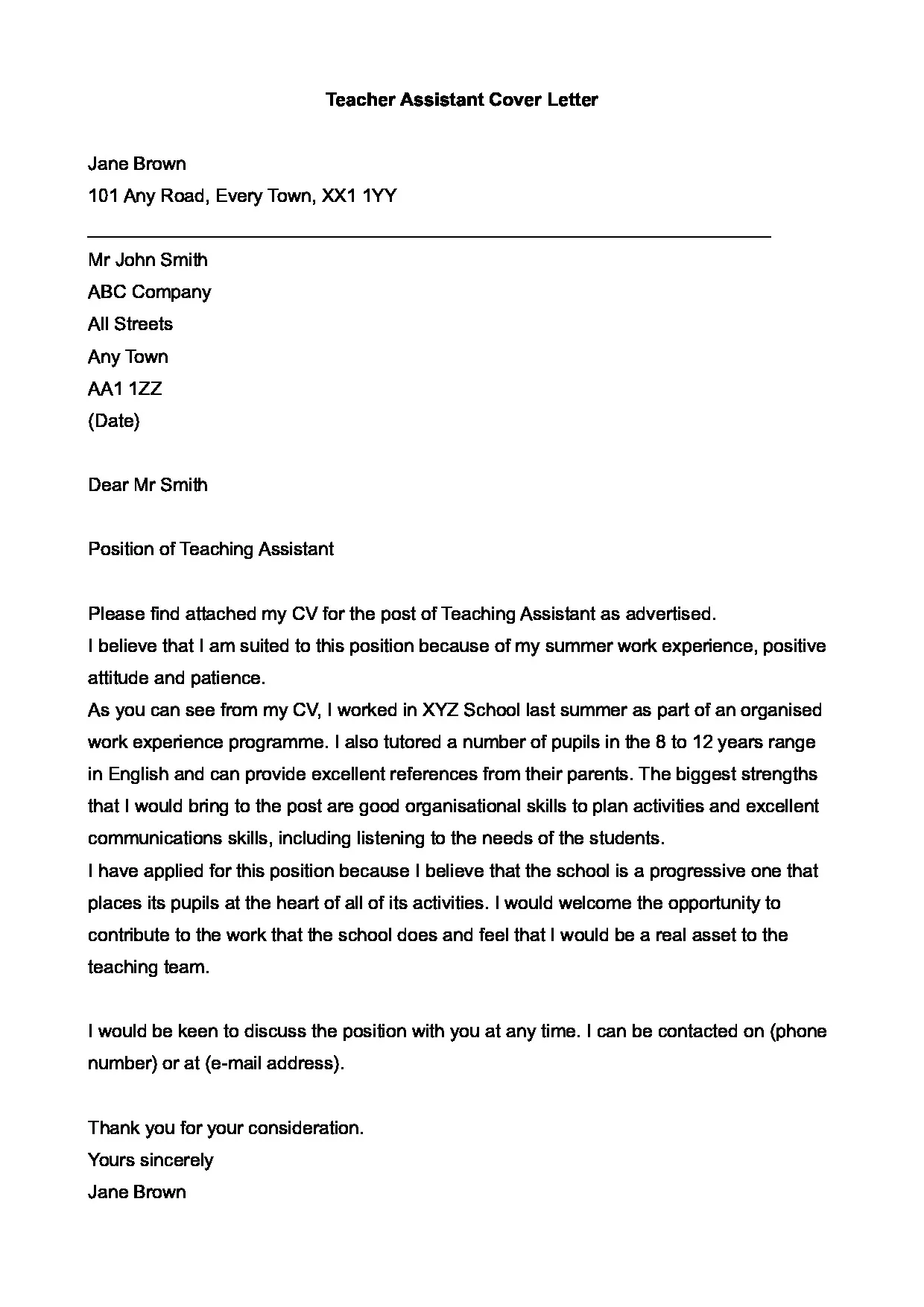
Cover Letter Secrets
A cover letter is your opportunity to make a strong first impression and stand out from the competition. It’s a chance to tell your story, highlight your skills, and demonstrate why you’re the perfect fit for the job. Mastering the art of the cover letter can significantly increase your chances of landing an interview. This guide will uncover secrets that will help you craft a cover letter that grabs attention and gets you noticed. Remember, your cover letter is not just a formality; it’s a powerful tool in your job search arsenal. It allows you to personalize your application and provide context to your resume, making you more than just a list of qualifications. Let’s explore some key strategies to make your cover letter shine.
Highlight Your Key Achievements
Instead of simply listing your job responsibilities, focus on your accomplishments. What did you achieve in your previous roles? What impact did you make? Use your cover letter as a platform to showcase your successes and demonstrate your value to the potential employer. This approach is more impactful than just stating what you did; it shows the results of your actions. Providing specific examples of your achievements will make your cover letter much more compelling and memorable. Remember to tailor your accomplishments to the specific job you’re applying for. This will show that you’ve carefully considered the role and are a strong match.
Quantify Your Accomplishments

Whenever possible, quantify your achievements with numbers, percentages, or specific metrics. For example, instead of saying “Increased sales,” say “Increased sales by 15% in six months.” Quantifying your accomplishments makes your claims more credible and provides tangible evidence of your abilities. It helps the hiring manager understand the scope and impact of your work. This level of detail helps set you apart from other candidates who might make more general claims. Always strive to include concrete data that supports your claims and demonstrates your value. Using numbers adds weight to your statements and highlights your impact.
Tailor Your Cover Letter to Each Job
Generic cover letters are easily spotted and often discarded. Customize each cover letter to the specific job and company you are applying for. This shows that you have taken the time to understand the role and are genuinely interested in the opportunity. Make sure to align your skills and experiences with the requirements outlined in the job description. A customized cover letter demonstrates your enthusiasm and attention to detail. Always adjust your cover letter to reflect the unique aspects of each position and company.
Research the Company and Customize
Before writing your cover letter, research the company’s mission, values, and recent projects. Show that you understand the company’s goals and how your skills can contribute. Tailor your letter to address the specific needs and challenges of the organization. Mentioning specific company initiatives or values demonstrates your genuine interest. This level of detail shows that you’re not just sending out a generic application; you are genuinely interested in the specific role and company.
Use Keywords from the Job Description

Carefully review the job description and identify the key skills and requirements. Incorporate these keywords naturally into your cover letter. This helps your application pass through Applicant Tracking Systems (ATS) and demonstrates that you have the necessary qualifications. Keywords are essential for getting noticed by recruiters and hiring managers. Using relevant keywords throughout your cover letter increases the chances of your application being selected. Always integrate the keywords organically, ensuring your writing still flows naturally.
Showcase Your Personality and Enthusiasm
Your cover letter is an opportunity to let your personality shine. Use a professional yet authentic tone that reflects your enthusiasm for the job. Avoid sounding generic or robotic. Infuse your writing with your unique voice and show your genuine interest in the role. A touch of personality can help you connect with the hiring manager on a more personal level. This helps you stand out from the crowd and makes your application more memorable. Let your passion for the job come through in your writing.
Maintain a Professional Tone
While it’s important to show personality, always maintain a professional tone. Avoid slang, jargon, or overly casual language. Your cover letter should be polished and reflect your professionalism. Even though you want to let your personality show, always maintain a professional demeanor in your cover letter. This balance ensures that you remain credible and make a positive impression. Ensure that your tone is respectful, clear, and reflects your understanding of professional communication.
Use Action Verbs and Strong Language

Use action verbs to describe your skills and accomplishments. This makes your writing more dynamic and engaging. Strong language helps you convey confidence and competence. Instead of stating “Responsible for,” use action verbs like “Managed,” “Led,” or “Implemented.” These words give your cover letter a powerful impact. Choose your words carefully to make a compelling case for your candidacy. This approach allows you to showcase your abilities effectively and make a strong impression.
Keep it Concise and Easy to Read
Hiring managers are busy. Keep your cover letter concise and easy to read. Use clear language, short paragraphs, and bullet points if necessary. Avoid jargon and overly complex sentences. Your goal is to quickly and effectively communicate your value. Make sure your cover letter is easy to navigate. Ensure that the information is well-organized and easy to understand at a glance. Conciseness ensures your most important points are easily accessible.
Formatting and Structure
Use a professional format with a clear structure. Include a proper heading, salutation, body paragraphs, and a closing. Ensure that your formatting is consistent throughout the document. Well-structured cover letters are easier to read and more professional. Proper formatting is important for readability. Use appropriate font styles, sizes, and spacing to make your cover letter visually appealing. A clean and organized format reflects your attention to detail.
Proofread and Edit Meticulously

Typos and grammatical errors can damage your credibility. Proofread your cover letter multiple times, and ask someone else to review it as well. Double-check for spelling, grammar, punctuation, and formatting errors. Pay attention to the overall flow and clarity of your writing. Proofreading ensures that your cover letter is polished and professional. Eliminating errors in your cover letter helps showcase your attention to detail. A carefully proofread cover letter leaves a positive impression on the recruiter.
Formatting Your Resume
Your resume is your professional introduction, and a well-formatted resume is critical for making a positive impression. A strong resume highlights your skills, experience, and accomplishments in a concise and easy-to-read format. Understanding the best resume formats and how to present your information is crucial for grabbing the attention of hiring managers. This section will cover the core elements of resume formatting to help you create a compelling document. The right format can make your qualifications stand out and showcase your value.
Choose the Right Resume Format
Selecting the correct format is essential for showcasing your skills and experience effectively. The format you choose should align with your career goals and the type of jobs you are applying for. There are three main types of resume formats, each with its strengths and weaknesses. The appropriate format can make your qualifications shine. Understanding the different types of resume formats is crucial for creating a document that aligns with your goals.
Chronological Resume

The chronological resume lists your work experience in reverse chronological order, starting with your most recent job. This format is the most common and is ideal for candidates with a consistent work history. It emphasizes your career progression and is easy for employers to understand. This format works best when your work experience has been consistent and you have a clear trajectory in your career. This is the go-to choice for many job seekers.
Functional Resume
The functional resume emphasizes your skills and abilities rather than your work history. It focuses on your transferable skills and is useful if you have gaps in your employment history. This format allows you to highlight the skills that are most relevant to the job you’re applying for. If you have significant career changes or gaps in your work history, a functional resume can be a good option. This format allows you to showcase your abilities.
Combination Resume
The combination resume blends elements of both the chronological and functional formats. It highlights your skills while still providing a brief overview of your work history. This format is versatile and allows you to showcase both your skills and your experience. This is a good choice if you want to highlight both your skills and your experience. It can be effective when you want to demonstrate both your capabilities and your past job roles.
Use Action Verbs to Describe Your Experience

Start each bullet point under your job experience with a strong action verb. This immediately grabs the reader’s attention and describes what you did in your previous roles. This helps highlight your accomplishments and responsibilities. Using action verbs is a great way to make your resume dynamic and impactful. Action verbs make your experience come alive. These verbs clearly demonstrate your contributions and the results you achieved in your previous roles.
Quantify Your Accomplishments
As in your cover letter, quantify your accomplishments in your resume whenever possible. Include numbers, percentages, or other metrics to demonstrate the impact of your work. This adds credibility to your claims and provides tangible evidence of your achievements. Use concrete data that supports your claims and demonstrates your value to potential employers. Numbers help create a strong impression on the recruiter. Use metrics to highlight your specific achievements and contributions.
Optimize Your Resume for Applicant Tracking Systems (ATS)
Many companies use Applicant Tracking Systems (ATS) to scan resumes and filter out unqualified candidates. Understanding how to optimize your resume for ATS can significantly increase your chances of getting noticed. These systems look for specific keywords and formatting to determine whether your resume is a good match for the job. Make sure your resume is ATS-friendly to maximize your visibility to recruiters.
Include Relevant Keywords

Carefully review the job description and identify the key skills and requirements. Incorporate these keywords naturally throughout your resume. This helps your resume get past ATS filters and demonstrates that you meet the job’s requirements. Keywords are essential for getting noticed. This can increase your chances of getting an interview. Use keywords naturally within the text. The strategic use of relevant keywords can substantially improve your chances of success.
Format for ATS Compatibility
ATS systems have trouble parsing complex formatting. Use a simple, clean format with clear headings and bullet points. Avoid using tables, images, or unusual fonts. Ensure that your resume is easy for the ATS to read and interpret. Stick to a standard font and simple design. Clean formatting helps your application get noticed by the recruiter. Always choose a format that ensures ATS compatibility.
Proofread and Edit
As with your cover letter, proofread your resume multiple times for any typos, grammatical errors, or formatting issues. Ask a friend or career counselor to review your resume as well. A polished resume demonstrates your attention to detail and professionalism. Error-free resumes are essential. Proofreading can highlight and correct any mistakes before submission. A careful review ensures that your resume makes a positive impression.