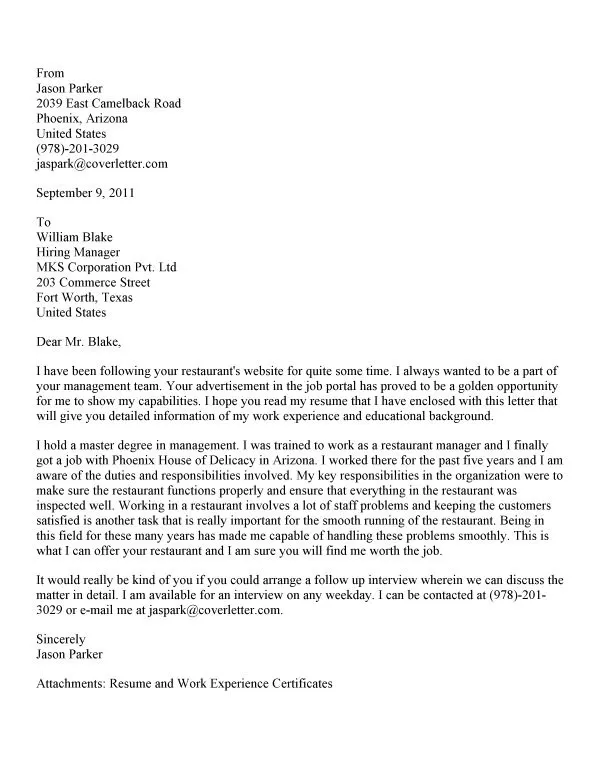
Crafting the Perfect Cover Letter Addressing Unknown Recipients
In the competitive job market, a well-crafted cover letter is essential for making a strong first impression. But what if you don’t know the name of the hiring manager? This guide reveals the secrets to crafting a compelling cover letter that grabs attention, even when the recipient is unknown. We’ll explore strategies to showcase your value, demonstrate your understanding of the company, and secure that all-important interview. Transform your cover letter from a generic formality into a powerful tool that sets you apart from the competition. Let’s dive into the art of writing an outstanding cover letter, regardless of the recipient’s identity.
Understanding the Challenge of Unknown Recipients
The challenge of not knowing the recipient’s name is a common reality in many job applications. This might happen when applying through online portals, large companies, or when the contact information is unavailable. The lack of a specific name can feel like a disadvantage, but it’s an opportunity to demonstrate your resourcefulness and attention to detail. By understanding the reasons for this, you can proactively adjust your approach and create a cover letter that makes a strong impact. Recognizing these challenges is the first step towards crafting a cover letter that stands out from the rest.
Why Addressing the Hiring Manager Isn’t Always Possible

There are multiple reasons why you might not know the hiring manager’s name. Companies may have policies against sharing it during the initial application phase. Sometimes, the hiring manager’s role isn’t clear on the job posting or the company website. Recruitment agencies might handle applications, and specific hiring manager details might not be available to external candidates. Also, internal restructuring or rapid turnover can render the information outdated quickly. Regardless of the reason, adapting your cover letter strategy is key.
Alternatives To Addressing A Specific Person
When you can’t address a specific person, there are several professional alternatives. Consider using a general greeting like “Dear Hiring Manager” or “Dear [Company Name] Recruitment Team.” If you know the department, “Dear [Department Name] Team” is a good option. Avoid impersonal greetings like “To Whom It May Concern,” which can appear outdated. The goal is to balance professionalism and approachability, showing respect for the company and the hiring process. These alternatives maintain a respectful tone while allowing you to engage the reader effectively.
Emphasizing Your Value Proposition
Your value proposition is the core of your cover letter - what you offer the employer. Without a specific name, the focus shifts to what you bring to the table. Highlighting your skills, experiences, and accomplishments is key. This is where you demonstrate why you’re the perfect candidate. Frame your letter around the job’s specific needs, showing how your capabilities align. By clearly articulating your value proposition, you increase the chances of capturing the reader’s attention and making a positive impression.
Highlighting Relevant Skills and Experiences

Carefully review the job description to identify the required skills and experiences. Then, provide specific examples of how you’ve demonstrated these skills in past roles. Quantify your accomplishments whenever possible. For instance, instead of saying you “managed projects,” state that you “successfully managed five projects, delivering them on time and under budget.” Tailor your examples to the job’s requirements, making it easy for the hiring manager to see the direct relevance of your background. This targeted approach allows you to prove, not just claim, your capabilities.
Tailoring Your Cover Letter to the Job Description
The job description is your blueprint, outlining the essential qualifications, responsibilities, and expectations. Analyze the job description meticulously to tailor your cover letter. Identify the keywords and phrases used to describe the ideal candidate. Then, incorporate these keywords naturally into your cover letter, highlighting your relevant experiences. This proves that you’ve considered the requirements and possess the skills the company seeks, showing your attention to detail and a genuine interest in the opportunity.
Using Keywords from the Job Posting
Keywords are essential for getting past Applicant Tracking Systems (ATS) and capturing attention. Extract keywords from the job posting, related to skills, technologies, and experiences. Weave these keywords into your cover letter organically. If the job description emphasizes “project management,” “team leadership,” and “budgeting,” ensure these terms appear in your description of your relevant accomplishments. Avoid keyword stuffing; the goal is to integrate the terms naturally while maintaining readability and a genuine tone.
Demonstrating Your Understanding of the Company

Show that you understand the company. Research their mission, values, products or services, and recent news. This demonstrates genuine interest, showing that you’re not just sending a generic application. The more knowledge you display, the more likely your cover letter will stand out, proving you’re seriously interested in the role and the company’s mission.
Researching the Company and Its Values
Do your homework before you start writing. Visit the company’s website, read their “About Us” section, and check their social media profiles. Look for information about their mission, values, and culture. Understanding these aspects helps you tailor your cover letter to their needs and expectations. If the company emphasizes innovation, highlight your innovative accomplishments. If they value teamwork, give examples of successful team collaborations. Showing that you align with their ethos increases your chances of making a positive impact.
Showcasing Your Enthusiasm for the Role
Passion and enthusiasm can set you apart. Your cover letter is an opportunity to convey your genuine excitement about the role and the company. Use language that reflects your interest and motivation, not just listing skills but showing why you want this specific job. Your cover letter should show you’ve thought about what you can contribute to the company. This enthusiasm leaves a lasting impression.
Expressing Genuine Interest in the Opportunity

Go beyond simply stating your interest. Explain what excites you about the role, what resonates with you about the company, and how you see yourself contributing to their success. Mentioning specific projects or initiatives aligning with your skills demonstrates genuine interest. Show that you seek not just a job, but an opportunity to contribute and grow. Conveying enthusiasm makes your application more memorable and compelling. Detail the role, describing why it aligns with your goals.
Using Action Verbs and a Confident Tone
Use action verbs to describe your achievements and experiences. This makes your cover letter dynamic and engaging. Start sentences with powerful verbs like “managed,” “led,” “developed,” “implemented,” and “achieved.” Maintain a confident, professional tone. This builds credibility and shows confidence in your abilities. Avoid hesitant language or overly modest statements. Your cover letter should be a declaration of your skills and suitability.
Structuring Your Cover Letter Effectively
A well-structured cover letter is easier to read and more likely to capture attention. Follow a standard format with a clear introduction, body paragraphs, and a strong conclusion. Each section should have a clear purpose, guiding the reader through your qualifications and interest. Proper formatting shows you’re detail-oriented, a significant asset in any professional setting.
Formatting Your Cover Letter for Readability
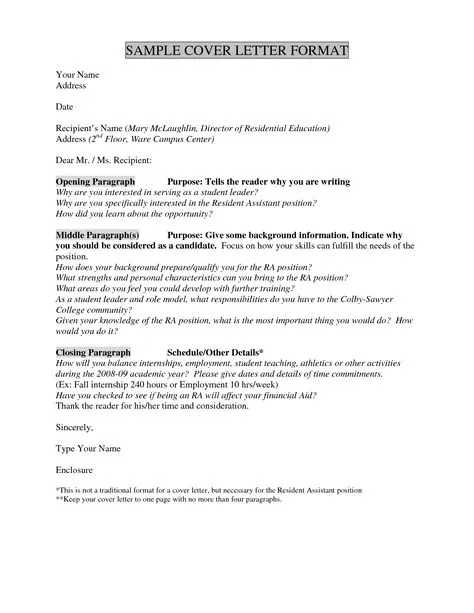
Keep your cover letter concise and easy to read. Use short paragraphs, clear headings, and bullet points. This makes information easier to digest and allows quick understanding. Ensure consistent formatting, with proper spacing and alignment. A well-formatted cover letter shows professionalism and respects the reader’s time. Choose a clear, easy-to-read font and avoid complex layouts.
Using a Professional and Clear Font
Choose a professional, easy-to-read font, like Times New Roman, Arial, Calibri, or Helvetica. Use an appropriate font size (usually 11 or 12 points) and ensure good spacing. Avoid decorative fonts, which distract from the content. The goal is to make your cover letter easy to read and visually appealing. Consistent formatting shows attention to detail and professionalism.
Keeping the Letter Concise and Engaging
Aim for a cover letter that’s no longer than one page. Hiring managers are busy and appreciate a clear message. Focus on the most relevant information and avoid unnecessary details. Use strong, impactful language to convey your message, grabbing their attention quickly and making them want to learn more. Brevity and clarity show respect for the reader’s time.
Closing with a Strong Call to Action

Your closing should leave a lasting impression. A well-crafted conclusion reinforces your interest and provides a clear call to action, guiding the reader toward the next step, typically an interview. Tailor the closing to the job, reflecting genuine interest and professional demeanor.
Requesting an Interview and Expressing Gratitude
End by requesting an interview. Be direct but polite, stating your interest in discussing your qualifications and contributions. Express gratitude for their time and consideration. A simple, sincere “Thank you for your time and consideration. I look forward to discussing my application further” is perfectly acceptable. This demonstrates professionalism and respect.
Proofreading and Editing Your Cover Letter
Proofread carefully before submitting your cover letter. Errors can undermine your professionalism. Ensure no grammatical errors, spelling mistakes, or typos. Read your letter multiple times and consider asking a friend or colleague to review it. Proofreading is crucial, highlighting your attention to detail. Your writing reflects your professionalism.
Ensuring Accuracy and Professionalism
Accuracy is vital in a cover letter. Ensure all dates, job titles, company names, and contact details are correct. A small error can damage your credibility. Review every detail meticulously. Present your cover letter in a professional format, with a clean layout, consistent font, and spacing. Proper formatting shows respect and highlights your attention to detail. Use a professional email address and avoid informal language or slang.