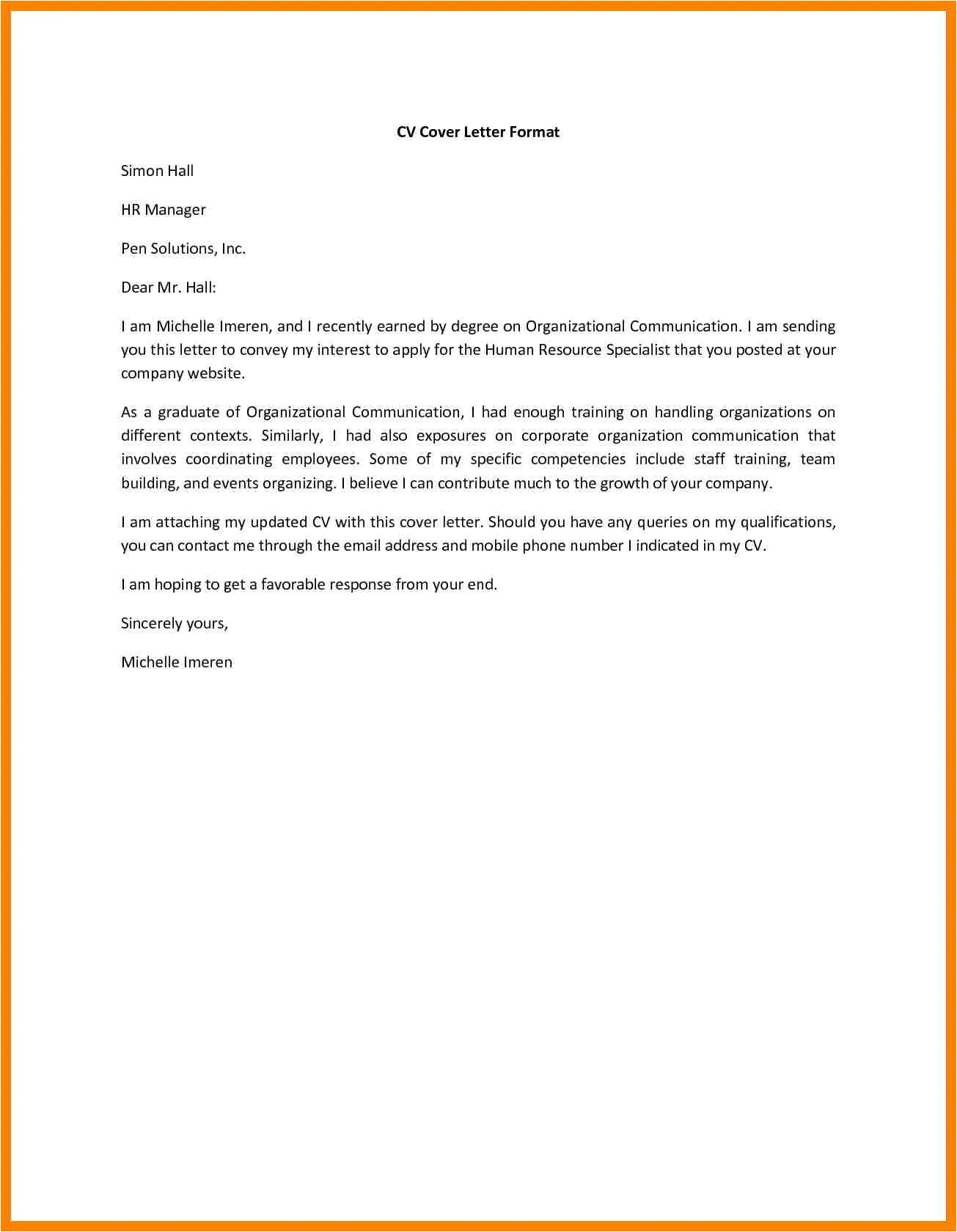
What a Cover Letter Is
A cover letter is a crucial document that accompanies your resume when applying for a job. It serves as an introduction to the hiring manager, allowing you to highlight your relevant skills, experiences, and qualifications while expressing your enthusiasm for the specific position and the company. Unlike a resume, which provides a factual overview of your work history, a cover letter offers an opportunity to showcase your personality, writing abilities, and genuine interest in the role. It bridges the gap between your qualifications and the employer’s needs, making a compelling case for why you are the ideal candidate. In essence, the cover letter is your chance to make a strong first impression and persuade the hiring manager to read your resume and consider you for an interview.
Cover Letter Importance
The importance of a cover letter cannot be overstated. It is often the first point of contact between you and a potential employer, setting the tone for their perception of your candidacy. A well-written cover letter demonstrates your communication skills, attention to detail, and genuine interest in the opportunity. It allows you to elaborate on specific experiences and skills that directly align with the job requirements, providing context and depth that a resume alone cannot offer. Many employers consider a cover letter essential because it helps them understand your motivations, career goals, and how you can contribute to their organization. A strong cover letter can significantly increase your chances of getting noticed, securing an interview, and ultimately landing your dream job. In today’s competitive job market, a cover letter is often the deciding factor in whether your application stands out or gets overlooked.
Key Elements of a Compelling Cover Letter

Crafting a compelling cover letter involves several key elements that work together to create a persuasive narrative. These elements include a clear and concise structure, personalized content, and a professional tone. The letter should begin with a strong introduction that grabs the reader’s attention and immediately states the position you are applying for. The body paragraphs should highlight your relevant skills and experiences, demonstrating how they align with the job requirements. Use specific examples to showcase your achievements and quantify your accomplishments whenever possible. The conclusion should reiterate your interest in the position and encourage the hiring manager to contact you. Moreover, the letter should be free of grammatical errors, typos, and formatting inconsistencies. A compelling cover letter is tailored to each job application, reflecting your understanding of the company and the specific role. It’s not just a document; it’s a story that sells you to the hiring manager.
Contact Information Section
The contact information section is the starting point of your cover letter, and it’s essential to get it right. This section typically appears at the top of the letter and includes your full name, address, phone number, and email address. It’s crucial to ensure that this information is accurate and up-to-date to make it easy for the hiring manager to contact you. The formatting of the contact information should be clean and professional, often aligned to the left or right. Using a clear and easy-to-read font is also important. Double-check for any typos or errors, as even a small mistake can create a negative impression. Some applicants include a link to their LinkedIn profile in this section, which can provide the hiring manager with additional information about their professional background and experience. A well-presented contact information section shows your attention to detail and professionalism, setting a positive tone from the outset.
Greeting and Introduction
The greeting and introduction are the first impression you make in your cover letter, so it’s essential to make them count. Aim to address the hiring manager by name if possible, as it shows that you’ve done your research and are truly interested in the position. If the name isn’t available, a general greeting like “Dear Hiring Manager” is acceptable, but avoid generic greetings such as “To Whom It May Concern.” The introduction should immediately state the position you are applying for and where you saw the job posting. Following this, you should provide a brief, compelling statement about why you are interested in the role and the company. Highlight one or two key skills or experiences that make you a strong candidate. This section sets the stage for the rest of the letter and should grab the reader’s attention. A strong greeting and introduction show that you are proactive, enthusiastic, and have a clear understanding of the job requirements. It is your opportunity to pique their interest and make them want to read more.
Body Paragraph 1 Why You’re Interested

The first body paragraph focuses on why you are interested in the specific role and the company. This is where you articulate your enthusiasm and demonstrate that you’ve researched the organization and understand its mission, values, and culture. Explain what specifically attracts you to the position and how it aligns with your career goals and aspirations. Show genuine interest by mentioning specific projects, initiatives, or aspects of the company that resonate with you. For example, you might express admiration for their innovative approach, their commitment to sustainability, or their positive impact on the community. Avoid generic statements and instead offer thoughtful, personalized insights. Illustrate your understanding of the company’s needs and how your skills and experience can contribute to their success. By clearly articulating your motivations and showing genuine interest, you increase the likelihood that the hiring manager will see you as a good fit for their team.
Body Paragraph 2 Highlight Skills and Experience
The second body paragraph is your opportunity to highlight your relevant skills and experience. This is where you showcase how your qualifications align with the job requirements. Carefully review the job description and identify the key skills and experiences that the employer is seeking. Provide specific examples from your professional background to demonstrate how you’ve successfully applied these skills in the past. Quantify your achievements whenever possible by using numbers and data to illustrate your impact. For example, instead of saying “Managed social media accounts,” you could say “Increased social media engagement by 30% in six months.” Use action verbs to describe your accomplishments and responsibilities, such as “managed,” “developed,” “led,” or “implemented.” Tailor this paragraph to match the job description and highlight the most relevant information. This section of your cover letter is crucial for persuading the hiring manager that you have the skills and experience to excel in the role and contribute to the company’s goals.
Body Paragraph 3 Show Your Value
In the third body paragraph, you should aim to show the value you bring to the table. This means going beyond simply listing your skills and experience and focusing on how you can contribute to the company’s success. Discuss specific ways you can address the employer’s needs or solve their challenges. Highlight your problem-solving abilities, your ability to work collaboratively, or any unique contributions you can make. Show how your skills and experience align with the company’s values and goals. For instance, if the company emphasizes teamwork, provide an example of your ability to work effectively in a team environment. If they value innovation, showcase instances where you’ve demonstrated creativity and initiative. By clearly articulating the value you offer, you demonstrate that you are not just qualified for the job, but that you are a strategic asset who can make a positive impact. This paragraph should leave the hiring manager with a clear understanding of what makes you stand out and why they should choose you.
Call to Action Section

The call to action section is where you tell the hiring manager what you want them to do next. It’s a crucial part of the cover letter because it prompts the reader to take action, increasing the likelihood that they will respond to your application. Start by restating your interest in the position and reiterating your enthusiasm for the company. Then, clearly state your desire for an interview and express your availability for an interview. Provide a clear and concise statement of how you can be reached, typically your phone number and email address. If you have a portfolio or website, you can include a link to it here. End the section with a confident and professional closing, such as “I look forward to hearing from you soon.” or “Thank you for your time and consideration.” Your call to action section should be direct, professional, and leave a positive lasting impression. It is the final push to encourage the hiring manager to consider your application favorably.
Closing and Signature
The closing and signature section of your cover letter is the final touch that completes your application. The closing should be professional and polite. Common options include “Sincerely,” “Best regards,” or “Thank you for your consideration.” Choose a closing that aligns with the overall tone of your letter. After the closing, leave a space for your handwritten signature if you are submitting a hard copy. For digital submissions, you can simply type your full name below the closing. Ensure your name is clearly legible. In this section, you may include your contact information below your typed name as a final reminder. Make sure this area is clean, well-formatted, and reflects your professionalism. A well-executed closing and signature section leaves a positive, lasting impression and shows respect for the hiring manager’s time. It reinforces your professionalism and reinforces your readiness for the next steps in the hiring process.
Formatting Tips
Effective formatting is crucial for making your cover letter easy to read and visually appealing. Choose a professional font such as Times New Roman, Arial, or Calibri, and maintain a consistent font size (typically 11 or 12 points) throughout the document. Use single spacing within paragraphs and double spacing between paragraphs to enhance readability. Set clear margins (1 inch on all sides) to avoid a cramped appearance. Use bolding and italics sparingly, and only to emphasize key information. Ensure that the letter is well-organized with clear headings and subheadings, if needed. Use bullet points to highlight your accomplishments or skills, and keep each bullet point concise. Avoid excessive use of color, and stick to a clean, uncluttered design. Proper formatting not only makes your cover letter visually appealing but also demonstrates your attention to detail and professionalism, making the content more accessible and engaging for the reader. A well-formatted cover letter helps the hiring manager focus on your qualifications and experience.
Keep it Concise

One of the most important formatting tips is to keep your cover letter concise. Hiring managers are busy, and they often have to review dozens, or even hundreds, of applications. Aim to keep your cover letter to a single page, ideally no more than 300-400 words. Every word should serve a purpose; avoid unnecessary fluff or repetitive phrases. Focus on the most relevant and impactful information. Get straight to the point, and avoid overly lengthy introductions or rambling explanations. The goal is to quickly and effectively convey your key skills and qualifications, piquing the reader’s interest enough to encourage them to review your resume. A concise cover letter demonstrates your ability to communicate clearly and efficiently, which is a highly valued skill in the workplace. Edit ruthlessly, and be prepared to revise and refine your letter until it is clear, concise, and compelling. The best cover letters tell a story quickly and effectively.
Use Action Verbs
Using strong action verbs is a key element of a compelling cover letter. Action verbs add dynamism and energy to your writing, making your accomplishments more vivid and impactful. They help the reader quickly understand your contributions and responsibilities. When describing your skills and experiences, start sentences with action verbs such as “managed,” “developed,” “led,” “implemented,” “created,” “achieved,” “improved,” or “collaborated.” These words create a sense of activity and show that you are proactive and results-oriented. Avoid passive language and replace vague verbs like “assisted” or “helped” with more specific and action-oriented alternatives. For example, instead of saying “Helped with marketing campaigns,” you could say “Developed and executed marketing campaigns.” Using strong action verbs not only makes your cover letter more engaging but also demonstrates your ability to communicate clearly and concisely, leaving a lasting positive impression on the hiring manager.
Proofread Carefully
Proofreading your cover letter carefully is an essential step in the application process. Errors in grammar, spelling, or punctuation can create a negative impression and undermine your credibility. Even a small mistake can make you appear careless or unprofessional. Before submitting your cover letter, read it multiple times, checking for any errors. Use a spell-checker and grammar-checker, but don’t rely on them entirely. They can miss subtle errors or stylistic inconsistencies. It is best to read the letter aloud, as this helps you catch awkward phrasing or typos that you might miss when reading silently. Ask a friend, family member, or career advisor to proofread your cover letter as well, as a fresh pair of eyes can often spot errors you’ve overlooked. Taking the time to carefully proofread your cover letter demonstrates your attention to detail and commitment to excellence, significantly increasing your chances of making a positive impression.
Tailor to the Job

Tailoring your cover letter to each job application is one of the most critical steps in the process. A generic cover letter that is sent to multiple employers is unlikely to make a strong impression. Instead, customize your cover letter to align with the specific requirements and expectations outlined in the job description. Start by carefully reviewing the job posting and identifying the key skills, experiences, and qualifications that the employer is seeking. Then, use your cover letter to highlight how your background and skills directly match those requirements. Provide specific examples from your previous roles to demonstrate your ability to perform the tasks outlined in the job description. Demonstrate your understanding of the company’s mission, values, and culture. Show that you’ve researched the organization and have a genuine interest in the opportunity. Tailoring your cover letter demonstrates that you are a serious and thoughtful applicant who is committed to the role, increasing your chances of standing out from the competition and getting an interview.
Cover Letter Dos and Don’ts
Understanding the dos and don’ts of cover letter writing can significantly increase your chances of success. Do tailor your cover letter to each job, highlight relevant skills and experiences, use action verbs, proofread carefully, and show genuine enthusiasm for the role and the company. Do address the hiring manager by name if possible and keep the letter concise and easy to read. Don’t use generic greetings or closings, include irrelevant information, or make grammatical errors. Don’t simply repeat information from your resume; use the cover letter to expand on your experiences and provide context. Avoid overly formal language, and be sure to avoid typos and grammatical errors. Don’t focus solely on yourself; instead, explain how you can contribute to the company’s success and address their needs. Adhering to these dos and don’ts can help you create a compelling cover letter that effectively showcases your qualifications and increases your chances of landing an interview.
Common Mistakes to Avoid
Avoiding common mistakes is crucial for creating a strong cover letter. One of the most common errors is failing to tailor the letter to the specific job. Generic cover letters often lack impact and may be overlooked. Other common mistakes include neglecting to proofread carefully, which can lead to typos and grammatical errors. Avoid using overly formal or overly casual language, finding a professional tone. Do not simply repeat your resume; provide additional context and elaborate on your experiences. Neglecting to research the company is another mistake. Show genuine interest by demonstrating your knowledge of the organization. Additionally, avoid being negative or critical about previous employers or experiences. Also avoid making the letter too long, keeping it to a single page. By avoiding these common mistakes, you can significantly enhance the effectiveness of your cover letter and increase your chances of making a positive impression on the hiring manager, and increasing your chances of securing an interview.
Cover Letter Examples
Examining cover letter examples can provide valuable insights into best practices and help you create a compelling letter. Several resources offer examples of cover letters for various industries, roles, and experience levels. When reviewing examples, pay attention to the structure, formatting, and tone. Note how the examples highlight skills and experiences, demonstrate enthusiasm for the role and the company, and address the key requirements outlined in the job description. Look for examples that demonstrate strong opening and closing paragraphs, clear and concise body paragraphs, and effective use of action verbs. While examples can be a great source of inspiration, remember to adapt them to fit your specific background and the requirements of the job you are applying for. Consider different formats, such as the traditional format, the skills-based format, or the value-based format. Using cover letter examples wisely can help you to understand what makes a cover letter effective and improve your own writing.
Entry-Level Cover Letter Example
Entry-level cover letters should focus on highlighting relevant skills, academic achievements, and any internship or volunteer experiences. The goal is to demonstrate your potential and enthusiasm, even if you lack extensive professional experience. Start with a strong introduction that clearly states the position you are applying for and where you saw the job posting. In the body paragraphs, emphasize your transferable skills such as communication, teamwork, problem-solving, and adaptability. Highlight any academic projects or coursework that align with the job requirements. Showcase any internship or volunteer experiences, and describe your responsibilities and accomplishments in those roles. If you have limited work experience, focus on your extracurricular activities, leadership roles, and any special skills or certifications that make you a strong candidate. End the letter with a call to action, expressing your interest in an interview and your willingness to learn and grow within the company. Ensure the letter is concise, well-formatted, and free of any errors.
Experienced Professional Cover Letter Example
Experienced professional cover letters should highlight your accomplishments and demonstrate how you’ve contributed to the success of previous employers. The goal is to showcase your expertise and value, making a compelling case for why you are the best candidate for the role. Begin by stating the position you’re applying for and mentioning where you saw the job posting. In the body paragraphs, focus on your relevant achievements, quantifying them whenever possible. For instance, mention how you increased sales, improved efficiency, or successfully managed projects. Use action verbs to describe your accomplishments and demonstrate your skills. Highlight any leadership experience, supervisory responsibilities, or special projects you’ve undertaken. Showcase your understanding of the company’s needs and explain how your skills and experience align with their goals. End the letter by reiterating your interest in the position and expressing your desire for an interview, making it clear how you can contribute to the organization’s success. Use a professional tone, and ensure the letter is tailored to each job application.