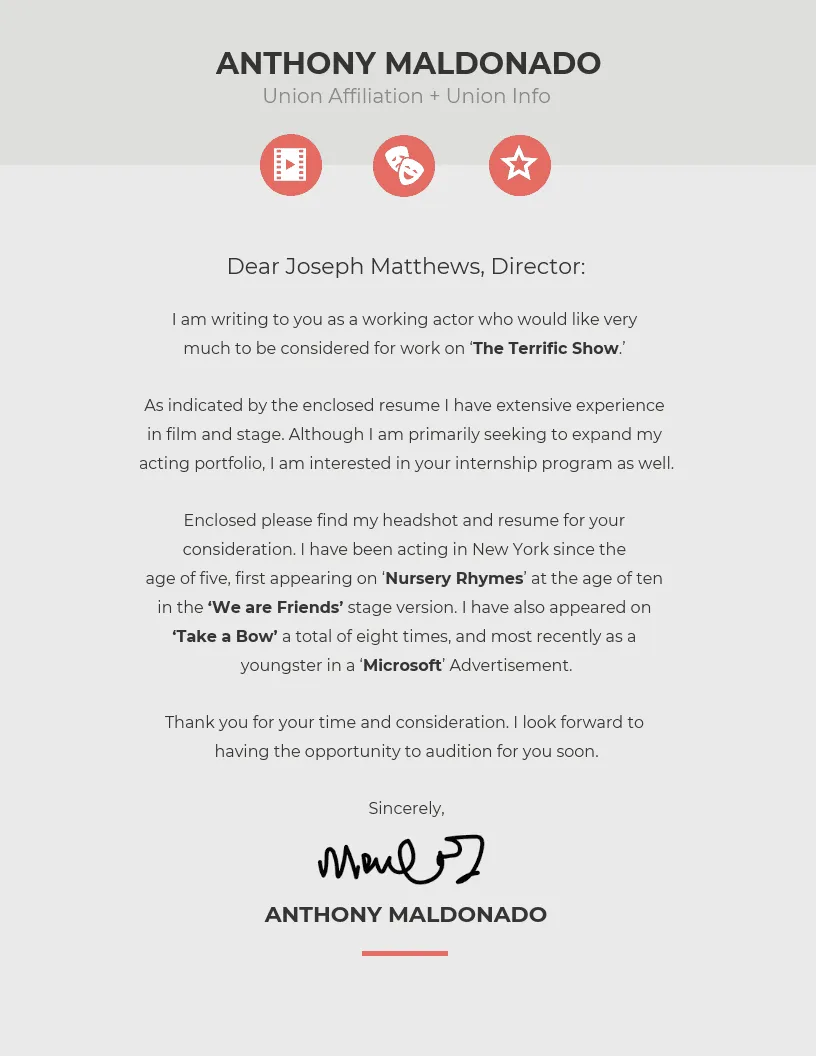
Unlocking Cover Letter Secrets
In today’s competitive job market, a strong cover letter is no longer optional it’s essential. It’s your first opportunity to make a lasting impression, showcasing your personality and skills before the hiring manager even looks at your resume. Many job seekers underestimate the power of a well-crafted cover letter, viewing it as a mere formality. However, it’s a crucial tool to differentiate yourself from other candidates and secure an interview. This article will unlock the secrets to crafting a memorable cover letter that helps you stand out from the crowd and land your dream job. We’ll delve into the key components of a winning cover letter, providing actionable tips and strategies to help you create a compelling narrative that captures the reader’s attention.
Why Your Cover Letter Matters
Your cover letter serves as a personal introduction, allowing you to go beyond the bullet points of your resume. It’s a chance to tell your story, explaining why you’re the perfect fit for the specific role and the company. A well-written cover letter demonstrates your communication skills, your understanding of the job requirements, and your genuine interest in the opportunity. It also allows you to address any potential gaps in your resume or highlight experiences that might not be immediately obvious. A compelling cover letter is the cornerstone of a successful job application. If you’re targeting a specific company or role, the cover letter enables you to demonstrate your knowledge and alignment with their values and goals. It’s an opportunity to connect with the hiring manager on a personal level, showing that you’ve done your research and that you’re truly invested in the position.
The Role of a Cover Letter

The primary function of a cover letter is to introduce yourself and your qualifications to a potential employer. It should complement your resume, providing context and highlighting the experiences and skills that are most relevant to the job you’re applying for. Your cover letter gives you the ability to frame your application in a way that emphasizes your strengths and addresses any weaknesses. Furthermore, a cover letter demonstrates your communication skills, critical for almost any role. It’s a sample of your writing ability, and a well-written letter is a reflection of your professionalism and attention to detail. A well-written cover letter shows the hiring manager that you’ve put in the time and effort to tailor your application to their needs, demonstrating a genuine interest in the position and the company. It is your chance to shine.
Making a Memorable First Impression
The first few sentences of your cover letter are critical. They need to grab the reader’s attention immediately. Avoid generic openings such as “I am writing to apply…” Instead, start with a compelling statement that showcases your enthusiasm for the role or company. Consider mentioning a specific achievement or skill that directly aligns with the job description. Tailor your introduction to each specific job application, referencing something you’ve learned about the company, a recent project, or a shared value. Personalize the letter by addressing the hiring manager by name if possible. A personalized cover letter shows you’ve taken the time to research and understand the organization. A well-crafted introduction will intrigue the reader and encourage them to continue reading, setting the stage for the rest of your letter and making you stand out.
Highlighting Your Unique Value Proposition
Your cover letter is the ideal place to highlight your unique value proposition. What specific skills, experiences, or qualities make you the best candidate for the job? Don’t just list your skills; demonstrate them with concrete examples. Use the STAR method (Situation, Task, Action, Result) to illustrate how you’ve used your skills to achieve positive outcomes in previous roles. Quantify your accomplishments whenever possible. Instead of saying “Improved customer satisfaction,” state “Increased customer satisfaction by 15% through implementing a new training program.” This level of detail provides tangible evidence of your abilities and makes your application more convincing. Align your value proposition with the job requirements. Review the job description carefully and tailor your letter to demonstrate that you possess the specific skills and experiences the employer is seeking. This targeted approach shows that you understand the role and are well-suited to excel in it.
Showcasing Your Personality

While professionalism is important, a cover letter is also an opportunity to showcase your personality. Let your enthusiasm and passion for the role shine through. Inject your unique voice and style into your writing. However, be mindful of the company culture. Research the company and tailor your tone to align with their values. Some companies appreciate a more formal approach, while others encourage a more relaxed and creative style. Use language that is both professional and engaging. Avoid sounding too generic or robotic. Injecting personality also helps to make your cover letter more memorable. Share a brief anecdote or a personal connection that relates to the job or the company. This will help you stand out from the crowd and demonstrate your genuine interest.
Keywords and Phrases for Impact
Use keywords and phrases from the job description in your cover letter. This helps your application pass through Applicant Tracking Systems (ATS) and demonstrates that you’re a good fit for the role. Carefully review the job description and identify the key skills and requirements. Integrate these keywords naturally into your writing. However, avoid keyword stuffing, which can make your letter sound unnatural and detract from its readability. Instead, focus on incorporating keywords organically while showcasing your skills and experiences. Use action verbs to describe your accomplishments and contributions. Words like “managed,” “led,” “developed,” “implemented,” and “achieved” create a sense of impact and highlight your ability to deliver results. Focus on the language that conveys confidence and competence. By strategically weaving in relevant keywords, you increase your chances of getting noticed and securing an interview.
Formatting for Readability
Your cover letter should be easy to read and visually appealing. Use a clear and professional font, such as Times New Roman, Arial, or Calibri. Choose a font size between 10 and 12 points for optimal readability. Proper formatting will ensure your cover letter is easy on the eyes. Use headings, bullet points, and white space to break up large blocks of text. This improves readability and allows the reader to quickly scan the letter for key information. The structure of your cover letter should be clear and logical, with a distinct introduction, body paragraphs, and conclusion. Keep your paragraphs concise and focused. Each paragraph should have a clear purpose and contribute to your overall message. Aim for a maximum of one page in length. Keep it brief and focused.
Common Cover Letter Mistakes to Avoid

Avoid generic cover letters. Tailor each letter to the specific job and company. Don’t just rehash your resume. Use your cover letter to provide context and demonstrate your understanding of the role. Errors in grammar, spelling, and punctuation can immediately disqualify your application. Always proofread your letter carefully, and ideally, have someone else review it. Do not address the wrong person or company. Research the hiring manager’s name and address your letter to them. Ensure your contact information is accurate and up-to-date. Missing this crucial information makes it impossible for the hiring manager to reach you. Avoid being overly verbose or using jargon. Keep your language clear, concise, and easy to understand. Be positive and enthusiastic, but avoid sounding arrogant or entitled. Focus on your skills and how you can contribute to the company.
Proofreading and Editing
Proofreading is a critical step in the cover letter writing process. Errors, no matter how small, can undermine your credibility and suggest a lack of attention to detail. Proofread your cover letter multiple times, checking for grammar, spelling, punctuation, and sentence structure. Read your letter aloud to identify any awkward phrasing or unclear sentences. Use grammar-checking tools, but don’t rely on them completely. They can catch some errors, but they don’t always detect contextual mistakes. Ask someone else to review your cover letter. A fresh pair of eyes can catch errors that you might have missed. They can also provide feedback on the clarity, tone, and overall effectiveness of your letter. Always edit your cover letter before submitting. Refine your writing, remove unnecessary words, and ensure that your letter is concise and impactful. A well-proofread and edited cover letter demonstrates professionalism and increases your chances of success.
In conclusion, a memorable cover letter is a powerful tool that can significantly increase your chances of landing an interview. By focusing on your unique value proposition, showcasing your personality, and following these key secrets, you can create a cover letter that grabs the reader’s attention and sets you apart from the competition. Remember to tailor your letter to each specific job and company, and always proofread carefully. With a well-crafted cover letter, you can unlock the door to your dream job. Now go forth and write the cover letter that gets you hired!