Cover Letter Secrets
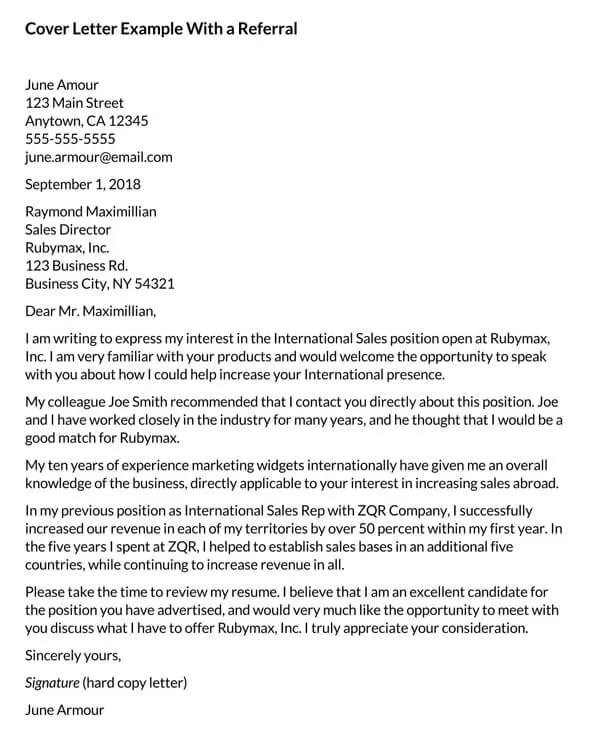
A cover letter is your first opportunity to make a strong impression on a potential employer. It’s your chance to showcase your personality, skills, and experience while explaining why you’re the perfect fit for the job. However, crafting a cover letter that stands out from the crowd can be challenging. This guide reveals secrets to creating a cover letter that grabs attention and significantly increases your chances of landing an interview, especially when you’re leveraging a referral from a friend. A well-written cover letter, particularly one that references a personal connection, demonstrates your proactive approach and can set you apart from other candidates. This article explores the key elements that contribute to a compelling cover letter, focusing on how to effectively use a friend’s referral to your advantage and ultimately impress the hiring manager. By following these guidelines, you can create a cover letter that not only highlights your qualifications but also underscores the value of your network.
Leveraging Referrals
Referrals can dramatically increase your chances of getting noticed by a hiring manager. When a current employee recommends you, it adds credibility to your application. It suggests that you’ve already been vetted to some degree, and it shows that you’re connected to someone within the company. This can provide a significant edge over other candidates, as referrals often receive priority consideration. However, simply mentioning a referral isn’t enough; you need to integrate it seamlessly into your cover letter to make it effective. The key is to highlight the connection in a professional and impactful way. You must be strategic when you leverage a referral. Make sure to follow up with your friend and get permission before including their name in your cover letter. Also, be sure to understand the role your friend plays at the company, which will help you write an appropriate and targeted cover letter.
The Power of a Friend Recommendation

A referral from a friend provides a unique opportunity to personalize your cover letter. It signals that you’re connected to someone within the company and that you’re aware of the company’s culture and values. When used correctly, a friend’s recommendation can demonstrate your genuine interest in the role and the company. It can set you apart from the generic applications that hiring managers often receive. Referrals provide an advantage, because they have a higher chance of being reviewed by a hiring manager. Moreover, it creates a positive first impression, as the hiring manager is already predisposed to view your application favorably. This can significantly increase your chances of moving forward in the hiring process. Leveraging this connection is one of the most potent cover letter secrets.
Tailoring Your Letter
A generic cover letter is easily spotted and often discarded. Tailoring your cover letter to each specific job and company is crucial, especially when you’re using a referral. Research the company, understand the role’s requirements, and modify your letter to align with both. Refer to your friend’s position, and use your conversation as inspiration. This tailored approach demonstrates your genuine interest and attention to detail. Instead of using a template, start fresh with each application. Show the hiring manager that you understand their needs, and that you’re the best person to fulfill them. Doing this is one of the secrets to creating a cover letter that stands out.
Formatting the Referral
Where to include the referral in your cover letter is also important. You should mention your friend’s name and your relationship to them near the beginning. This grabs the reader’s attention right away. After introducing the referral, you can briefly state why your friend recommended you. Make sure that your friend is comfortable with you mentioning them. Also, ask your friend if they have any advice for writing the cover letter. Following their advice could be beneficial for your job application. The referral creates an instant connection, but don’t let it overshadow your qualifications. Make sure the body of your cover letter still focuses on your skills and how they align with the job requirements.
Highlighting Relevant Skills

The most important part of your cover letter is showcasing the skills that match the job description. Your referral is just a way to grab the hiring manager’s attention. The real substance comes from your skills. Your cover letter should not be a simple rehash of your resume. Use the cover letter to expand on key accomplishments and demonstrate how your skills align with the specific job requirements. This is your chance to show the hiring manager what sets you apart. Go beyond simply listing your skills; provide specific examples of how you’ve applied them in previous roles. Provide measurable results to show how your skills benefited your previous employers.
Identifying Key Skills for the Role
Carefully review the job description and identify the key skills the employer is seeking. Tailor your cover letter to address these skills directly. Use the same keywords and phrases the employer uses in their job description. Make sure you have the qualifications the job requires. Your cover letter is not the place to stretch the truth. Research the company, its values, and the specific requirements for the role to help you match your skills to what the employer wants. By understanding what the employer is looking for, you can tailor your cover letter to resonate with the hiring manager and increase your chances of getting an interview.
Showcasing Accomplishments
Instead of simply listing your job responsibilities, focus on your accomplishments. What did you achieve in your previous roles? Provide quantifiable results whenever possible. Use action verbs and provide specific examples. This makes your accomplishments more impactful. Instead of saying, ‘Managed a team,’ say, ‘Led a team of 10, resulting in a 15% increase in sales.’ Focus on the results. Highlighting your accomplishments makes your cover letter more memorable and positions you as a strong candidate.
Quantifying Achievements

Whenever possible, quantify your achievements with numbers and metrics. This adds credibility to your claims and makes your accomplishments more compelling. Instead of saying, ‘Improved customer satisfaction,’ say, ‘Improved customer satisfaction by 20%.’ Quantifiable achievements demonstrate the impact you’ve had in previous roles. This helps the hiring manager understand your value and the potential you bring to the company. Use numbers to back up your claims, as well as to showcase how your skills have benefited previous employers.
Dos and Don’ts of a Referral Cover Letter
There are key things to include and avoid in a cover letter when you’re using a referral. Knowing this will help you write a better cover letter. Follow the guidelines to write a cover letter that impresses the hiring manager.
What to Include
When using a referral in your cover letter, be sure to include certain things. First, mention the referral right at the beginning of your letter. Name the person who referred you, and briefly state your connection to them. Next, tailor your letter. Show that you’ve researched the company, and explain why you’re a great fit. Also, highlight your key skills and quantify your achievements. Be sure to proofread your cover letter. It must be perfect. Finally, express your enthusiasm for the role and the company, and thank the hiring manager for their time and consideration.
What to Avoid

Avoid certain things when writing a cover letter. Don’t make the cover letter about the referral. The focus should be on your skills, not the referral. Don’t be generic. Avoid using a template. Tailor the cover letter to each specific role. Don’t be negative. Avoid mentioning previous employers or colleagues in a negative light. Never be dishonest. Don’t exaggerate or lie about your skills or experience. Honesty is always the best policy. Also, do not ramble. Keep your cover letter concise and to the point.
Closing the Letter
The closing of your cover letter is just as important as the opening. A strong closing leaves a lasting impression and encourages the hiring manager to take action. Here are some key elements of a successful closing.
Expressing Gratitude
Start by expressing your gratitude for the hiring manager’s time and consideration. Acknowledge that you appreciate them reviewing your application. This simple act of courtesy shows respect and professionalism. It also sets a positive tone for your closing. Expressing gratitude helps you stand out from other candidates.
Call to Action

End with a clear call to action. Tell the hiring manager what you want them to do next. This might be something like, ‘I am eager to discuss my qualifications further, and I am available for an interview at your earliest convenience.’ Or, ‘I look forward to hearing from you soon.’ A call to action guides the hiring manager and increases the likelihood of a response.
Following Up
After submitting your cover letter, following up is crucial. It demonstrates your continued interest and professionalism. However, it’s important to strike the right balance and avoid being overly persistent. A well-timed follow-up can remind the hiring manager of your application and potentially move you forward in the hiring process.