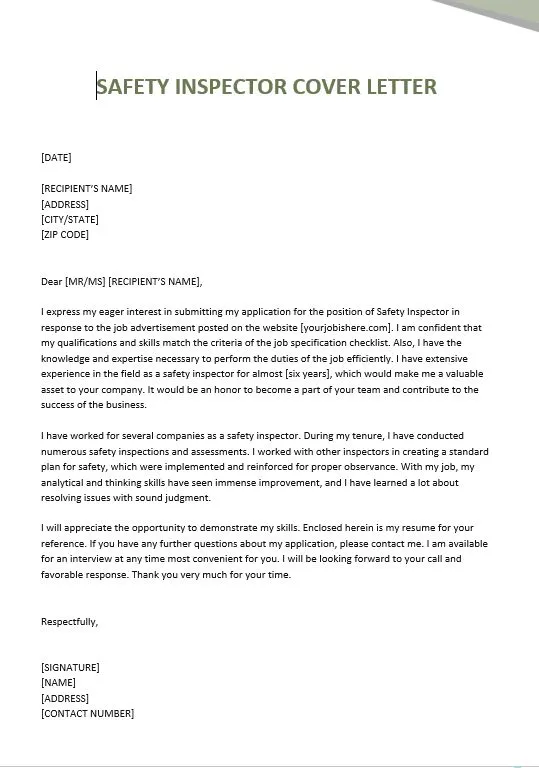
What is a Cover Letter
A cover letter is a crucial document that accompanies your resume when applying for a job. It serves as an introduction to the hiring manager, providing context to your application and highlighting your suitability for the role. Unlike a resume, which is a factual summary of your skills and experience, a cover letter allows you to express your personality, enthusiasm, and specific interest in the company and the position. It’s your chance to make a strong first impression and convince the employer to consider your application further. A well-crafted cover letter can significantly increase your chances of getting an interview, so it is important to dedicate enough time to it.
Why is a Cover Letter Important
In today’s competitive job market, a cover letter can be the differentiating factor that sets you apart from other candidates. It allows you to explain why you are interested in the specific role and company. It provides an opportunity to explain any gaps in your employment history or career changes, and showcase your communication skills. Many hiring managers read cover letters very carefully, as it reflects your attention to detail, writing abilities, and overall professionalism. If you submit a generic, poorly written cover letter, you’re likely to be immediately dismissed. Taking the time to create a personalized cover letter is a key step towards securing an interview and landing your dream job.
Key Components of a Winning Cover Letter

A successful cover letter is carefully structured to make the strongest possible impact. It starts with your contact information, the date, and the hiring manager’s name and title. The opening paragraph should immediately grab the reader’s attention and state the purpose of your letter. The body of the letter highlights your relevant skills and experience, using specific examples and quantifiable achievements to back up your claims. You should showcase your personality, enthusiasm, and your genuine interest in the opportunity. The closing paragraph should include a call to action, and you must proofread and edit thoroughly before sending.
Your Contact Information and the Date
Start your cover letter with your contact information. Include your full name, phone number, email address, and optionally, your LinkedIn profile URL. Align this information to the left or right side of the page. Below your contact information, include the date you are sending the letter. This section ensures the hiring manager can easily reach you.
Addressing the Hiring Manager
Always address your cover letter to a specific person whenever possible. Research the company to find the hiring manager’s name and title. Addressing the letter to a specific person shows you’ve done your homework and are genuinely interested in the role. If you can’t find a specific name, use a professional greeting like “Dear Hiring Manager” or “Dear [Department Name] Hiring Team.” Avoid generic greetings like “To Whom It May Concern.”
The Opening Paragraph Grab Attention

Your opening paragraph should immediately capture the reader’s attention. State the position you are applying for and where you saw the job posting. Briefly explain why you are interested in the role and the company. A strong opening paragraph sets the tone for the rest of your letter and encourages the hiring manager to read on. Consider starting with a brief story, a compelling statement, or a mention of a mutual connection.
Highlight Your Relevant Skills and Experience
The body of your cover letter is where you showcase your relevant skills and experience. Tailor this section to the specific requirements of the job description. Highlight your qualifications, skills, and achievements that align with the employer’s needs. Use keywords from the job posting to ensure your letter is seen by applicant tracking systems. Provide specific examples to illustrate how you have used your skills to achieve results in previous roles. Use a clear, concise, and confident writing style.
Quantify Your Achievements
Whenever possible, quantify your achievements with numbers and data. This will add credibility and demonstrate the impact you have had in previous roles. For example, instead of saying “Managed social media campaigns,” say “Increased social media engagement by 30% in six months.” Quantifying your achievements helps the hiring manager understand the value you can bring to the company. It makes your claims more concrete and memorable.
Showcase Your Personality and Enthusiasm

While maintaining a professional tone, allow your personality and enthusiasm to shine through. Let the hiring manager know why you are genuinely interested in the role and the company’s mission. Show your passion for the industry and what motivates you. This can be done by expressing your interest in a specific project or team, or by mentioning how your skills and values align with the company’s culture. Your cover letter must convey your personality and make you memorable.
Closing the Cover Letter with a Strong Call to Action
Conclude your cover letter with a strong call to action. Reiterate your interest in the role and the company. Express your enthusiasm for an interview and provide your contact information again. Thank the hiring manager for their time and consideration. A clear call to action ensures the hiring manager knows what you expect next and reinforces your interest in the position.
Proofread and Edit
Before submitting your cover letter, proofread it carefully. Check for any typos, grammatical errors, and formatting inconsistencies. Consider asking a friend or career advisor to review your letter as well. A polished cover letter demonstrates your attention to detail and professionalism. Errors in your cover letter are the easiest way to get rejected.
Cover Letter Formatting and Design Best Practices

Formatting and design are essential for a cover letter. Use a clean and professional format that is easy to read. This will make a good impression on the hiring manager. Well-formatted cover letters are more visually appealing. They also show your ability to create organized content.
Choosing the Right Font and Font Size
Choose a professional and easy-to-read font, such as Times New Roman, Arial, Calibri, or Helvetica. Keep the font size between 10 and 12 points. Ensure the font is consistent throughout the letter. Avoid using fancy fonts that may be difficult to read or make you look unprofessional.
Formatting for Readability
Use standard margins of one inch on all sides. Use single-spaced lines within paragraphs and double-space between paragraphs. Use a clear and logical structure. Organize the content in a way that is easy for the reader to follow. Use bullet points or lists to highlight key information. Keep paragraphs concise and to the point.
Keywords and SEO for Cover Letters

Keywords and SEO are crucial for cover letters. Use the keywords from the job description to help your application get noticed by applicant tracking systems (ATS). Including relevant keywords in your cover letter increases the chances of your application being seen by a human. It is important to know where to place keywords in your cover letter. Ensure the keywords fit naturally into your writing. Avoid keyword stuffing, which can make your letter difficult to read and look unprofessional.
Tailoring Your Cover Letter to the Job Description
Each cover letter should be tailored to the specific job you are applying for. Read the job description carefully and identify the key skills, experience, and qualifications the employer is seeking. Highlight your relevant skills and experience, providing specific examples to show how you meet the requirements. Address the employer’s needs directly. Show how you can provide value to the company.
Researching the Company
Before writing your cover letter, research the company. Visit their website, social media profiles, and news articles to learn about their mission, values, and recent developments. Demonstrating your knowledge of the company shows your genuine interest in the role. You can mention specific projects or initiatives that align with your interests and career goals.
Using Keywords from the Job Posting
Carefully review the job posting. Identify the key skills, qualifications, and keywords the employer uses. Integrate these keywords naturally into your cover letter. Use the same language the employer uses to describe the job requirements. This will help your application get noticed by ATS and show that you are a good fit for the role.
Cover Letter Examples to Inspire You
Use cover letter examples to gain inspiration. You can find many cover letter examples online. They can help you understand the different formats, styles, and content. Remember to tailor the examples to your unique experience and the specific job. Avoid copying examples verbatim. Customize them to reflect your individual qualifications and skills.
Cover Letter Examples for Different Industries
Cover letter styles vary depending on the industry. Research different industry-specific examples to get a better understanding of the content and tone. Pay attention to the specific skills, qualifications, and experience that are emphasized. Tailor your cover letter to the unique requirements of each industry. Use industry-specific language and terminology to show your knowledge and understanding.
Cover Letter Examples for Entry-Level Positions
Entry-level cover letters should focus on transferable skills, education, and any relevant experience. Highlight any internships, volunteer work, or extracurricular activities. If you have limited professional experience, emphasize your passion, enthusiasm, and willingness to learn. Focus on your skills and how they relate to the job responsibilities. Show your potential and how you can contribute to the company.
Common Cover Letter Mistakes to Avoid
Avoid these common mistakes when writing cover letters. These mistakes can hurt your chances of getting an interview. Focus on what not to do. Writing an effective cover letter involves knowing what to avoid.
Lengthy Cover Letters
Keep your cover letter concise and to the point. Hiring managers are busy and have limited time to read each application. Aim for one page. Focus on the most relevant information and avoid unnecessary details. Get straight to the point and make your key points clear.
Generic Cover Letters
Avoid using generic cover letters that are not tailored to the specific job. Customization is key to show genuine interest and fit. Each letter must be tailored to the specific job description. Show how your skills and experience align with the employer’s needs. Generic cover letters will be dismissed.
Typos and Grammatical Errors
Always proofread your cover letter carefully for any typos or grammatical errors. Errors can make you look unprofessional and careless. Proofread multiple times. Ask a friend or career advisor to review your letter as well. Make sure you’re showcasing your best professional self.